Introduction
The eye area is often the first place to reveal signs of aging, fatigue, and lifestyle stress. Even individuals with otherwise youthful skin may notice persistent under-eye bags, dark circles, or hollow tear troughs that make them appear older or constantly tired. As these concerns become more common across different age groups, the demand for effective under-eye rejuvenation treatments continues to grow.
Among today's most popular aesthetic procedures, under eye fillers have gained significant attention for their ability to instantly restore lost volume and improve facial harmony. Hyaluronic acid fillers, in particular, offer immediate cosmetic improvement with minimal downtime, making them a preferred option in many aesthetic clinics.
However, fillers are only one part of a comprehensive under-eye treatment strategy. Modern aesthetic professionals increasingly recognize that dark circles and under-eye bags are caused by multiple factors—including fat displacement, collagen loss, skin laxity, poor circulation, pigmentation, and fluid retention. Treating every patient with fillers alone may not always deliver the best or longest-lasting outcome.
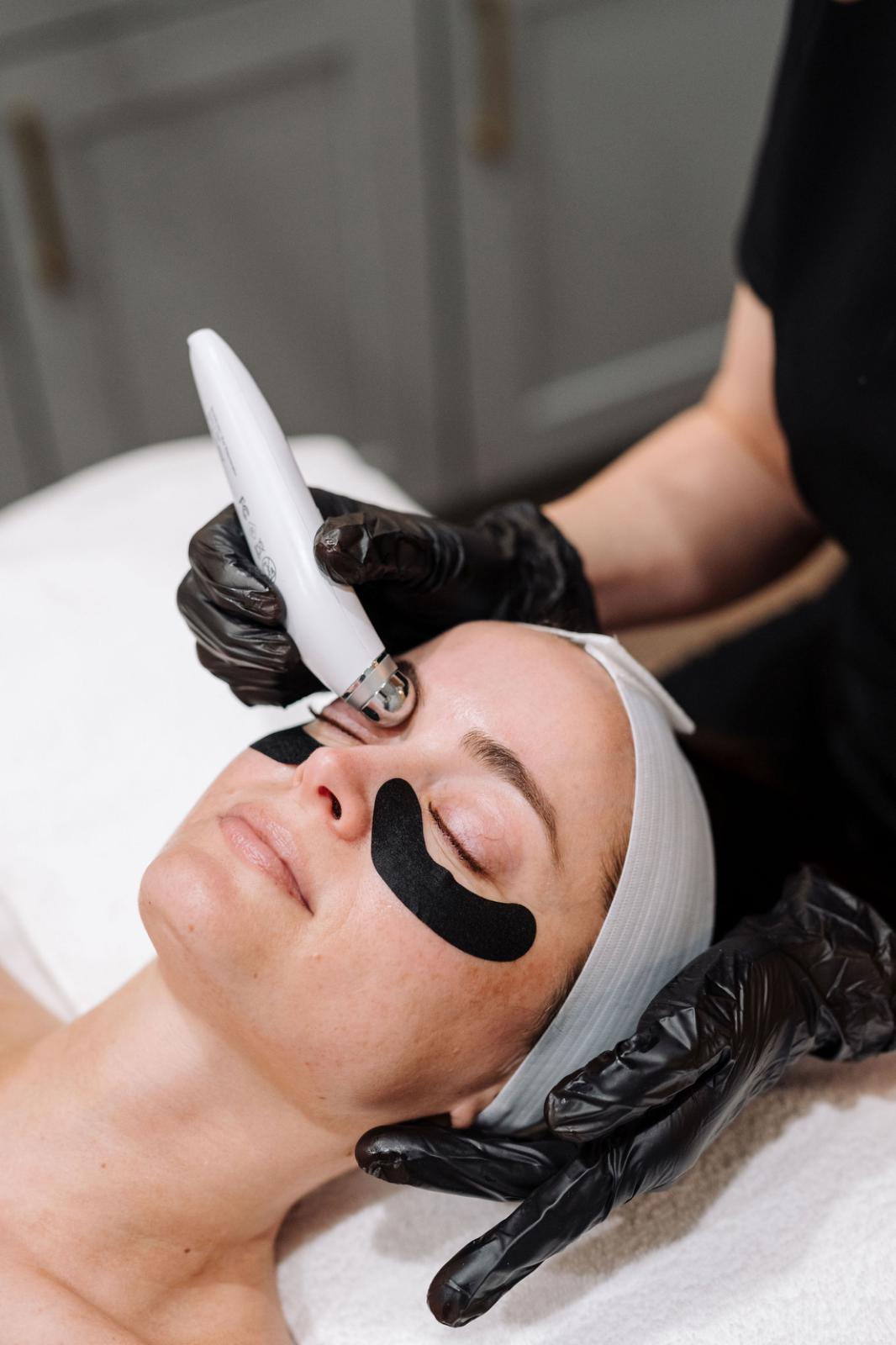
This is where professional aesthetic technologies play an increasingly important role. Advanced non-invasive beauty devices can target different layers of the skin and surrounding tissues, helping practitioners improve skin quality, stimulate collagen production, enhance microcirculation, reduce puffiness, and complement injectable treatments. Rather than replacing fillers, these technologies provide practitioners with more versatile treatment options and customized protocols.
For beauty clinics, med spas, and aesthetic professionals, understanding when to use fillers, when to choose device-based therapies, and how to combine both approaches is becoming essential for delivering natural-looking, long-term results.
Understanding Under Eye Aging: Why Do Eye Bags, Dark Circles, and Hollow Eyes Develop?
The under-eye area is one of the thinnest and most delicate regions of the face. Unlike other facial areas, the skin here contains fewer oil glands, less supportive fat, and lower collagen density, making it particularly vulnerable to aging and environmental stress.
While many people associate dark circles with lack of sleep, the reality is much more complex. Different patients experience different combinations of structural, vascular, and pigmentation-related concerns.
Common causes include:
1. Volume Loss and Tear Trough Hollowing
As collagen, elastin, and facial fat gradually decrease with age, the transition between the lower eyelid and the cheek becomes more pronounced. This creates the familiar "tear trough" deformity, where shadows make the eyes appear sunken and fatigued.
Loss of mid-face support can further exaggerate these hollows, making patients appear older even when they are well rested.
2. Skin Laxity
Collagen production naturally slows after the mid-20s. As skin becomes thinner and less elastic, the under-eye region begins to sag, allowing fine lines and wrinkles to develop.
Reduced skin firmness also makes underlying muscles and blood vessels more visible, contributing to a darker appearance.
3. Fat Herniation and Eye Bags
Eye bags are often caused by weakening connective tissues that normally support orbital fat. Over time, fat protrudes forward, creating visible puffiness beneath the eyes.
Unlike simple swelling, true fat herniation cannot usually be corrected through skincare products alone.
4. Pigmentation
Some individuals naturally produce more melanin around the eyes, while others develop pigmentation due to chronic rubbing, sun exposure, or inflammation.
Pigmented dark circles require different treatment strategies compared with hollowing or vascular discoloration.
5. Poor Microcirculation
Slow blood circulation and lymphatic drainage may lead to fluid retention, puffiness, and bluish discoloration.
This is especially common among patients with poor sleep quality, allergies, prolonged screen exposure, or sedentary lifestyles.
Understanding the primary cause is the foundation of selecting the most appropriate treatment plan.
What Is Under Eye Filler?
Under eye filler refers to injectable dermal fillers designed to restore lost volume beneath the eyes, particularly within the tear trough region.
Most aesthetic clinics use hyaluronic acid (HA) fillers because HA naturally exists within the human body and attracts water molecules, helping create smoother facial contours while maintaining a soft, natural appearance.
When performed by experienced practitioners, under-eye filler treatment can:
- Instantly reduce hollow tear troughs
- Improve facial balance
- Minimize shadowing beneath the eyes
- Create a refreshed appearance
- Produce immediate visible results
Treatment generally requires less than one hour, with patients returning to normal daily activities shortly afterward.
However, under-eye filler is not a universal solution.
Patients with significant skin laxity, severe eye bags, pigmentation, or poor skin quality may achieve only partial improvement through fillers alone.
This is why modern aesthetic consultations increasingly emphasize comprehensive facial assessment rather than simply injecting volume wherever hollows appear.
Professional Device-Based Technologies for Under Eye Rejuvenation
Professional beauty equipment has expanded treatment possibilities far beyond volume replacement. Instead of focusing solely on filling depressions, today's technologies improve tissue quality from multiple biological pathways.
For clinics seeking long-term patient satisfaction, combining device-based treatments with injectables often delivers more balanced and natural-looking outcomes.
Below are several technologies commonly used in professional aesthetic practices.
Radio Frequency (RF) Skin Tightening
Radio frequency technology delivers controlled thermal energy into the dermis, stimulating fibroblasts to produce new collagen and elastin fibers.
Unlike fillers that primarily restore volume, RF focuses on improving skin firmness and elasticity.
Potential benefits include:
- Firmer under-eye skin
- Reduced fine lines
- Improved skin texture
- Better support for surrounding tissues
- Gradual collagen remodeling
Modern RF systems are designed with precision-controlled energy delivery, allowing practitioners to safely treat delicate periocular areas while minimizing discomfort.
For patients with mild skin laxity rather than deep hollows, RF may significantly improve the appearance of tired eyes without injections.
High-Intensity Focused Ultrasound (HIFU)
HIFU technology targets deeper structural layers beneath the skin without damaging the surface.
By creating precise thermal coagulation points, HIFU stimulates long-term collagen regeneration and tissue contraction.
For selected patients, HIFU may help:
- Lift the brow area
- Improve mild lower eyelid laxity
- Enhance skin firmness
- Support overall facial contour
Because collagen remodeling continues over several months, improvements often develop gradually and appear increasingly natural.
When incorporated into a comprehensive treatment protocol, HIFU can complement filler treatments by improving structural support rather than simply replacing lost volume.
LED Light Therapy
Although LED therapy does not replace fillers, it has become an increasingly valuable supportive treatment in aesthetic clinics.
Different wavelengths provide different therapeutic effects:
- Red light encourages collagen synthesis.
- Near-infrared light promotes tissue repair.
- Blue light assists in managing acne-prone skin elsewhere on the face.
- Combination protocols help improve overall skin vitality.
For the under-eye region, LED therapy may assist recovery following minimally invasive procedures while enhancing overall skin quality over multiple treatment sessions.
Its non-invasive nature also makes it an attractive maintenance option for patients who prefer gradual skin improvement without downtime.
Microcurrent and EMS Technologies
Microcurrent and electrical muscle stimulation (EMS) technologies gently stimulate facial muscles using low-level electrical currents.
When incorporated into professional facial treatments, these technologies may help improve muscle tone, temporarily reduce puffiness, and create a refreshed appearance.
Many aesthetic clinics integrate microcurrent therapy into premium eye rejuvenation programs because it complements collagen-stimulating technologies while providing immediate cosmetic benefits after treatment
Ultrasound-Based Skin Therapy
Professional ultrasound technologies have evolved far beyond traditional diagnostic imaging. In aesthetic medicine, low-intensity ultrasound energy can enhance product penetration, stimulate tissue metabolism, and improve localized circulation around the delicate eye area.
Unlike HIFU, which focuses energy at deeper structural layers, therapeutic ultrasound typically works more superficially and is often incorporated into facial rejuvenation programs.
Benefits may include:
- Improved absorption of professional eye serums
- Enhanced local blood circulation
- Reduced appearance of mild puffiness
- Better skin hydration
- Smoother skin texture
Many clinics combine ultrasound with collagen-boosting ingredients, peptides, or hyaluronic acid-based serums to maximize treatment efficiency while maintaining patient comfort.
Cryotherapy (Cold Therapy)
Cold therapy has become increasingly popular as part of luxury facial treatments and post-procedure recovery.
Professional cryotherapy devices deliver controlled cooling that helps:
- Reduce temporary swelling
- Calm irritated skin
- Improve patient comfort
- Minimize redness after aesthetic procedures
- Refresh tired-looking eyes
Although cryotherapy does not rebuild collagen or restore lost volume, it serves as an excellent complementary therapy after RF treatments, microneedling, or injectable procedures.
Patients often appreciate the immediate refreshing sensation, making it a valuable addition to premium eye treatment packages.
Under Eye Fillers vs. Device-Based Treatments
Rather than viewing fillers and beauty devices as competing options, experienced aesthetic practitioners increasingly combine both approaches to address different causes of under-eye aging.
| Concern | Under Eye Filler | Professional Beauty Devices |
|---|---|---|
| Hollow tear troughs | Excellent | Moderate |
| Volume loss | Excellent | Limited |
| Fine lines | Moderate | Excellent |
| Skin laxity | Limited | Excellent |
| Collagen stimulation | Minimal | Excellent |
| Puffiness | Limited | Good |
| Poor circulation | Minimal | Good |
| Pigmentation support | Limited | Moderate |
| Downtime | Minimal | Usually minimal |
| Long-term skin quality | Limited | Excellent |
The comparison illustrates an important principle in modern aesthetics:
Fillers replace lost volume, while professional devices improve tissue quality.
When combined appropriately, practitioners can create more comprehensive treatment plans that not only correct existing concerns but also slow visible signs of aging over time.
Choosing the Right Treatment for Different Patients
Every patient presents a unique combination of anatomical characteristics, aging patterns, and aesthetic goals. A thorough consultation is essential before recommending any procedure.
Patient Type 1: Young Adults with Tear Trough Hollowing
These patients often have genetically deep tear troughs despite having healthy skin quality.
Recommended approach:
- Hyaluronic acid filler
- Conservative volume restoration
- Optional LED therapy for skin maintenance
Patient Type 2: Early Signs of Aging
Patients in their 30s and early 40s frequently experience mild collagen loss and reduced skin elasticity.
Recommended approach:
- RF skin tightening
- Microcurrent therapy
- Preventive collagen stimulation
- Minimal filler only if necessary
Patient Type 3: Mature Skin with Multiple Concerns
Older patients often present with:
- Hollowing
- Skin laxity
- Fine lines
- Eye bags
- Reduced collagen
- Poor circulation
Recommended approach:
- Combination therapy
- RF or HIFU
- Ultrasound-assisted skin care
- Cryotherapy
- Conservative filler placement when appropriate
This layered strategy generally produces more natural, balanced outcomes than relying on injectables alone.
Patient Type 4: Patients Seeking Non-Invasive Solutions
Some individuals prefer to avoid needles entirely due to personal preference, anxiety, or temporary medical considerations.
Professional beauty devices provide an attractive alternative by offering gradual improvement through repeated treatment sessions.
Although results may develop more slowly than injectable fillers, many patients appreciate:
- No injections
- Little to no downtime
- Progressive skin improvement
- Maintenance-focused care
- Natural-looking outcomes
For beauty clinics, these patients represent an important and growing market segment, particularly among younger consumers interested in preventive aesthetics.
Why Professional Beauty Devices Continue to Grow in Popularity
The global aesthetics industry has shifted noticeably toward personalized, combination-based treatment protocols. Rather than relying on a single procedure, clinics increasingly integrate multiple technologies to achieve comprehensive facial rejuvenation.
Several factors are driving this trend:
Greater Patient Expectations
Modern clients are well informed and often seek treatments that address not only visible symptoms but also the underlying causes of aging. They increasingly value long-term skin health alongside immediate cosmetic improvement.
Demand for Less Invasive Procedures
Many patients prefer solutions with minimal discomfort, reduced recovery time, and lower procedural risk. Professional device-based treatments can often satisfy these expectations while fitting easily into busy lifestyles.
Preventive Aesthetics
Younger adults are pursuing treatments before significant aging occurs. Collagen-stimulating technologies such as RF, LED, and ultrasound-based therapies support this preventive approach by helping maintain skin quality over time.
Customized Treatment Plans
No two under-eye concerns are identical. Professional equipment enables practitioners to tailor protocols according to skin condition, age, anatomy, and treatment goals, providing a higher level of personalization than one-size-fits-all solutions.
For beauty clinics and medical spas, investing in versatile aesthetic equipment also expands service offerings, improves treatment flexibility, and creates opportunities for long-term client retention through maintenance programs.
Conclusion
Under eye fillers remain one of the most effective solutions for restoring volume and reducing tear trough hollowing. When carefully administered by qualified professionals, they can produce immediate and natural-looking rejuvenation with minimal downtime.
However, successful under-eye rejuvenation extends beyond simply replacing lost volume. Skin laxity, collagen depletion, impaired circulation, pigmentation, and tissue quality all influence the final aesthetic outcome.
Professional beauty technologies—including radio frequency, HIFU, LED light therapy, ultrasound, microcurrent, EMS, and cryotherapy—allow practitioners to address these underlying concerns through non-invasive or minimally invasive treatment protocols. Rather than competing with injectable fillers, these technologies complement them by enhancing skin quality, supporting collagen remodeling, and promoting healthier-looking tissue.
For aesthetic clinics, med spas, and beauty professionals, combining injectable expertise with advanced beauty devices offers a more comprehensive approach to eye rejuvenation. This integrated strategy not only delivers more natural and longer-lasting results but also meets the growing demand for personalized, technology-driven aesthetic care.
As patient expectations continue to evolve, clinics that embrace both innovative equipment and evidence-based treatment planning will be well positioned to provide safe, effective, and highly satisfying under-eye rejuvenation solutions
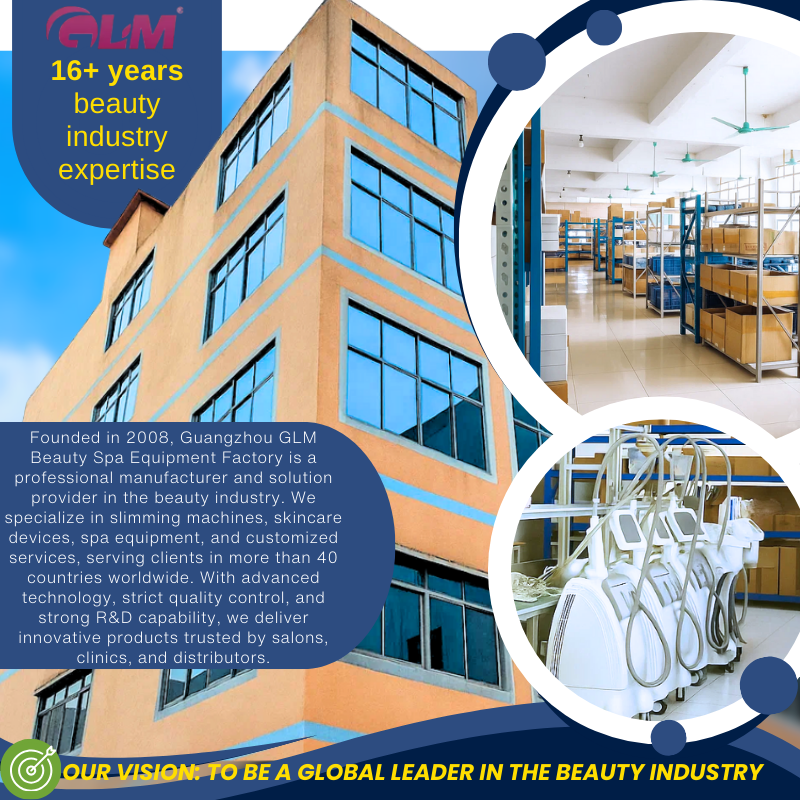
Founded in 2008, Guangzhou GLM Beauty Spa Equipment Factory specializes in research, development, manufacture and selling of beauty and slimming machines. Our production base is located in Guangzhou City, Guangdong Province, China. Since our foundation, we have introduced advanced technologies and equipment, to assure high quality and high performance of our products. With professional marketing guide and excellent after-sales service, our products have been exported to over 20 countries and regions, including Southeast Asia, the Middle East, Europe and the United States, won worldwide praises and gained a good reputation