
Introduction
Healthy hair begins with a healthy scalp, yet scalp health is often overlooked until visible symptoms appear. Issues such as excessive oil production, dandruff, dryness, follicle congestion, thinning hair, and scalp sensitivity frequently develop gradually, making them difficult to evaluate through visual observation alone. For professional salons, aesthetic clinics, dermatology centers, and hair restoration practices, relying solely on experience may limit the accuracy of consultations and treatment planning.
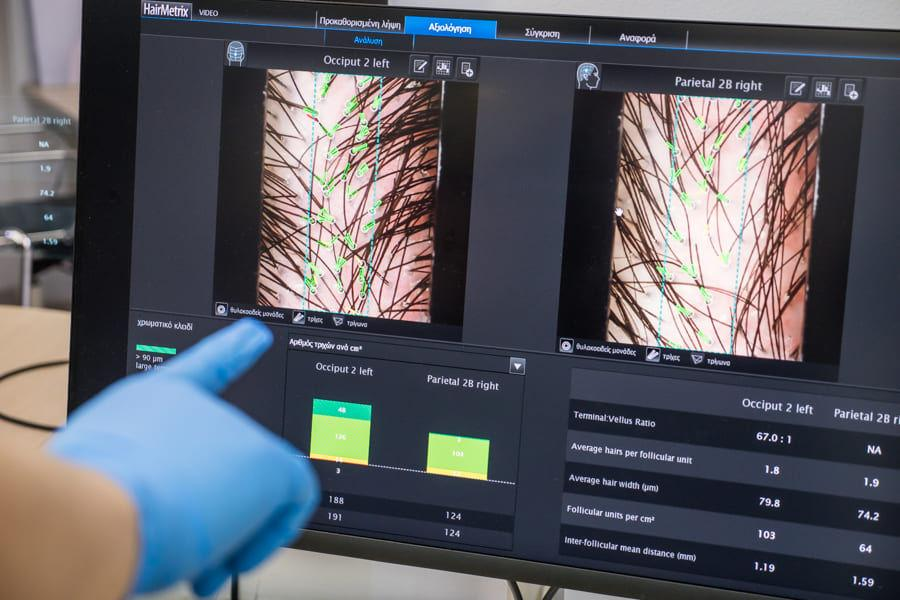
This challenge has driven the adoption of Digital Scalp Analysis Systems, advanced imaging devices designed to provide detailed visual assessments of the scalp and hair. By combining high-resolution cameras, multiple magnification levels, specialized lighting technologies, and intelligent software, these systems enable professionals to examine scalp conditions far beyond what the naked eye can detect.
Unlike traditional consultation methods, digital scalp analysis transforms subjective observations into objective visual evidence. Clients can clearly see their scalp condition in real time, making consultations more transparent, educational, and persuasive. This visual communication helps improve client understanding while allowing practitioners to recommend suitable treatments with greater confidence.
As professional hair care increasingly shifts toward personalized treatment plans, digital scalp analysis has become an essential first step rather than an optional service. Whether integrated into routine scalp care programs, hair loss consultations, or advanced trichology assessments, these systems help establish a scientific foundation for every treatment journey.
This article explores how Digital Scalp Analysis Systems work, the technologies behind them, their advantages over conventional assessment methods, and why they have become valuable tools for modern beauty clinics and professional hair care providers.
Background: Why Traditional Scalp Evaluation Is No Longer Enough
The global demand for scalp health services has grown significantly in recent years. Environmental pollution, stress, lifestyle changes, chemical treatments, and aging all contribute to an increasing number of clients seeking professional solutions for scalp discomfort and hair concerns.
However, diagnosing scalp conditions is not always straightforward.
Many scalp issues present similar symptoms. For example:
- Dry scalp and dandruff may appear visually similar but require completely different treatment approaches.
- Excessive oil production can coexist with scalp dehydration.
- Hair thinning may result from follicle miniaturization, inflammation, nutritional factors, or mechanical damage.
- Scalp redness may indicate irritation, allergic reactions, sensitivity, or early inflammation.
Without magnified imaging, these subtle differences are often difficult to distinguish accurately.
Traditionally, practitioners relied on:
- Visual inspection
- Manual scalp examination
- Client questionnaires
- Personal experience
While these methods remain valuable, they are inherently subjective. Two practitioners may interpret the same scalp condition differently, leading to inconsistent recommendations and making it more difficult to monitor treatment progress over time.
Modern consumers also expect greater transparency. Clients increasingly want evidence to support treatment recommendations rather than relying solely on verbal explanations. Showing a magnified image of clogged follicles, excessive sebum, or scalp inflammation creates a clearer understanding of why a particular treatment is recommended.
Digital scalp analysis addresses these challenges by providing standardized, repeatable imaging that enhances both diagnosis and client communication.
Another important consideration is treatment tracking. Professional scalp care programs often span several weeks or months. Without documented baseline images, it can be difficult for clients to recognize gradual improvements. Digital analysis systems allow practitioners to capture images before, during, and after treatment, creating visual records that demonstrate measurable progress and reinforce client confidence.
For clinics and salons offering premium scalp treatments, this capability also supports long-term client relationships. Rather than delivering a one-time service, practitioners can develop customized care plans based on ongoing assessments, encouraging regular follow-up visits and personalized treatment adjustments.
As the professional beauty industry continues to embrace evidence-based consultations, Digital Scalp Analysis Systems are becoming indispensable tools that combine scientific assessment with an enhanced client experience
Technology / Mechanism: How Digital Scalp Analysis Systems Work
A Digital Scalp Analysis System is far more than a simple magnifying camera. It is an integrated diagnostic platform designed to capture detailed scalp and hair images, organize examination data, and assist professionals in making informed treatment recommendations. Modern systems combine precision optics, intelligent imaging, and software analysis to create a comprehensive view of scalp health.
High-Resolution Imaging for Detailed Observation
The foundation of any scalp analysis system is its imaging capability. Professional-grade devices typically feature high-definition or ultra-high-definition cameras capable of capturing microscopic details of both the scalp surface and individual hair shafts.
Compared with standard photography, these cameras reveal details such as:
- Hair follicle openings
- Sebum accumulation
- Keratin buildup
- Scalp redness
- Flaking patterns
- Hair shaft thickness
- Broken or damaged hairs
- Follicle density
The higher the image quality, the easier it becomes for practitioners to distinguish subtle differences that may influence treatment planning.
Industrial-grade imaging sensors also produce clearer images with better color accuracy, allowing consistent evaluations across multiple sessions.
Multiple Magnification Levels
Different scalp concerns require different viewing perspectives.
Most professional Digital Scalp Analysis Systems offer multiple magnification options, allowing operators to switch between broader scalp observation and close-up follicle inspection.
Lower magnification is useful for:
- Overall scalp condition
- Hair distribution
- Treatment area selection
Higher magnification enables examination of:
- Individual follicles
- Sebum plugs
- Hair shaft diameter
- Follicular blockage
- Early miniaturization
- Skin texture
This flexibility allows practitioners to perform both general consultations and detailed clinical assessments using a single device.
Multi-Spectral Lighting Technology
Lighting plays a critical role in scalp imaging. A standard white LED may not reveal every detail, especially when excessive oil, pigmentation, or inflammation is present.
Many advanced systems incorporate multiple lighting modes, including:
White Light
White light provides the most natural representation of the scalp and is commonly used during routine examinations. It accurately displays hair density, scaling, and overall scalp appearance.
Polarized Light
Polarized illumination minimizes surface reflections caused by oil or moisture, making deeper skin structures easier to observe.
This mode is particularly useful for identifying:
- Mild inflammation
- Vascular changes
- Sensitive scalp conditions
- Hidden redness
UV or Specialized Spectral Lighting
Some professional systems include ultraviolet or other specialized spectral illumination to reveal features that may not be visible under normal lighting.
These lighting modes can assist in identifying:
- Excessive oil accumulation
- Product residue
- Certain microbial activity indicators
- Pigmentation irregularities
Using multiple lighting options provides practitioners with a more comprehensive understanding of scalp health rather than relying on a single visual perspective.
Intelligent Image Management Software
The hardware captures images, but software transforms those images into practical clinical information.
Modern Digital Scalp Analysis Systems often include professional software that allows practitioners to:
- Save client records
- Organize examination history
- Compare images over time
- Generate consultation reports
- Document treatment progress
- Export reports for client education
Some advanced platforms also include AI-assisted analysis features capable of automatically identifying potential scalp concerns based on image characteristics.
It is important to note that these intelligent tools are designed to support professional decision-making—not replace clinical expertise. Experienced practitioners remain responsible for interpreting findings within the context of each client's history, symptoms, and treatment goals.
Real-Time Display Improves Client Communication
One of the greatest strengths of digital scalp analysis is its ability to transform invisible problems into visible evidence.
Instead of simply telling a client that their follicles are congested or that excess sebum is contributing to scalp discomfort, practitioners can display live images on a monitor, allowing clients to observe the condition firsthand.
This visual approach offers several benefits:
- Builds trust through transparency
- Improves client understanding
- Makes technical explanations easier to follow
- Supports personalized treatment recommendations
- Encourages greater client participation in long-term care
Many clinics find that clients are more likely to follow treatment plans and purchase recommended professional services when they clearly understand the condition being addressed.
Advantages Compared with Traditional Scalp Assessment
While experienced professionals can identify many scalp conditions through observation and consultation, Digital Scalp Analysis Systems introduce a level of precision, consistency, and documentation that traditional methods cannot easily achieve.
Objective Rather Than Subjective Evaluation
Conventional consultations often depend heavily on the practitioner's personal experience and visual judgment.
Digital imaging provides objective visual records that can be reviewed, compared, and discussed with clients, reducing inconsistencies between consultations.
More Accurate Treatment Planning
Professional scalp treatments—including deep cleansing, hydration therapy, LED light therapy, oxygen infusion, electroporation, scalp exfoliation, and hair growth programs—are most effective when matched to the client's actual scalp condition.
A digital analysis allows practitioners to select treatments based on observable evidence instead of assumptions, leading to more targeted and personalized care.
For example:
- A client with oily scalp and follicular congestion may benefit from intensive cleansing protocols.
- A client with dryness and barrier impairment may require soothing and hydrating treatments.
- Early signs of hair miniaturization may indicate the need for preventive scalp management and ongoing monitoring.
Accurate assessment reduces unnecessary treatments while helping improve overall treatment outcomes.
Better Documentation and Progress Tracking
Professional scalp care is rarely completed in a single visit.
Digital records allow practitioners to compare baseline images with follow-up examinations, making gradual improvements easier to identify.
This visual documentation benefits both practitioners and clients by demonstrating measurable progress and supporting long-term treatment planning.
For salons and clinics offering membership programs or multi-session treatment packages, before-and-after imaging also strengthens client confidence and enhances service value.
Enhanced Professional Image
Integrating advanced diagnostic technology into the consultation process reflects a higher standard of professionalism.
Clients often associate digital imaging systems with scientific, evidence-based care. A comprehensive scalp assessment performed before treatment helps distinguish professional clinics from businesses that rely solely on visual observation or generic recommendations.
In an increasingly competitive aesthetic market, this added level of credibility can improve client satisfaction, encourage repeat visits, and reinforce a clinic's reputation for delivering personalized care
Applications / Client Needs: Where Digital Scalp Analysis Systems Create the Greatest Value
As consumer awareness of scalp health continues to grow, professional consultations have evolved from simple visual inspections into comprehensive diagnostic services. A Digital Scalp Analysis System is no longer limited to identifying scalp problems—it has become an essential consultation tool that enhances treatment planning, client education, and long-term service management.
Professional Beauty Salons
Many premium beauty salons now offer scalp care alongside traditional facial treatments. A digital scalp analysis performed before the first treatment provides a clear understanding of the client's scalp condition and allows therapists to recommend services based on objective findings.
Typical applications include:
- Deep scalp cleansing programs
- Oil-control treatments
- Hydrating scalp therapies
- Sensitive scalp care
- Anti-dandruff protocols
- Preventive scalp maintenance
Rather than applying the same treatment to every client, therapists can tailor each session according to individual scalp conditions, improving both treatment effectiveness and customer satisfaction.
Hair Restoration Clinics
For clinics specializing in hair loss management, scalp analysis is often the starting point of every consultation.
High-resolution imaging helps practitioners evaluate:
- Hair follicle density
- Hair shaft diameter
- Early follicle miniaturization
- Scalp inflammation
- Sebum accumulation
- Overall scalp environment
These observations provide valuable baseline information before initiating hair restoration programs.
Throughout the treatment process, periodic imaging allows both practitioners and clients to monitor changes over time. Even gradual improvements become easier to recognize when compared with documented baseline images, increasing confidence in long-term treatment plans.
Dermatology and Aesthetic Clinics
Digital scalp analysis also complements dermatological consultations.
Although it does not replace medical diagnosis, it serves as an effective visual assessment tool that supports communication between practitioners and patients.
For aesthetic clinics offering comprehensive skin and scalp wellness programs, integrating scalp imaging creates a more holistic consultation experience. Since scalp health is closely connected with overall skin health, many clinics now evaluate both during the same appointment to deliver more personalized care.
Hair Care Product Consultations
Professional salons increasingly recommend shampoos, scalp serums, exfoliating products, and home-care routines based on each client's scalp condition.
Rather than relying solely on subjective descriptions such as "my scalp feels oily" or "my hair seems thinner," practitioners can use magnified images to explain the underlying condition.
This evidence-based consultation approach helps clients better understand why certain products are recommended and improves adherence to professional home-care routines.
Educational Demonstrations and Client Engagement
One often-overlooked advantage of Digital Scalp Analysis Systems is their educational value.
Displaying live images on a monitor transforms the consultation into an interactive experience. Clients can immediately observe clogged follicles, excess sebum, dry skin flakes, or areas of reduced hair density that would otherwise remain invisible.
This visual engagement offers several benefits:
- Makes technical explanations easier to understand
- Increases client trust through transparency
- Encourages active participation in treatment planning
- Improves acceptance of recommended services
- Enhances the overall consultation experience
For many clinics, digital scalp analysis becomes not only a diagnostic procedure but also an important communication tool that strengthens long-term client relationships.
Choosing the Right Digital Scalp Analysis System
Not all scalp analysis devices deliver the same level of performance. For professional salons, aesthetic clinics, distributors, and equipment buyers, selecting the right system involves more than comparing camera specifications.
Key factors to consider include:
Image Resolution
Higher-resolution cameras capture finer details of the scalp surface, follicles, and hair shafts, providing more reliable visual information during consultations.
Multiple Magnification Options
Systems offering a range of magnification levels allow practitioners to evaluate both the overall scalp condition and microscopic follicular details without changing equipment.
Multi-Spectral Lighting
Professional devices equipped with white light, polarized light, and additional spectral lighting modes provide a more comprehensive view of scalp conditions under different examination environments.
User-Friendly Software
Efficient client management software should support image storage, historical comparisons, report generation, and easy retrieval of consultation records. An intuitive interface reduces training time and improves workflow efficiency.
Stable Hardware Design
Industrial-grade cameras, durable housings, high-quality optics, and reliable connectivity contribute to consistent performance in busy clinical environments where equipment is used throughout the day.
Integration with Professional Services
The most valuable systems are those that integrate seamlessly into existing consultation and treatment workflows, enabling practitioners to combine scalp analysis with cleansing, hydration, LED therapy, electroporation, or other advanced scalp treatments.
Conclusion
As professional scalp care becomes increasingly personalized and evidence-based, Digital Scalp Analysis Systems have evolved into indispensable tools for salons, aesthetic clinics, dermatology centers, and hair restoration practices.
By combining high-resolution imaging, multiple magnification levels, advanced lighting technologies, and intelligent software, these systems provide a deeper understanding of scalp health than traditional visual assessments alone.
More importantly, digital scalp analysis bridges the gap between professional expertise and client understanding. Instead of relying solely on verbal explanations, practitioners can present clear visual evidence, helping clients better understand their scalp condition and actively participate in treatment decisions.
For beauty professionals, the technology supports more accurate consultations, customized treatment planning, progress tracking, and stronger client relationships. For equipment distributors and manufacturers, it represents an opportunity to deliver greater value through precision diagnostics rather than simply adding another device to a treatment room.
As the demand for scientific, personalized, and results-oriented scalp care continues to grow, investing in a professional Digital Scalp Analysis System is not only an upgrade in equipment—it is an investment in higher consultation standards, improved treatment outcomes, and long-term business development
Founded in 2008, Guangzhou GLM Beauty Spa Equipment Factory specializes in research, development, manufacture and selling of beauty and slimming machines. Our production base is located in Guangzhou City, Guangdong Province, China. Since our foundation, we have introduced advanced technologies and equipment, to assure high quality and high performance of our products. With professional marketing guide and excellent after-sales service, our products have been exported to over 20 countries and regions, including Southeast Asia, the Middle East, Europe and the United States, won worldwide praises and gained a good reputation