
Introduction
The aesthetics industry is evolving rapidly, driven by innovations in non-invasive technologies such as cryolipolysis, cavitation, radiofrequency, and laser-based body shaping. Alongside the rise in demand for safe and effective treatments, professionals face increasing pressure to differentiate themselves. Clients no longer seek services based on equipment alone—they also value knowledge, expertise, and professional credentials. This is where certification programs, like those offered by the Body Contouring Academy, play a crucial role.
Background: Why Certification Matters
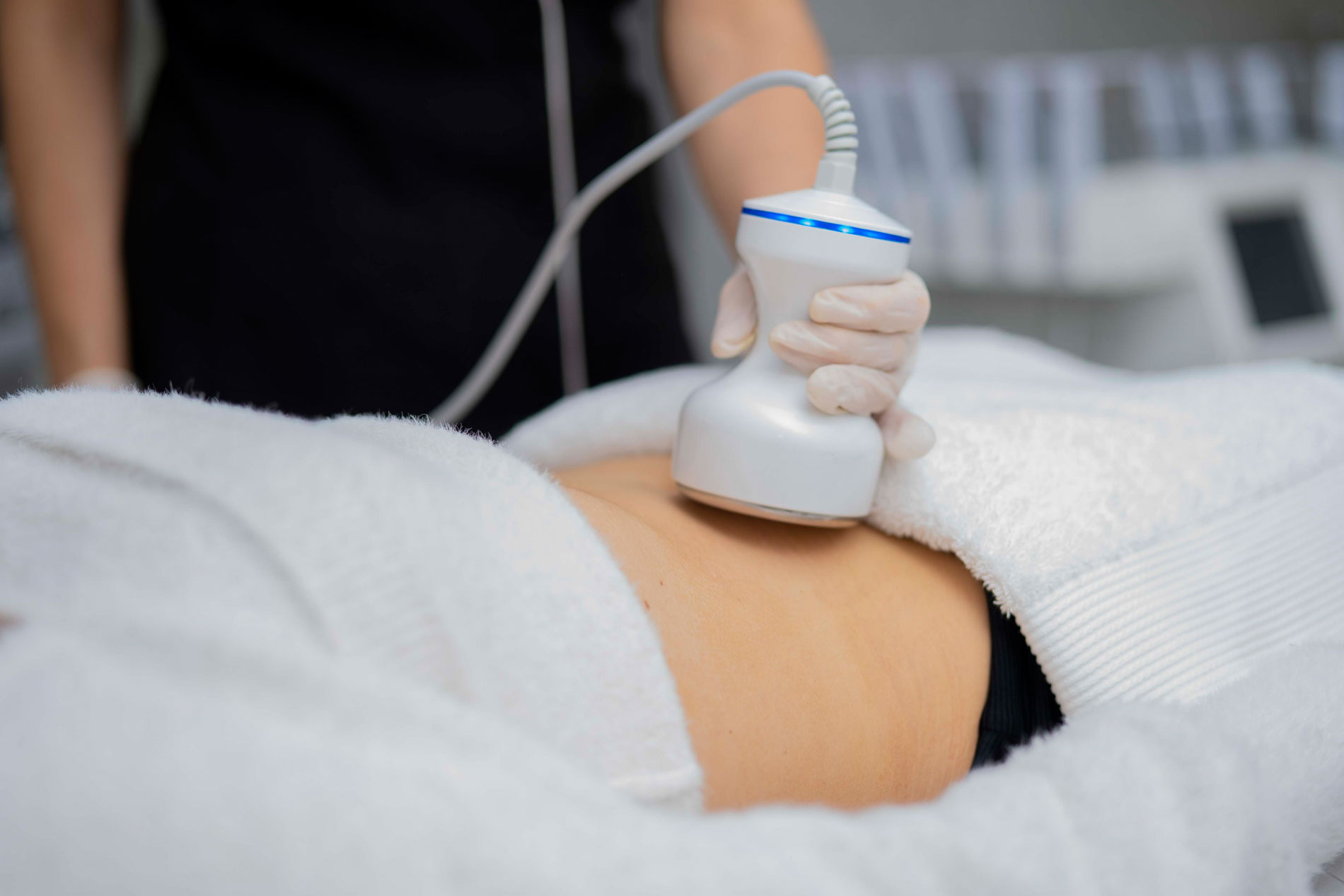
Traditionally, many beauty professionals entered the field through apprenticeships or informal training. While practical experience remains valuable, today’s competitive environment requires more formal recognition. Clients often ask questions such as:
-
“How do I know the treatment is safe?”
-
“What qualifications does the provider have?”
-
“Can this professional handle complications?”
Certification addresses these concerns by establishing standardized education, setting professional benchmarks, and reinforcing trust between providers and clients.
The Science of Body Contouring

Modern body contouring relies on a combination of physics and physiology. Key technologies include:
-
Cryolipolysis: Controlled cooling induces apoptosis of fat cells, which are naturally eliminated by the body.
-
Ultrasound Cavitation: Low-frequency waves disrupt fat cell membranes, reducing localized adiposity.
-
Radiofrequency (RF): Heat stimulates collagen remodeling while shrinking fat cells.
-
Laser Lipolysis: Specific wavelengths target subcutaneous fat with precision.
Without proper training, misuse of these devices can lead to burns, ineffective results, or dissatisfied clients. Certification ensures professionals understand both the mechanisms and safe application of each technology.
Advantages of Certification from the Body Contouring Academy
-
Standardized Knowledge: Provides comprehensive training on multiple technologies, from device operation to treatment planning.
-
Credibility and Trust: Certified professionals stand out in a crowded market by showing commitment to safe, evidence-based practice.
-
Client Confidence: Patients are more likely to book sessions with practitioners who can demonstrate recognized qualifications.
-
Career Growth: Certification opens pathways to higher-paying positions, advanced training, and leadership opportunities.
-
Networking and Community: Joining a certified community fosters collaboration and continuous learning.
Application Scenarios and Client Needs
-
For Clinics: Hiring certified staff enhances reputation, reduces liability, and improves client retention.
-
For Solo Practitioners: Certification provides a competitive edge against larger establishments by highlighting professional credibility.
-
For Clients: Choosing a certified provider ensures safety, consistent results, and peace of mind.
Market Trends
The global body contouring market is expected to grow steadily, fueled by rising demand for non-surgical fat reduction and skin tightening. As more clients seek medically informed treatments, certification becomes not just an advantage but a necessity. Countries like the U.S. and European nations are also moving toward stricter regulation of aesthetic services, further reinforcing the importance of formal training.
Conclusion
Certification from the Body Contouring Academy is more than a credential—it is a gateway to professional growth, client trust, and long-term success in aesthetics. In an industry where both technology and client expectations are advancing quickly, structured education and certification ensure that providers remain competent, credible, and competitive.