

Unlocking the Secrets of Ultrasonic Cavitation: How to Effectively Burn Fat
Are you tired of battling stubborn fat that just won't budge, no matter how hard you work out or diet? If so, then ultrasonic cavitation might be the solution you've been looking for. This innovative technology has gained popularity in recent years as an effective way to burn fat and achieve a more sculpted body. In this article, we will explore how ultrasonic cavitation works and uncover the secrets behind its fat-busting capabilities.
Expanding upon the concept of Ultrasonic Cavitation, let's delve deeper into its scientific principles, benefits, procedure steps, safety considerations, and how it compares to other fat reduction methods.
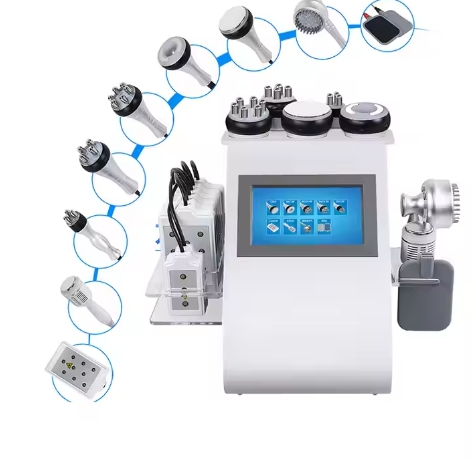
Scientific Principles
Ultrasonic cavitation leverages the power of high-intensity focused ultrasound (HIFU) technology, but with a specific frequency range tailored for fat reduction. HIFU involves delivering acoustic energy in the form of sound waves that are above the audible range of human hearing (typically 20 kHz and above). In the context of fat reduction, these waves are specifically designed to be low-frequency, allowing them to penetrate deeper into the skin layers without causing harm to the overlying tissues.
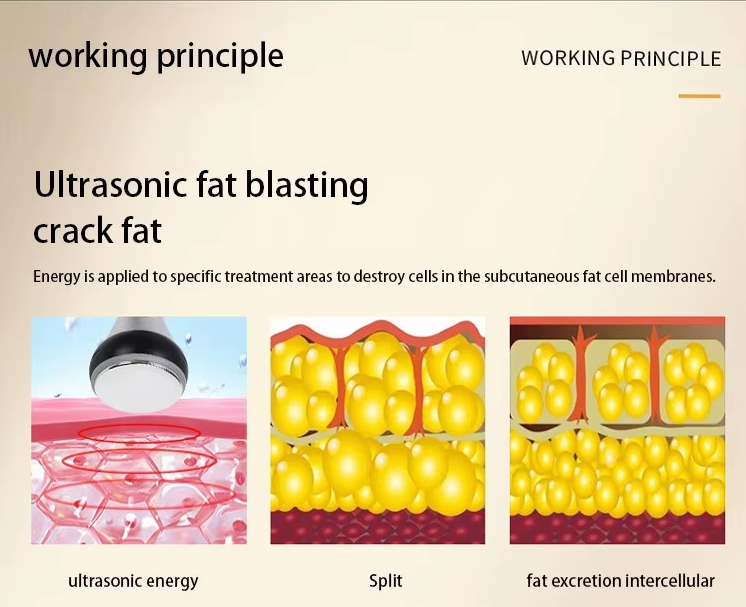
As the ultrasonic waves propagate through the skin and into the adipose (fat) tissue, they create a phenomenon known as cavitation. This occurs when the energy from the sound waves interacts with the liquid inside fat cells, causing the formation of tiny, microscopic bubbles. These bubbles rapidly expand and contract due to the alternating pressure patterns of the sound waves, creating a mechanical force that disrupts the integrity of the fat cell membranes.
Procedure Steps
-
Consultation: Prior to the treatment, a consultation with a healthcare professional is essential to assess suitability, discuss expectations, and determine the most appropriate treatment plan.
-
Preparation: The targeted area is cleaned and prepared, often with a gel or lubricant to enhance the transmission of the ultrasonic waves.
-
Application of Ultrasonic Waves: The cavitation machine is positioned over the desired area, and the low-frequency sound waves are emitted and focused on the fat tissue. The duration and intensity of the treatment are adjusted based on individual needs and treatment goals.
-
Fat Cell Breakdown: As the cavitation process occurs, the fat cells rupture, releasing triglycerides and other components into the interstitial fluid surrounding the cells.
-
Natural Elimination: Over time, the body's lymphatic system and metabolism work together to process and eliminate these fatty acids and glycerol molecules through normal metabolic pathways.
-
Post-Treatment Care: Patients may be advised to follow a healthy diet and exercise routine to optimize results and maintain long-term fat reduction.
Benefits
- Non-Invasive: Compared to surgical procedures, ultrasonic cavitation is a non-invasive alternative with minimal downtime.
- Targeted Fat Reduction: It allows for precise treatment of specific areas with stubborn fat deposits.
- Faster Results: While results vary, many patients report noticeable improvements after a series of treatments.
- Enhances Skin Tone: As the fat cells break down, some patients also notice an improvement in skin texture and tone due to increased collagen production stimulated by the ultrasound waves.
Safety Considerations
- Professional Supervision: It's crucial to undergo ultrasonic cavitation under the supervision of a qualified healthcare professional to ensure safety and effectiveness.
- Contraindications: Pregnant women, individuals with certain medical conditions, or those with metal implants in the treatment area should avoid this procedure.
- Post-Treatment Symptoms: Mild discomfort, redness, or bruising may occur but typically resolve quickly.
Comparison to Other Methods
Ultrasonic cavitation stands apart from other fat reduction methods such as liposuction, which is a surgical procedure involving the removal of fat cells through suction. While liposuction can provide dramatic results, it requires anesthesia, has a longer recovery time, and may involve more risks and complications. In contrast, ultrasonic cavitation offers a less invasive, outpatient option with minimal downtime.
Other non-invasive alternatives like coolsculpting (cryolipolysis) and laser lipolysis also target fat reduction but use different mechanisms—cooling or laser energy, respectively—to achieve their effects. Each method has its unique advantages and may be more suitable for certain individuals or areas of the body.
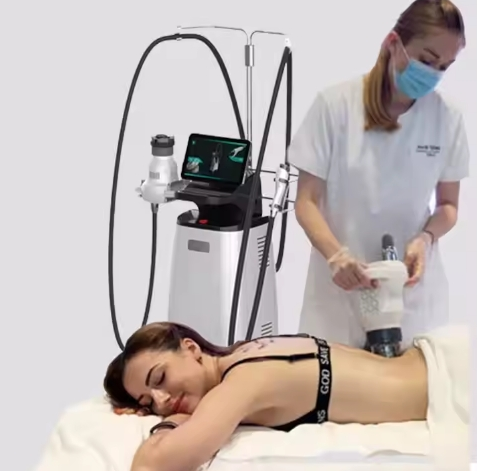
Delving deeper into the intricate science behind ultrasonic cavitation as a fat-burning technique, we uncover a sophisticated process that harnesses the power of sound waves to target and eliminate stubborn fat deposits. This non-invasive approach revolutionizes the landscape of body contouring and weight management, offering individuals a safe and effective alternative to traditional methods.
The Anatomy of Fat Cells
Fat cells, also known as adipocytes, are specialized cells within the body that are primarily responsible for storing energy in the form of triglycerides. When our calorie intake exceeds our energy expenditure, these cells expand by accumulating more triglycerides, contributing to weight gain. The distribution of fat cells varies from person to person, with some areas, such as the abdomen, hips, and thighs, being more prone to fat accumulation.
The Limitations of Traditional Weight Loss Methods
Dietary modifications and regular exercise are cornerstones of any weight loss program. While they can effectively reduce the size of fat cells by encouraging the body to utilize stored energy, they often struggle to target specific areas of fat accumulation or eliminate fat cells altogether. This is because these methods work on a systemic level, affecting the entire body rather than pinpointing specific fat deposits.
The Mechanism of Ultrasonic Cavitation
Ultrasonic cavitation technology leverages high-frequency sound waves, typically in the range of 20,000 to 40,000 Hz (well above human hearing range), to target and disrupt fat cells. Here's a step-by-step breakdown of the process:
-
Focused Energy Delivery: The ultrasound transducer, a key component of the cavitation device, emits targeted sound waves that penetrate the skin and reach the underlying fat layer.
-
Cellular Vibration: As the sound waves hit the fat cells, they cause them to vibrate vigorously at a high frequency. This rapid movement generates two primary effects: heat and pressure.
-
Microbubble Formation: The combination of heat and pressure creates microbubbles within the fat cells. These microbubbles expand and contract rapidly, further disrupting the integrity of the cell membrane.
-
Cell Membrane Breakdown: The continuous stress on the fat cell membrane eventually leads to its breakdown, allowing the stored triglycerides to escape into the interstitial fluid surrounding the cells.
-
Natural Elimination: Once released, the triglycerides are gradually metabolized by the body and eliminated through the lymphatic system (which drains excess fluid and waste products from tissues) and, to a lesser extent, the urinary system.
-
Permanent Results: It's important to note that the destroyed fat cells cannot regenerate. Therefore, the reduction in fat mass achieved through ultrasonic cavitation is generally long-lasting, provided that the individual maintains a healthy lifestyle.
Safety and Efficacy
Ultrasonic cavitation is generally considered a safe and effective procedure, with minimal downtime and side effects. However, it's crucial to consult with a qualified healthcare professional before undergoing any treatment to ensure it's suitable for your individual needs and health status. Moreover, while ultrasonic cavitation can help reduce localized fat deposits, it should be viewed as a complementary tool to a balanced diet and regular exercise for overall weight management and health improvement.
Certainly, let's delve deeper into the numerous benefits of ultrasonic cavitation as a fat reduction treatment, highlighting its non-invasive nature, targeted approach, and positive effects on skin health.
Non-Invasive Procedure
One of the primary allures of ultrasonic cavitation lies in its non-invasive nature. This means that patients undergo the treatment without the need for surgical incisions, anesthesia, or overnight stays in a hospital. The absence of incisions significantly reduces the risk of infection, scarring, and other complications commonly associated with surgical procedures like liposuction. Furthermore, the non-invasive aspect of ultrasonic cavitation translates into minimal downtime and quicker recovery, allowing patients to resume their daily activities almost immediately after the treatment.
Targeted Fat Reduction
Ultrasonic cavitation excels in its ability to target specific areas of fat accumulation. Unlike traditional weight loss methods, which often lead to a generalized reduction in body fat, this technology allows for precise and localized fat reduction. Whether it's stubborn fat on the abdomen, love handles, thighs, or arms, ultrasonic cavitation can effectively target these areas, resulting in a more sculpted and contoured physique. This targeted approach is highly sought after by individuals who are looking to address specific body concerns and enhance their overall appearance.
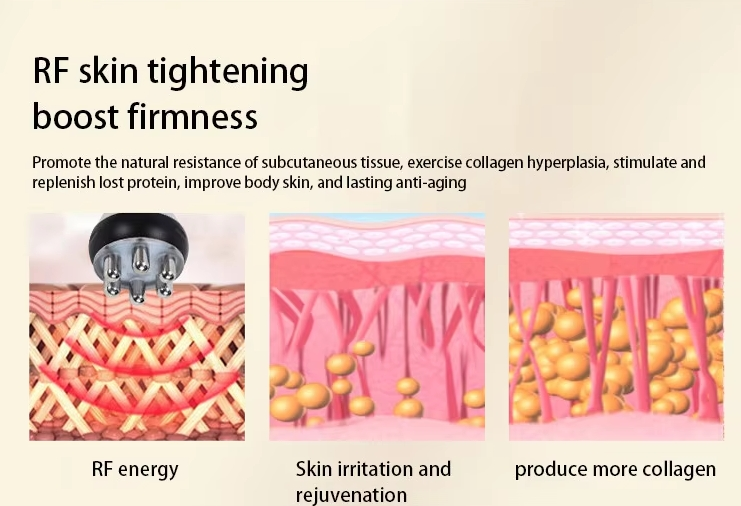
Boosts Collagen Production
Beyond its fat reduction capabilities, ultrasonic cavitation also has a positive impact on skin health. During the treatment, the high-frequency sound waves not only disrupt fat cells but also stimulate collagen production in the skin. Collagen is a vital protein that provides structure and support to the skin, contributing to its elasticity, firmness, and youthful appearance. As we age, collagen production naturally declines, leading to skin laxity, wrinkles, and fine lines. By promoting collagen production, ultrasonic cavitation can help reverse these signs of aging, giving the skin a smoother, tighter, and more rejuvenated look.
Enhances Skin Tone and Texture
In addition to improving skin elasticity and firmness, ultrasonic cavitation can also contribute to an overall improvement in skin tone and texture. By stimulating blood circulation and lymphatic drainage, the treatment helps to flush out toxins and other impurities from the skin, leading to a brighter, clearer complexion. Furthermore, the breakdown of fat cells and subsequent elimination of triglycerides can also reduce the appearance of cellulite, a common skin concern characterized by dimpled, lumpy skin on the thighs, hips, and buttocks.
Safe and Comfortable Experience
Another significant benefit of ultrasonic cavitation is the safety and comfort of the treatment. Most patients report feeling little to no discomfort during the procedure, which typically lasts for a few minutes to an hour, depending on the treatment area. The treatment is also generally well-tolerated by most individuals, making it a suitable option for a wide range of patients. However, it's important to consult with a qualified healthcare professional to ensure that you are a good candidate for the treatment and to address any potential concerns or questions you may have.
Certainly, let's delve deeper into the effectiveness and safety aspects of ultrasonic cavitation, providing a more comprehensive understanding of this innovative fat reduction technique.
Effectiveness
Ultrasonic cavitation has garnered significant attention in recent years due to its remarkable effectiveness in promoting fat reduction and body contouring. Extensive research and clinical studies have consistently demonstrated its ability to deliver tangible results.
- Significant Fat Loss: Patients undergoing ultrasonic cavitation treatments often report significant fat loss in targeted areas after just a few sessions. The high-frequency sound waves effectively disrupt the cell membranes of fat cells, causing them to release their stored triglycerides, which are then naturally metabolized and eliminated from the body.
- Circumference Reduction: Along with fat loss, patients also experience a reduction in the circumference of treated areas. This leads to a more sculpted and contoured physique, addressing stubborn fat deposits that may be resistant to diet and exercise alone.
- Long-Term Results: While individual results may vary, ultrasonic cavitation can provide long-lasting results when combined with a healthy lifestyle, including a balanced diet and regular exercise. By maintaining a healthy lifestyle, patients can further enhance their results and prevent future fat accumulation.
Safety
While ultrasonic cavitation is generally considered a safe and well-tolerated treatment, it's essential to approach it with caution and under the guidance of a qualified healthcare professional. Here are some key safety considerations:
- Patient Assessment: Prior to treatment, a thorough assessment should be conducted to ensure that the patient is a suitable candidate. This includes reviewing the patient's medical history, allergies, and any current medications or treatments.
- Contraindications: There are certain medical conditions that may contraindicate ultrasonic cavitation, such as bleeding disorders, certain skin conditions, and active cancer. Pregnant women should also avoid this treatment due to potential risks to the fetus.
- Qualified Practitioner: It's crucial to seek treatment from a qualified and experienced practitioner who is knowledgeable about the technology and its potential risks and benefits.
- Post-Treatment Care: Patients should follow any post-treatment instructions provided by their practitioner to minimize potential side effects and ensure optimal results. This may include avoiding strenuous activity for a certain period, using topical creams or lotions, or maintaining a healthy diet and exercise routine.
In summary, ultrasonic cavitation is an effective and relatively safe fat reduction technique that can deliver significant improvements in body shape and circumference reduction. However, it's essential to approach this treatment with caution and under the guidance of a qualified healthcare professional. By carefully assessing patient suitability, adhering to safety protocols, and following post-treatment care instructions, patients can maximize their results and minimize potential risks.
Preparing for an Ultrasonic Cavitation Session: A Comprehensive Guide
When it comes to preparing for an ultrasonic cavitation session, taking the necessary steps beforehand can significantly enhance the effectiveness of the treatment and ensure a smoother experience overall. Here's a detailed breakdown of the key preparations you should undertake to get ready for your appointment.
Hydration: The Cornerstone of Preparation
One of the most crucial aspects of preparing for an ultrasonic cavitation session is staying adequately hydrated.
- Drinking Plenty of Water: Leading up to your appointment, make sure to increase your water intake. Aim for at least eight glasses of water per day, but adjust this amount based on your individual needs, activity level, and climate. Good hydration helps improve lymphatic drainage, which is essential for the elimination of disrupted fat cells following treatment.
- Avoiding Dehydrating Beverages: Limit your consumption of caffeine and alcohol in the days leading up to your session. These substances can have a dehydrating effect on your body, hindering the treatment process and potentially reducing its effectiveness.
Diet and Exercise: Supporting Your Body's Efforts
Maintaining a healthy lifestyle through proper diet and exercise is vital for maximizing the benefits of ultrasonic cavitation.
- Healthy Diet: Eating a balanced diet rich in fruits, vegetables, whole grains, lean proteins, and healthy fats can support your body's natural fat burning capabilities. Avoid processed foods, high-sugar snacks, and excessive salt intake, as these can contribute to water retention and hinder lymphatic drainage.
- Regular Exercise: Incorporating regular exercise into your routine can boost your metabolism and enhance fat burning. Cardio activities such as running, cycling, or swimming can help elevate your heart rate and burn calories, while strength training can increase muscle mass, which burns more calories at rest.
Other Preparations to Consider
In addition to hydration and maintaining a healthy lifestyle, there are a few other steps you can take to prepare for your ultrasonic cavitation session.
- Skin Care: Avoid applying heavy creams, lotions, or oils to the treatment area on the day of your appointment. These can interfere with the effectiveness of the ultrasound waves.
- Clothing: Wear comfortable, loose-fitting clothing that will not restrict movement or irritate the treatment area after the session.
- Mental Preparation: Take some time to relax and prepare mentally for your session. Ultrasonic cavitation is a non-invasive and generally painless procedure, but being relaxed and calm can help you feel more at ease during the treatment.

Post-Treatment Care and Maintenance After Ultrasonic Cavitation: A Comprehensive Guide
Once you've completed an ultrasonic cavitation session, the journey towards achieving your desired body shape and contouring goals is not over yet. Post-treatment care and maintenance play a pivotal role in optimizing and prolonging the results you've achieved. Here's a detailed breakdown of the essential steps you should take to ensure the best outcomes.
Hydration: Flushing Out the Released Fat Cells
After the ultrasonic cavitation session, it's crucial to continue drinking plenty of water.
- Importance of Hydration: The process of ultrasonic cavitation disrupts and breaks down fat cells, which are then gradually eliminated from your body through lymphatic drainage and natural metabolic processes. Staying hydrated helps to flush out these released fat cells more effectively, accelerating the elimination process.
- Recommended Water Intake: Aim to drink at least eight glasses of water per day, but adjust this amount based on your individual needs, activity level, and climate. If you find it challenging to drink enough water, try infusing it with fruits or herbs for added flavor.
Diet: Supporting Your Body's Natural Fat Burning
Maintaining a balanced and nutritious diet is essential for supporting your body's natural fat burning process post-treatment.
- Healthy Eating Habits: Focus on consuming a variety of whole foods, including lean proteins, complex carbohydrates, healthy fats, fruits, and vegetables. Avoid processed foods, high-sugar snacks, and excessive salt intake, as these can contribute to water retention and hinder lymphatic drainage.
- Portion Control: Pay attention to portion sizes to ensure you're not consuming more calories than your body needs.
Physical Activity: Maintaining a Healthy Weight and Body Shape
Regular physical activity is vital for maintaining a healthy weight and overall body shape post-ultrasonic cavitation.
- Cardio Exercise: Incorporate cardio exercises such as running, cycling, or swimming into your routine to elevate your heart rate and burn calories. Aim for at least 150 minutes of moderate-intensity cardio per week or 75 minutes of vigorous-intensity cardio.
- Strength Training: Strength training is also important for building muscle mass, which burns more calories at rest. Include a mix of compound exercises (such as squats, deadlifts, and bench presses) and isolation exercises in your routine.
- Consistency and Variation: Consistency is key when it comes to exercise. Find activities you enjoy and make them a regular part of your lifestyle. Additionally, vary your workouts to keep your body challenged and prevent plateaus.
Other Post-Treatment Considerations
In addition to hydration, diet, and exercise, there are a few other post-treatment considerations to keep in mind.
- Skin Care: Follow any specific skin care instructions provided by your healthcare professional. This may include using gentle, non-comedogenic skincare products to avoid irritation or clogged pores.
- Massage: Some people may benefit from light massage or lymphatic drainage massage post-treatment to help stimulate lymphatic flow and aid in the elimination of released fat cells.
- Rest and Recovery: Allow your body time to rest and recover after your session. Listen to your body and take breaks when needed.
Cost Considerations and Available Options
The cost of ultrasonic cavitation treatments can vary depending on factors such as the size of the treatment area and the number of sessions required. It's essential to consult with a reputable clinic or practitioner to get accurate pricing information specific to your needs.
It's worth mentioning that there are home-use ultrasonic cavitation machines available on the market. However, professional services offered by trained and experienced practitioners may offer more reliable and effective results. Consulting with a professional allows for personalized treatment plans and expert guidance throughout the process.
Conclusion
Ultrasonic cavitation has emerged as a popular and effective fat reduction method. By understanding the science behind fat metabolism and the benefits of ultrasonic cavitation, you can make an informed decision about whether this treatment is right for you. Always consult with a professional to determine the best approach for your specific needs and goals. With the secrets of ultrasonic cavitation unlocked, a slimmer and more contoured body could be within your reach.
Call to Action
If you're interested in learning more about ultrasonic cavitation and how it can help you achieve your fat loss goals, schedule a consultation with our experienced professionals today. Your journey to a leaner and more sculpted body starts here.