Introduction
Age spots are one of the most common skin concerns among adults seeking a more youthful and even complexion. While they are generally harmless, these darkened patches can make the skin appear older, uneven, and damaged by years of sun exposure.
For beauty clinics, aesthetic centers, and skincare professionals, age spot removal remains one of the most requested skin rejuvenation treatments. Advances in aesthetic technology have transformed the way practitioners address pigmentation concerns, offering clients faster results and improved skin appearance without invasive procedures.
In this article, we will explore what age spots are, why they develop, and how modern professional aesthetic devices help practitioners effectively treat pigmentation concerns while enhancing overall skin quality.
Understanding Age Spots: What Are They?
Age spots, also known as liver spots or solar lentigines, are flat brown, gray, or black patches that typically appear on areas frequently exposed to sunlight.
Common treatment areas include:
- Face
- Forehead
- Cheeks
- Hands
- Arms
- Shoulders
- Upper chest
Although often associated with aging, age spots are primarily caused by cumulative UV exposure rather than age itself.
As skin receives years of sunlight exposure, melanin-producing cells become more active in certain areas, creating concentrated pigment deposits that appear as dark spots.
These spots often become more noticeable after the age of 40, but they can develop much earlier in individuals with extensive sun exposure.
Why Do Age Spots Develop?
1. Chronic Sun Exposure
Ultraviolet radiation stimulates melanocytes, the cells responsible for producing melanin.
Over time, repeated UV exposure causes uneven melanin distribution, resulting in visible pigmentation.
Individuals who frequently:
- Work outdoors
- Enjoy sunbathing
- Use tanning beds
- Live in sunny climates
are more likely to develop age spots.
2. Natural Aging Process
As skin ages, cellular turnover slows down.
The body's ability to evenly distribute and remove excess pigment gradually decreases, allowing dark spots to become more visible and persistent.
3. Genetic Factors
Some individuals are genetically predisposed to pigmentation issues.
Even with moderate sun exposure, they may develop age spots earlier than others.
4. Hormonal Changes
Hormonal fluctuations may contribute to pigment irregularities.
Although melasma is more directly linked to hormones, age spots can become more prominent during periods of hormonal change.
The Impact of Age Spots on Skin Appearance
Age spots may not cause discomfort, but they significantly affect perceived skin age.
Common aesthetic concerns include:
- Uneven skin tone
- Dull complexion
- Premature aging appearance
- Reduced skin confidence
- Difficulty achieving flawless makeup coverage
Many clients seeking anti-aging treatments identify pigmentation as a greater concern than wrinkles.
This is because uneven pigmentation often makes skin appear older than fine lines alone.
For this reason, pigmentation management has become a core service within modern aesthetic clinics.
How Professional Aesthetic Technologies Treat Age Spots
Unlike topical skincare products that work primarily on the skin surface, professional devices target pigment deeper within the skin.
Modern technologies focus on breaking down excess melanin while stimulating skin renewal.
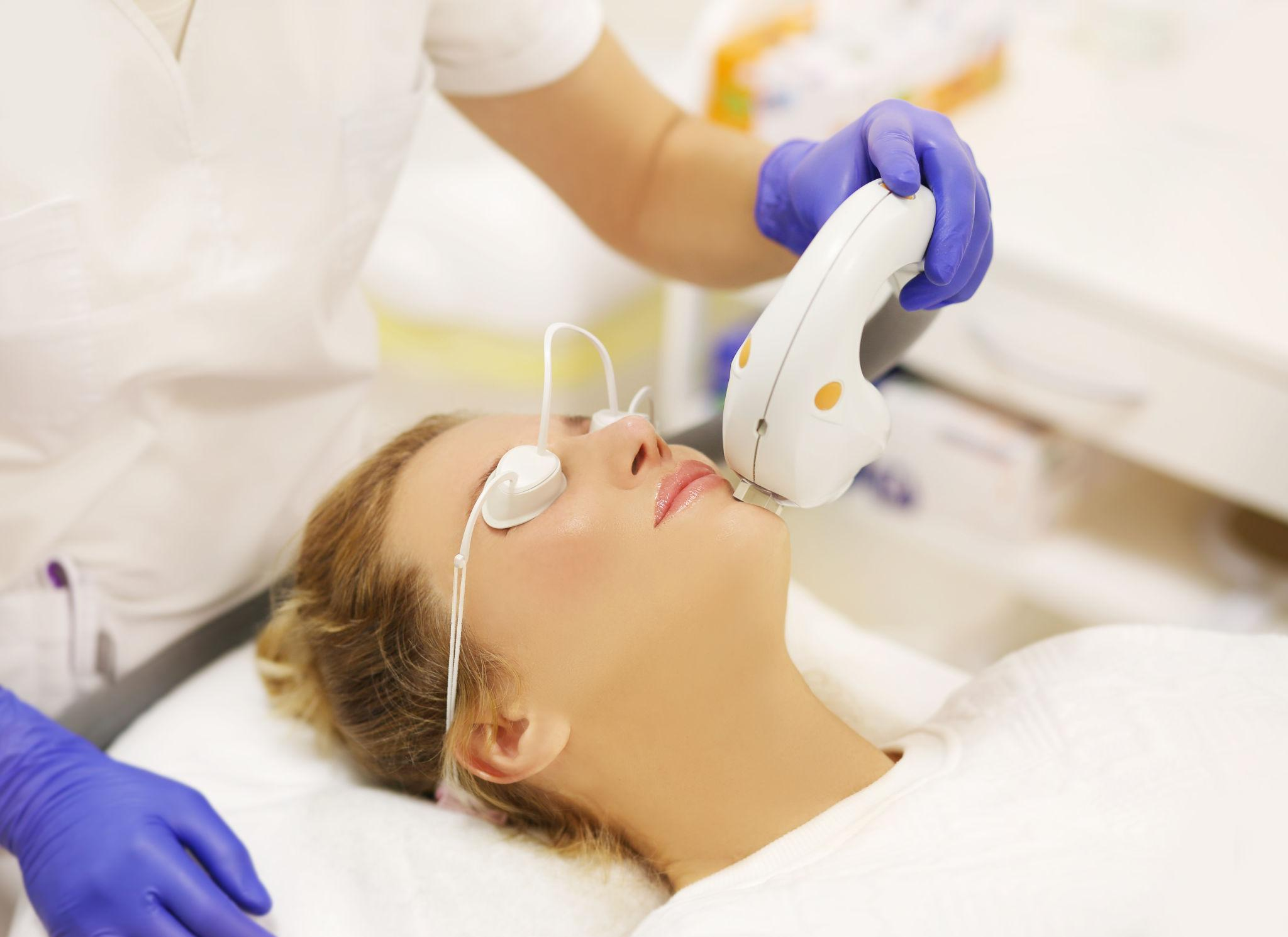
IPL (Intense Pulsed Light) Technology
IPL is among the most popular treatments for age spots.
How IPL Works
IPL delivers broad-spectrum light energy into the skin.
The excess melanin absorbs this energy and gradually breaks apart.
The body's natural processes then eliminate fragmented pigment over time.
Benefits
- Targets sun damage
- Improves skin clarity
- Treats multiple pigment spots simultaneously
- Minimal downtime
- Suitable for full-face rejuvenation
Many aesthetic clinics use IPL as a first-line treatment for mild to moderate age spots.
Q-Switched Laser Technology
Q-switched laser systems provide highly concentrated energy pulses designed specifically for pigment removal.
Mechanism
The laser selectively targets melanin without significantly affecting surrounding tissue.
The pigment shatters into microscopic particles that are naturally cleared by the body.
Advantages
- High precision
- Effective for stubborn pigmentation
- Suitable for localized treatment areas
- Faster visible improvement
This technology is commonly used in dermatology clinics and advanced aesthetic centers.
Picosecond Laser Technology
Picosecond lasers represent one of the most advanced pigmentation treatment solutions available today.
How It Differs
Unlike traditional lasers measured in nanoseconds, picosecond systems deliver energy in trillionths of a second.
This ultra-short pulse duration creates stronger photomechanical effects while reducing unnecessary heat.
Benefits
- Faster pigment fragmentation
- Improved treatment efficiency
- Reduced thermal damage
- Enhanced patient comfort
- Suitable for various pigmentation conditions
Many high-end clinics have adopted picosecond technology as a premium solution for pigmentation correction.
Fractional RF and Skin Rejuvenation Systems
While RF technologies do not directly target pigment in the same manner as lasers, they play an important supportive role.
Mechanism
Radio frequency energy stimulates:
- Collagen production
- Skin remodeling
- Improved circulation
- Cellular renewal
As healthier skin replaces damaged tissue, overall skin tone becomes more uniform.
Why Clinics Combine RF with Pigmentation Treatments
Combining RF rejuvenation with pigment-focused technologies can:
- Improve treatment outcomes
- Enhance skin texture
- Reduce signs of aging
- Increase client satisfaction
This combination approach is increasingly popular in professional aesthetic practices.
Professional Devices vs Home-Use Solutions
Many consumers initially try home remedies or handheld beauty devices before seeking professional treatment.
However, significant differences exist.
| Factor | Home Devices | Professional Equipment |
|---|---|---|
| Energy Output | Low | High |
| Treatment Depth | Superficial | Targeted Deeper Layers |
| Treatment Speed | Slow | Faster Results |
| Customization | Limited | Highly Adjustable |
| Practitioner Guidance | None | Professional Assessment |
Home devices may help maintain skin quality, but established age spots often require professional-grade energy-based treatments for meaningful improvement.
For aesthetic clinics, advanced equipment allows practitioners to tailor treatment parameters according to skin type, pigmentation depth, and client goals.
Client Needs and Ideal Treatment Scenarios
Professional pigmentation treatments are particularly suitable for clients who:
Have Visible Sun Damage
Years of UV exposure often lead to multiple pigment spots that respond well to IPL and laser treatments.
Seek Non-Invasive Anti-Aging Solutions
Many clients want noticeable improvement without surgery or extensive downtime.
Energy-based pigmentation treatments meet this demand effectively.
Want Overall Skin Rejuvenation
Pigmentation correction is frequently combined with:
- Skin tightening
- Collagen stimulation
- Texture refinement
- Pore improvement
This comprehensive approach produces more balanced and natural-looking rejuvenation results.
Require Customized Treatment Plans
No two pigmentation cases are identical.
Professional clinics can combine multiple technologies to create individualized treatment programs.
This level of customization is difficult to achieve with over-the-counter products alone.
Why Pigmentation Management Continues to Grow in the Aesthetic Industry
The global demand for non-invasive aesthetic treatments continues to rise.
Consumers increasingly seek procedures that:
- Deliver visible results
- Require minimal downtime
- Improve overall skin quality
- Support long-term anti-aging goals
Age spot treatment fits perfectly within these expectations.
As a result, clinics are investing in advanced laser systems, IPL platforms, and skin rejuvenation technologies to meet growing client demand.
For aesthetic equipment manufacturers, pigmentation treatment remains one of the most valuable and sustainable categories within the professional beauty market.
Conclusion
Age spots are a visible sign of cumulative sun exposure and skin aging, often affecting confidence and overall skin appearance. While topical skincare products can help support skin health, professional aesthetic technologies provide a far more effective solution for targeting established pigmentation.
From IPL and Q-switched lasers to advanced picosecond systems and RF-based skin rejuvenation devices, modern aesthetic clinics have access to powerful tools that address age spots while improving overall skin quality.
As clients increasingly seek non-invasive, results-driven treatments, professional pigmentation management continues to be a key growth area for beauty clinics, dermatology practices, and aesthetic equipment providers worldwide.
For practitioners, investing in advanced pigmentation treatment technologies not only enhances treatment outcomes but also expands service offerings in an increasingly competitive aesthetic market
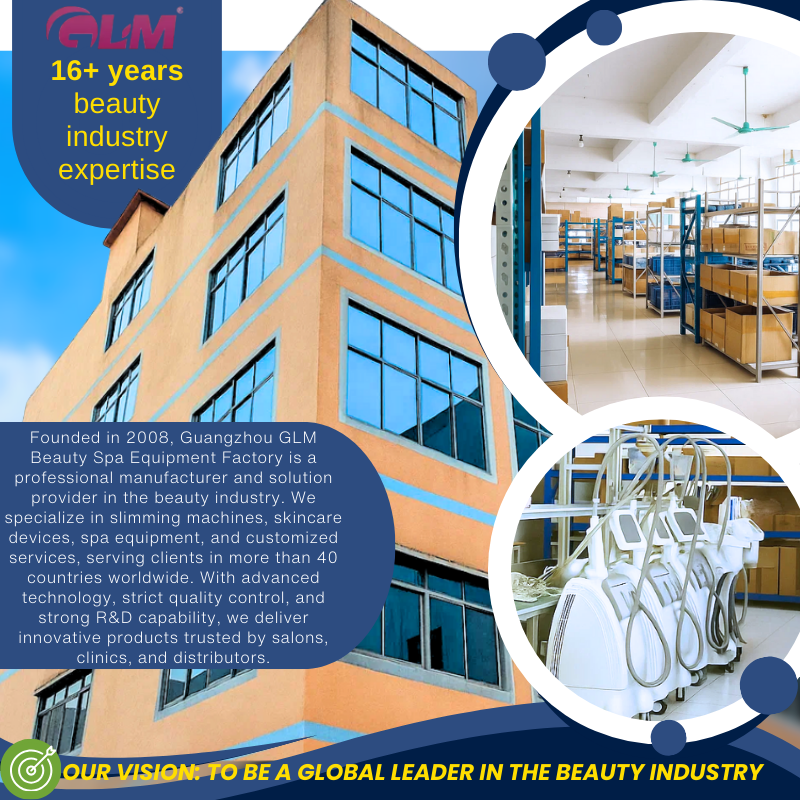
Founded in 2008, Guangzhou GLM Beauty Spa Equipment Factory specializes in research, development, manufacture and selling of beauty and slimming machines. Our production base is located in Guangzhou City, Guangdong Province, China. Since our foundation, we have introduced advanced technologies and equipment, to assure high quality and high performance of our products. With professional marketing guide and excellent after-sales service, our products have been exported to over 20 countries and regions, including Southeast Asia, the Middle East, Europe and the United States, won worldwide praises and gained a good reputation