The Comprehensive Guide to LED Light Therapy: Benefits, Science, and Practical Applications
In recent years, LED light therapy has emerged as a transformative force in the beauty and wellness industries. Initially developed by NASA for plant growth experiments and wound healing in space, this cutting-edge technology has transitioned from the exclusive domain of dermatologists and high-end spas to become a widely accessible treatment embraced by individuals seeking to rejuvenate their skin, boost healing, and enhance overall wellness. But is LED light therapy universally suitable? This comprehensive guide explores its benefits, delves into the underlying science, and provides practical insights to help you determine whether this technology-driven skincare solution aligns with your needs.
Understanding LED Light Therapy
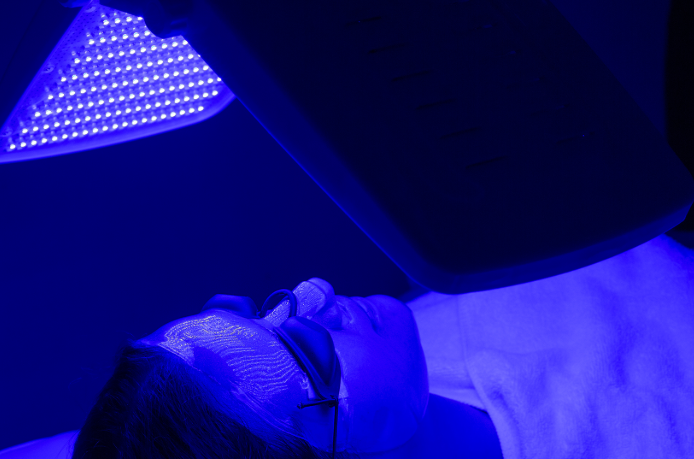
LED, or Light Emitting Diode, light therapy is a non-invasive treatment that employs specific wavelengths of light to penetrate the skin’s layers. This process involves exposing the skin to low-level light energy, which triggers natural cellular processes without causing damage or discomfort. Unlike UV light, LED therapy is pain-free and suitable for a broad spectrum of skin types, making it an inclusive option for skincare and wellness.
Types of LED Lights and Their Functions
Each wavelength of LED light serves a unique purpose, targeting specific skin concerns and promoting various therapeutic effects:
- Red Light (620–730 nm): Stimulates collagen production, supports anti-aging efforts, and reduces inflammation.
- Blue Light (405–420 nm): Targets and eliminates acne-causing bacteria, reducing breakouts and preventing future flare-ups.
- Infrared Light (700 nm+): Penetrates deeper into the skin to promote wound healing, relieve pain, and reduce muscle soreness.
- Yellow Light (570–590 nm): Enhances lymphatic drainage, reduces redness, and improves skin tone and texture.
- Green Light (495–570 nm): Calms sensitive skin, reduces hyperpigmentation, and promotes an even complexion.
Top Benefits of LED Light Therapy
LED light therapy is celebrated for its wide array of benefits, many of which are supported by robust clinical research. Below are some of its most notable advantages:
1. Improved Skin Health
-
Acne Reduction: Blue light wavelengths are particularly effective at killing Propionibacterium acnes, the bacteria responsible for acne outbreaks. Regular sessions can significantly reduce the number and severity of active blemishes, providing a non-invasive alternative to traditional acne treatments.
-
Diminished Fine Lines and Wrinkles: Red light stimulates the production of collagen and elastin, two proteins crucial for maintaining firm, youthful skin. Over time, this leads to a reduction in the appearance of fine lines and wrinkles, resulting in smoother, more resilient skin.
-
Enhanced Skin Tone and Texture: Many users report brighter, more even-toned skin after consistent LED treatments. Red light reduces inflammation and supports the repair of sun damage, while yellow light improves lymphatic function and skin clarity.
2. Accelerated Wound Healing
LED therapy promotes increased blood circulation and cellular repair, making it an effective treatment for wounds, minor burns, and scars. Infrared and red light wavelengths have been shown to speed up the body’s natural healing processes, reducing recovery time and minimizing scarring.
3. Reduced Inflammation and Redness
Many skin conditions, including rosacea, eczema, and psoriasis, benefit from the anti-inflammatory properties of certain LED wavelengths. Treatment can diminish redness, soothe sensitive skin, and provide relief without the need for harsh chemicals or medications.
4. Hair Growth Stimulation
Low-level laser light (a form of LED) is now a trusted remedy for hair thinning and loss. By increasing blood flow to the scalp and stimulating hair follicles, it can promote healthier, thicker hair growth. This makes it an attractive option for individuals experiencing androgenetic alopecia or other forms of hair loss.
5. Psychological Wellness
Beyond its skin-deep effects, LED therapy—particularly infrared and red light—has been linked to mood enhancement and relaxation. Light therapy is sometimes used as part of treatments for Seasonal Affective Disorder (SAD) and general mood elevation, offering a non-pharmacological approach to improving mental well-being.
6. Pain Management and Muscle Recovery
Infrared light therapy is widely used by athletes and active individuals to reduce muscle soreness, improve flexibility, and accelerate recovery from injuries. Its ability to penetrate deep into tissues makes it an effective tool for managing chronic pain conditions such as arthritis and fibromyalgia.
Is My Body Suitable for LED Light Therapy?
Though LED light therapy is considered safe for most people, it’s essential to assess your unique situation before beginning treatment. Below are some guidelines to help you determine your suitability:
Who Can Benefit the Most?
- Teens and Adults with Acne: Particularly those who have not responded well to topical treatments or oral medications.
- Mature Skin: Anyone seeking to reduce visible signs of aging, sun damage, or hyperpigmentation.
- Athletes and Active Individuals: Those requiring faster recovery from minor injuries, muscle fatigue, or exercise-induced inflammation.
- People with Chronic Skin Sensitivity: LED therapy is gentle enough for many who cannot tolerate other skincare treatments, such as chemical peels or microdermabrasion.
Contraindications and Cautions
While LED light therapy is generally safe, there are specific situations where caution is warranted:
- Photosensitive Conditions: Individuals with lupus, porphyria, or other light-sensitive disorders should avoid LED treatments, as they may exacerbate symptoms.
- Medications: Some medications, including certain antibiotics (e.g., tetracycline), antihistamines, and acne treatments (e.g., isotretinoin), may increase photosensitivity. Consult your healthcare provider before starting LED therapy if you are taking any of these medications.
- Pregnancy: Research on the effects of LED light therapy during pregnancy is limited. Always consult with a healthcare provider before undergoing treatment if you are pregnant or planning to become pregnant.
- Active Skin Infections or Cancer Lesions: Avoid treatment in areas affected by active infections, open wounds, or skin cancer. LED therapy should not be used as a substitute for medical treatment for these conditions.
Professional Consultation
If you have chronic health concerns, are taking medication, or are unsure about your suitability for LED light therapy, always consult a dermatologist or healthcare provider before starting treatment. A professional can evaluate your skin type, medical history, and treatment goals to determine whether LED therapy is right for you.
What to Expect During LED Light Therapy
Most LED light therapy sessions are quick, easy, and painless. Here’s what you need to know:
The Standard Process
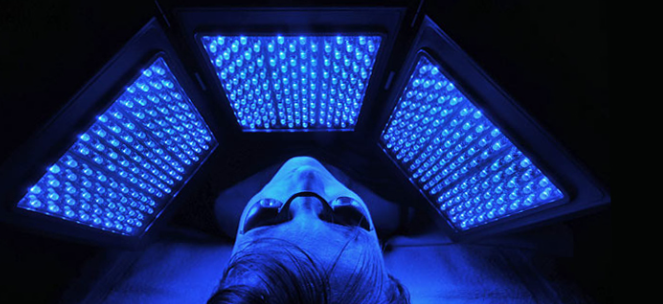
During a session, you’ll be positioned comfortably while a panel or mask emits specific wavelengths of light onto the treatment areas. Sessions typically last 15-30 minutes and require no downtime, allowing you to resume your daily activities immediately afterward.
Frequency and Maintenance
For optimal results, a series of 6-10 treatments spaced 1-2 weeks apart is usually recommended. Maintenance sessions can be continued once or twice a month, depending on your skin goals and the severity of your concerns.
Home Care
To protect your eyes during treatment, you’ll be provided with goggles or eye shields. Follow any recommended aftercare guidelines, such as gentle cleansing and moisturizing, to maximize the benefits of your sessions.
At-Home vs. Professional LED Treatments
With advances in technology, LED light therapy is now available in both clinical and at-home settings. Each option has its pros and cons, and the best choice depends on your individual needs and preferences.
Professional Treatments
- Pros:
- Higher power devices deliver more intense light, potentially yielding faster results.
- Tailored protocols designed by skincare professionals to address your specific concerns.
- Supervised sessions ensure safety and efficacy.
- Cons:
- More expensive per session than at-home treatments.
- Requires scheduling in-office appointments, which may be inconvenient for some.
At-Home Devices
- Pros:
- Convenient and cost-effective in the long run, especially for maintenance treatments.
- Allows for flexible scheduling and privacy.
- Easy to incorporate into your existing skincare routine.
- Cons:
- Lower light intensity may require more frequent use to see results.
- Safety and efficacy can vary by device, so it’s essential to choose a reputable brand.
- Lack of professional supervision means you must follow instructions carefully to avoid misuse.
Tips for Safe Home Use
- Choose FDA-cleared devices from reputable brands to ensure safety and efficacy.
- Follow the manufacturer’s instructions precisely, including recommended session duration and frequency.
- Do not use the device longer or more often than recommended, as this can lead to adverse effects.
- Consult a dermatologist or healthcare provider if you have any concerns or questions about using an at-home LED device.
Frequently Asked Questions
Is LED light therapy painful?
No, LED light therapy is non-invasive and painless. Most users feel little to no sensation during treatment, though some report a gentle warmth or tingling sensation.
Are there any side effects?
Mild redness or sensitivity can occasionally occur but typically resolves within hours. Eye protection is essential during the session to prevent potential damage from light exposure.
How soon are results visible?
Some individuals see improvement after 2-3 sessions, but optimal results often appear after a full course of treatments over several weeks. Consistency is key to achieving and maintaining results.
Can all skin types use LED light therapy?
Yes, LED light therapy is safe for all skin tones and types when used appropriately and according to guidelines. However, individuals with photosensitive conditions or those taking photosensitizing medications should exercise caution.
Conclusion
LED light therapy is a safe, versatile, and effective option for those seeking to improve skin health, accelerate healing, and enhance overall wellness. Its range of light wavelengths offers targeted solutions for acne, aging, inflammation, hair loss, and even psychological well-being, with treatments suitable for a wide range of ages and skin concerns.
However, the question “Is my body suitable for LED light therapy?” hinges on individual health, medical conditions, and treatment goals. Always consult with a professional to ensure your safety and achieve the best results.
Ready to embrace the light? Whether you choose a professional clinic or invest in a safe at-home device, LED light therapy could be your pathway to radiant skin, improved healing, and enhanced overall wellness. With its myriad benefits and minimal risks, this innovative treatment is worth considering as part of your skincare and wellness routine.
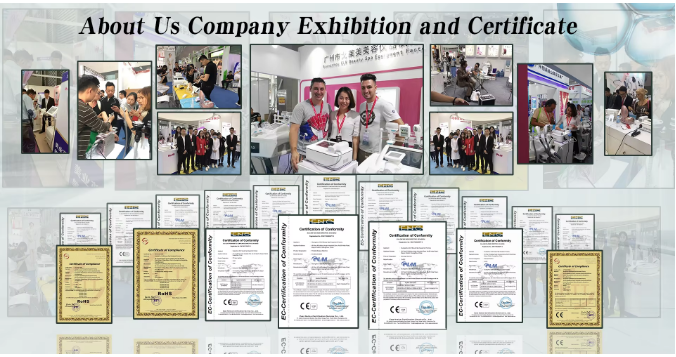
GLM is a specialized beauty instrument factory that produces instruments for a variety of functions, including weight loss devices. We have vacuum negative press, radio frequency fat blasting equipment, frozen fat dissolving machine and EMS body shaping machine. GLM is a 14 year old supplier of beauty instruments with guaranteed quality.https://gdglmbeauty.com/