
What are the causes of sagging cheeks and how can I reduce jowls?
Sagging cheeks and jowls are common concerns that many people experience as they age. These aesthetic issues can make you look older and tired, affecting your self-confidence. However, understanding the causes and exploring treatment options can help you combat sagging cheeks and reduce jowls. In this article, we will discuss the causes of sagging cheeks and jowls, as well as various ways to address these concerns effectively.
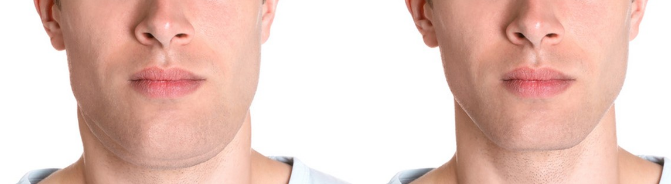
Causes of Sagging Cheeks and Jowls
Before embarking on any treatments to address sagging cheeks and jowls, it's pivotal to comprehend the underlying factors that contribute to this condition. Here is a more detailed exploration of the primary causes:
Aging
With the passage of time, our skin undergoes inevitable changes. One of the most notable changes is the loss of elasticity, which is primarily due to the decrease in the production of two essential proteins: collagen and elastin. These proteins play a crucial role in maintaining the firmness and tightness of our skin. As their production slows down, the skin becomes less supple, and wrinkles, lines, and sagging begin to appear.
Moreover, as we age, facial fat also undergoes changes. It tends to shift downwards, leading to a loss of volume in the upper face and an accumulation of fat in the lower face, including the cheeks and jowls. This shift in fat distribution further accentuates the appearance of sagging.
Additionally, the facial muscles also weaken over time. These muscles, along with the skin and fat, form a supportive network that helps maintain the structure and shape of the face. However, as they weaken, they lose their ability to effectively support the facial tissue, contributing to sagging cheeks and jowls.
Genetics
Genetic makeup significantly influences the way our face ages. While everyone experiences some degree of skin sagging as they age, some individuals are genetically predisposed to have looser skin or fewer collagen fibers. This predisposition makes them more vulnerable to developing sagging cheeks and jowls at a younger age or with a more severe degree of sagging.
Genetic factors can also influence the distribution of facial fat and the strength of facial muscles. For example, some individuals may inherit a genetic tendency to have weaker facial muscles or a predisposition for fat to accumulate in certain areas of the face, both of which can contribute to sagging cheeks and jowls.
Understanding these genetic predispositions can help individuals make informed decisions about preventative measures and treatment options to address sagging cheeks and jowls.

Lifestyle Factors
Lifestyle Factors Contributing to Sagging Cheeks and Jowls
Unhealthy lifestyle habits can significantly accelerate the development of sagging cheeks and jowls. Let's delve deeper into these factors:
Poor Diet and Lack of Nutrition
A diet lacking in essential nutrients can lead to premature aging of the skin. Vitamins, minerals, antioxidants, and healthy fats are crucial for maintaining skin health. For instance, vitamins C and E, as well as omega-3 fatty acids, help protect the skin from damage and promote collagen production. When these nutrients are lacking, the skin becomes more vulnerable to aging processes, leading to sagging cheeks and jowls.
Smoking
Smoking is a major culprit in skin sagging. The nicotine and other harmful chemicals in cigarettes damage collagen and elastin fibers, the building blocks of firm skin. Over time, this damage leads to the loss of skin elasticity, resulting in sagging cheeks and jowls. Additionally, smoking also impairs blood circulation, further aggravating skin aging.
Excessive Sun Exposure and UV Damage
Excessive sun exposure and UV damage are among the leading causes of skin sagging. UV rays penetrate the skin's layers and break down collagen and elastin fibers, causing them to lose their strength and elasticity. This breakdown leads to the formation of wrinkles, fine lines, and sagging skin, including sagging cheeks and jowls. It's crucial to protect the skin from UV rays by regularly applying sunscreen, wearing hats and protective clothing, and avoiding peak sun hours.
Dehydration
Dehydration can significantly impact the appearance of the skin, including sagging cheeks and jowls. When the body lacks sufficient water, it starts to draw moisture from the skin, causing it to become dry and less firm. Dehydrated skin also loses elasticity, making it more prone to sagging. Drinking plenty of water and ensuring adequate hydration is crucial for maintaining healthy, youthful skin.
Lack of Exercise
Regular facial exercises and physical activity can help strengthen facial muscles and promote better blood circulation, which is essential for skin health. However, a lack of exercise can result in weakened facial muscles, making them less able to support the skin and contributing to sagging cheeks and jowls. Regular exercise, including facial exercises, can help prevent and reduce the appearance of sagging skin.

Tips to Reduce Sagging Cheeks and Jowls
While sagging cheeks and jowls may seem like an inevitable part of aging, there are several ways to reduce their appearance and achieve a more youthful look. Here are some tips to help you achieve firmer, more lifted skin:
Facial Exercises and Massage Techniques
Facial exercises are a great way to tone and strengthen the muscles in your face. Just like any other muscle in the body, regular exercise can help improve their tone and elasticity. By performing facial exercises that target the cheek and jawline area, you can help lift and firm sagging skin. Some popular facial exercises include smiling widely, puffing out your cheeks, and making fish faces.
In addition to facial exercises, massage techniques can also be beneficial. Massaging the face can help improve blood circulation, encourage lymphatic drainage, and promote overall skin health. Use your fingertips to gently massage the skin in circular motions, focusing on the cheek and jawline area. This can help stimulate collagen production and reduce the appearance of sagging skin.
Skincare Routine
A healthy skincare routine is essential for maintaining youthful, firm skin. Here are some tips for reducing sagging cheeks and jowls through your skincare routine:
- Use Moisturizers and Creams with Collagen-Boosting Ingredients: Look for products that contain ingredients like peptides and hyaluronic acid. These ingredients help enhance skin hydration and elasticity, reducing the appearance of sagging skin. Apply these moisturizers and creams to your face and neck after cleansing in the morning and evening.
- Protect Your Skin from the Sun's Harmful Rays: Sun exposure is a major cause of skin sagging. To protect your skin, apply sunscreen with a high SPF rating every day, even on cloudy days. Choose a sunscreen that is specifically formulated for facial skin and reapply it throughout the day if you are outdoors.
- Incorporate Retinol Products into Your Routine: Retinol is a vitamin A derivative that is commonly used in skincare products to reduce the appearance of wrinkles and sagging skin. It stimulates collagen production and improves skin elasticity. Look for retinol-containing products like serums, creams, or masks, and incorporate them into your evening skincare routine. Remember to start with a low concentration and gradually increase it as your skin gets accustomed to retinol.
By incorporating these tips into your daily routine, you can help reduce the appearance of sagging cheeks and jowls and achieve a more youthful, lifted look.
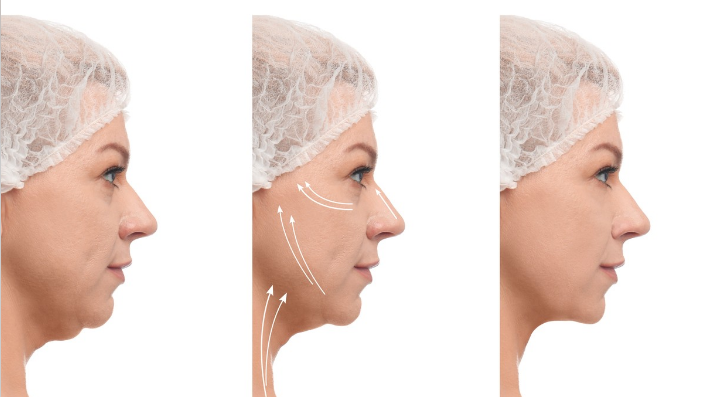
Healthy Lifestyle Habits
Your lifestyle choices play a crucial role in skin health:
- Adopt a balanced diet rich in antioxidants, vitamins, and minerals. Include foods like berries, leafy greens, and fatty fish.
- Drink plenty of water to keep your skin hydrated and plump.
- Avoid smoking and excessive alcohol consumption, as they accelerate the aging process.
- Get regular exercise to improve blood circulation and strengthen facial muscles.
Non-Surgical Treatment Options
Non-Surgical Treatment Options for Sagging Cheeks and Jowls
If you're searching for more immediate and noticeable results in reducing sagging cheeks and jowls, there are several non-surgical treatment options available. These treatments are designed to target the deeper layers of the skin, stimulating collagen production and tightening sagging areas.
Radiofrequency Therapy
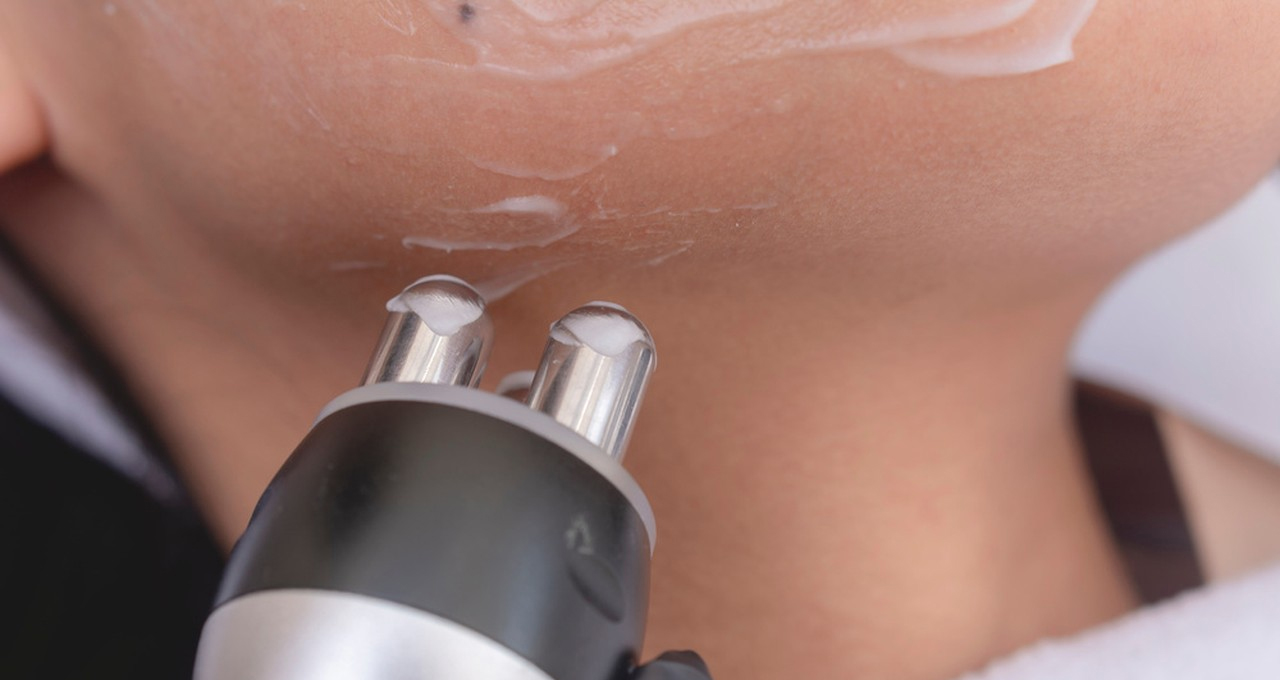
Radiofrequency therapy, often referred to as RF therapy, is a non-invasive treatment that utilizes radiofrequency energy to heat the deeper layers of the skin. This heat stimulates the production of collagen, a protein that is essential for maintaining skin elasticity and firmness. As the collagen production increases, sagging skin is tightened and lifted, resulting in a more youthful appearance.
During a radiofrequency therapy session, a handheld device is used to deliver the radiofrequency energy to the targeted area. The treatment is typically painless and requires no downtime, allowing you to resume your normal activities immediately after the session. The number of sessions required depends on the severity of the sagging and your individual response to the treatment, but most patients see noticeable results after a few sessions.
Ultrasound Treatments
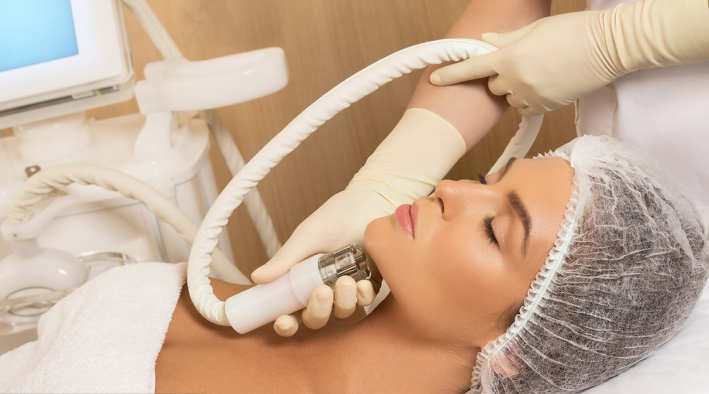
Ultrasound treatments, also known as ultrasound therapy or high-intensity focused ultrasound (HIFU), are another non-surgical option for reducing sagging cheeks and jowls. This treatment uses ultrasound technology to deliver energy to the deeper layers of the skin, triggering collagen production and lifting sagging areas.
During an ultrasound treatment, a handheld device is placed on the skin, and ultrasound waves are directed to the targeted area. The energy from the waves heats the tissue, stimulating collagen production and tightening the skin. The treatment is usually painless and requires no downtime, allowing you to return to your daily activities immediately.
Both radiofrequency therapy and ultrasound treatments are safe and effective non-surgical options for reducing sagging cheeks and jowls. They offer more immediate and noticeable results compared to facial exercises and skincare routines, and can be customized to your specific needs and goals. It's important to consult with a qualified dermatologist or plastic surgeon to determine which treatment is best for you.
Surgical Options
For more significant changes, surgical interventions like facelifts can provide dramatic results:
A facelift is a surgical procedure that tightens and lifts sagging skin, including the cheeks and jowls. It involves removing excess skin and repositioning underlying tissues for a more youthful appearance. However, it's essential to weigh the risks, benefits, and recovery process before considering this option.
Conclusion
Sagging cheeks and jowls can be distressing, but with the right knowledge and treatment options, you can address these concerns effectively. Identifying the causes, practicing healthy lifestyle habits, and exploring non-surgical or surgical treatments can help reduce sagging cheeks for a more rejuvenated and confident appearance. Consult with a dermatologist or plastic surgeon to determine the best approach for your specific needs and goals.