What are the Essential Maintenance Techniques for Beauty Equipment?
Introduction
Beauty equipment is an essential tool for professionals in the industry. Whether you use it in a salon or for personal use, proper maintenance is key to ensuring the equipment's longevity and optimal performance. In this blog post, we will explore some essential maintenance techniques for beauty equipment that can help you extend its lifespan.
Comprehensive Guide to Maintaining Your Beauty Equipment
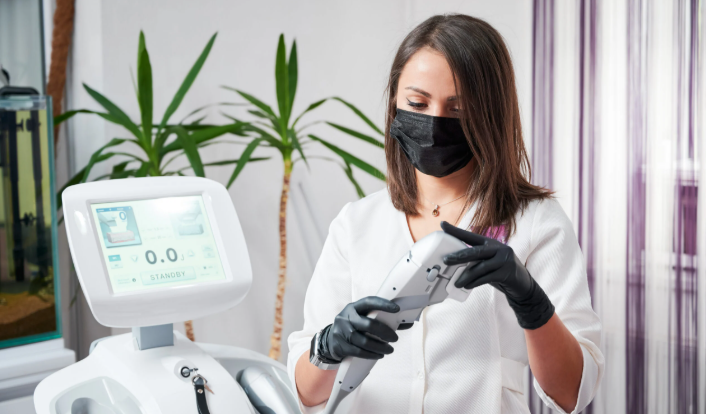
Proper maintenance of beauty equipment is essential to ensure its longevity, performance, and safety. Regular cleaning, lubrication, calibration, and inspection are key to keeping your devices in optimal condition. This guide provides detailed steps and professional tips to help you maintain your beauty equipment effectively.
Regular Cleaning: The Foundation of Equipment Maintenance
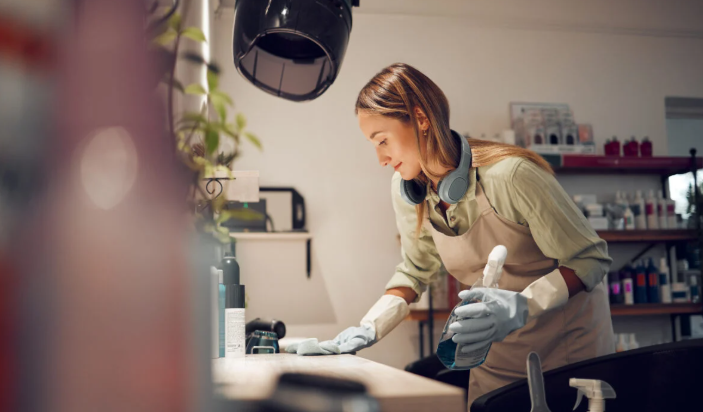
Regular cleaning is critical for hygiene, performance, and the lifespan of your beauty equipment. Dirt, product buildup, and bacteria can compromise functionality and even pose health risks. Follow these steps for thorough cleaning:
1. Gather Necessary Cleaning Supplies
-
Mild soap or specialized cleaning solutions recommended by the manufacturer.
-
Soft microfiber cloths or brushes for gentle cleaning.
-
Isopropyl alcohol or disinfectant wipes for sanitization.
-
Cotton swabs for hard-to-reach areas.
2. Prepare the Equipment for Cleaning
-
Turn off and unplug the device to ensure safety.
-
Remove detachable parts (e.g., brush heads, needle cartridges) if applicable.
3. Clean the Equipment Thoroughly
-
Wipe down the exterior with a damp cloth and mild soap.
-
Use a soft brush or cotton swab to remove residue from crevices.
-
For devices like facial cleansing brushes, rinse the brush head under warm water and let it air dry.
4. Dry and Sanitize the Equipment
-
Allow all parts to air dry completely before reassembling.
-
Use isopropyl alcohol or disinfectant wipes to sanitize surfaces, especially for tools like derma rollers or microneedling devices.
Pro Tip: Clean your equipment after every use to prevent buildup and bacterial growth. For devices used less frequently, a weekly cleaning routine is recommended.
Lubrication and Calibration: Ensuring Smooth Operation
For beauty equipment with moving parts, such as hair clippers or electric facial massagers, proper lubrication and calibration are essential.
1. Lubricating Moving Parts
-
Use the lubricant recommended by the manufacturer to avoid damaging the device.
-
Apply a small amount of lubricant to moving parts (e.g., blades, hinges) to reduce friction and ensure smooth operation.
-
Wipe off excess lubricant to prevent residue buildup.
2. Calibration for Accuracy
-
Calibration ensures that devices like microcurrent machines or laser hair removal tools deliver consistent results.
-
Follow the manufacturer’s instructions for calibration, or hire a professional for complex devices.
-
Use calibration tools if provided, and check accuracy periodically.
Pro Tip: Lubricate and calibrate your equipment every 1–3 months, depending on usage frequency.
Inspecting and Replacing Parts: Preventing Wear and Tear
Regular inspections help identify worn-out or damaged parts before they compromise the device’s functionality or safety.
1. Identify Worn-Out or Damaged Parts
-
Check for signs of wear, such as frayed cords, dull blades, or cracked surfaces.
-
Test the device to ensure it operates smoothly and efficiently.
2. Replace Parts Promptly
-
Use genuine replacement parts from the manufacturer to maintain the device’s integrity.
-
Replace brush heads, needles, or blades as recommended (e.g., every 3–6 months for derma rollers).
3. Avoid Neglecting Repairs
-
Delaying part replacements can lead to further damage or safety hazards.
-
For example, using a dull blade in a hair clipper can cause pulling or skin irritation.
Pro Tip: Keep a log of part replacements and inspections to track maintenance needs.
Storage and Transportation: Protecting Your Investment
Proper storage and transportation are crucial to prevent damage and extend the life of your beauty equipment.
1. Storage Tips
-
Store devices in a clean, dry, and temperature-controlled environment.
-
Use protective cases or pouches to shield equipment from dust and moisture.
-
Keep cords neatly coiled to prevent tangling or damage.
2. Transportation Tips
-
Use padded cases or travel bags designed for beauty equipment.
-
Secure detachable parts to prevent them from getting lost or damaged during transit.
-
Avoid exposing devices to extreme temperatures or humidity.
Pro Tip: Label storage containers or cases to easily identify and access your equipment.
Maintenance Schedules: Staying Organized
Creating a maintenance schedule ensures that you stay on top of your equipment’s care needs.
1. Determine Maintenance Intervals
-
Base your schedule on usage frequency, manufacturer recommendations, and the type of equipment.
-
For example, clean facial cleansing brushes after each use, but lubricate hair clippers only once a month.
2. Set Reminders
-
Use calendar alerts, phone reminders, or maintenance apps to track tasks.
-
Include cleaning, lubrication, part replacements, and professional servicing in your schedule.
Pro Tip: Keep a maintenance journal to record completed tasks and note any issues that arise.
Troubleshooting Common Issues: Quick Fixes and Professional Help
Even with regular maintenance, beauty equipment may encounter issues. Here’s how to troubleshoot common problems:
1. Power Issues
-
Check the power cord and connections for damage.
-
Ensure the device is fully charged or properly plugged in.
-
Test the outlet with another device to rule out electrical problems.
2. Strange Noises or Vibrations
-
Inspect moving parts for debris or misalignment.
-
Lubricate parts if necessary, or tighten loose screws.
3. Performance Inconsistency
-
Clean the device thoroughly to remove buildup that may affect performance.
-
Recalibrate the device if applicable.
4. When to Seek Professional Help
-
If troubleshooting doesn’t resolve the issue, contact the manufacturer or a certified technician.
-
Avoid attempting complex repairs yourself, as this may void warranties or cause further damage.
Pro Tip: Keep the manufacturer’s contact information and warranty details handy for quick reference.
Conclusion
Proper maintenance is essential for the longevity and performance of your beauty equipment. By incorporating regular cleaning, lubrication, calibration, inspections, and following proper storage and transportation practices, you can extend the life of your equipment. Don't neglect regular maintenance, as it can save you money in the long run by preventing costly repairs and replacements. Take care of your beauty equipment, and it will take care of you!