
Title: Hair Regrowth After Laser Hair Removal: Exploring Effective Options and Optimizing Results
Introduction:
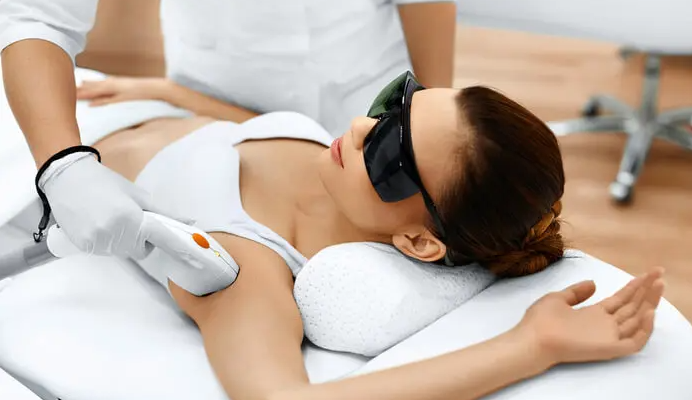
In this blog post, we will discuss the topic of hair regrowth after laser hair removal. We will provide a brief overview of the laser hair removal process and explain why hair can grow back after treatment. Additionally, we will explore various options for regrowing hair and offer tips to optimize regrowth efforts. If you are considering or have undergone laser hair removal, this blog will help you understand your options for achieving the desired results.
A Comprehensive Guide to Hair Regrowth After Laser Hair Removal: Mechanisms, Options, and Optimization Strategies
1. Introduction: The Paradox of Laser Hair Removal and Regrowth
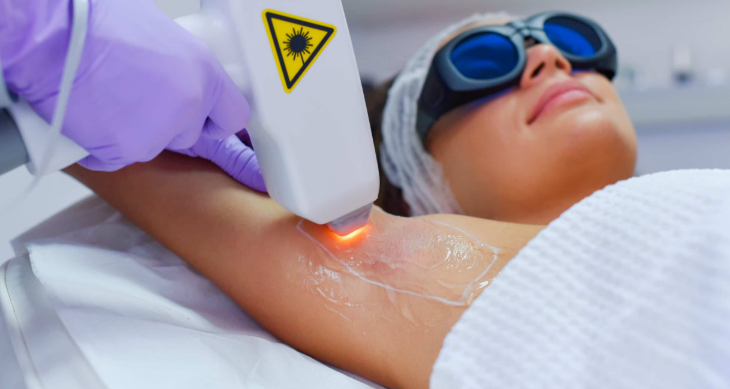
Laser hair removal (LHR) is one of the most popular permanent hair reduction treatments, utilizing selective photothermolysis to target melanin in hair follicles. However, complete and permanent hair elimination is rarely achieved due to the dynamic nature of the hair growth cycle and individual variability.
This article provides an in-depth analysis of:
- The hair growth cycle and its role in LHR efficacy.
- Why and where hair regrows post-treatment.
- Regrowth management strategies, including non-invasive, minimally invasive, and surgical options.
- Expert recommendations for optimizing outcomes.
2. The Hair Growth Cycle: The Foundation of LHR Success and Limitations
The hair growth cycle consists of three phases, each influencing the effectiveness of laser hair removal:
2.1 Phases of the Hair Growth Cycle
- Anagen (Growth Phase)
- Duration: 2–7 years (varies by body region).
- Characteristics:
- Active proliferation of hair matrix cells in the follicle.
- High melanin content (target for lasers).
- LHR Efficacy: Most effective—laser energy destroys the actively growing follicle.
- Catagen (Transitional Phase)
- Duration: 2–3 weeks.
- Characteristics:
- Follicle regression; blood supply diminishes.
- Minimal melanin production.
- LHR Efficacy: Poor target—laser energy has little effect.
- Telogen (Resting Phase)
- Duration: 3–4 months.
- Characteristics:
- Follicle at rest; hair shaft detaches.
- No melanin production.
- LHR Efficacy: Ineffective—laser energy cannot target dormant follicles.
2.2 Implications for Laser Hair Removal
- Only 15–30% of follicles are in the anagen phase at any given time.
- Multiple sessions (6–8) are required to target follicles as they enter the anagen phase.
- Hormonal fluctuations (e.g., pregnancy, PCOS, menopause) can reactivate dormant follicles, leading to regrowth.
3. Hair Regrowth After Laser Hair Removal: Causes and Common Areas
3.1 Factors Influencing Regrowth
- Hormonal Influences
- Androgens (testosterone, DHEA-S) stimulate follicular activity.
- Conditions:
- Polycystic Ovary Syndrome (PCOS) → increased androgen production.
- Pregnancy/Postpartum → hormonal shifts reactivate follicles.
- Menopause → estrogen decline may increase androgen dominance.
- Genetic Predisposition
- Ethnicity: Darker hair (higher melanin) responds better to LHR but may regrow if follicles are resilient.
- Family History: Some individuals have genetically determined hair growth patterns resistant to laser treatment.
- Inadequate Treatment Parameters
- Insufficient fluence (energy) → incomplete follicle destruction.
- Incorrect wavelength (e.g., 755 nm Alexandrite vs. 1064 nm Nd:YAG for darker skin).
- Improper timing (treating during telogen phase).
3.2 Common Areas for Regrowth
| Body Region | Likelihood of Regrowth | Reason |
|---|---|---|
| Face (Upper Lip, Chin) | High | Hormonal sensitivity (androgens). |
| Bikini Line | Moderate | Friction, hormonal fluctuations. |
| Underarms | Low-Moderate | Fewer androgen receptors. |
| Legs/Arms | Low | Thinner, less androgen-dependent hair. |
| Back/Chest (Men) | High | Higher androgen exposure. |
4. Options for Managing Hair Regrowth After Laser Hair Removal
4.1 Non-Invasive Regrowth Management
- Topical Solutions & Creams
- Eflornithine Hydrochloride (Vaniqa)
- Mechanism: Inhibits ornithine decarboxylase, slowing hair growth.
- Best For: Mild regrowth, facial hair.
- Limitations: Not a permanent solution; requires long-term use.
- Retinoids + Minoxidil Combinations
- Mechanism: Promotes follicular miniaturization (less effective for regrowth, more for alopecia).
- Caveat: May exacerbate unwanted hair growth in some cases.
- Eflornithine Hydrochloride (Vaniqa)
- Electrolysis
- Mechanism: Insertion of a fine probe into the follicle to deliver electric current, causing permanent destruction.
- Best For: Small areas (e.g., eyebrows, upper lip), stubborn gray/white hairs (resistant to LHR).
- Drawbacks: Time-consuming, multiple sessions required, potential for scarring if improperly performed.
4.2 Minimally Invasive & Surgical Options
- Hair Transplantation (FUE/FUT)
- Mechanism: Harvesting follicles from donor areas (e.g., back of the scalp) and transplanting them to recipient sites.
- Best For: Regrowth after failed LHR, pattern baldness, beard restoration.
- Considerations:
- Cost: 15,000 per session.
- Downtime: 1–2 weeks.
- Longevity: Permanent if performed correctly.
- Follicular Unit Extraction (FUE) with Robotic Assistance (e.g., ARTAS)
- Advantages: Precision, minimal scarring, faster recovery.
- Limitations: Expensive, not ideal for large-area coverage.
- Platelet-Rich Plasma (PRP) Therapy
- Mechanism: Injection of growth-factor-rich plasma to stimulate dormant follicles.
- Best For: Thinning hair, post-LHR follicular recovery (controversial efficacy).
4.3 Comparative Analysis of Regrowth Methods
| Method | Effectiveness | Cost | Downtime | Best For |
|---|---|---|---|---|
| Topical Creams (Vaniqa) | Mild-Moderate | 100/month | None | Mild facial regrowth |
| Electrolysis | Permanent | 150/hour | Minimal | Small areas, gray/white hairs |
| Hair Transplant (FUE) | Permanent | 15,000 | 1–2 weeks | Large areas, failed LHR |
| PRP Therapy | Variable | 2,000 | None | Thinning hair, follicular stimulation |
5. Consultation with a Dermatologist: The Key to Personalized Care
5.1 Why Consult a Dermatologist?
- Accurate Diagnosis: Rule out underlying conditions (e.g., PCOS, hyperandrogenism).
- Treatment Customization: Adjust laser parameters, combination therapies (e.g., LHR + electrolysis).
- Safety Monitoring: Prevent adverse reactions (e.g., burns, hyperpigmentation).
5.2 Essential Questions to Ask During Consultation
- "What is the root cause of my hair regrowth?"
- Determines if hormonal therapy (e.g., spironolactone, birth control) is needed.
- "Which regrowth method aligns best with my goals and budget?"
- "How many sessions will I need, and what is the expected timeline?"
- "What are the risks and alternatives if my hair regrows again?"
5.3 Managing Expectations Realistically
- No treatment guarantees 100% permanency.
- Maintenance sessions (e.g., annual LHR touch-ups) may be necessary.
- Hormonal imbalances may require ongoing management.
6. Optimizing Hair Regrowth: A Holistic Approach
6.1 Lifestyle and Dietary Strategies
- Nutrition for Hair Health
- Iron, Zinc, Biotin: Supports keratin production.
- Omega-3 Fatty Acids: Reduces inflammation (follicle health).
- Protein-Rich Diet: Aids in follicular repair.
- Avoiding Damaging Habits
- Excessive Heat Styling: Weakens hair shafts.
- Tight Hairstyles: Causes traction alopecia.
- Smoking: Reduces blood flow to follicles.
6.2 Hair Care Products and Regimens
- Gentle Cleansing: Sulfate-free shampoos to prevent follicular irritation.
- Scalp Massage: Improves circulation (may enhance PRP/topical efficacy).
- Minoxidil (Rogaine): Off-label use for regrowth (not FDA-approved for facial hair).
6.3 The Importance of Patience and Consistency
- Hair growth cycles are slow—expect 3–6 months for visible results.
- Skipping treatments (e.g., LHR maintenance) increases regrowth risk.
7. Future Directions: Emerging Technologies in Hair Regrowth Management
- Laser-Assisted Drug Delivery (LADD)
- Mechanism: Enhances penetration of anti-androgens (e.g., finasteride) into follicles.
- Low-Level Laser Therapy (LLLT)
- Mechanism: Stimulates ATP production in follicles (FDA-cleared for alopecia, but efficacy for regrowth is debated).
- Gene Therapy & Stem Cell Approaches
- Potential: Targeting WNT/β-catenin pathways to reactivate dormant follicles.
8. Conclusion: A Balanced Approach to Hair Regrowth After LHR
Laser hair removal is a highly effective but not infallible method of permanent hair reduction. Hair regrowth post-treatment is common but manageable with:
- Proper treatment timing (aligning with the anagen phase).
- Hormonal stabilization (if underlying causes exist).
- Combination therapies (LHR + electrolysis, PRP, or topicals).
- Expert guidance from a board-certified dermatologist.
Final Recommendations for Readers:
- Seek a consultation before pursuing any regrowth method.
- Prioritize safety over cost when choosing invasive procedures.
- Maintain realistic expectations—hair growth is a complex biological process.
By understanding the science behind regrowth and exploring evidence-based options, individuals can make informed decisions to achieve their desired outcomes.
Conclusion:
In conclusion, this blog has revealed the truth about hair regrowth after laser hair removal. We have covered various effective options for regrowing hair, from non-invasive methods to invasive procedures, and provided tips to optimize regrowth results. If you are considering regrowth, we encourage you to take the next steps and seek professional guidance to achieve the desired outcome. Remember, understanding your options and incorporating healthy practices are key to achieving successful regrowth after laser hair removal.