
Introduction:
When it comes to facial rejuvenation, the SMAS facelift has gained popularity for its effectiveness in reversing signs of aging. But what exactly is SMAS facelift, and how does it differ from traditional facelift procedures? In this blog post, we will explore the concept of SMAS facelift, its procedure, benefits, and more.
I. Understanding the SMAS Layer
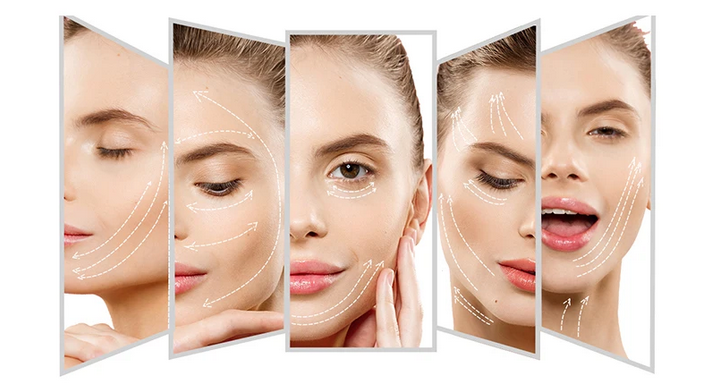
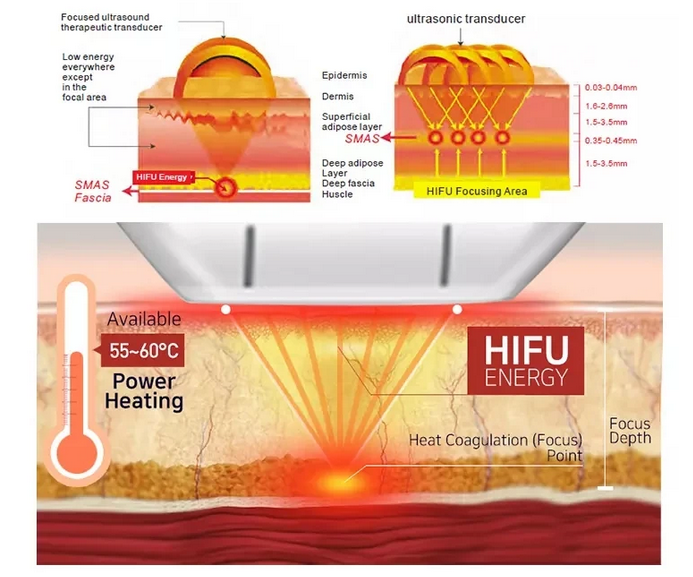
The SMAS (Superficial Musculoaponeurotic System) is a layer of connective tissue that extends from the forehead to the neck. It plays a crucial role in facial aging as it holds the facial muscles in place. Over time, the SMAS weakens and droops, contributing to sagging skin and loss of facial contour.
II. The SMAS Facelift Procedure
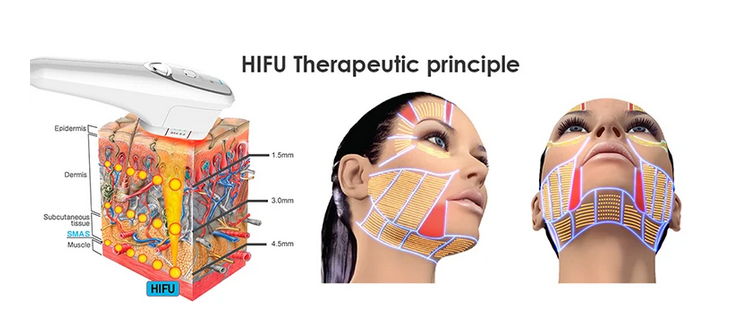
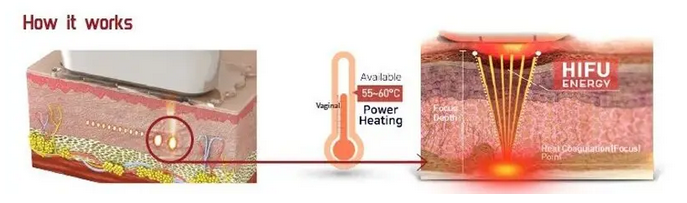
The SMAS facelift is a surgical procedure that focuses on lifting and tightening the underlying SMAS layer. Unlike traditional facelifts that only target the superficial layer of the skin, the SMAS facelift provides more transformative and longer-lasting results.
During the SMAS facelift procedure, the surgeon makes incisions along the hairline, allowing access to the SMAS layer. The SMAS is then repositioned and tightened, restoring a more youthful appearance. This procedure can also be combined with other facial rejuvenation techniques like fat transfer or eyelid surgery for enhanced results.
III. Benefits of SMAS Facelift
1. Longer-lasting results: By targeting the underlying SMAS layer, the SMAS facelift achieves more natural and long-lasting results compared to traditional facelifts.
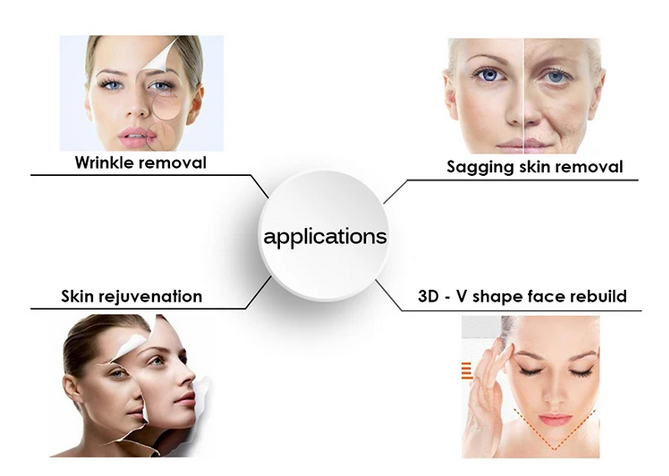
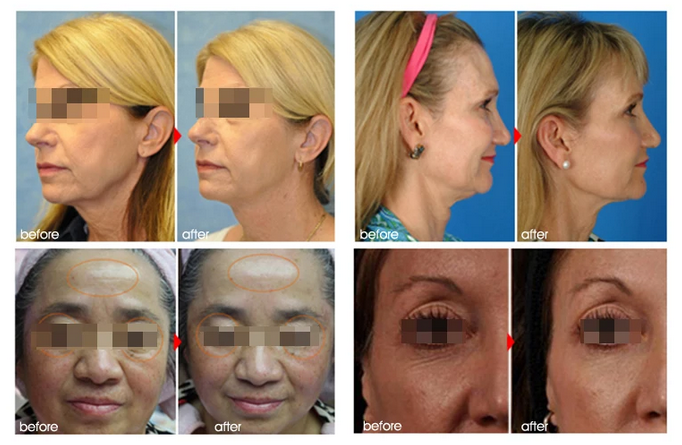
2. Comprehensive rejuvenation: The SMAS facelift addresses multiple signs of aging simultaneously, including sagging jowls, deep nasolabial folds, and loose skin.
3. Reduced scarring: The incisions for the SMAS facelift are discreetly placed along the hairline, minimizing visible scarring.
4. Enhanced facial contour: Through the repositioning and tightening of the SMAS layer, the procedure restores a more defined and youthful facial contour.
IV. Candidates for SMAS Facelift
Ideal candidates for SMAS facelift are individuals who have noticeable signs of aging such as sagging skin, jowls, deep creases, or a loss of facial volume. The procedure is typically performed on patients in their 40s to 60s, but eligibility can vary based on individual factors. A consultation with a qualified surgeon is necessary to assess one's suitability for the procedure.
V. Risks and Safety of SMAS Facelift
While the SMAS facelift is generally considered safe, it is still a surgical procedure and carries certain risks. These risks can include infection, bleeding, scarring, and nerve damage. Choosing a skilled and experienced surgeon significantly reduces these risks. It's important to thoroughly discuss the procedure, potential risks, and recovery plan with your surgeon before deciding to undergo the SMAS facelift.
VI. Recovery and Results of SMAS Facelift
Following the SMAS facelift, patients can expect some swelling, bruising, and discomfort, which gradually subside over a few weeks. The recovery period varies from person to person, but most individuals can resume normal activities within two weeks.
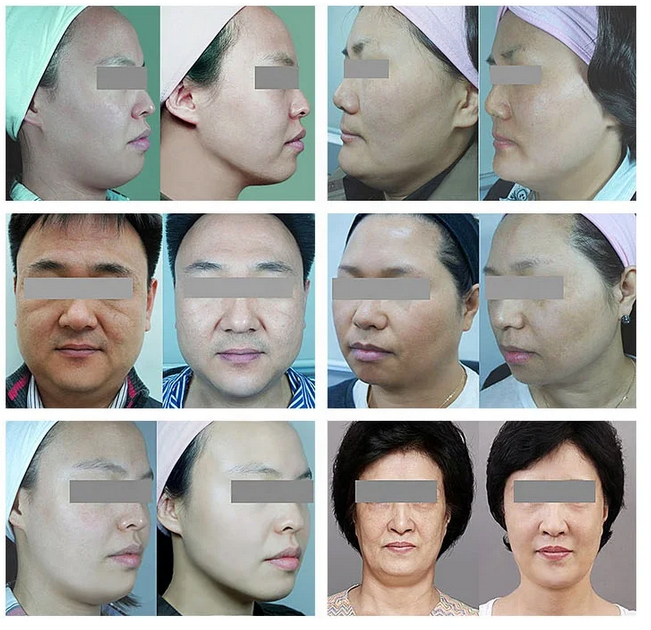
The results of the SMAS facelift become more visible as the swelling subsides, and they continue to improve over the next few months. Patients can enjoy a refreshed and rejuvenated appearance with lifted facial contours and smoother skin.
Conclusion:
The SMAS facelift is a revolutionary procedure that provides comprehensive and long-lasting facial rejuvenation. By understanding its principles, procedure, benefits, and potential risks, individuals can make informed decisions about whether this innovative technique is right for them. Consult with a qualified plastic surgeon to explore the possibilities of the SMAS facelift and embark on your journey towards a more youthful and revitalized appearance.