New options for non-invasive fat reduction and body shaping: In-depth analysis of laser fat dissolution and ultrasonic cavitation
In the pursuit of health and beauty on the road, fat loss and body building has always been a hot topic. In recent years, with the continuous advancement of medical technology, the demand for non-invasive fat reduction and body shaping treatments has been increasing, and complementary procedures such as laser fat dissolution and ultrasonic cavitation have been favored due to their unique advantages. They offer new options for those looking to get rid of excess fat and create the perfect body. However, for anyone considering weight loss or body building, it is vital to understand the difference between laser fat dissolution and ultrasonic cavitation.
What is laser fat melting
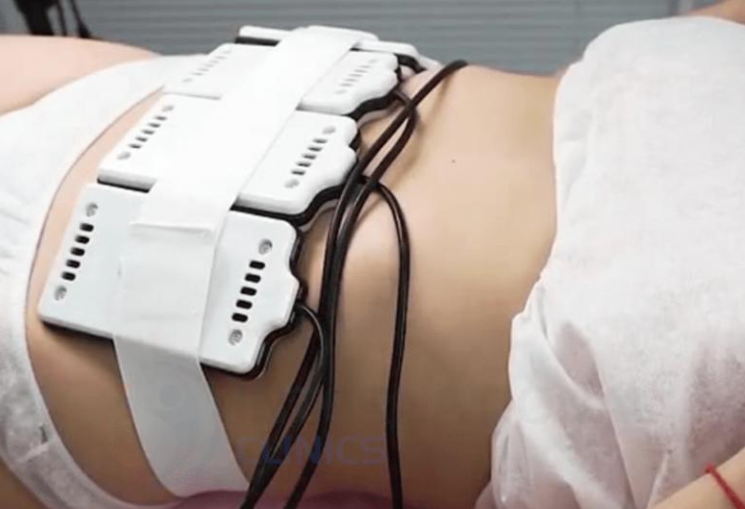
Laser liposuction, also known as laser lipolysis, is an advanced non-invasive treatment. It cleverly uses laser energy to break down fat cells in the treated area. Compared with traditional liposuction, traditional liposuction requires surgery, general anesthesia, and postoperative recovery time is longer, and patients often need to bear greater physical pain and psychological pressure. Laser fat suction avoids these problems, does not require a long recovery time, is an effective way to target stubborn fat, and often allows patients to see significant results after the first treatment.
The principle of laser liposolysis
Laser lipopolysis uses a precise method that uses targeted laser energy wavelengths to penetrate the surface of the skin. This specific wavelength of laser energy interacts with fat cells under the skin, acting like a precise scalpel to break them down into fatty acids, glycerin and water. The laser essentially pierces the fat cells at a microscopic level, causing them to contract. These broken down particles are then naturally excreted through the body's metabolism. To facilitate this process, the method is often used in conjunction with massage, which helps the body's lymphatic system clear these debris more effectively, speeding up the body's recovery and shaping effects.
Benefits of laser fat dissolution
Non-invasive treatment
Laser liposuction is a non-surgical treatment that focuses on the precise reduction of fat in problem areas that are difficult to solve through diet and exercise. This is an ideal option for those who do not wish to undergo traditional surgery.
No incisions or scars
Unlike traditional liposuction, laser lipopolysis does not require any incision, so there is no postoperative scar. This is undoubtedly a huge advantage for people who pay attention to the beauty of the body.
Promotes collagen production
The lipopolysis process stimulates collagen production. Collagen is an important part of the skin, it helps to tighten the skin and make the skin smoother and more elastic after treatment.
Less downtime
Because it is a non-surgical treatment, the downtime and recovery period of laser fat lysis is much shorter than that of traditional liposuction. Patients can quickly return to normal life and work after treatment.
Less swelling and discomfort
Compared to more invasive methods, patients with laser liposolysis have less swelling and discomfort after surgery. This greatly improves the patient's treatment experience and comfort.
No general anesthesia required
Laser lipopolysis does not require general anesthesia, thereby reducing the risks associated with the use of anesthesia. This is an important safety net for some patients who have concerns about anesthesia.
Side effects and risks of laser lipopolysis
In most cases, the risks of laser lipopolysis are fairly low. However, as with most fat loss procedures, laser fat lysis can have some side effects, including minor swelling, bruising, skin sensitivity, and temporary numbness in the treated area. In rare cases, laser liposolysis may cause burns if not treated properly. However, these risks are greatly reduced if the surgery is performed by a skilled plastic surgeon and is carried out in strict accordance with the protocol.
Who's the ideal candidate for laser liposolysis
Laser fat lysis is usually best for people who are close to their ideal weight but have difficulty removing stubborn fat through diet and exercise. While it helps to reduce fat, it must be emphasized that laser liposolysis is not a weight loss tool, but a body shaping tool designed to reshape and improve problem areas. Patients should have realistic expectations and understand that the procedure shapes and sculpts the body, but is not intended to significantly reduce weight or treat obesity.
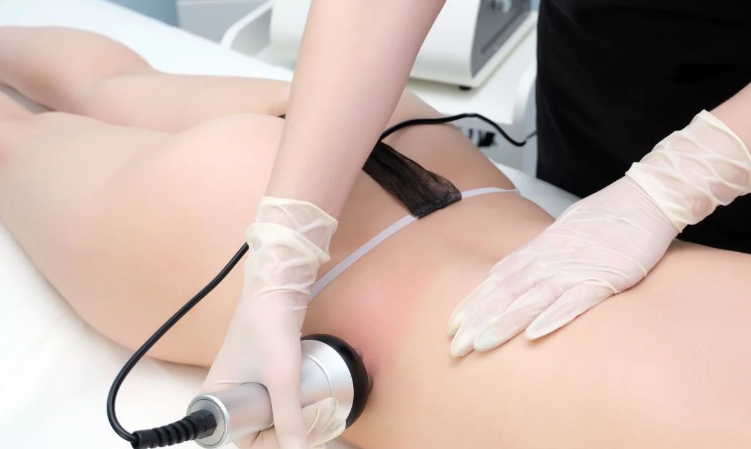
What is the effect of laser fat melting
The effectiveness of laser lipopolysis depends to a large extent on the individual's lifestyle and adherence to post-treatment care. One treatment can reduce fat in the treated area by about 20%, and noticeable results can be seen after one to three treatments. For best results, maintaining a healthy diet and regular exercise after treatment can greatly maintain and enhance the effects of laser lipopolysis. It is also important to stay well hydrated and massage the treated area to help the body's lymphatic system process the fatty acids released during treatment.
What is ultrasonic cavitation
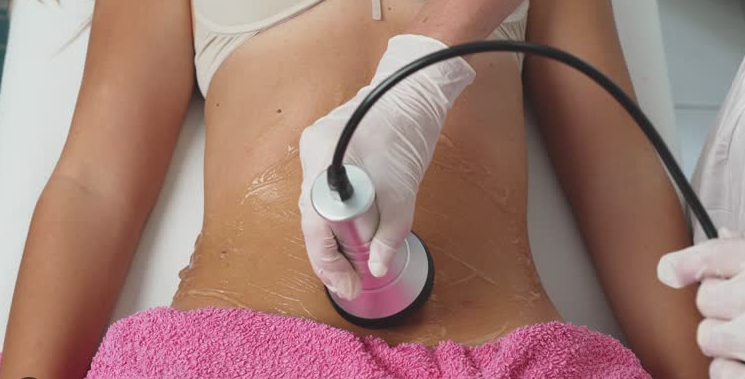
Ultrasonic cavitation, often referred to simply as cavitation, is an innovative non-invasive fat reduction technique. It uses ultrasound to break down fat cells into smaller components in the form of fatty acids. Unlike laser fat suction, which uses laser energy, cavitation uses ultrasonic technology to target stubborn fat, especially those hard-to-reach areas such as the waist, back, and so on. The procedure is designed to reshape the body and reduce cellulite, so it is not a weight loss solution, but an effective way to get in shape.
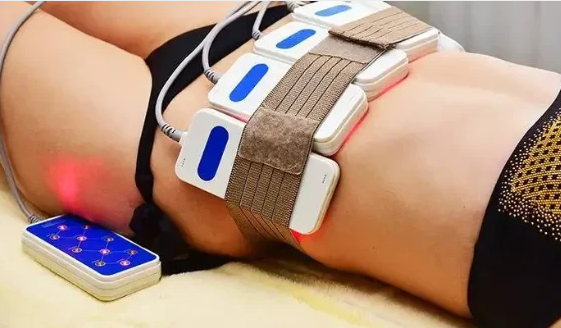
The principle of cavitation
Empty chemotherapy uses low-frequency ultrasound to target fat cells. These ultrasonic waves create pressure changes that cause fat cells to release fatty acids and glycerol into the body. The body's natural metabolic processes then eliminate these breakdown products, converting them into energy for the cells. Like laser liposuction, empty chemotherapy can be combined with massage or radiofrequency therapy to encourage the lymphatic system to remove this "liquid fat" and improve treatment effectiveness.
Advantages of cavitation
Nonsurgical procedure
Cavitation surgery is a safe, non-invasive alternative to traditional liposuction with a lower risk. This is a good option for those who do not want to undergo surgery.
Reduces fat and orange peel tissue
This process is good at reducing excess fat and orange peel tissue, which helps to reshape the body and make the body more curved.
notch-free
Like laser liposuction, cavitation surgery eliminates the need for any incisions, reducing downtime and allowing patients to return to their normal lives more quickly.
Target multiple regions
Cavitation is applied to a variety of problem areas such as the buttocks, thighs, abdomen and arms to meet the needs of different patients.
Promotes collagen production
Cavitation ultrasound stimulates the production of collagen in the body, which is conducive to skin firmness and smoothness, making the skin healthier after treatment.
Disadvantages and risks of cavitation
Although empty chemotherapy is popular and mostly safe, it has limitations and can cause minor side effects. As the body processes the released fat, the patient may experience temporary abdominal discomfort, increased urination, or mild skin sensitivity. The treatment does not guarantee significant weight loss and may require multiple treatments to achieve the desired effect in some areas. High expectations can lead to dissatisfaction, therefore, it is important to understand that empty chemotherapy is a body shaping tool, not a primary weight loss device.
Who should choose cavitation
Empty chemotherapy is ideal for those who want to lose stubborn problem areas such as the abdomen, hips, thighs and arms. Similar to laser liposuction, it is not a weight loss tool, but a body shaping method. Therefore, it is most effective for people who are close to their target weight and have minimal impact on body fat percentage. The best candidates are those who are committed to maintaining a balanced diet and exercising regularly. Patients with certain health conditions, such as liver disease or heart disease, may not be advised to use empty chemotherapy.
How is the cavitation effect
The effectiveness of cavitation therapy is indeed outstanding in targeting stubborn fat deposits that diet and exercise cannot eliminate. Patients can lose several inches after a series of treatments, and results are often seen after the first few treatments. As excess fat is gradually removed, patients can observe a more sculptural and chiseled figure over time. Similar to laser liposuction, maintaining a healthy lifestyle after surgery can significantly enhance and prolong the effects of cavitation therapy.
Comparison of laser dissolved fat and cavitation dissolved fat
Method difference
Laser liposuction uses laser energy to break down fat cells, while cavitation liposuction uses ultrasound. These two different forms of energy have different characteristics and effects when they act on fat cells.
Therapeutic range
Laser lipopolysis can accurately treat local fat in specific small and medium-sized areas. Cavitation can be used to treat large areas and has better applicability for systemic or larger fat problems.
Effects on the skin
Both stimulate the production of collagen, which helps firm the skin. However, cavitation may have an advantage in reducing the appearance of cellulite, resulting in smoother skin.
Side effect manifestation
Light burning, temporary swelling, and redness may occur. Cavitation usually causes temporary discomfort, increased urination, or mild skin sensitivity. Patients need to be aware of these possible side effects when choosing a treatment.
Result time
Results can be seen after a few weeks of laser lipopolysis, while cavitation can sometimes be seen immediately or within a few days after treatment. This is an important consideration for patients who are anxious to see the results of their treatment.
Downtime and recovery
Both require no downtime and can immediately resume normal or regular activities. This allows patients to quickly return to normal life after treatment.
Number of treatments
It usually takes several sessions to get the best results, depending on your personal goals. Patients need to be patient and persevere through the entire course of treatment.
Fat cell removal methods
Laser lipopolysis breaks down fat cells and their contents are metabolized by the body. Cavitation breaks down fat cells and their contents are naturally excreted by the body. Although the methods are slightly different, the ultimate goal is to get rid of excess fat.
Anesthesia need
Both do not require local or general anesthesia, reducing the risks associated with anesthesia.
Scar risk
Because they are non-invasive, both carry no risk of scarring, meeting the patient's need for aesthetics.
Pain level
Mild discomfort may be experienced during laser lipopolysis treatment, while most patients feel little pain when undergoing cavitation treatment. This is an important consideration for patients who are sensitive to pain.
Post-treatment care
Both recommend hydration, massaging treatment areas, regular exercise and a balanced diet. Good post-treatment care is essential to consolidate the effect of treatment.
Treatment time
A single laser lipopolysis session typically lasts about 20 to 30 minutes, depending on the size of the area; A single cavitation session usually lasts 30 to 50 minutes, again depending on the size of the area. Patients can choose the appropriate treatment according to their own schedule.
Which is better: laser liposuction or cavitation liposuction
The choice between laser lipopolysis and cavitation depends on individual needs and goals. If the goal is faster results and to target smaller local fat deposits, laser lipopolysis may be a better choice. It is able to precisely target specific areas of treatment and see significant results in a short period of time. For those who wish to address cellulite in larger areas, or who prefer to use ultrasound technology rather than laser treatment, cavitation may be a more appropriate approach. Ultrasound technology can cover a larger treatment area and have better results for systemic or wider fat problems. It is beneficial to discuss these options with a professional who can guide the best treatment based on the individual's health and aesthetic desires.
conclusion
The differences between laser lipopolysis and cavitation are mainly in the field of technology, method and therapeutic application. While both treatments help to reduce excess fat and shape the body, the choice between laser fat dissolution or cavitation should be based on an individual's health, the part of the body being treated, and personal goals. Consulting a medical professional can provide greater insight into each procedure and guide the decision-making process to achieve the desired outcome. In the pursuit of beauty and health, we should choose the most suitable method for us to achieve the ideal body in a safe and effective way.
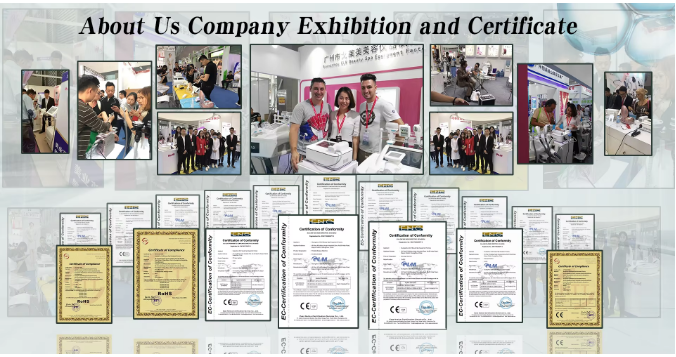
GLM is a specialized beauty instrument factory that produces instruments for a variety of functions, including weight loss devices. We have vacuum negative press, radio frequency fat blasting equipment, frozen fat dissolving machine and EMS body shaping machine. GLM is a 14 year old supplier of beauty instruments with guaranteed quality.https://gdglmbeauty.com/