

What is the process of laser hair removal for leukotrichia?
Leukotrichia, or white hair, can be a challenge to manage when it comes to hair removal. Traditional methods often fall short in effectively targeting and removing white or gray hair. However, advancements in laser technology have opened up new possibilities for those seeking hair removal solutions for leukotrichia. In this article, we will explore the process of laser hair removal for leukotrichia, its effectiveness, and what to expect during the treatment.

Understanding Leukotrichia
Leukotrichia pertains to the condition where hair loses its pigment, resulting in the appearance of white or gray strands. This phenomenon can stem from various factors, including the natural process of aging, genetic predisposition, stress, and certain medical conditions. The absence of pigment in white hair presents a unique challenge, particularly when it comes to traditional hair removal methods like waxing or shaving, which often rely on targeting the dark pigment found in hair follicles.
How Laser Hair Removal Works
Laser hair removal is a widely popular method for achieving long-term hair reduction. However, its effectiveness in treating white hair has been a topic of discussion. The procedure involves directing concentrated beams of laser light at the melanin, or pigment, present in hair follicles. The light energy is absorbed by the melanin, converted into heat, and subsequently damages the hair follicle, thereby inhibiting future hair growth.
Challenges in Treating Leukotrichia with Laser Hair Removal
One of the primary challenges in treating leukotrichia with laser hair removal lies in the fact that white or gray hair lacks melanin. This makes it difficult for traditional laser devices to effectively differentiate between the hair and the surrounding skin, thereby reducing the efficacy of the treatment.
Advancements in Laser Technology for Leukotrichia
Despite these challenges, recent studies and advancements in laser technology have demonstrated promising results in treating leukotrichia. Specialized lasers, such as Nd:YAG or alexandrite lasers, have been specifically designed to target white or blonde hair more effectively.
Factors Influencing Effectiveness
The effectiveness of laser hair removal for leukotrichia can vary depending on several factors, including hair thickness, skin type, and an individual's response to treatment. Therefore, it is crucial to consult with a qualified dermatologist or laser hair removal specialist to determine the most appropriate treatment approach for your specific case.
The Laser Hair Removal Process for Leukotrichia
The process of laser hair removal for leukotrichia mirrors the standard procedure used for darker hair, albeit with specific considerations for the lack of pigment. Here's a step-by-step breakdown:
Consultation:
- Begin with a consultation with a qualified specialist to evaluate your hair and skin type. Discuss your expectations, potential risks, and side effects. The specialist will tailor the treatment plan to your specific needs.
Preparation:
- Prior to the treatment session, shave the targeted area a day or two before to ensure the laser can effectively target the hair follicle beneath the skin's surface.
Treatment Session:
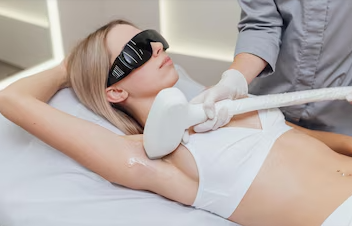
- During the session, a handheld laser device is meticulously maneuvered over the targeted area. The laser emits short, precise pulses of light, targeting the hair follicles and damaging them to impede future hair growth. Specialized lasers, such as Nd:YAG or alexandrite, are often used due to their effectiveness in treating white hair.
Post-Treatment Care:
- Post-treatment, you may experience temporary redness, swelling, or mild discomfort. Applying soothing creams or ice packs can help alleviate any discomfort. It's essential to follow the post-treatment guidelines provided by your specialist.
Benefits and Risks of Laser Hair Removal for White Hair
Laser hair removal for leukotrichia offers several advantages over traditional methods:
Benefits:
- Precision: Specialized lasers can target white hair with greater accuracy, minimizing the risk of damaging surrounding skin.
- Long-term Results: Laser hair removal provides long-lasting hair reduction, offering a sustainable solution for leukotrichia.
- Versatility: The treatment can be performed on various body areas, including the face, arms, legs, and bikini line.
Risks and Side Effects:
- Hyperpigmentation: Some individuals may experience temporary skin darkening or lightening after laser treatment.
- Skin Sensitivity: Laser hair removal can cause temporary skin sensitivity, redness, or swelling in the treated area.
- Sun Exposure: It's crucial to protect your skin from excessive sun exposure post-treatment to avoid complications.
Laser hair removal has emerged as a viable option for individuals with leukotrichia or white hair who seek a more effective and long-lasting hair removal solution. While the effectiveness of laser hair removal for white hair may vary depending on various factors, advancements in laser technology offer hope for those struggling with this concern. Consult with a qualified professional to explore the best treatment approach for you and enjoy smoother, hair-free skin.
Remember, each individual's experience may differ, so it's crucial to consult with a qualified dermatologist or laser hair removal specialist to evaluate your suitability for the treatment and address any concerns you may have. Say goodbye to the limitations of traditional hair removal methods and embrace the possibilities of laser hair removal for white hair!