
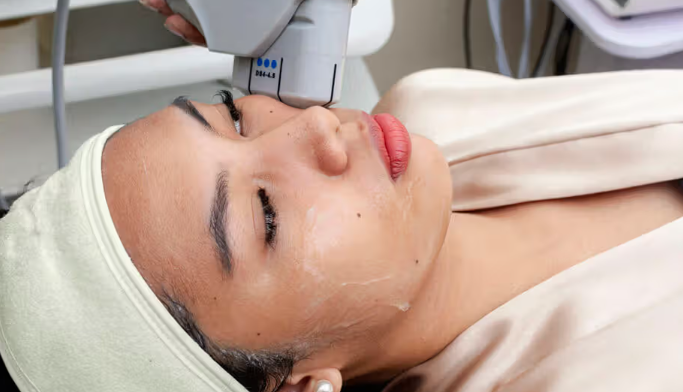
Comprehensive Guide to Selecting and Purchasing HIFU Machines for Aesthetic Practices
In the ever-evolving landscape of aesthetic medicine, High-Intensity Focused Ultrasound (HIFU) technology has emerged as a cornerstone for non-invasive skin tightening, body contouring, and facial rejuvenation. As demand for these procedures continues to surge, aesthetic clinics, medical spas, and beauty centers are increasingly seeking high-quality HIFU machines to enhance their service offerings. However, navigating the complexities of HIFU machine selection requires a nuanced understanding of technology, business needs, and regulatory compliance. This expanded guide provides a detailed, professional roadmap to help you make an informed, strategic investment.
I. Understanding Your Business Needs
Before diving into HIFU machine specifications, it’s essential to align your purchase with your practice’s strategic goals and client demands.
1. Define Your Service Portfolio
- Facial Rejuvenation: If your focus is on anti-aging treatments (e.g., wrinkle reduction, skin tightening, brow lifts), prioritize HIFU machines with precision facial cartridges and adjustable energy levels.
- Body Contouring: For fat reduction, cellulite treatment, or muscle toning (e.g., abdominal sculpting, thigh contouring), opt for devices with deeper penetration depths and higher energy outputs.
- Multipurpose Solutions: Consider hybrid machines that offer both facial and body capabilities to maximize versatility and ROI.
2. Analyze Client Demographics
- Age and Skin Types: Older clients may require deeper treatments for collagen stimulation, while younger clients might seek subtle skin tightening.
- Treatment Preferences: Some clients prioritize minimal downtime, while others may accept longer recovery for more dramatic results.
- Budget Constraints: Offer tiered pricing by investing in a machine that accommodates both basic and premium treatment protocols.
3. Project Treatment Volume
- High-Volume Clinics: Robust machines with rapid treatment cycles (e.g., 15–30 minutes per session) and durable components are critical.
- Low-Volume Practices: Compact, energy-efficient models may suffice, but ensure they still meet safety and efficacy standards.
II. Types and Technologies of HIFU Machines
HIFU technology varies significantly in design, functionality, and clinical outcomes. Understanding these differences is key to selecting the right device.
1. Categories of HIFU Machines
- Facial HIFU Devices:
- Key Features: Shallow penetration depths (1.5–4.5 mm), fine-tuned energy settings, and specialized cartridges for delicate areas (e.g., under-eye, neck).
- Examples: Ultherapy (Merz Aesthetics), Doublo Gold (Hironic).
- Body HIFU Devices:
- Key Features: Deeper penetration (8–13 mm), higher energy outputs, and larger treatment spots for faster coverage.
- Examples: Ultraformer III (Classys), BTL Exilis Ultra.
- Multipurpose Systems:
- Key Features: Interchangeable cartridges, adjustable depths, and hybrid energy modes (e.g., combining HIFU with radiofrequency).
- Examples: 7D HIFU (Master HIFU), Sofwave.
2. Advanced Technologies to Prioritize
- Multi-Line Technology: Enables simultaneous treatment of multiple focal points, reducing session times.
- 3D/4D HIFU: Uses real-time imaging to customize treatment patterns, improving precision.
- Fractional HIFU: Combines micro-focused ultrasound with macro-focused beams for layered tissue remodeling.
- AI-Powered Optimization: Machines with artificial intelligence that adjust energy delivery based on skin impedance and tissue response.
3. Safety and Certifications
- FDA Clearance: Essential for U.S. practices; ensures the device meets rigorous safety and efficacy standards.
- CE Marking: Required for European markets; indicates compliance with EU health, safety, and environmental regulations.
- ISO Certifications: Look for ISO 13485 (medical device quality management) and ISO 9001 (general quality management).
III. Key Features to Evaluate
When comparing HIFU machines, prioritize features that enhance safety, efficacy, and operational efficiency.
1. Energy Output and Adjustability
- Range: 0.1–7 J/cm² (facial) vs. 1.0–10 J/cm² (body).
- Customization: Machines with programmable energy levels, pulse durations, and spacing intervals allow tailored treatments.
- Real-Time Monitoring: Sensors that detect skin impedance and adjust energy delivery to prevent burns or under-treatment.
2. Treatment Depths and Cartridge Options
- Facial Cartridges: Typically 1.5 mm (dermis), 3.0 mm (superficial SMAS), and 4.5 mm (deep SMAS).
- Body Cartridges: 6.0 mm (subcutaneous fat), 8.0 mm (deep fat), and 13.0 mm (muscle).
- Versatility: Machines with 5+ cartridge options provide greater flexibility for diverse client needs.
3. User Interface and Workflow
- Touchscreen Displays: Intuitive, high-resolution screens with pre-set protocols for common treatments.
- Treatment Planning Software: Tools for mapping treatment areas, tracking progress, and generating client reports.
- Ergonomics: Lightweight, ergonomic handpieces reduce operator fatigue during long sessions.
4. Portability and Space Efficiency
- Compact Design: Ideal for mobile clinics or small practices.
- Built-In Storage: Carts or cabinets for organizing cartridges, gels, and accessories.
5. Maintenance and Longevity
- Self-Diagnostic Systems: Machines that alert operators to maintenance needs (e.g., cartridge replacement, calibration).
- Consumable Costs: Evaluate the price and lifespan of cartridges, coupling gels, and filters.
- Warranty Coverage: Aim for 2–3 years of warranty on the main unit and 1 year on handpieces.
IV. Evaluating Manufacturer and Supplier Reputation
A reputable supplier ensures reliability, support, and long-term value.
1. Researching Trusted Brands
- Established Players: Look for manufacturers with 10+ years of HIFU experience (e.g., Classys, Hironic, BTL).
- Innovation Track Record: Brands that regularly update their technology and invest in R&D.
2. Customer Reviews and Case Studies
- Independent Reviews: Seek feedback on platforms like RealSelf, aesthetic forums, or industry publications.
- Clinical Studies: Machines backed by peer-reviewed research demonstrate efficacy and safety.
3. After-Sales Support
- Technical Support: 24/7 hotlines, remote diagnostics, and on-site engineers.
- Training Programs: Comprehensive hands-on training, certification courses, and refresher workshops.
- Spare Parts Availability: Ensure critical components (e.g., transducers, circuit boards) are readily stocked.
V. Regulatory Compliance and Training
Compliance with local regulations and staff training are non-negotiable for safe, legal operation.
1. Medical-Grade Certifications
- Local Regulations: Verify that the device is approved for use in your country (e.g., Health Canada, TGA Australia).
- Liability Insurance: Some insurers require FDA-cleared or CE-marked devices to provide coverage.
2. Operator Training
- Certification Courses: Ensure your staff complete manufacturer-approved training.
- Ongoing Education: Subscribe to webinars, workshops, and conferences to stay updated on best practices.
3. Documentation
- User Manuals: Clear, illustrated guides for setup, operation, and troubleshooting.
- Safety Data Sheets: Information on handling consumables, disposing of waste, and emergency procedures.
VI. Budgeting and Cost Analysis
A well-planned budget ensures profitability without compromising quality.
1. Upfront Costs
- Price Range: 100,000+, depending on features and brand.
- Financing Options: Leasing, payment plans, or trade-in programs can ease cash flow.
2. Total Cost of Ownership (TCO)
- Consumables: Cartridges (800 each), coupling gels (200 per bottle).
- Maintenance: Annual servicing (2,000) and calibration.
- Software Updates: Some manufacturers charge for firmware upgrades.
3. Return on Investment (ROI)
- Pricing Strategy: Charge 1,500 per session, depending on treatment area and complexity.
- Client Retention: HIFU treatments often require 3–6 sessions, ensuring recurring revenue.
- Upselling Opportunities: Combine HIFU with complementary treatments (e.g., microneedling, PRP) to boost profitability.
VII. Where to Purchase HIFU Machines
Choose reputable channels to avoid counterfeit or substandard devices.
1. Authorized Distributors
- Benefits: Direct access to manufacturer support, genuine parts, and warranty validation.
- Red Flags: Avoid sellers offering "too-good-to-be-true" discounts or refusing to provide serial numbers.
2. In-Person Demonstrations
- Test Drives: Evaluate ergonomics, noise levels, and treatment speed firsthand.
- Clinical Trials: Some suppliers offer free treatment sessions on staff or volunteers.
3. Industry Events
- Trade Shows: Attend conferences like the American Academy of Dermatology (AAD) or International Master Course on Aging Skin (IMCAS) to compare devices.
- Exclusive Deals: Manufacturers often offer show-only discounts or bundled packages.
VIII. Common Pitfalls to Avoid
Steer clear of these mistakes to protect your investment and reputation.
1. Neglecting After-Sales Support
- Risk: Extended downtime due to lack of spare parts or technical assistance.
- Solution: Prioritize suppliers with local service centers or rapid shipping.
2. Underestimating Hidden Costs
- Risk: Unforeseen expenses (e.g., customs duties, shipping delays) erode profit margins.
- Solution: Request a detailed quote including all fees (taxes, insurance, training).
3. Compromising on Quality for Price
- Risk: Cheap, unregulated devices may cause burns, scarring, or legal liabilities.
- Solution: Invest in FDA-cleared or CE-marked machines, even if they cost more upfront.
IX. Conclusion: The Path to Success
Investing in a HIFU machine is a strategic decision that can elevate your practice’s reputation, client satisfaction, and revenue. By:
- Aligning with your business goals,
- Prioritizing safety, efficacy, and compliance,
- Selecting a reputable supplier, and
- Budgeting wisely,
you’ll position your practice for long-term success in the competitive aesthetic industry. Remember, the right HIFU machine is not just a piece of equipment—it’s a catalyst for innovation and growth.