
Introduction
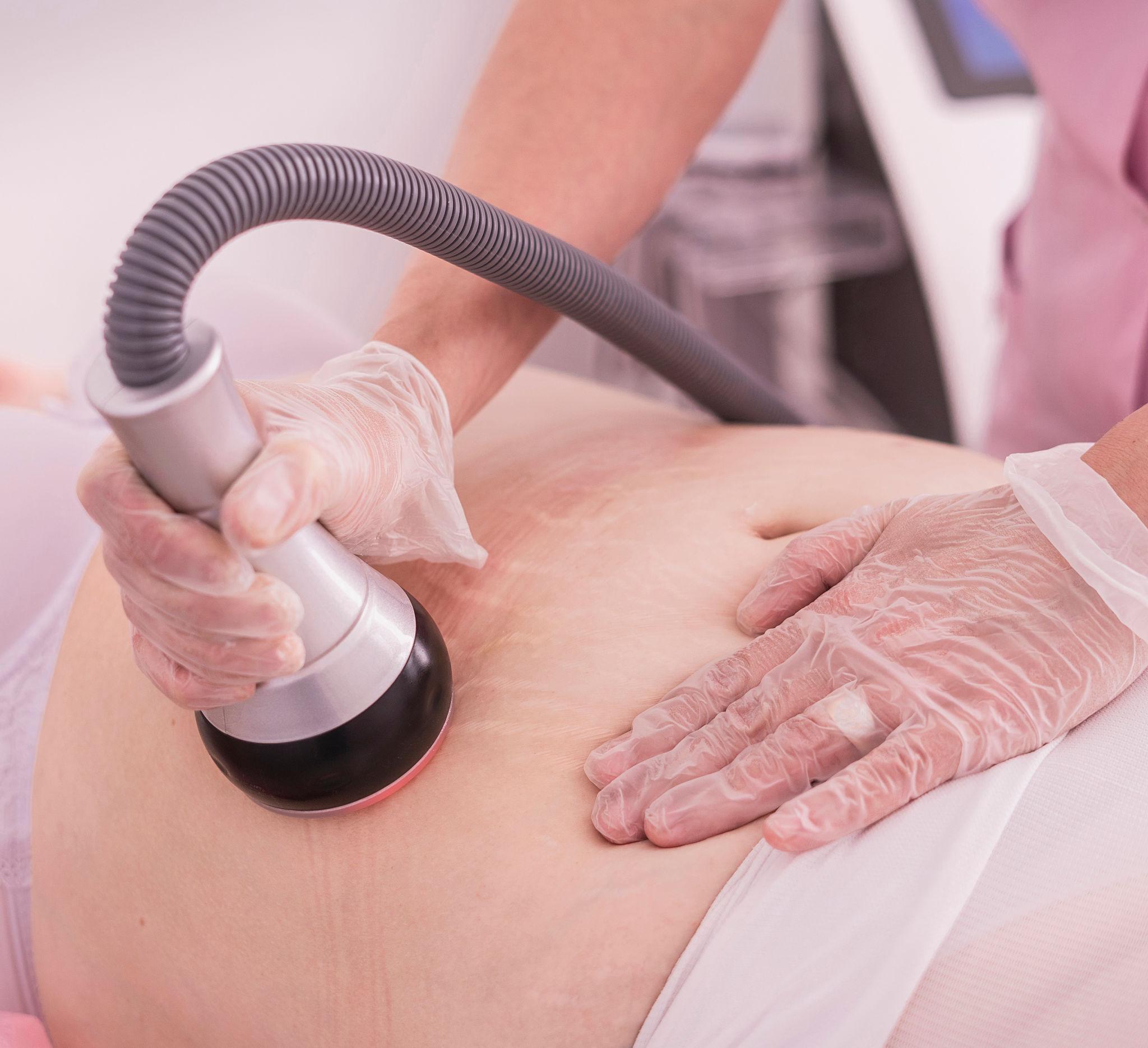
Non-invasive body contouring treatments continue to grow rapidly in the professional aesthetics industry, and cavitation therapy remains one of the most requested procedures in beauty clinics and body sculpting centers. Clients who want visible body-shaping improvements without surgery are increasingly choosing cavitation because it offers a comfortable treatment experience, minimal downtime, and gradual natural-looking results.
However, many clients focus only on the procedure itself and pay less attention to what happens afterward. In reality, post-treatment expectations play an important role in overall satisfaction and treatment success. Understanding how the body responds after cavitation can help clients achieve better outcomes while allowing clinics and salons to deliver a more professional consultation experience.
For professional beauty operators, educating clients about recovery timelines, hydration, lymphatic drainage, and realistic result expectations is essential. Proper aftercare not only improves treatment performance but also increases client trust and repeat bookings.
This article explains what clients can expect after cavitation treatment, including how the technology works, common post-treatment reactions, recovery recommendations, and why professional-grade cavitation systems continue to be widely used in modern aesthetic clinics.
Background / Problem
Body contouring has become one of the largest categories in non-invasive aesthetics. Many clients want to reduce localized fat deposits around areas such as:
- Abdomen
- Thighs
- Arms
- Waistline
- Back
- Hips
At the same time, many consumers prefer to avoid surgical procedures such as liposuction because of:
- High cost
- Recovery time
- Surgical risks
- Downtime
- Fear of invasive treatments
This demand has created significant growth in non-surgical body contouring technologies, including cavitation, radio frequency, cryolipolysis, EMS sculpting, and vacuum therapy.
Among these options, cavitation has become particularly popular because it combines comfort, affordability, and treatment flexibility. Professional clinics often integrate cavitation into broader body sculpting protocols alongside lymphatic drainage, vacuum massage, and skin tightening procedures.
However, one common misconception is that cavitation delivers instant fat removal. In reality, the body requires time to process and eliminate disrupted fat cells naturally. Without proper understanding of the post-treatment process, some clients may develop unrealistic expectations or fail to follow important aftercare instructions.
For clinics and professional operators, setting clear expectations is critical to achieving long-term client satisfaction.
Technology / Mechanism
How Cavitation Technology Works
Ultrasonic cavitation uses low-frequency ultrasound energy to target localized fat deposits beneath the skin.
During treatment, the cavitation device generates ultrasonic waves that create microscopic pressure changes within fat tissue. These pressure fluctuations form tiny bubbles around fat cells. As the bubbles collapse, they disrupt fat cell membranes and release stored fatty substances.
The released fat contents are then gradually processed by the body through:
- The lymphatic system
- Natural metabolic activity
- Liver filtration processes
Unlike surgical fat reduction procedures, cavitation does not physically remove fat during treatment. Instead, it supports the body’s natural elimination mechanisms over time.
Professional cavitation systems used in clinics typically provide:
- Stable energy output
- Adjustable frequency settings
- Larger treatment coverage
- More consistent penetration depth
- Better treatment control
These features help improve treatment precision and overall effectiveness compared with many home-use devices.
What Happens Immediately After Treatment
Most clients experience very mild post-treatment reactions.
Immediately after a cavitation session, clients may notice:
- Slight warmth in the treated area
- Mild redness
- Temporary skin sensitivity
- Increased urination
- A feeling of lightness in the treatment zone
These reactions are generally temporary and usually resolve quickly.
Some clients also report hearing a high-pitched ringing sound during treatment. This is caused by ultrasonic frequencies interacting with the inner ear and is considered a normal response.
Unlike surgical procedures, cavitation typically does not involve bruising, incisions, or significant recovery periods, which is one reason it remains attractive for busy clients.
The Role of the Lymphatic System
One of the most important aspects of post-cavitation recovery is lymphatic drainage.
After fat cells are disrupted, the body must transport and eliminate the released contents efficiently. The lymphatic system plays a major role in this process.
This is why many professional clinics combine cavitation with:
- Vacuum roller massage
- Pressotherapy
- Radio frequency
- Manual lymphatic drainage
- Light exercise recommendations
These supportive treatments may help optimize circulation and improve the body’s natural metabolic response.
Hydration is also extremely important after cavitation because water supports lymphatic function and waste elimination.
Advantages / Comparison
Why Professional Cavitation Treatments Deliver Better Results
Although portable cavitation devices have become widely available, professional clinic-based systems continue to offer significant advantages.
Higher Energy Stability
Professional cavitation machines deliver more stable ultrasonic output, allowing for more consistent treatment performance.
Better Treatment Depth Control
Clinic-grade systems allow operators to adjust frequencies according to body area, fat thickness, and client sensitivity.
Combination Treatments
Professional clinics often combine cavitation with:
- RF skin tightening
- EMS sculpting
- Vacuum therapy
- Lymphatic drainage
This integrated approach can improve both body contouring and skin appearance.
Safer Treatment Monitoring
Experienced operators can monitor skin response, treatment duration, and client comfort levels more accurately than self-administered home procedures.
Customized Treatment Plans
Professional consultations allow clinics to create personalized body contouring strategies based on:
- Body composition
- Lifestyle
- Hydration habits
- Treatment goals
This level of customization is difficult to achieve with basic home-use devices.
Applications / Client Needs
Common Treatment Areas
Cavitation is most commonly used for localized body contouring rather than major weight loss.
Popular treatment zones include:
- Lower abdomen
- Love handles
- Inner thighs
- Upper arms
- Back fat
- Hips
Many clinics also use cavitation as part of post-weight-loss body shaping programs.
What Results Should Clients Expect?
One of the most important topics during consultation is setting realistic expectations.
Gradual Improvement
Results are usually progressive rather than immediate. Some clients notice changes within days, while others require multiple sessions.
Body Contouring, Not Weight Loss
Cavitation primarily focuses on reshaping localized areas rather than producing dramatic overall weight reduction.
Multiple Sessions
Professional clinics often recommend a treatment series depending on:
- Fat density
- Target area size
- Lifestyle habits
- Metabolic response
Maintenance Matters
Long-term results are strongly influenced by:
- Diet
- Exercise
- Hydration
- Lifestyle consistency
Post-Treatment Recommendations
Professional operators typically advise clients to follow several aftercare recommendations.
Drink More Water
Hydration helps support metabolic and lymphatic activity after treatment.
Avoid Heavy Alcohol Consumption
Excessive alcohol may place additional stress on the liver during fat processing.
Maintain Physical Activity
Light exercise may help stimulate circulation and support fat metabolism.
Follow Scheduled Treatments
Consistent sessions usually provide better cumulative results.
Combine With Other Treatments
Many clinics enhance cavitation results by combining treatments such as RF tightening or vacuum lymphatic therapy.
Why Clients Continue Choosing Cavitation
In 2026, cavitation remains popular because it aligns closely with modern client preferences:
- Non-invasive procedures
- Minimal downtime
- Comfortable treatment experience
- Gradual natural-looking results
- Flexible treatment plans
For beauty clinics and body contouring centers, cavitation also offers strong commercial value because it can be integrated into comprehensive treatment packages.
Conclusion
Cavitation treatment continues to play an important role in professional non-invasive body contouring. While the procedure itself is relatively comfortable and low-risk, understanding the post-treatment process is essential for achieving optimal results.
After treatment, clients can generally expect mild temporary reactions, gradual body contouring improvements, and the need for proper hydration and lymphatic support. Since the body naturally processes disrupted fat cells over time, realistic expectations and consistent aftercare are key factors in treatment success.
Professional cavitation systems used in clinics provide important advantages in terms of energy stability, treatment customization, safety, and combination therapy options. These factors help professional operators deliver more reliable and personalized body contouring experiences compared with many home-use alternatives.
As demand for non-invasive aesthetic procedures continues to grow, cavitation remains a valuable technology for clinics seeking to provide comfortable, effective, and modern body shaping solutions.
Founded in 2008, Guangzhou GLM Beauty Spa Equipment Factory specializes in research, development, manufacture and selling of beauty and slimming machines. Our production base is located in Guangzhou City, Guangdong Province, China. Since our foundation, we have introduced advanced technologies and equipment, to assure high quality and high performance of our products. With professional marketing guide and excellent after-sales service, our products have been exported to over 20 countries and regions, including Southeast Asia, the Middle East, Europe and the United States, won worldwide praises and gained a good reputation.