
Introduction
Non-invasive body contouring has become one of the most requested services in modern aesthetic clinics. Among the available technologies, fat freezing—also known as cryolipolysis—is especially popular because it targets stubborn fat deposits without surgery, needles, or significant downtime.
For many first-time clients, however, the biggest question is not “Does it work?” but “What actually happens during a session?” Understanding the treatment process helps clients feel more confident and allows clinics to set realistic expectations from the beginning.
This guide explains what clients can expect before, during, and after a professional fat freezing session, while also highlighting how clinic-grade equipment supports treatment safety, comfort, and consistency.
Why People Choose Fat Freezing for Stubborn Fat
Even individuals who maintain a healthy diet and exercise regularly often struggle with localized fat deposits around the abdomen, flanks, thighs, arms, or under the chin. These areas can be resistant to lifestyle changes because fat cells in different regions respond differently to metabolic signals.
Traditional solutions such as liposuction require surgery and recovery time, while many home-use devices provide only superficial cooling or massage effects. Professional cryolipolysis offers a middle ground: targeted fat reduction with minimal interruption to daily life.
As a result, aesthetic clinics frequently recommend fat freezing for clients who:
-
Are close to their ideal body weight.
-
Want to improve body contours rather than lose large amounts of weight.
-
Prefer non-surgical treatments.
-
Need a treatment that fits into a busy schedule.
How Cryolipolysis Technology Works
The science behind fat freezing is based on the fact that fat cells are more sensitive to cold temperatures than surrounding skin, muscle, and connective tissue. During treatment, a controlled cooling applicator lowers the temperature of the targeted area to a carefully monitored range.
The cold exposure triggers a natural process called apoptosis, or programmed fat-cell breakdown. Over the following weeks and months, the body gradually processes and removes the affected fat cells through normal metabolic pathways.
Unlike treatments that rely solely on temporary dehydration or tissue compression, cryolipolysis aims to reduce the number of fat cells in the treated area, which is why results typically appear gradually rather than immediately.
What Happens Before the Session
Before treatment begins, a trained practitioner performs a consultation and evaluates the target area.
Before the Session
During this stage, clients can expect:
-
Measurement and assessment of the fat deposit.
-
Discussion of treatment goals.
-
Review of medical history and contraindications.
-
Selection of the appropriate applicator size and cooling parameters.
-
Photographs for before-and-after comparison.
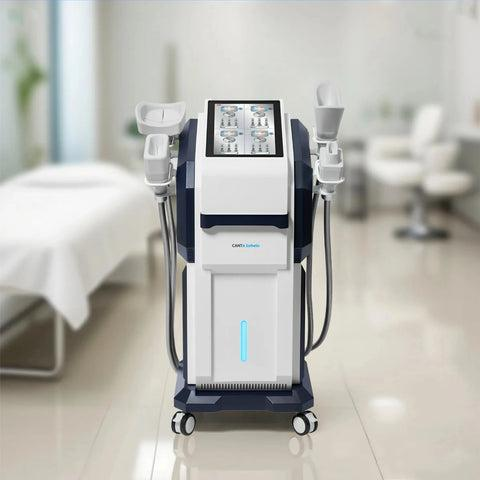
Professional clinics generally use equipment with multiple applicator options because different body areas require different levels of suction and cooling coverage. A proper fit improves both comfort and treatment efficiency.
Inside the Treatment Room
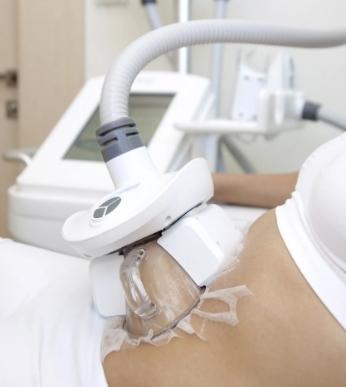
Once the client is positioned comfortably, the practitioner places a protective membrane or gel pad on the skin. The applicator is then attached to the treatment area using gentle vacuum suction.
Most clients experience three distinct sensations:
|
Stage |
Typical Feeling |
|---|---|
|
First few minutes |
Strong cold sensation and mild pulling. |
|
After 5–10 minutes |
The area becomes numb, and discomfort decreases significantly. |
|
Remainder of session |
Most clients relax, read, use a phone, or watch videos. |
Depending on the treatment area and device settings, a session usually lasts 30–60 minutes per applicator.
Modern professional systems often include temperature monitoring and automatic safety controls to maintain stable cooling throughout the session. These features help reduce operator variability and improve treatment consistency compared with simpler consumer devices.
What the Practitioner Monitors During Treatment
While the client is resting, the practitioner does not simply leave the machine running. Professional operators continuously monitor:
-
Skin response and color.
-
Applicator suction stability.
-
Temperature readings.
-
Client comfort level.
-
Treatment timing and protocol compliance.
This supervision is one reason clinic-based treatments tend to provide more predictable outcomes than unsupervised home treatments
Technology / Mechanism (Continued)
What Happens Immediately After the Applicator Is Removed?
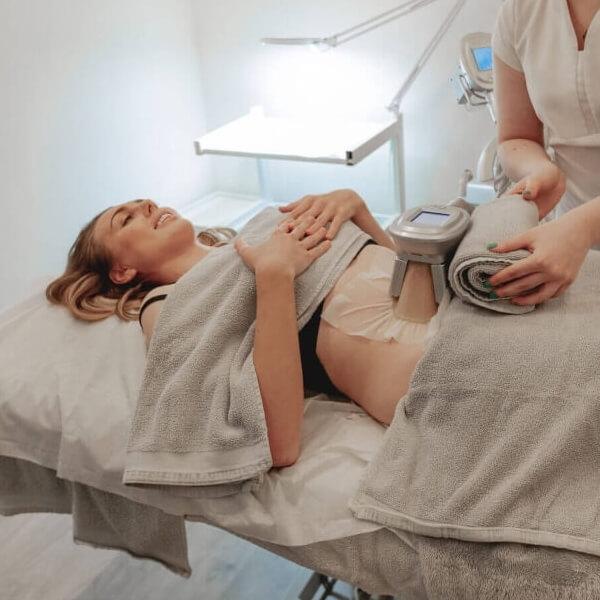
When the treatment cycle ends, the applicator is gently removed from the treatment area. Clients are often surprised by the appearance of the treated tissue. The skin and underlying fat may feel firm, cold, and slightly raised, temporarily matching the shape of the applicator cup. This is completely expected and usually subsides within a few minutes.
The practitioner will then perform a manual massage of the treated area for approximately 2–5 minutes. Although this massage can feel slightly uncomfortable because the tissue is still numb, it plays an important role in restoring circulation and may contribute to improved treatment outcomes.
Typical immediate reactions include:
- Mild redness
- Temporary swelling
- Tingling or numbness
- Firmness of the treated tissue
- Slight tenderness
These effects generally resolve naturally over the following hours or days without requiring downtime.
Recovery: What Clients Can Expect in the Following Weeks
Unlike surgical body contouring procedures, fat freezing does not produce dramatic overnight changes. Instead, the body gradually processes the affected fat cells through its natural lymphatic and metabolic systems.
A typical recovery timeline looks like this:
| Time After Treatment | What Usually Happens |
|---|---|
| First 24 hours | Mild redness, numbness, or tenderness may remain. |
| 1–2 weeks | Most temporary sensations gradually disappear. |
| 3–6 weeks | Early contour improvements may begin to appear. |
| 8–12 weeks | More noticeable fat reduction becomes visible. |
| Up to 3 months | Final results are commonly observed. |
Because the body requires time to eliminate treated fat cells, clients should understand that patience is part of the treatment process. Setting realistic expectations is an essential responsibility for every aesthetic practitioner.
Advantages of Professional Fat Freezing Equipment
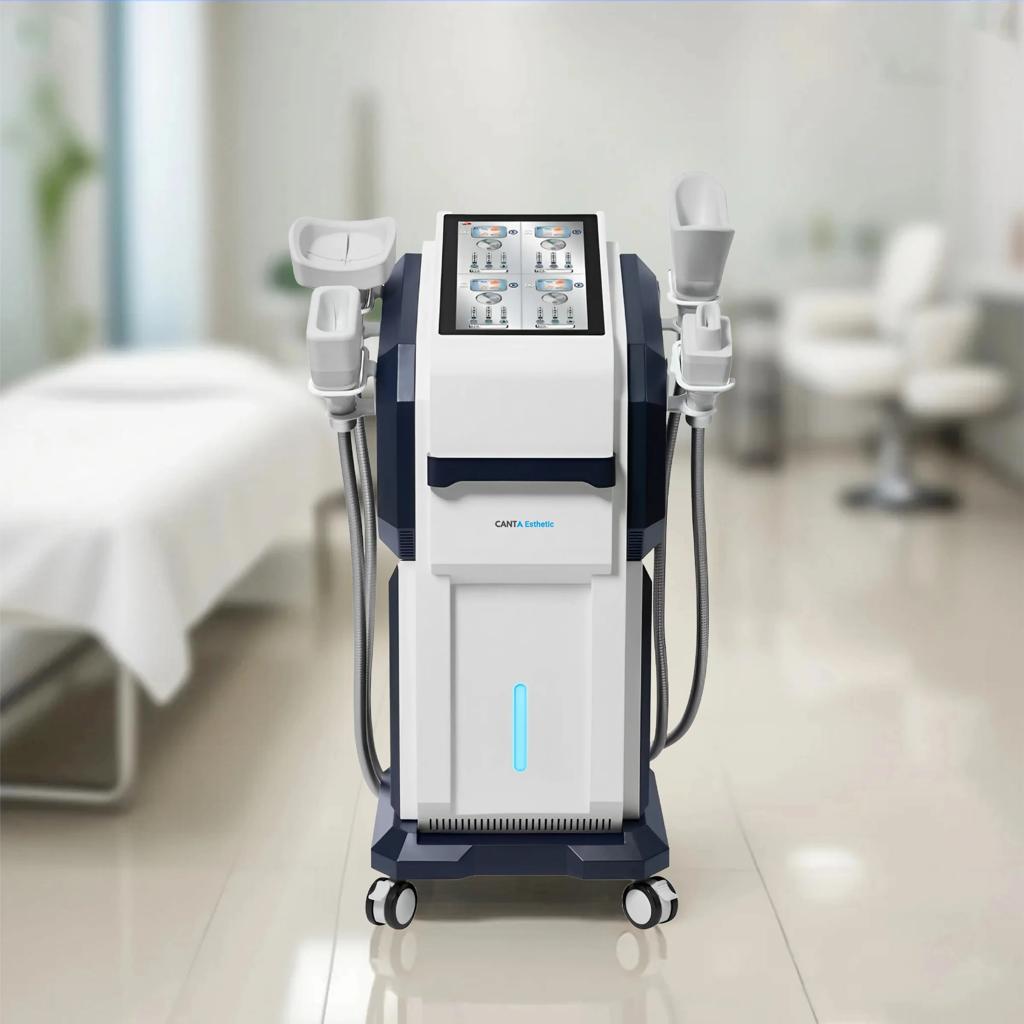
Although consumer-grade cooling devices continue to appear on the market, professional aesthetic clinics rely on advanced cryolipolysis systems for several important reasons.
1. Precise Temperature Control
Professional systems maintain a stable therapeutic cooling temperature throughout the session. Consistent temperature management helps maximize treatment efficiency while protecting surrounding tissues.
2. Multiple Applicator Options
Every body area has unique contours and tissue thickness. Professional equipment typically offers interchangeable applicators designed for:
- Abdomen
- Flanks (love handles)
- Inner thighs
- Outer thighs
- Upper arms
- Back fat
- Double chin
- Bra line
Selecting the correct applicator improves contact between the cooling plate and the treatment area, resulting in more even energy delivery.
3. Built-In Safety Features
Modern clinic-grade machines often incorporate:
- Intelligent temperature monitoring
- Automatic shutdown protection
- Vacuum pressure adjustment
- Skin protection protocols
- Real-time treatment monitoring
These technologies help practitioners deliver treatments more safely and consistently.
4. Greater Treatment Efficiency
Many commercial systems include dual or quad applicators, allowing practitioners to treat multiple body areas simultaneously. This reduces overall appointment time while increasing clinic productivity.
5. Professional Assessment and Customized Protocols
Technology alone does not determine treatment success. Experienced practitioners evaluate factors such as:
- Fat thickness
- Body composition
- Skin elasticity
- Treatment history
- Individual aesthetic goals
This personalized approach helps ensure that treatment parameters are appropriate for each client rather than applying a one-size-fits-all protocol.
Fat Freezing vs. Other Body Contouring Treatments
Clients often ask how cryolipolysis compares with other non-invasive body contouring technologies. Each treatment works differently and may be appropriate for different goals.
| Technology | Primary Mechanism | Best For | Downtime |
|---|---|---|---|
| Cryolipolysis | Controlled cooling | Localized fat reduction | Minimal |
| Radio Frequency | Thermal energy | Skin tightening | Minimal |
| Ultrasound Cavitation | Ultrasound energy | Fat disruption | Minimal |
| Vacuum Roller Therapy | Mechanical massage | Circulation and cellulite appearance | None |
| EMS Muscle Stimulation | Electrical impulses | Muscle conditioning | None |
In many professional clinics, these technologies are combined into customized body contouring programs. For example, cryolipolysis may be followed by radio frequency treatments to support skin tightening or lymphatic massage to enhance overall client satisfaction.
Rather than competing with one another, these technologies often complement each other, allowing practitioners to address multiple aesthetic concerns within a comprehensive treatment plan
Applications and Client Needs
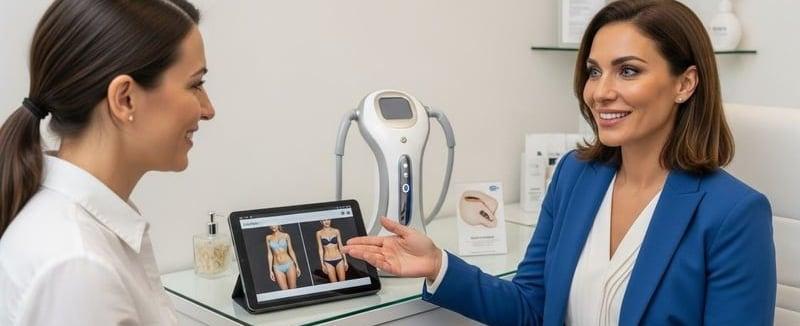
One of the reasons fat freezing has become a staple service in aesthetic clinics is its versatility. While the technology is not intended for weight loss, it can effectively address localized fat deposits that are resistant to diet and exercise. For many clients, these stubborn areas affect body confidence even after achieving a healthy lifestyle.
Professional practitioners begin by identifying the client's goals and determining whether cryolipolysis is the most appropriate treatment. Careful consultation helps establish realistic expectations and improves overall satisfaction.
Ideal Candidates
Fat freezing generally produces the best outcomes for clients who:
- Are near their target body weight.
- Have localized pockets of pinchable fat.
- Maintain a stable weight and healthy lifestyle.
- Prefer non-surgical body contouring.
- Understand that results develop gradually over several weeks.
These clients are often seeking subtle yet noticeable contour improvements rather than dramatic body transformation.
Common Treatment Areas
Professional cryolipolysis systems are designed to treat multiple body regions, including:
- Abdomen
- Love handles (flanks)
- Lower abdomen
- Inner thighs
- Outer thighs
- Upper arms
- Back fat
- Bra bulge
- Double chin (with specialized applicators)
Because different anatomical areas vary in shape and tissue thickness, clinics typically select applicators specifically designed for each treatment zone.
Who May Not Be Suitable?
Although cryolipolysis is considered non-invasive, it is not appropriate for everyone. Treatment may not be recommended for individuals with certain cold-related medical conditions, severe skin disorders in the treatment area, or those who are pregnant. A comprehensive consultation and medical history review should always precede treatment.
Maximizing Treatment Results
The treatment itself is only one part of achieving successful outcomes. Clinics often provide clients with guidance on maintaining their results after each session.
Recommendations commonly include:
- Staying well hydrated.
- Maintaining regular physical activity.
- Following a balanced diet.
- Keeping body weight relatively stable.
- Attending follow-up appointments when recommended.
It is important to emphasize that cryolipolysis removes treated fat cells, but it does not prevent the remaining fat cells from enlarging if significant weight gain occurs. Long-term results depend on continued healthy lifestyle habits.
Frequently Asked Questions
Does a fat freezing session hurt?
Most clients describe the first few minutes as feeling intensely cold with a pulling sensation from the vacuum applicator. Once the treatment area becomes numb, discomfort typically decreases significantly, and many clients spend the remainder of the session reading, using their phone, or relaxing.
How many sessions are usually needed?
The number of sessions depends on the thickness of the fat layer, the treatment area, and the client's aesthetic goals. Some individuals achieve satisfactory improvement after a single session, while others benefit from multiple treatments spaced several weeks apart. A professional assessment helps determine the most appropriate treatment plan.
When will results become visible?
Initial contour changes may begin to appear within three to six weeks. More noticeable improvements are often seen after two to three months as the body gradually eliminates the affected fat cells.
Can fat return after treatment?
The treated fat cells are removed through the body's natural metabolic processes and do not regenerate. However, the remaining fat cells can still enlarge if a client experiences significant weight gain. Maintaining a healthy lifestyle is therefore important for preserving long-term results.
Is there any downtime?
Most clients can return to work and normal daily activities immediately after treatment. Temporary redness, numbness, swelling, or tenderness may occur but generally resolve without affecting routine activities.
Why Professional Equipment Matters
For aesthetic clinics, investing in advanced cryolipolysis technology is about more than offering another treatment—it is about delivering consistent, predictable, and high-quality client experiences.
Modern professional systems provide several operational advantages:
- Multiple applicators for greater treatment flexibility.
- Intelligent cooling control for consistent performance.
- Integrated safety monitoring throughout the session.
- User-friendly interfaces that streamline workflow.
- The ability to combine cryolipolysis with complementary technologies such as radio frequency, vacuum massage, or EMS in comprehensive body contouring programs.
For clients, these features translate into greater comfort, improved treatment precision, and confidence that procedures are being performed under professional supervision.
Conclusion
Fat freezing has established itself as one of the most popular non-invasive body contouring treatments because it offers a practical solution for reducing localized fat without surgery or lengthy recovery. Understanding what happens before, during, and after a session helps clients approach treatment with realistic expectations and greater confidence.
From the initial consultation to post-treatment care, every stage contributes to the overall experience and outcome. Professional cryolipolysis equipment—combined with skilled practitioners, customized treatment planning, and appropriate follow-up—helps clinics deliver safe, efficient, and consistent results.
As demand for non-invasive aesthetic procedures continues to grow, fat freezing remains an important technology for clinics seeking to expand their body contouring services. By combining advanced equipment with professional expertise, practitioners can provide treatments that support both client satisfaction and long-term business success
Founded in 2008, Guangzhou GLM Beauty Spa Equipment Factory specializes in research, development, manufacture and selling of beauty and slimming machines. Our production base is located in Guangzhou City, Guangdong Province, China. Since our foundation, we have introduced advanced technologies and equipment, to assure high quality and high performance of our products. With professional marketing guide and excellent after-sales service, our products have been exported to over 20 countries and regions, including Southeast Asia, the Middle East, Europe and the United States, won worldwide praises and gained a good reputation