1. Introduction
The demand for non-surgical facial rejuvenation continues to shape the professional beauty and aesthetics industry. In 2026, many clients are looking for ways to improve skin firmness, soften the appearance of fine lines, and maintain a refreshed facial appearance without undergoing surgery or accepting an extended recovery period.
A non-surgical facelift can involve several treatment approaches, including radiofrequency (RF) skin tightening, focused ultrasound, injectable treatments, and selected combinations of professional aesthetic procedures. Among these options, RF technology has become an important consideration for clinics and beauty professionals seeking to address mild skin laxity and support gradual improvements in skin texture and firmness.
However, a non-surgical facelift is not a single standardized procedure, and results vary according to the technology used, the client's skin condition, treatment settings, and individual response. RF treatments do not reproduce the structural lifting achieved through surgical facelift procedures. Instead, they can offer a less invasive approach to improving the appearance of skin firmness when appropriately selected and administered.
Understanding what happens before, during, and after treatment helps clients make informed decisions. For professional clinics, it also provides an opportunity to demonstrate the value of consultation, suitable equipment, operator training, and a carefully planned treatment protocol.
2. Background: Why Are Clients Choosing Non-Surgical Facelifts?
Facial skin changes gradually with age. Collagen and elastin, two structural components that contribute to skin support and elasticity, become less abundant or less organized over time. Repeated facial movement, sun exposure, environmental stressors, and changes in facial fat distribution can also influence the appearance of aging.
These changes may become visible as softer jawline definition, mild sagging around the cheeks, fine lines, or a less firm appearance around the lower face and neck. Although skincare products can support hydration and improve the skin's surface condition, they generally cannot produce the same degree of tissue remodeling as appropriately selected professional energy-based treatments.
At the same time, many clients prefer gradual improvements rather than dramatic changes in facial shape. They may want to look less tired while retaining their recognizable facial features. This preference has encouraged interest in non-surgical approaches that emphasize measured improvements, realistic expectations, and limited downtime.
For clinics, non-surgical facial rejuvenation can also complement existing services. A well-designed treatment menu may include RF skin tightening, ultrasound-based procedures where appropriate, professional facials, and supportive skincare. The goal is not to recommend the same procedure to every client, but to match the technology to the person's concerns, medical history, skin characteristics, and desired outcome.
It is important to distinguish between skin tightening and lifting. Skin tightening primarily targets the appearance and quality of the skin, while a surgical facelift can reposition underlying tissues and remove excess skin. Clients with substantial skin laxity may therefore need a surgical consultation to understand which options are likely to meet their expectations.
3. RF Skin Tightening: How Does the Technology Work?
Radiofrequency technology delivers electrical energy into tissue, where tissue resistance converts part of that energy into heat. Depending on the device design and treatment parameters, the intended thermal effect may occur at different tissue depths.
In aesthetic applications, controlled heating is used to influence collagen-containing tissue and support a remodeling response. Existing collagen fibers may undergo immediate thermal changes, while longer-term remodeling processes can contribute to gradual changes in the appearance of firmness and skin texture.
The actual effect depends on several factors, including the RF delivery system, electrode configuration, energy settings, treatment duration, contact quality, cooling mechanisms, and the client's tissue characteristics. Different RF platforms are not interchangeable, and the results reported for one device should not automatically be attributed to another.
Common RF Treatment Approaches
Monopolar RF: This approach generally uses an active treatment electrode and a return electrode to establish an electrical pathway through tissue. Depending on the platform, it can deliver energy to relatively deeper tissue regions.
Bipolar RF: This approach passes energy between two electrodes on the treatment applicator. Its energy distribution depends on electrode spacing, applicator design, and treatment parameters.
Multipolar RF: Some systems use several electrodes to distribute RF energy across the treatment area. The number of electrodes alone does not establish treatment effectiveness; the complete device design and validated operating parameters matter more.
Fractional RF: Certain systems deliver energy through an array or fractional pattern to target selected areas of tissue. Some fractional RF devices use microneedles, while others use different electrode designs. Their indications, recovery profiles, and safety requirements differ.
Professional operators should understand the technology used by their specific device rather than assuming that all RF treatments produce the same effects. Manufacturer instructions, device-specific training, and appropriate clinical assessment are essential to treatment planning.
4. What to Expect During a Non-Surgical Facelift
A professional RF skin-tightening appointment generally follows several stages. The exact process varies by device, treatment area, and clinic protocol.
Step 1: Consultation and Skin Assessment
The appointment should begin with a discussion of the client's goals, medical history, medications, previous aesthetic procedures, and relevant contraindications. The practitioner assesses skin laxity, texture, facial contours, and the areas the client would like to improve.
Photographs may be taken with informed consent to document the baseline appearance and support later comparisons. The practitioner should explain the realistic scope of treatment, expected recovery, possible adverse effects, and whether another approach may be more suitable.
This stage is particularly important for clients who expect a surgical degree of lifting from a non-surgical procedure. Clear communication helps align expectations with the capabilities of the selected technology.
Step 2: Preparation
The skin is generally cleansed, and makeup, skincare residue, or other material that could interfere with treatment is removed. Depending on the device, the practitioner may apply a specified coupling medium, position a return electrode, or complete other preparation steps described in the manufacturer's instructions.
Treatment areas are identified, and the device is checked before use. Eye protection or other protective measures should be provided whenever required by the equipment and treatment protocol.
Step 3: RF Energy Delivery
The practitioner moves the applicator across the designated treatment areas using the technique, contact pressure, movement pattern, and energy settings specified for the device. Depending on the system, clients may experience a gradual warming sensation, brief discomfort, or localized heat.
Treatment should remain within the device's validated operating parameters. Increasing energy unnecessarily does not guarantee better results and may increase the risk of burns, prolonged redness, pigment changes, or other complications.
The practitioner monitors the client's comfort and the skin's response throughout the session. Treatment should be stopped or adjusted when the response is inconsistent with the expected safety profile.
Step 4: Post-Treatment Assessment
After the procedure, the practitioner checks the treated skin and provides instructions tailored to the device and the client's response. Mild redness, warmth, tenderness, or swelling may occur, depending on the RF technology and treatment intensity.
The client should know which symptoms are expected, which activities or products to avoid, and when to contact the clinic. Increasing pain, blistering, significant swelling, or other concerning symptoms require prompt professional assessment.
5. Recovery Time: When Can Clients Return to Normal Activities?
Recovery time is one of the main considerations for people comparing non-surgical facial rejuvenation options. However, there is no single recovery timeline for every RF treatment.
After some non-invasive RF procedures, clients experience mild redness or warmth that settles within hours. Others may have temporary swelling, tenderness, or redness lasting longer, particularly after more intensive treatments. Fractional or microneedling-based RF can involve a different recovery profile from non-invasive surface-applied RF.
The clinic should communicate the likely recovery period based on the exact device, treatment settings, and individual assessment rather than advertising a universal downtime claim.
Practical Aftercare Considerations
-
Follow the practitioner's instructions and use gentle skincare products appropriate for the treated skin.
-
Apply broad-spectrum sunscreen and limit unnecessary sun exposure, particularly while the skin is recovering.
-
Avoid irritating exfoliants, aggressive treatments, or other products for the period specified by the practitioner.
-
Follow device-specific guidance regarding exercise, heat exposure, saunas, and other activities that may aggravate temporary irritation.
-
Do not assume that more redness or discomfort means the treatment is working better.
Clients should contact the treating professional if symptoms worsen, persist unexpectedly, or suggest a complication. Recovery guidance should be specific to the procedure performed, not copied from a different RF technology.
6. When Will Results Appear, and How Natural Can They Look?
Some clients may notice an immediate change in skin appearance after treatment, but early changes should not be confused with the final outcome. Temporary tissue responses can influence how the skin looks immediately after a session.
Longer-term changes associated with collagen remodeling generally develop over weeks to months, depending on the technology, treatment protocol, and individual response. Some clients may require a series of sessions, while others may be suitable for a different schedule. Maintenance recommendations should be based on the device instructions and a professional assessment rather than a fixed package offered to everyone.
Natural-looking results depend on appropriate patient selection and realistic treatment goals. RF may help improve the appearance of mild laxity and skin texture, but it cannot reliably eliminate substantial excess skin or reproduce the effects of surgery.
For clients with significant volume loss, deep folds, prominent jowls, or advanced skin laxity, RF alone may not address the primary concern. A qualified practitioner can discuss alternative treatments or referral options where appropriate.
Clinics should also avoid guaranteeing a specific degree of tightening. Age, baseline skin condition, anatomical differences, lifestyle factors, and the selected treatment all influence the outcome.
7. Professional RF Devices vs. Home Beauty Devices
Home beauty devices can appeal to consumers who prefer convenience and regular self-care. However, consumer devices and professional RF systems may differ in energy delivery, applicator design, monitoring features, treatment protocols, and intended use.
Professional equipment is designed for use within a defined operating framework and should be used by appropriately trained personnel. Depending on the system, professional platforms may offer adjustable parameters, dedicated applicators, treatment monitoring, and device-specific protocols that support a more structured service.
These features do not automatically make every professional device more effective or safer than every home device. Performance depends on the actual technology, product quality, intended use, evidence, and correct operation. Home devices should be used only as directed, and clients should not attempt to reproduce clinic-level settings independently.
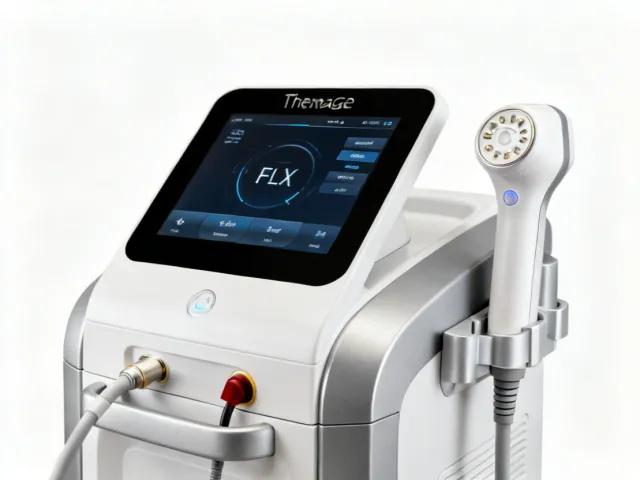
For beauty salons and aesthetic clinics, equipment selection should involve more than comparing headline power ratings or counting treatment modes. Buyers should examine the device's intended indications, available safety documentation, operator training requirements, maintenance support, consumable costs, warranty terms, and suitability for the clinic's client base.
Manufacturers and distributors can support professional buyers by providing clear technical specifications, practical training, transparent documentation, and responsive after-sales service. These factors can be as important to long-term clinic operations as the device's advertised features.
8. Applications and Client Needs in Professional Clinics
RF skin tightening may be considered for clients concerned about mild facial laxity, reduced skin firmness, fine lines, or changes in the appearance of the jawline. Depending on the platform's indications, treatment areas may include the cheeks, lower face, jawline, and neck.
The suitability of each area depends on the device's approved or intended use, anatomical considerations, and the practitioner's training. The delicate skin around the eyes, for example, requires particular attention to device-specific restrictions and protective measures.
A professional clinic can organize its consultation around three questions:
What does the client want to improve? Distinguish between skin texture, mild laxity, volume loss, deep wrinkles, and substantial excess skin.
Which technology is appropriate? Consider RF, ultrasound-based treatments, other non-surgical options, or referral for surgical assessment when necessary. Each technology has its own indications, limitations, and risk profile.
What outcome is realistic? Explain the expected treatment course, potential recovery period, likely degree of improvement, and any need for follow-up or maintenance.
A well-structured consultation helps prevent unsuitable treatment selection and supports trust between the clinic and the client. It also allows practitioners to explain why a particular device or treatment combination has been selected, instead of relying on broad claims such as instant lifting or permanent results.
For equipment suppliers, understanding these practical needs creates opportunities to offer more than a machine. Technical education, application guidance, staff training, maintenance support, and reliable documentation help clinics integrate equipment into their services responsibly.
9. Conclusion: A More Informed Approach to Non-Surgical Facial Rejuvenation
In 2026, non-surgical facelifts remain a broad category of aesthetic treatments rather than a single procedure with a guaranteed outcome. RF skin tightening can be a useful option for selected clients seeking gradual improvements in skin firmness and texture without surgery, but the results depend on the technology, treatment protocol, practitioner expertise, and individual characteristics.
Clients should expect a consultation, careful preparation, controlled energy delivery, individualized aftercare, and a realistic discussion of recovery and results. Some treatments involve minimal visible downtime, while others require a longer recovery period. Improvements may develop gradually, and the outcome should not be presented as equivalent to a surgical facelift.
For professional beauty clinics, suitable RF equipment can support a structured facial rejuvenation service when combined with trained operators, appropriate client selection, and clear communication. For manufacturers and distributors, the most valuable proposition is not simply promising stronger energy or more dramatic results. It is helping professionals choose suitable technology, operate it correctly, and deliver services that reflect realistic expectations and responsible practice.
Ultimately, a successful non-surgical facelift experience begins with informed decision-making. The right technology is the one that fits the client's needs, the practitioner's capabilities, and the treatment's intended purpose
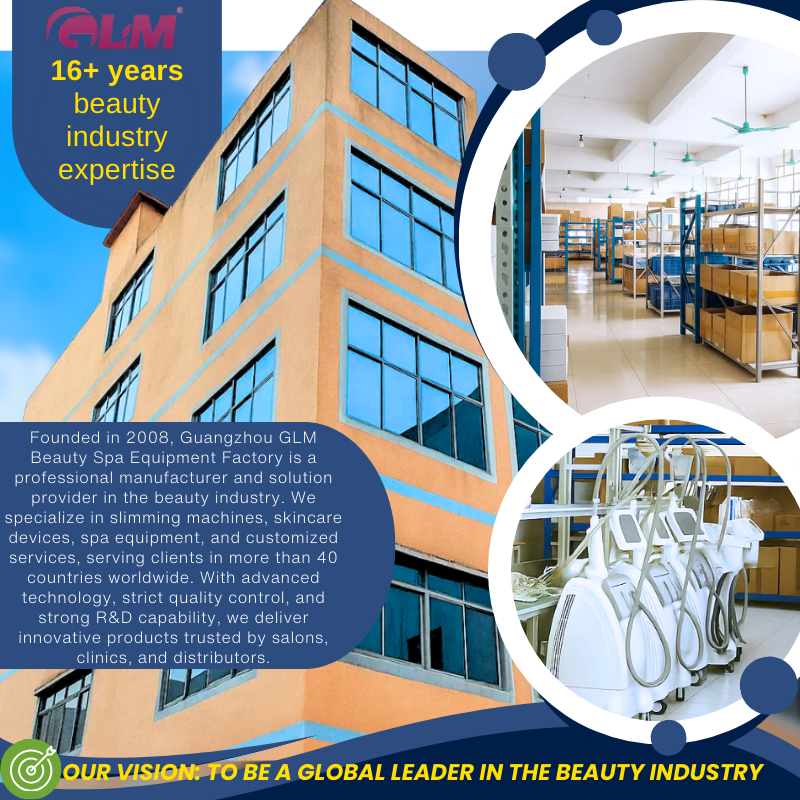
Founded in 2008, Guangzhou GLM Beauty Spa Equipment Factory specializes in research, development, manufacture and selling of beauty and slimming machines. Our production base is located in Guangzhou City, Guangdong Province, China. Since our foundation, we have introduced advanced technologies and equipment, to assure high quality and high performance of our products. With professional marketing guide and excellent after-sales service, our products have been exported to over 20 countries and regions, including Southeast Asia, the Middle East, Europe and the United States, won worldwide praises and gained a good reputation