
What Restrictions Do I Need to Follow After Getting Laser Hair Removal?
Laser hair removal is a popular method for achieving long-lasting hair reduction. After completing your laser hair removal treatment, it is important to follow specific restrictions to ensure optimal results and minimize any potential complications. In this blog post, we will outline what you can and cannot do after getting laser hair removal.
What Can You Expect After Laser Hair Removal?
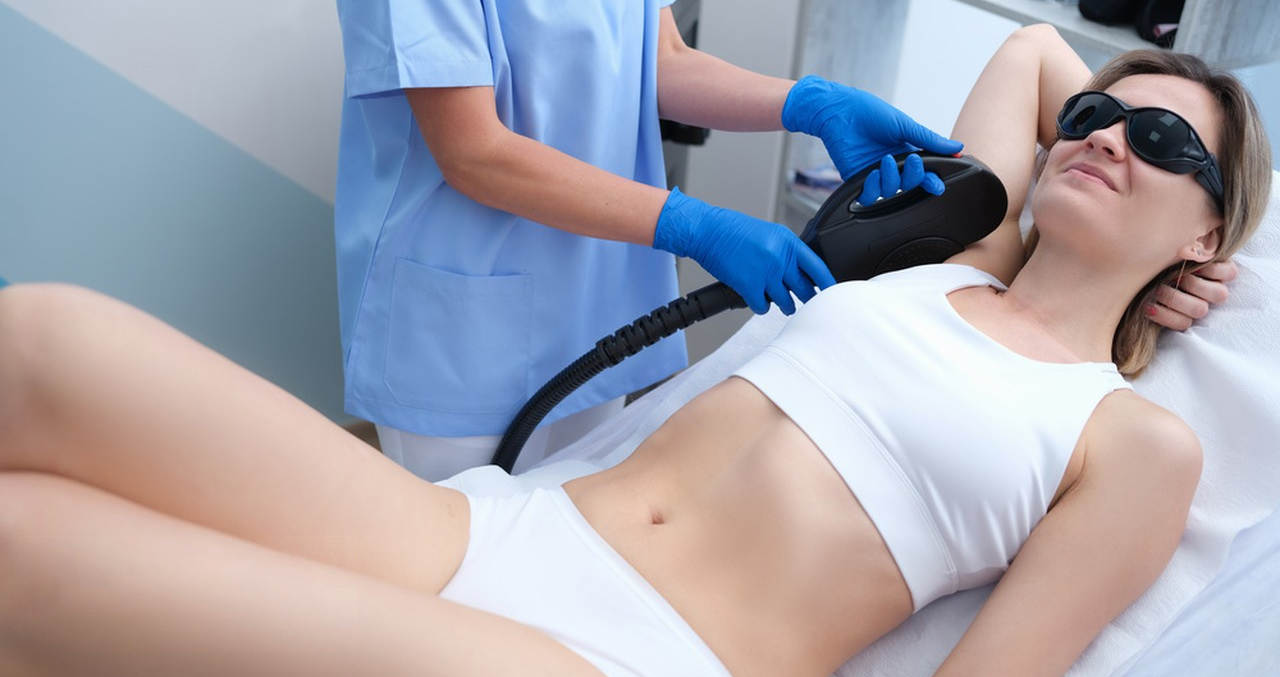
Following your laser hair removal treatment, it is common to experience temporary skin reactions. These reactions may include redness, swelling, tenderness, and sensitivity in the treated area. In some cases, you might also notice blistering or crusting. These side effects are normal and typically subside within a few hours to a few days.
Post-Treatment Restrictions for Optimal Results
To ensure the best possible outcomes and avoid complications, it is crucial to adhere to certain post-treatment restrictions. Here are the key restrictions to follow:
Avoid Direct Sunlight and Tanning Beds
Exposure to direct sunlight and tanning beds should be avoided for at least two weeks following laser hair removal. UV rays can increase skin sensitivity and potentially lead to pigmentation issues. It is important to wear protective clothing and apply a broad-spectrum sunscreen with at least SPF 30 whenever you go outside.
Refrain from Using Harsh Skincare Products
In the days following your treatment, you should avoid using harsh skincare products that contain active ingredients such as chemical peels, exfoliants, or fragrances. These products can further irritate the treated area and disturb the healing process. Stick to gentle cleansing and moisturizing products specifically designed for sensitive skin.
Minimize Physical Activities That Cause Excessive Sweating
Engaging in activities that cause excessive sweating, such as intense workouts or hot yoga, should be postponed until the treated area has fully recovered. Sweat can lead to irritation and inflammation, impacting the healing process and potentially causing discomfort.
Avoid Plucking, Waxing, or Threading
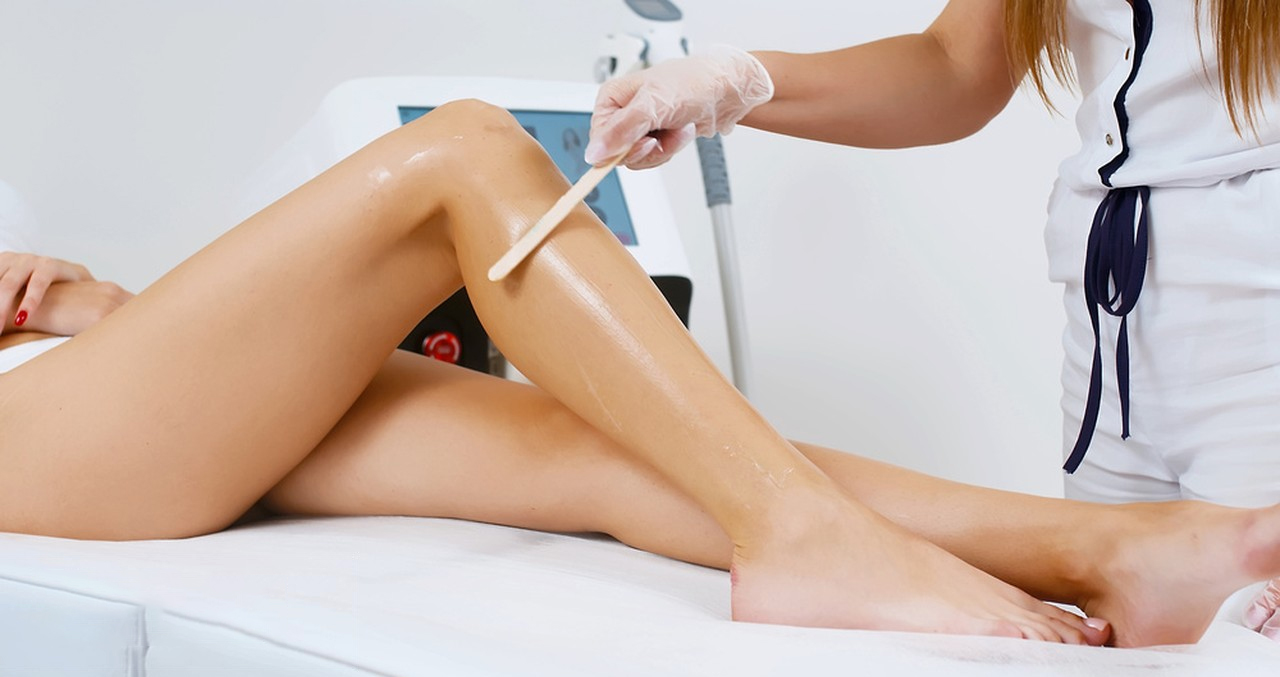
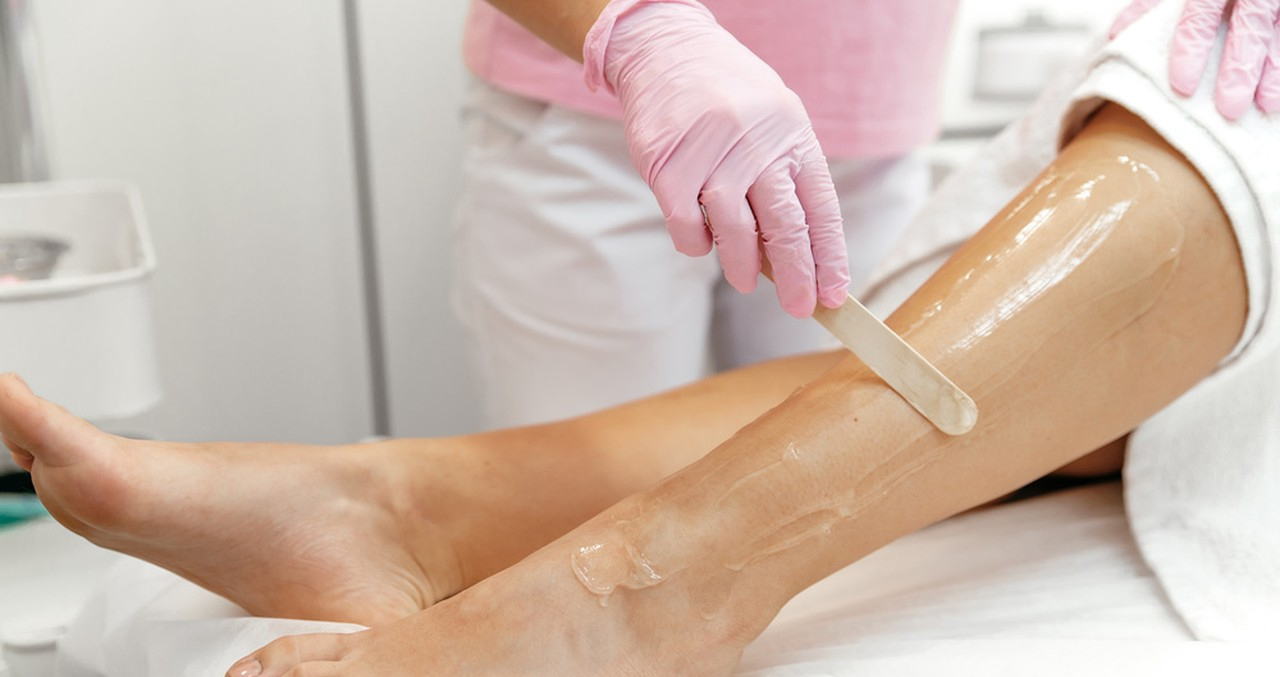
Plucking, waxing, or threading should be avoided between laser hair removal sessions. These methods remove the hair from the follicle, while laser hair removal targets the follicle itself. Shaving or trimming the hair between sessions is recommended to prevent hair regrowth without interfering with the effectiveness of the laser treatment.
Recommended Aftercare Practices
In addition to following the restrictions mentioned above, there are some aftercare practices that can help promote healing and minimize any potential discomfort:
Apply Soothing Topical Creams
To reduce inflammation and soothe the skin, you can apply soothing topical creams such as aloe vera or hydrocortisone. These creams can provide relief and speed up the healing process. However, it is important to avoid using products with strong active ingredients that may irritate the skin further.
Keep the Treated Area Clean and Dry
Keeping the treated area clean and dry is essential to prevent any infections. Use a gentle cleanser to wash the area and pat it dry gently with a clean towel. Avoid hot showers or baths immediately after the treatment, as hot water can irritate the area.
Potential Risks of Not Following the Restrictions
If you disregard the post-treatment restrictions, there are potential risks that may arise, including:
- Increased chances of skin irritation and complications
- Reduced effectiveness of the laser hair removal treatment
Following the recommended restrictions and aftercare practices is crucial to ensure the best possible results and a successful laser hair removal journey.
Conclusion
Laser hair removal can be a highly effective method for achieving long-term hair reduction. To maximize the benefits and minimize any potential risks, it is important to follow the post-treatment restrictions outlined above. By doing so, you can ensure optimal results and make the most of your laser hair removal experience.