Introduction
In professional aesthetics, skin tightening is no longer judged by short-term firmness or surface smoothness alone. Clinics are increasingly evaluated on whether their treatments can deliver structural lifting, natural results, and long-term improvement—without compromising safety.
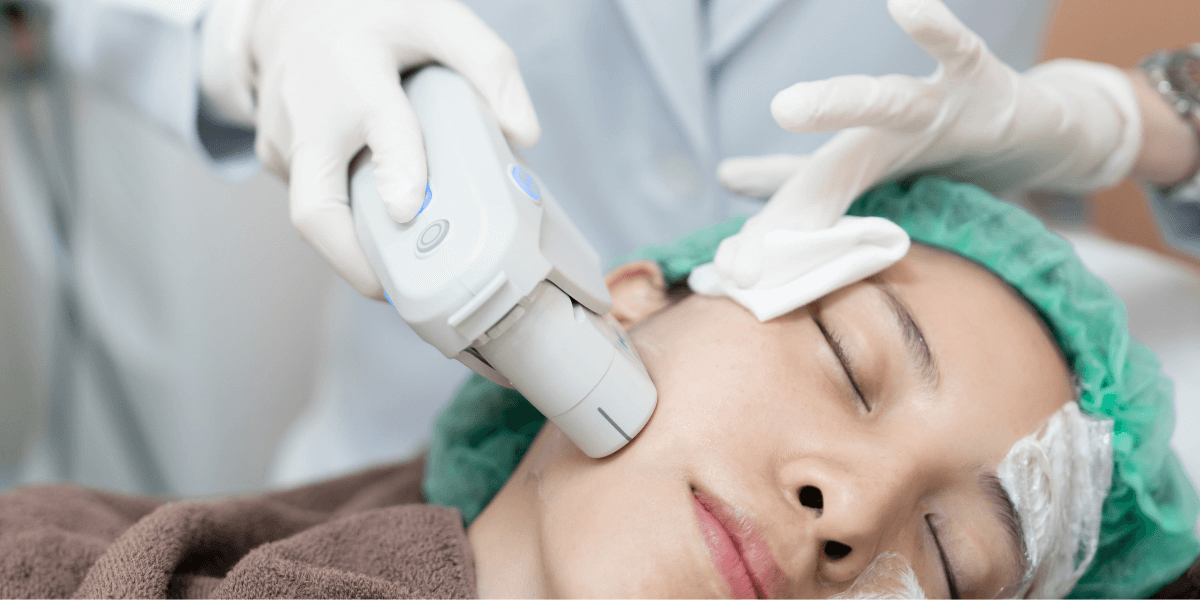
As clients move away from surgical facelifts and demand non-invasive alternatives with real lifting power, HIFU (High-Intensity Focused Ultrasound) has become a cornerstone technology in advanced clinics. Its ability to reach deep foundational layers of the skin—while leaving the surface untouched—sets it apart from most other non-surgical treatments.

Why Deep Skin Tightening Matters
Skin laxity originates far beneath fine lines and surface wrinkles.
Aging Happens in Layers
As we age:
-
Collagen density decreases
-
Elastin fibers lose resilience
-
Fat pads shift downward
-
Structural support weakens
The most critical change occurs in the SMAS layer (Superficial Musculoaponeurotic System)—the same layer addressed during surgical facelifts.
Limits of Surface-Based Treatments
Many non-invasive technologies focus only on:
-
Epidermal renewal
-
Superficial dermal heating
While these approaches improve texture and tone, they rarely produce meaningful lifting when the deeper support framework is compromised.
Clinics therefore need a technology that works where sagging actually starts.
What Is HIFU Technology
HIFU uses focused ultrasound energy to deliver heat precisely at predetermined depths under the skin.
Unlike RF or laser systems that disperse energy across broader tissue zones, HIFU:
-
Concentrates energy at a single focal point
-
Reaches specific depths without surface damage
-
Produces controlled thermal coagulation points
Professional HIFU systems typically target:
-
1.5 mm – superficial dermis
-
3.0 mm – deep dermis
-
4.5 mm – SMAS layer
This depth selectivity is the foundation of HIFU’s lifting capability.
How HIFU Creates Deep Skin Tightening
1. Instant Tissue Contraction
When ultrasound energy reaches its focal point, it generates precise heat (around 60–70°C), causing immediate tissue tightening.
2. Collagen Regeneration
The thermal effect triggers a wound-healing response, stimulating fibroblasts to produce new collagen and elastin over time.
3. SMAS-Level Lifting
By targeting the SMAS layer, HIFU produces a lifting effect comparable to surgical tightening—without incisions, sutures, or anesthesia.
This explains why HIFU results continue to improve for 2–6 months after treatment.
Why Clinics Prefer HIFU Over Other Technologies
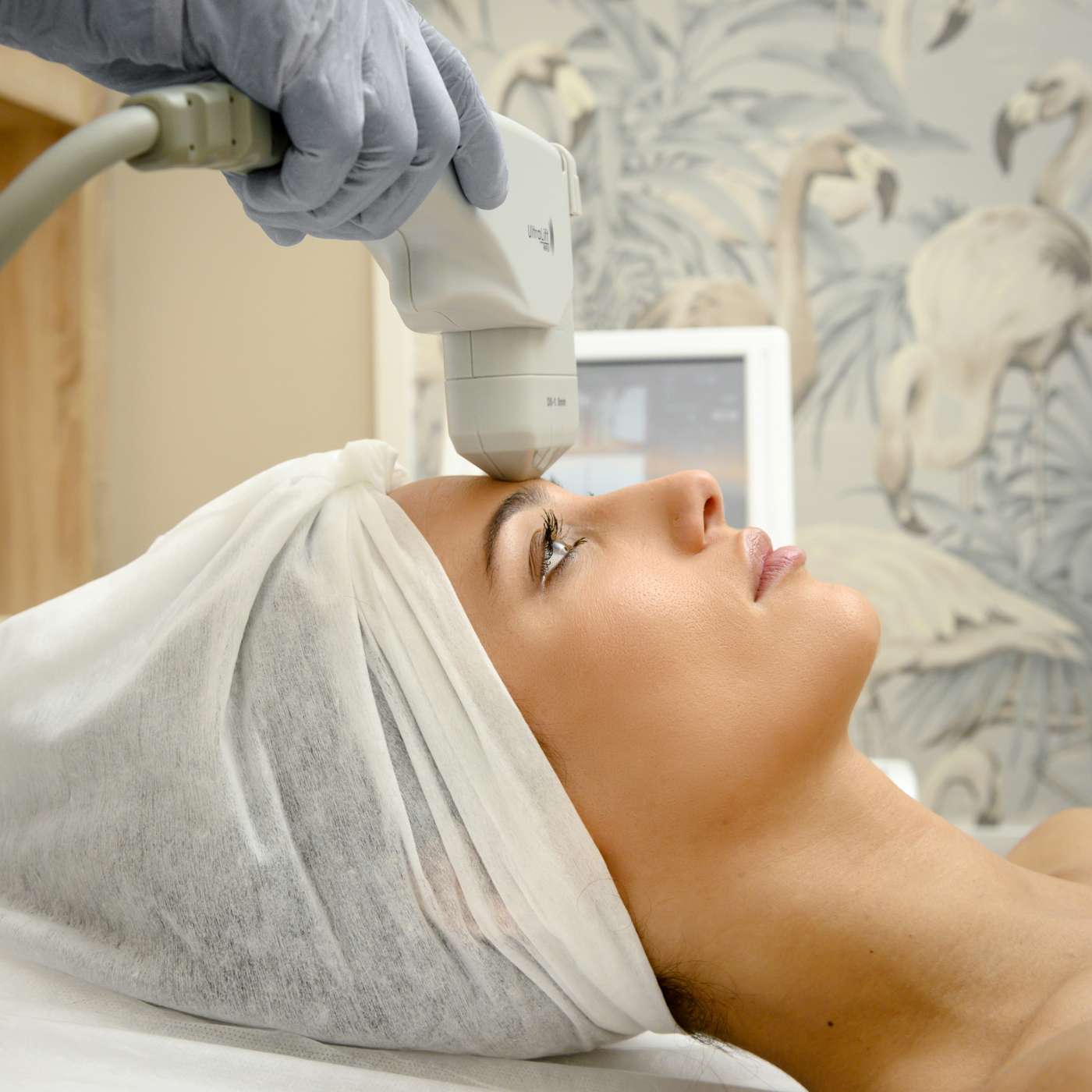
True Depth Penetration
HIFU reaches structural layers that:
-
RF may only partially affect
-
LED cannot reach
-
IPL does not target
High Precision and Consistency
Cartridge-based depth control allows clinicians to:
-
Customize treatments
-
Deliver repeatable results
-
Reduce operator variability
Non-Invasive Safety
Because the epidermis remains intact:
-
Infection risk is minimal
-
No open wounds are created
-
Downtime is extremely limited
Clinical Advantages for Professional Practices
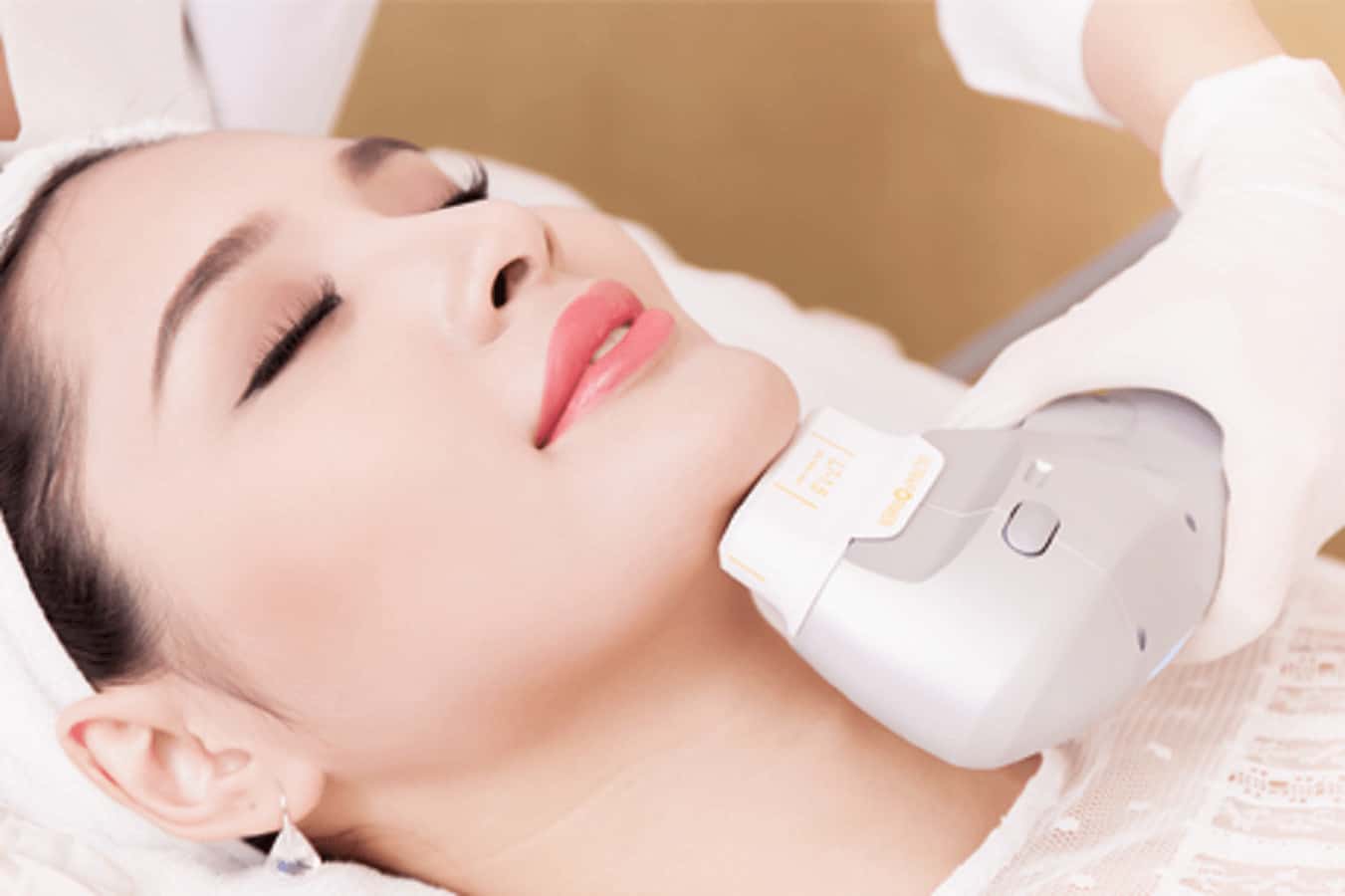
From a business and treatment-planning perspective, HIFU offers strong advantages:
-
High perceived value among clients
-
Single-session or low-session protocols
-
Long-lasting outcomes (often 12 months or more)
-
Broad application areas: face, neck, jawline, abdomen, arms
For clinics, HIFU is not just a treatment—it is a core anti-aging solution.
Ideal Candidates for HIFU
HIFU works best for clients who:
-
Have mild to moderate skin laxity
-
Want visible lifting without surgery
-
Prefer gradual, natural-looking results
-
Are not ready for injectables or invasive procedures
Clinics can also adjust energy parameters for:
-
Different skin thicknesses
-
Facial vs body areas
-
Preventive anti-aging treatments
HIFU vs Surgical Facelift
| Aspect | HIFU | Surgical Facelift |
|---|---|---|
| Invasiveness | Non-invasive | Highly invasive |
| Downtime | Minimal | Weeks |
| Anesthesia | Not required | Required |
| Scarring | None | Possible |
| Results | Gradual, natural | Immediate, dramatic |
For many clients, HIFU offers the ideal balance between effectiveness and safety.
HIFU in Combination Treatment Protocols
Modern clinics rarely rely on a single technology. HIFU is often combined with:
-
RF for dermal tightening
-
Microneedling for texture and pores
-
LED therapy for recovery support
-
Mesotherapy for skin quality improvement
In these protocols, HIFU acts as the structural lifting foundation, while other treatments refine surface results.
Why HIFU Builds Long-Term Client Trust
Clients trust HIFU because:
-
The mechanism is logical and explainable
-
Results appear gradually and naturally
-
Improvements feel “real,” not artificial
For clinics, this translates into:
-
Higher satisfaction
-
Repeat visits
-
Strong word-of-mouth referrals
Conclusion
Clinics prefer HIFU for deep skin tightening because it treats the root cause of sagging, not just the surface symptoms. Its ability to target the SMAS layer safely and precisely makes it one of the most effective non-surgical lifting technologies available today.
As the aesthetics industry continues shifting toward non-invasive, science-based solutions, HIFU remains a trusted and essential technology for clinics focused on long-term skin tightening and professional credibility.
Founded in 2008, Guangzhou GLM Beauty Spa Equipment Factory specializes in research, development, manufacture and selling of beauty and slimming machines. Our production base is located in Guangzhou City, Guangdong Province, China. Since our foundation, we have introduced advanced technologies and equipment, to assure high quality and high performance of our products. With professional marketing guide and excellent after-sales service, our products have been exported to over 20 countries and regions, including Southeast Asia, the Middle East, Europe and the United States, won worldwide praises and gained a good reputation.