Introduction
Cold plasma has rapidly moved from laboratory research into modern aesthetic and dermatological practice. What was once considered an experimental technology is now being adopted by professional clinics, medical spas, and advanced beauty centers for acne management, skin repair, and overall skin rejuvenation.
Unlike traditional heat-based or chemical treatments, cold plasma offers a non-thermal, highly controlled, and biologically interactive approach to skin care. Instead of simply treating symptoms, it works at a cellular level to improve skin health, making it particularly valuable in acne and sensitive skin treatments.
This growing popularity is not a trend based on marketing hype—it is rooted in scientific research, clinical observation, and real-world treatment outcomes that show measurable improvements in skin quality.
Understanding Acne and Skin Dysfunction
Acne is not just a surface-level problem. It is influenced by multiple factors including:
-
Excess sebum production
-
Bacterial overgrowth (especially Cutibacterium acnes)
-
Inflammation
-
Clogged pores
-
Impaired skin barrier function
Traditional acne treatments often focus on only one of these factors, such as antibiotics targeting bacteria or harsh exfoliants removing excess oil. However, these approaches can sometimes disrupt the skin barrier, cause irritation, or lead to antibiotic resistance.
Cold plasma offers a multi-dimensional approach, addressing bacteria, inflammation, and skin repair simultaneously.
What Is Cold Plasma in Skin Care
Cold plasma is an ionized gas composed of charged particles, reactive oxygen species (ROS), reactive nitrogen species (RNS), electrons, and ultraviolet photons. Unlike thermal plasma used in surgery, cold plasma operates at near-room temperature, making it safe for direct application on living tissue.
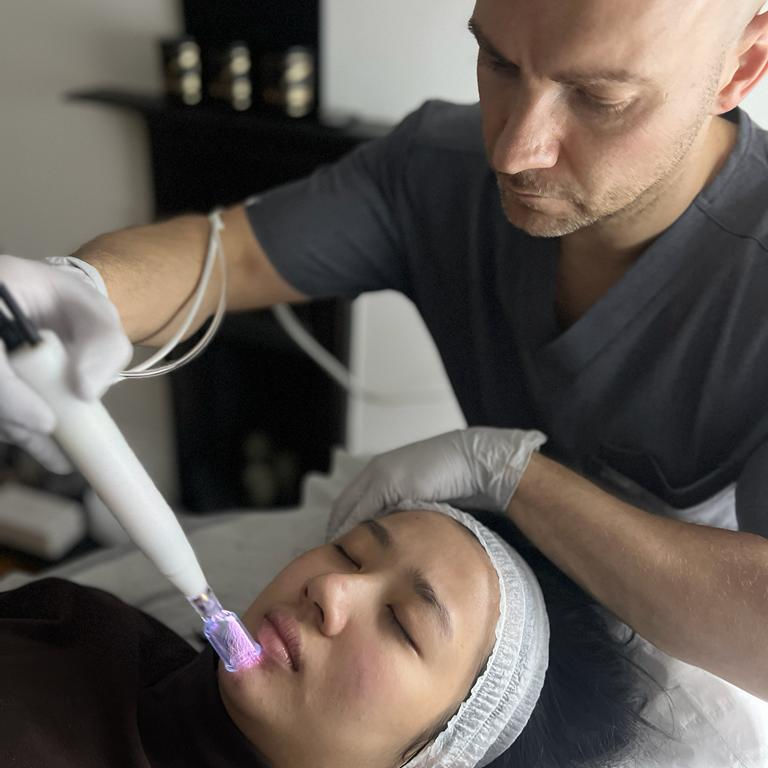
In skincare devices, cold plasma is generated through controlled electrical discharge, creating a stream of reactive species that interact with the skin surface without causing burns or thermal damage.
Powerful Antimicrobial Action Against Acne-Causing Bacteria
One of the primary reasons cold plasma is used in acne treatment is its strong antibacterial effect. Cold plasma can effectively reduce the population of acne-causing bacteria on the skin without the need for topical or oral antibiotics.
The reactive species in plasma disrupt bacterial cell walls and interfere with microbial metabolism, leading to bacterial deactivation. This is particularly beneficial for:
-
Inflammatory acne
-
Recurrent breakouts
-
Antibiotic-resistant acne strains
Unlike chemical disinfectants, cold plasma does not leave residue on the skin and does not contribute to long-term bacterial resistance.
Reducing Inflammation and Redness
Acne is often accompanied by redness, swelling, and irritation. Cold plasma helps regulate inflammatory responses in the skin by influencing cytokine activity and cellular signaling pathways.
This leads to:
-
Reduced redness
-
Calmer skin appearance
-
Less post-treatment irritation
For clients with sensitive or reactive skin, this anti-inflammatory effect makes cold plasma a gentler alternative to aggressive acne treatments.
Promoting Faster Wound Healing and Skin Repair
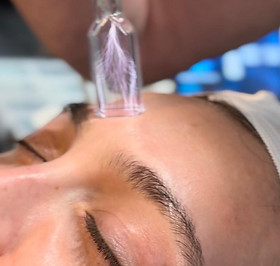
Cold plasma has been extensively studied in wound healing research. It stimulates cellular activity, increases blood microcirculation, and supports tissue regeneration.
In acne care, this translates to:
-
Faster recovery of inflamed lesions
-
Reduced risk of post-acne scarring
-
Improved overall skin resilience
By encouraging healthy skin turnover, cold plasma helps the skin repair itself more efficiently after breakouts.
Balancing the Skin Microenvironment
Healthy skin relies on a balanced microbiome. Harsh treatments can disrupt this balance, sometimes making acne worse over time. Cold plasma, however, selectively reduces harmful bacteria while supporting a healthier skin environment.
This makes it suitable not only for active acne but also for long-term skin maintenance and prevention.
Enhancing Skin Permeability for Better Treatment Absorption
Cold plasma can temporarily modify the skin’s surface structure, making it more receptive to active ingredients. This allows:
-
Better penetration of acne serums
-
More effective delivery of soothing or repairing ingredients
-
Improved overall treatment performance
Clinics often pair cold plasma with professional skincare products to maximize results.
Non-Invasive and Comfortable Treatment Experience
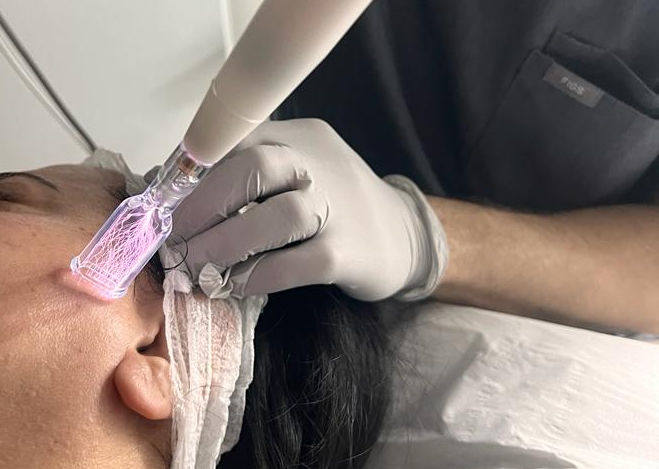
Unlike laser, chemical peels, or aggressive extraction, cold plasma is:
-
Non-invasive
-
Pain-free or minimally uncomfortable
-
Suitable for regular use in treatment programs
Most clients experience only mild warmth or tingling, with little to no downtime.
Suitable for Different Skin Types
Cold plasma is versatile and can be used on:
-
Oily and acne-prone skin
-
Sensitive or reactive skin
-
Combination skin
-
Post-inflammatory skin
Because it does not rely on heat or harsh chemicals, it carries a lower risk of hyperpigmentation, making it safer for darker skin tones compared to some traditional acne treatments.
Cold Plasma vs Traditional Acne Treatments
Compared to conventional methods:
| Treatment | Limitation | Cold Plasma Advantage |
|---|---|---|
| Antibiotics | Resistance risk | No resistance issues |
| Chemical peels | Irritation | Gentle and controlled |
| Extraction | Skin trauma | Non-invasive |
| Laser | Heat damage risk | Non-thermal technology |
Cold plasma provides a modern, balanced approach that minimizes risks while maintaining effectiveness.
Application in Professional Skin Care Settings
In clinics, cold plasma is commonly used for:
-
Acne reduction treatments
-
Post-facial calming procedures
-
Skin barrier repair
-
Pre-treatment skin preparation
-
Aftercare following microneedling or RF procedures
It is increasingly integrated into comprehensive facial protocols.
Synergy with Other Aesthetic Technologies
Cold plasma works well in combination with:
-
LED therapy for enhanced healing
-
Microneedling for deeper regeneration
-
Oxygen therapy for hydration
-
Hydrafacial for deep cleansing
These combinations allow practitioners to design customized treatment plans.
Long-Term Skin Benefits Beyond Acne
Beyond acne control, cold plasma contributes to:
-
Improved skin texture
-
More even skin tone
-
Better hydration retention
-
Strengthened skin barrier
This makes it valuable not just as an acne treatment but as a holistic skincare solution.
Why Practitioners Prefer Cold Plasma
From a professional standpoint, cold plasma offers:
-
Reliable results
-
Minimal side effects
-
High patient satisfaction
-
Versatility across multiple skin concerns
It represents a shift toward smarter, science-based skincare.
Client Experience and Expectations
Clients appreciate cold plasma because it delivers:
-
Visible improvements without downtime
-
A comfortable treatment experience
-
Natural-looking results
Education is key—results are progressive rather than instant.
Conclusion
Cold plasma is used in acne and skincare because it effectively targets bacteria, reduces inflammation, promotes healing, and supports overall skin health without damaging heat or harsh chemicals.
As technology continues to evolve, cold plasma is becoming a cornerstone in modern, non-invasive aesthetic treatments—bridging the gap between medical science and beauty care.
Founded in 2008, Guangzhou GLM Beauty Spa Equipment Factory specializes in research, development, manufacture and selling of beauty and slimming machines. Our production base is located in Guangzhou City, Guangdong Province, China. Since our foundation, we have introduced advanced technologies and equipment, to assure high quality and high performance of our products. With professional marketing guide and excellent after-sales service, our products have been exported to over 20 countries and regions, including Southeast Asia, the Middle East, Europe and the United States, won worldwide praises and gained a good reputation.