
Introduction
In modern aesthetic treatments, maintaining skin comfort and protecting the skin barrier have become increasingly important. Many professional skincare procedures—such as exfoliation, laser treatments, and energy-based therapies—can temporarily warm or stimulate the skin. To balance these effects, aesthetic practitioners often incorporate cooling technology into treatment protocols.
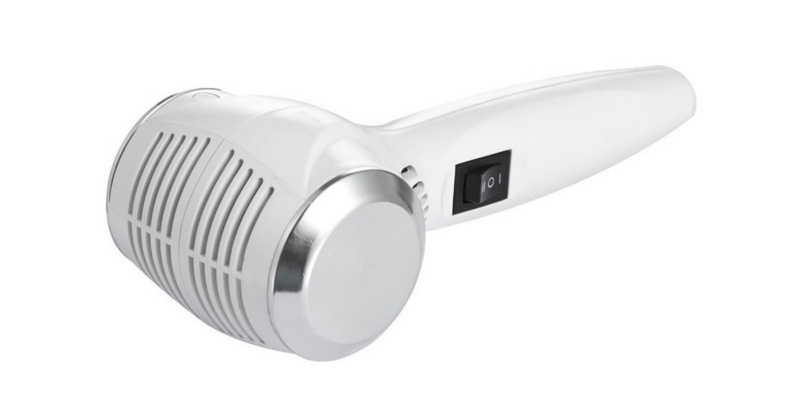
One widely used approach is Cryotherapy in Dermatology, which uses controlled cooling to calm and refresh the skin. Cooling therapy is commonly integrated into professional facial devices and advanced skincare equipment used in beauty clinics and dermatology centers.
By lowering the skin’s surface temperature, cooling therapy can help reduce redness, soothe irritation, and improve client comfort during and after treatments. Because of these benefits, cooling technology has become an important component of modern skincare equipment and facial therapy protocols.
Background / Problem
During many aesthetic procedures, the skin may temporarily experience heat, stimulation, or mechanical stress. Treatments such as exfoliation, microdermabrasion, or energy-based devices can activate the skin’s repair processes, but they may also cause temporary redness or sensitivity.
One biological process involved in skin irritation is Inflammation. While mild inflammation is part of the body’s natural healing response, excessive inflammation can lead to discomfort, redness, and prolonged recovery.
Additionally, the skin’s protective barrier, known as the Stratum Corneum, may become temporarily weakened after intensive treatments. When this barrier is compromised, the skin can lose moisture more easily and become more sensitive to environmental stress.
Cooling therapy helps address these concerns by calming the skin and supporting the recovery process.
Technology / Mechanism
Cooling-based skincare technology works through several physiological mechanisms that benefit the skin.
1. Temperature Reduction and Skin Soothing
The primary function of cooling therapy is to reduce the temperature of the skin’s surface.
Lower temperatures help slow down inflammatory reactions and reduce the sensation of irritation. This makes cooling therapy particularly useful after treatments that generate heat or stimulate the skin.
2. Vasoconstriction and Redness Reduction
Cooling can cause temporary narrowing of blood vessels, a process known as Vasoconstriction.
This physiological response helps reduce visible redness and swelling in the skin. By calming blood flow in the treated area, cooling therapy contributes to a more comfortable post-treatment experience.
3. Pore Tightening Effect
Cooling the skin can also create a temporary tightening effect.
Lower temperatures encourage the pores to contract slightly, which may make the skin appear smoother and more refined after treatment.
For this reason, cooling therapy is often used at the final stage of professional facial treatments.
4. Comfort During Energy-Based Procedures
Many modern aesthetic devices integrate cooling systems to maintain skin comfort during treatments.
Cooling mechanisms can help balance the heat produced by certain technologies, improving treatment tolerance and reducing discomfort for clients.
Advantages / Comparison
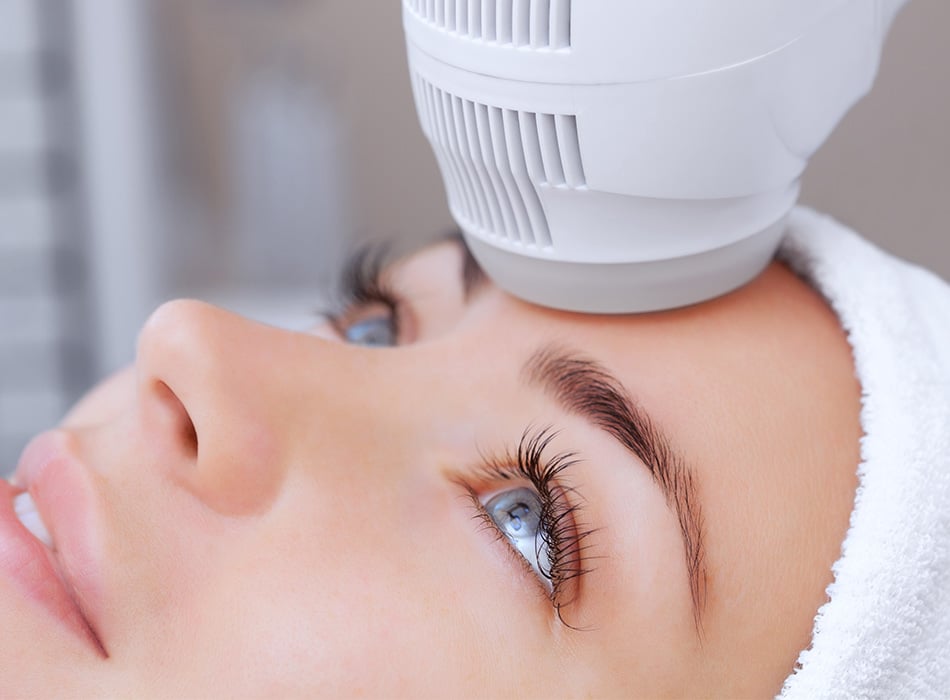
Cooling therapy offers several advantages when incorporated into professional skincare treatments.
Improved Client Comfort
Cooling sensations are generally perceived as soothing and relaxing, helping clients feel more comfortable during aesthetic procedures.
Reduced Post-Treatment Redness
Cooling therapy can help minimize redness and sensitivity after skin treatments.
This makes it particularly valuable in professional skincare protocols.
Enhanced Skin Recovery
By calming the skin and reducing inflammation, cooling therapy supports the skin’s natural recovery processes.
Compatibility with Multiple Technologies
Cooling functions are often integrated into devices used for skin rejuvenation, exfoliation, and energy-based treatments, making it a versatile tool in aesthetic clinics.
Applications / Client Needs
Cooling therapy is widely used in professional beauty clinics to address various skincare needs.
Post-Treatment Skin Calming
After procedures that stimulate the skin, cooling therapy helps reduce irritation and improve comfort.
Sensitive Skin Support
Clients with sensitive or reactive skin may benefit from treatments that incorporate cooling technology.
Enhancing Facial Treatments
Cooling is frequently used as the final step in facial treatments to refresh the skin and improve the overall treatment experience.
Improving Client Experience
Incorporating cooling therapy into aesthetic procedures can enhance the comfort and relaxation associated with professional skincare treatments.
Conclusion
Cryotherapy in Dermatology has become an essential component of modern skincare treatments because of its ability to calm and protect the skin.
By reducing Inflammation, supporting the Stratum Corneum, and promoting Vasoconstriction, cooling therapy helps improve both treatment comfort and skin recovery.
As aesthetic technologies continue to evolve, cooling-based treatments will remain a valuable addition to professional skincare protocols focused on safety, effectiveness, and client satisfaction.
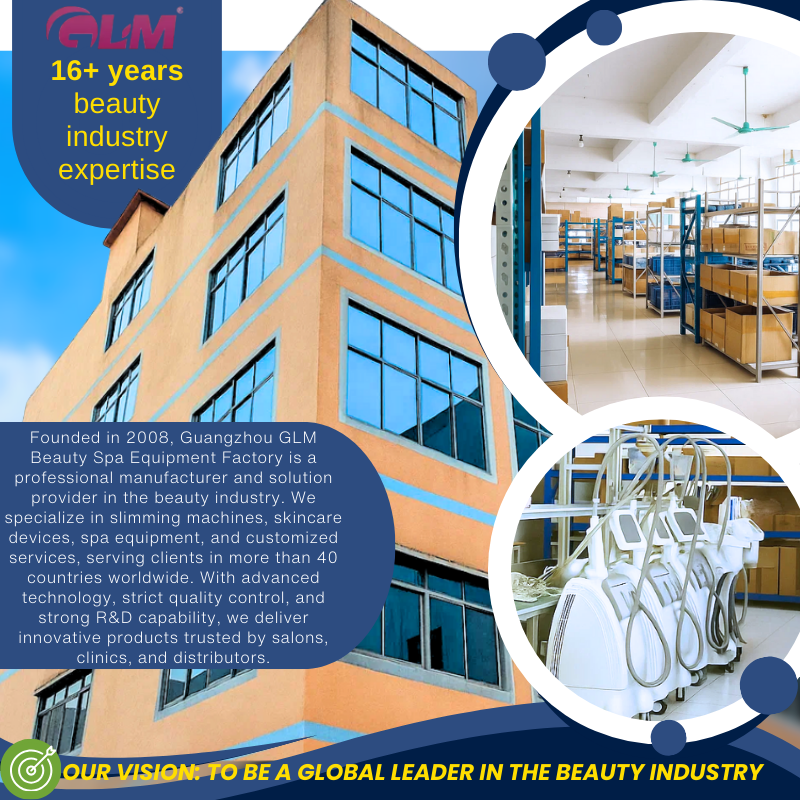
Founded in 2008, Guangzhou GLM Beauty Spa Equipment Factory specializes in research, development, manufacture and selling of beauty and slimming machines. Our production base is located in Guangzhou City, Guangdong Province, China. Since our foundation, we have introduced advanced technologies and equipment, to assure high quality and high performance of our products. With professional marketing guide and excellent after-sales service, our products have been exported to over 20 countries and regions, including Southeast Asia, the Middle East, Europe and the United States, won worldwide praises and gained a good reputation.