Introduction
Acne remains one of the most common and persistent skin concerns treated in aesthetic clinics. While traditional methods such as topical products and manual extractions can offer temporary relief, they often fail to address the underlying causes of acne.
This is why Photodynamic Therapy (PDT) has become increasingly popular in professional acne care. By combining light energy with photosensitive agents, PDT provides a targeted, technology-driven approach that treats acne at its source.
For beauty clinics, PDT devices are not only effective treatment tools—they are also key systems for delivering consistent, visible results in acne management programs.
Background/Problem
Acne is a multifactorial condition caused by:
- Overproduction of sebum
- Clogged pores
- Bacterial growth (Cutibacterium acnes)
- Inflammation
Traditional treatments often have limitations:
- Topical products work slowly and superficially
- Oral medications may have side effects
- Manual extraction can irritate the skin
Clients increasingly seek treatments that can:
- Target acne-causing bacteria directly
- Reduce inflammation safely
- Deliver faster and more reliable results
PDT technology addresses these challenges through a combined chemical and light-based mechanism.
Technology/Mechanism
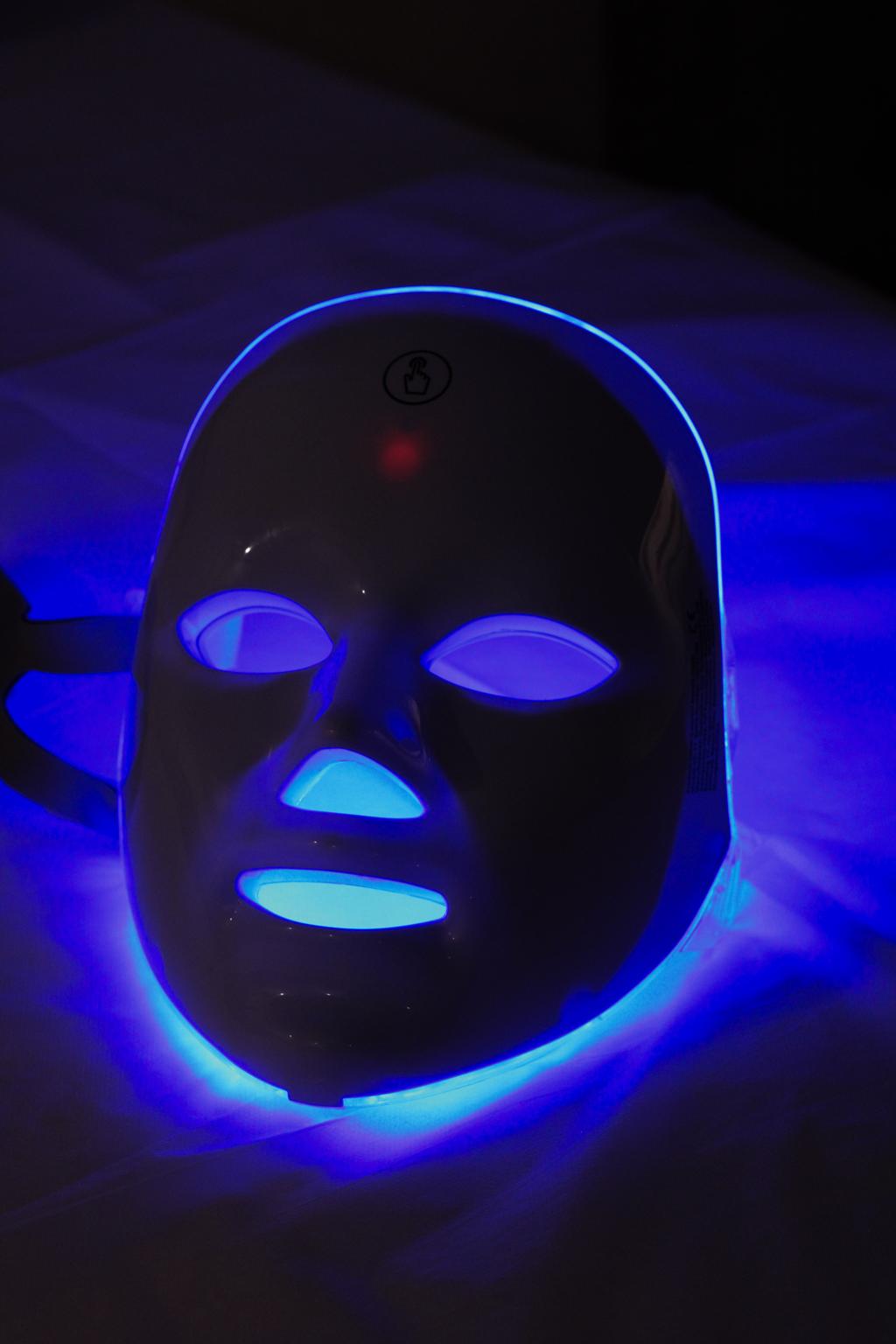
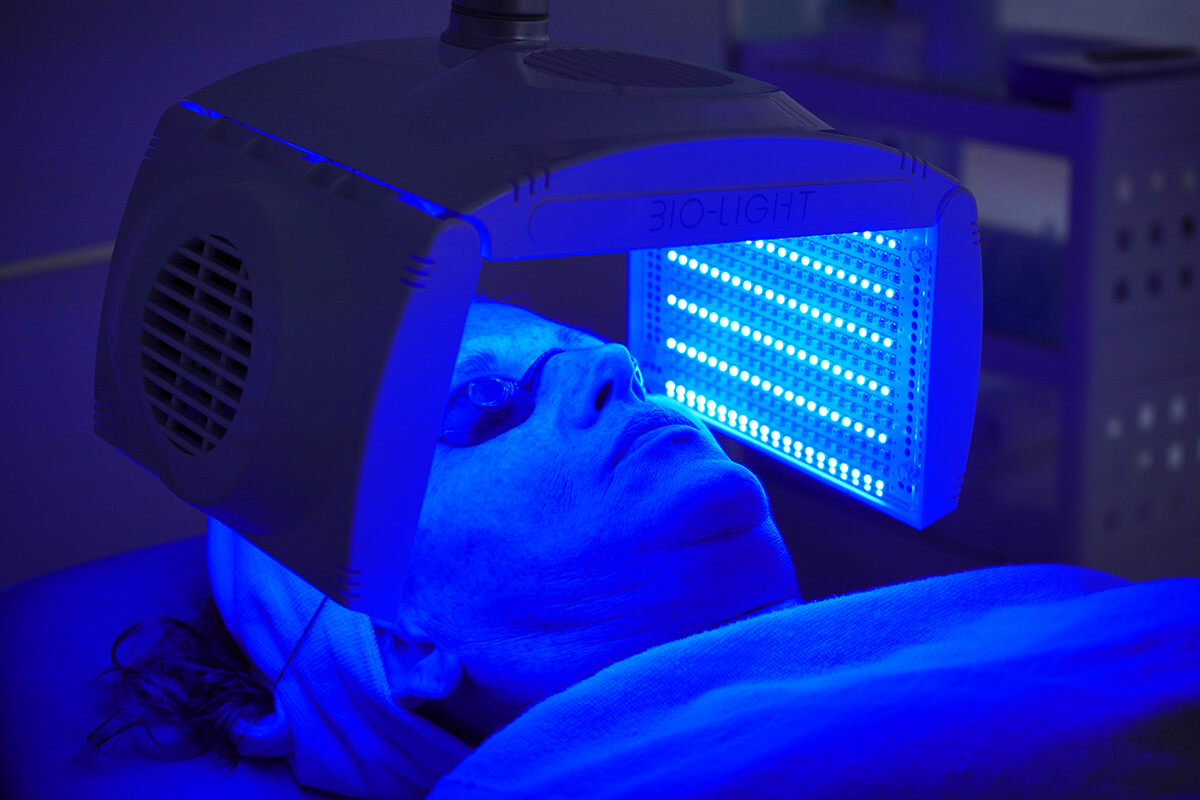
PDT works by combining a photosensitizing agent with a specific light source to produce a therapeutic effect.
1. Application of Photosensitizer
A light-sensitive substance is applied to the skin.
- Absorbed by sebaceous glands and acne bacteria
- Prepares the skin for light activation
2. Light Activation
A specific wavelength of light is used (commonly blue or red light).
- Blue light targets acne-causing bacteria
- Red light reduces inflammation and promotes healing
3. Reactive Oxygen Species (ROS) Production
Light activation triggers a chemical reaction.
- Produces reactive oxygen species
- Destroys bacteria and damaged cells
4. Sebum Regulation
PDT helps reduce overactive sebaceous gland activity.
- Controls oil production
- Prevents future breakouts
5. Skin Healing and Regeneration
Red light supports tissue repair.
- Improves skin recovery
- Reduces post-acne marks
Professional PDT devices are designed with:
- Multi-wavelength LED systems
- Adjustable treatment modes
- Safe, non-invasive operation
Why PDT Is Effective for Acne Care
PDT stands out because it targets multiple acne causes simultaneously.
1. Direct Antibacterial Action
Eliminates acne-causing bacteria at the source.
2. Anti-Inflammatory Effect
Reduces redness, swelling, and irritation.
3. Oil Control
Regulates sebaceous gland activity.
4. Prevents Recurrence
Addresses underlying causes, not just symptoms.
5. Non-Invasive and Safe
No need for harsh chemicals or aggressive procedures.
Advantages/Comparison
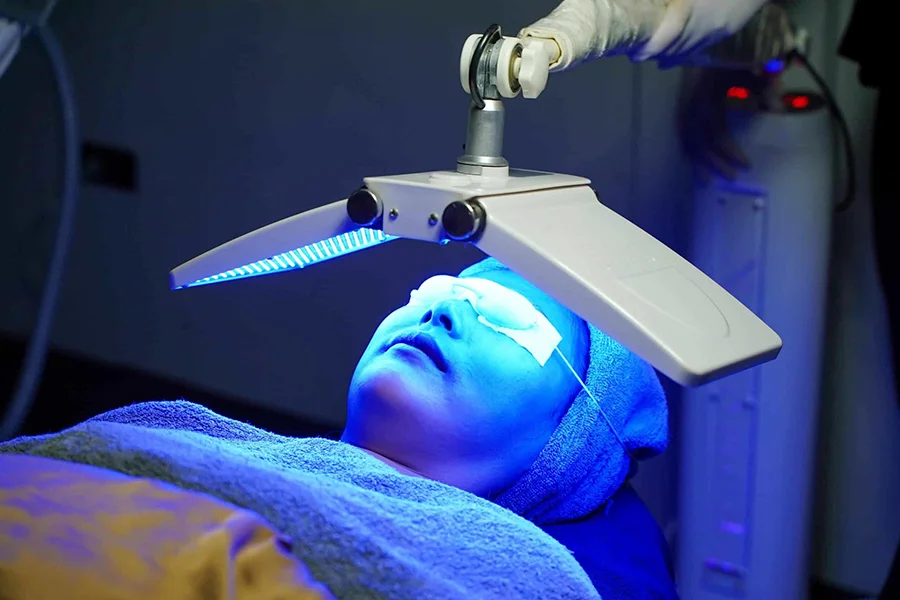
From a device-centered perspective, PDT offers clear advantages over traditional acne treatments.
1. Multi-Target Treatment
Addresses bacteria, oil, and inflammation simultaneously.
2. Non-Invasive Approach
No needles or downtime required.
3. Suitable for Sensitive Skin
Gentle compared to chemical treatments.
4. Consistent and Predictable Results
Standardized device settings improve reliability.
5. Enhances Other Treatments
Works well with:
- Deep cleansing
- Oxygen therapy
- Cold plasma
Compared to topical or manual treatments, PDT provides deeper and more comprehensive acne control.
Applications/Client Needs
In professional aesthetic clinics, PDT is widely used for:
- Active acne treatment
- Acne prevention programs
- Post-acne skin recovery
It is particularly suitable for clients who:
- Have mild to moderate acne
- Experience inflammation or sensitivity
- Want non-invasive treatment options
Typical treatment protocols include multiple sessions for cumulative results.
PDT is often integrated into multi-step acne care programs for optimal outcomes.
Conclusion
PDT technology is widely used for acne care because it effectively targets the key causes of acne—bacteria, inflammation, and excess oil—through a safe and non-invasive approach.
By combining light energy with photosensitizing agents, it delivers precise and multi-functional treatment that improves both active acne and overall skin condition.
For professional beauty clinics, investing in PDT devices enhances treatment effectiveness, expands service offerings, and meets the growing demand for advanced acne solutions.
As the aesthetic industry continues to evolve, PDT will remain a cornerstone technology in modern acne management.
Founded in 2008, Guangzhou GLM Beauty Spa Equipment Factory specializes in research, development, manufacture and selling of beauty and slimming machines. Our production base is located in Guangzhou City, Guangdong Province, China. Since our foundation, we have introduced advanced technologies and equipment, to assure high quality and high performance of our products. With professional marketing guide and excellent after-sales service, our products have been exported to over 20 countries and regions, including Southeast Asia, the Middle East, Europe and the United States, won worldwide praises and gained a good reputation.