Introduction
Clogged pores are one of the most common skin concerns seen in beauty salons, aesthetic clinics, and professional skincare centers. Blackheads, whiteheads, excess sebum, rough texture, and enlarged-looking pores can make the skin appear dull even when a client follows a consistent skincare routine.
The important point is that pores are a natural part of the skin. They cannot simply be erased. What professional treatments can do is help remove accumulated oil, dead skin cells, and surface impurities while improving the overall appearance and texture of the skin.
Dr Theva’s approach to unclogging facial pores highlights five familiar options: pore strips, face masks, exfoliation, extraction, and HydraFacial. These approaches range from simple surface cleansing to more sophisticated professional treatment systems.
For beauty professionals, however, the real question is not simply, “How can we clean pores?” It is:
How can we deliver effective pore-cleansing treatments while maintaining skin comfort, treatment consistency, and a professional client experience?
This is where modern facial equipment becomes increasingly valuable.
Background: Why Do Facial Pores Become Clogged?
A clogged pore typically develops when sebum, dead skin cells, and other debris accumulate around the opening of a hair follicle. When the pore remains open, the material can oxidize and appear dark, creating a blackhead. When the pore is closed, it can appear as a whitehead.
This means a blackhead is not simply “dirt.” The dark appearance is largely related to oxidation of the material inside the pore.
Several factors can contribute to congestion:
- Excessive sebum production
- Accumulation of dead skin cells
- Inadequate cleansing
- Certain cosmetic or skincare products
- Hormonal changes
- Environmental exposure
- Skin types that are naturally more oily
For salons and aesthetic clinics, this creates a recurring treatment demand. Clients may want smoother skin before an event, fewer visible blackheads around the nose and chin, or a cleaner and brighter complexion.
At the same time, aggressive squeezing is not necessarily the answer. The American Academy of Dermatology notes that picking or squeezing blemishes can irritate the skin and increase the risk of problems such as scarring.
A professional treatment therefore needs to balance cleansing power with controlled application.
1. Pore Strips: Satisfying, Simple, but Temporary
Pore strips remain one of the most recognizable ways to remove visible blackheads, particularly around the nose.
The principle is straightforward. An adhesive strip is applied to the skin and allowed to dry. When removed, it can physically lift some of the material attached to the surface of the pore.
For consumers, the immediate result can feel satisfying because they can actually see material on the removed strip.
However, pore strips mainly address superficial buildup. They do not change the underlying tendency of a pore to produce sebum or accumulate dead skin cells. Dr Theva describes them as a temporary solution and notes that frequent use may irritate sensitive skin.
Where professional equipment offers an advantage
A professional facial does not have to rely on adhesive removal alone.
Instead, practitioners can combine:
Cleansing → skin preparation → exfoliation → controlled extraction → hydration
This creates a more complete treatment experience rather than simply removing visible material from the skin surface.
For salons, this difference is important because clients are increasingly looking for treatments that feel both effective and professionally controlled.
2. Facial Masks: Absorb, Refine, and Prepare the Skin
Face masks are another established approach to managing oily and congested skin.
Clay-based masks can absorb excess oil, while charcoal-based formulations are commonly positioned for impurity-focused cleansing. Hydrating masks can also be useful after exfoliation or extraction to help restore a more comfortable skin feel. Dr Theva recommends choosing mask types according to individual skin characteristics rather than treating every client in the same way.
From a professional perspective, masks are particularly useful as part of a multi-step facial protocol.
For example:
- Cleanse the skin.
- Assess oiliness and congestion.
- Exfoliate where appropriate.
- Apply a suitable mask.
- Continue with hydration or other targeted treatment.
The limitation is that a mask primarily works through its formulation and contact with the skin. It does not provide the same mechanical control as professional suction, exfoliation, or hydrodermabrasion systems.
This is why many modern facial treatments use masks as one stage rather than the entire treatment.
3. Exfoliation: Remove the Buildup Before It Becomes a Bigger Problem
Exfoliation is one of the most important strategies for maintaining clearer-looking pores.
Dead skin cells can accumulate around the follicular opening and contribute to congestion. Exfoliation helps remove this excess surface buildup and can improve the appearance of rough or uneven skin.
There are two broad categories:
Physical exfoliation
Physical exfoliation uses a mechanical action to remove surface cells. Examples include facial brushes, scrubs, microdermabrasion systems, and other controlled mechanical technologies.
Professional microdermabrasion equipment can provide a more consistent exfoliation experience than manually scrubbing the skin. Depending on the device and treatment protocol, operators can adjust intensity and treatment areas according to client needs.
Chemical exfoliation
Chemical exfoliation uses ingredients such as alpha hydroxy acids (AHAs) or beta hydroxy acids (BHAs). Salicylic acid, for example, is widely used in acne and pore-focused skincare because of its ability to work with oil within the follicular environment.
The American Academy of Dermatology recommends appropriate acne treatments for blackheads and whiteheads and notes that persistent comedones may sometimes benefit from professional extraction or dermatological treatment.
Why technology matters
Professional exfoliation devices add an important layer of control.
Instead of relying entirely on hand pressure or consumer-grade tools, a trained operator can select an appropriate treatment mode, control contact with the skin, and integrate exfoliation into a broader facial protocol.
For a professional beauty business, this can translate into more repeatable treatments and easier standardization across clients.
4. Professional Extraction: Precision Makes the Difference
Extraction is probably the most direct approach to physically removing clogged pore contents.
During professional extraction, a trained operator carefully removes blackheads or suitable comedones using controlled pressure and appropriate tools.
The benefit is obvious: the material causing the visible congestion can be removed rather than simply covered or absorbed.
But extraction also demonstrates why professional technique matters.
Too much pressure, excessive manipulation, or inappropriate extraction of inflammatory lesions can increase irritation and potentially worsen skin problems. The American Academy of Dermatology specifically advises against squeezing acne because irritation can contribute to additional breakouts and scarring.
The role of suction technology
This is where professional pore-cleansing equipment can provide an alternative or complement to manual extraction.
Vacuum-based facial systems use controlled negative pressure to help lift sebum, debris, and loosened impurities from the skin surface and pore openings.
Modern hydrodermabrasion and hydradermabrasion systems can combine:
Exfoliation + fluid delivery + suction + debris removal
This approach can be particularly useful when a clinic wants to create a more standardized cleansing protocol.
The operator controls the treatment rather than relying on the client to squeeze the skin at home.
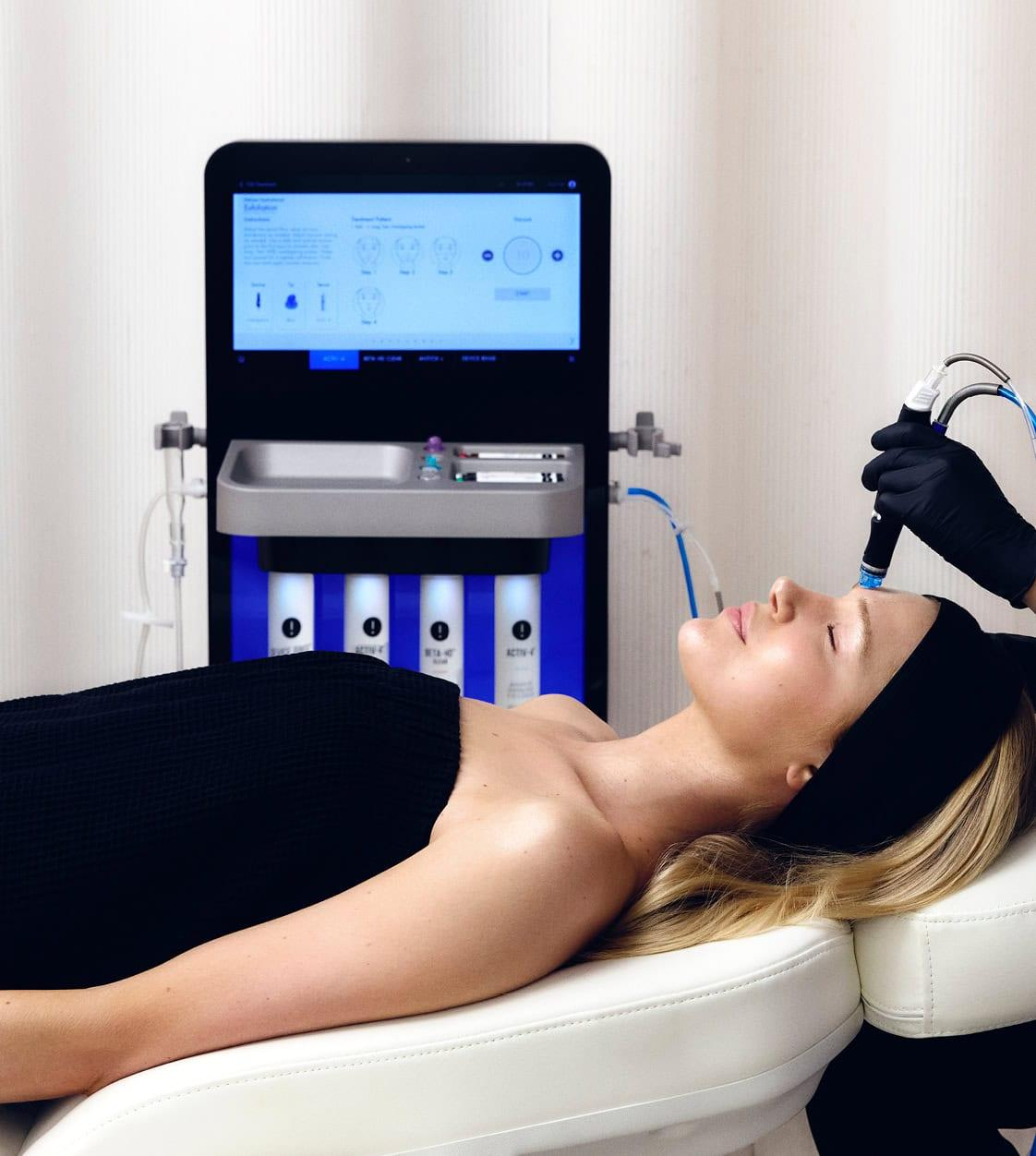
5. HydraFacial and Hydrodermabrasion: Combining Multiple Steps in One Treatment
Among the five approaches discussed by Dr Theva, HydraFacial is positioned as the preferred option because it combines several treatment stages into a single professional experience.
The underlying concept is particularly relevant to the professional beauty equipment industry.
Instead of treating cleansing, exfoliation, extraction, and hydration as completely separate procedures, an integrated facial system can combine several functions within one treatment protocol.
A typical hydrodermabrasion-style treatment may include:
Step 1: Cleanse
The skin is prepared to remove surface makeup, oil, and impurities.
Step 2: Exfoliate
Controlled exfoliation helps loosen dead skin cells and surface buildup.
Step 3: Suction and extraction
Negative pressure helps remove loosened debris and excess sebum from targeted areas.
Step 4: Hydrate
The skin receives hydrating solutions or professional skincare formulations designed to support a refreshed appearance.
This multi-step approach is one reason integrated facial systems have become attractive to professional salons and aesthetic clinics.
Rather than purchasing one device for cleansing and another for exfoliation, a multifunctional platform can potentially support a broader facial menu.
Technology and Mechanism: Why Professional Pore-Cleansing Devices Work Differently
The key difference between a basic skincare routine and a professional facial device is controlled energy, pressure, contact, and treatment delivery.
Consider a vacuum facial system.
The handpiece creates negative pressure at the skin surface. When correctly controlled, this suction can help lift and remove loosened surface debris and sebum.
With hydrodermabrasion, fluid and suction can work together. The treatment tip moves across the skin while solution is delivered and used fluid is collected.
This creates a closed treatment cycle:
Loosen → Lift → Extract → Refresh → Hydrate
The exact mechanism depends on the device configuration, handpiece, solution, suction level, and operator technique.
This is also why professional training matters. Stronger suction does not automatically mean better treatment. The objective is to achieve effective cleansing without creating unnecessary mechanical stress.
At-home pore-vacuum devices can provide a convenient option, but professional systems generally offer greater control over treatment parameters and are operated within a structured skin-assessment and treatment protocol.
Advantages and Comparison: Which Pore-Cleansing Method Is Best?
There is no single method that is ideal for every client.
| Method | Main Function | Professional Control | Best Used For |
|---|---|---|---|
| Pore Strips | Surface removal | Low | Occasional nose-area cleansing |
| Facial Masks | Oil absorption / skin conditioning | Medium | Oily or combination skin protocols |
| Exfoliation | Dead-cell removal | Medium–High | Rough texture and congestion |
| Manual Extraction | Physical removal | High | Selected blackheads and comedones |
| Hydrodermabrasion / HydraFacial-style Treatment | Exfoliation + extraction + hydration | High | Comprehensive professional facial treatments |
The most important advantage of professional equipment is not simply stronger performance.
It is repeatability.
A professional can establish a treatment protocol, select suitable settings, monitor the client's skin response, and combine multiple technologies according to the client's needs.
This makes advanced facial equipment especially valuable for clinics that want to offer consistent treatment experiences rather than one-off cleansing procedures.
Applications and Client Needs
1. Clients with oily or combination skin
Excess sebum can contribute to visible congestion. Vacuum cleansing, exfoliation, and targeted professional facials can be incorporated into a regular maintenance program.
2. Clients concerned about blackheads
The nose, chin, and forehead are common areas of congestion. A professional treatment can focus on these areas instead of applying the same intensity across the entire face.
3. Clients preparing for events
For clients seeking smoother-looking, refreshed skin before photography, weddings, or other events, a gentle professional facial can combine cleansing, exfoliation, and hydration.
4. Clients with rough or dull-looking skin
Pore congestion is not the only concern. Dead-cell buildup can also make the complexion appear uneven. Combining exfoliation with hydration can provide a more comprehensive facial experience.
5. Salons looking to expand their treatment menu
From a business perspective, multifunctional facial platforms can support several services from one equipment investment.
A single platform may be configured around cleansing, exfoliation, hydrodermabrasion, oxygen infusion, serum delivery, or other facial functions, depending on the device design.
This gives professional operators more flexibility when building treatment packages.
Professional Equipment vs. Home Pore-Cleansing Tools
The growing popularity of home beauty devices has made pore cleansing more accessible. However, professional equipment serves a different purpose.
A consumer may want convenience.
A salon or clinic needs:
- Consistent treatment parameters
- Professional handpieces
- Adjustable suction or treatment intensity
- Appropriate solution delivery
- Hygienic workflows
- Repeatable treatment protocols
- Operator control
- A premium client experience
This distinction is important for manufacturers and distributors of professional aesthetic equipment.
The value of a professional device is not simply that it performs a similar action at a higher power. Its value comes from combining technology, control, protocol, and professional operation.
That is what turns a basic facial procedure into a structured service offering.
How Beauty Clinics Can Build a Complete Pore-Care Protocol
A well-designed pore-cleansing treatment does not have to depend on one technology.
A clinic can build a protocol such as:
Skin Assessment → Deep Cleansing → Controlled Exfoliation → Vacuum Extraction → Targeted Serum/Hydration → Soothing Finish
This approach allows the operator to adjust the treatment according to skin condition.
For example, a client with significant oiliness may require more attention to cleansing and exfoliation, while a client with sensitive or dehydrated skin may benefit from a gentler approach with greater emphasis on hydration.
The treatment should always be adapted to the client's skin condition, device instructions, and applicable professional standards.
For persistent, inflammatory, or severe acne, professional skincare treatments should not replace appropriate medical evaluation. Dermatological care may be necessary depending on the condition.
Conclusion
Clogged pores may seem like a simple skincare problem, but effective pore management requires more than simply squeezing or scrubbing the skin.
The five approaches highlighted by Dr Theva—pore strips, masks, exfoliation, extraction, and HydraFacial—illustrate how pore care can progress from simple surface cleansing to sophisticated professional treatment systems.
For modern beauty salons and aesthetic clinics, professional facial equipment adds another dimension: controlled exfoliation, targeted suction, efficient cleansing, hydration, and treatment consistency.
The goal is not to make pores disappear. The goal is to keep the skin clean, balanced, smooth-looking, and professionally maintained.
For equipment manufacturers and clinic operators, this creates an opportunity to move beyond the concept of a basic “pore cleansing machine” and develop complete facial treatment solutions that combine technology with practical treatment protocols.
When the right technology is paired with appropriate professional technique, pore care becomes more than a satisfying extraction—it becomes a repeatable, customizable, and commercially valuable professional facial service
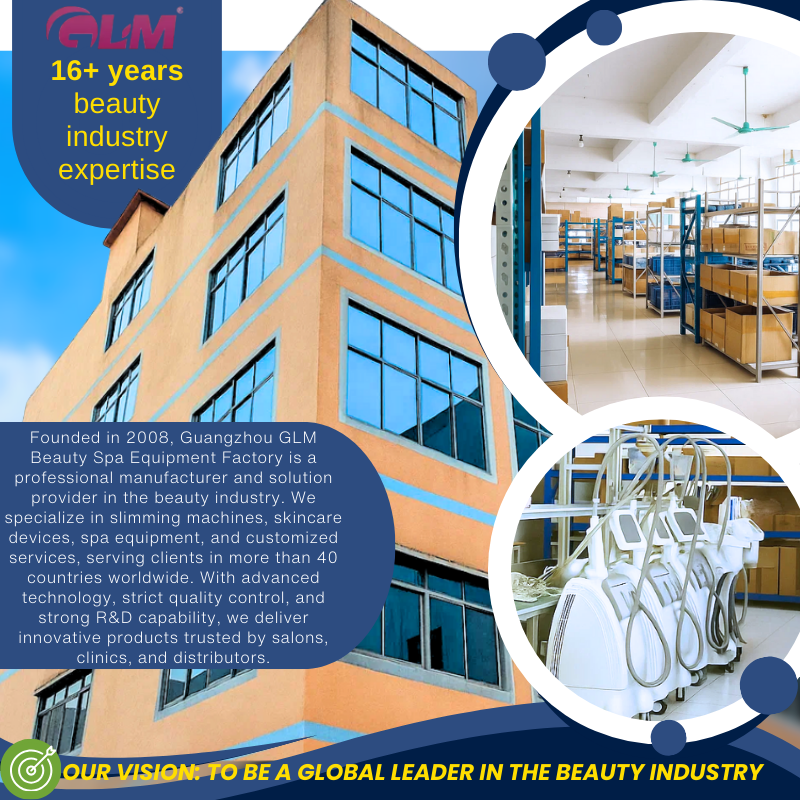
Founded in 2008, Guangzhou GLM Beauty Spa Equipment Factory specializes in research, development, manufacture and selling of beauty and slimming machines. Our production base is located in Guangzhou City, Guangdong Province, China. Since our foundation, we have introduced advanced technologies and equipment, to assure high quality and high performance of our products. With professional marketing guide and excellent after-sales service, our products have been exported to over 20 countries and regions, including Southeast Asia, the Middle East, Europe and the United States, won worldwide praises and gained a good reputation