Introduction
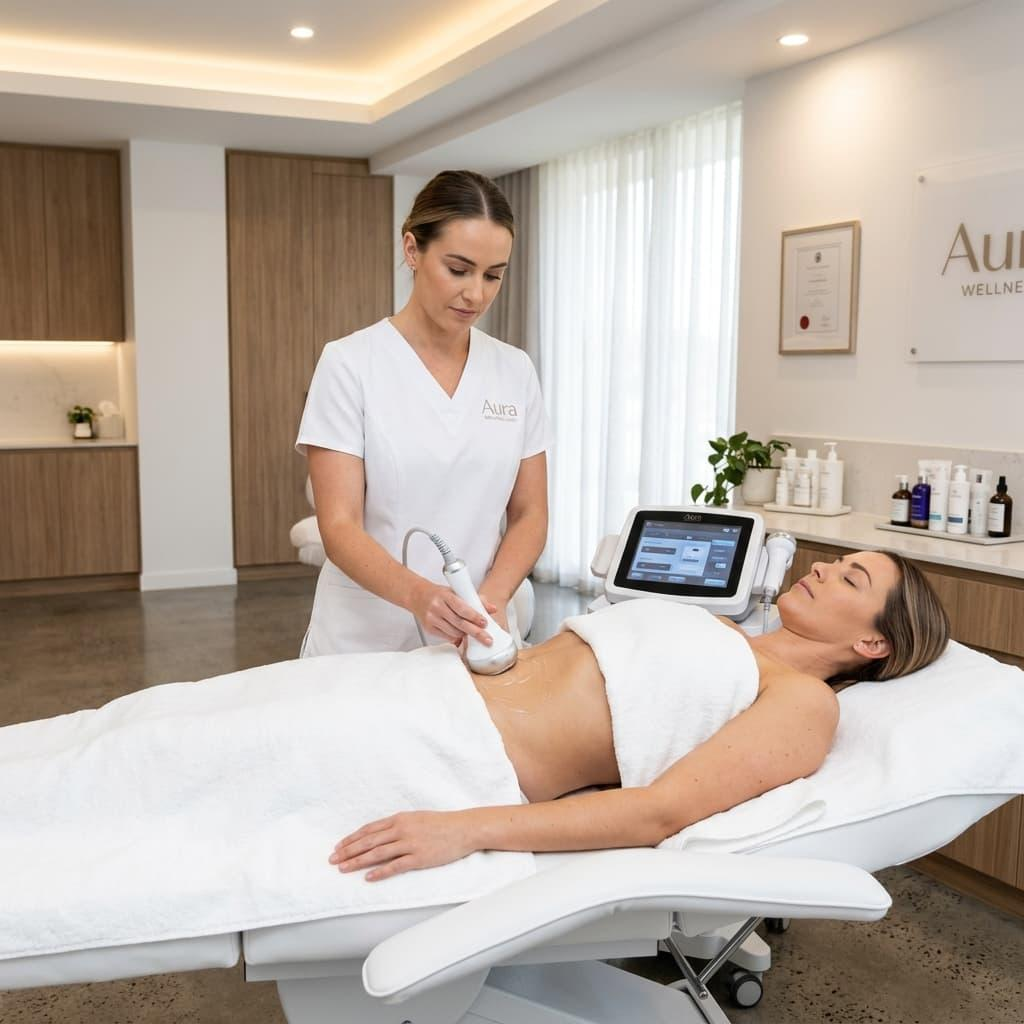
Body contouring has become an important service in professional beauty salons, aesthetic clinics, and medical spas. As clients increasingly seek non-surgical options for improving body shape, skin firmness, and the appearance of cellulite, practitioners need more than a single treatment technique to deliver a satisfying experience.
In 2026, the focus is shifting toward personalized treatment planning, complementary technologies, realistic outcome expectations, and long-term maintenance. Radiofrequency (RF), ultrasound-based technologies, cryolipolysis, vacuum-assisted massage, and electromagnetic muscle stimulation each address different aspects of body appearance. However, no single technology is suitable for every concern, and combining multiple treatments does not automatically guarantee better results.
For beauty professionals, maximizing body contouring outcomes means identifying the client's primary concern, selecting appropriate equipment, establishing a consistent treatment protocol, and evaluating progress over time. It also means explaining what non-invasive devices can realistically achieve and when another approach may be more appropriate.
This guide explores five practical ways to optimize body contouring results while highlighting the role of professional aesthetic equipment in delivering structured, individualized treatments.
Background: Why Body Contouring Results Vary
Body contouring is not the same as weight loss. Its purpose is to improve the appearance of specific body areas by addressing localized fat, skin laxity, uneven texture, or muscle definition, depending on the treatment used.
Two clients with similar body measurements may respond differently to the same procedure. Age, skin elasticity, tissue characteristics, lifestyle, treatment area, and baseline body composition can all influence the outcome. The technology selected also matters because different devices target different tissues and use different mechanisms.
For example, a client with a small, localized fat deposit may have different needs from someone whose main concern is loose abdominal skin following weight loss. A person seeking improved muscle definition may benefit from a different treatment strategy altogether.
Expectations also play an important role. Some clients anticipate dramatic changes after one session, even though many non-surgical procedures require a series of treatments and time for the body to respond. Skin remodeling, in particular, may develop gradually over several months.
The key to better outcomes is therefore not simply increasing treatment intensity. It is matching the right technology to the right concern and supporting the treatment with an appropriate maintenance plan.
Technology and Mechanism: 5 Tips to Maximize Body Contouring Results
Tip 1: Build a Personalized Treatment Plan Before Choosing a Device
The first step toward better body contouring results is a comprehensive consultation. Before recommending a device or treatment package, practitioners should identify the client's goals, assess the target area, review relevant health information, and determine whether the client is an appropriate candidate.
Start by distinguishing among four common concerns:
-
Localized fat: Small, persistent fat deposits that remain despite a relatively stable weight.
-
Skin laxity: Reduced firmness or elasticity that may become noticeable after aging, pregnancy, or weight loss.
-
Uneven skin texture: The visible appearance of cellulite, dimpling, or irregular contours.
-
Muscle definition: A desire for improved muscle tone or a more defined appearance.
These concerns may overlap, but they should not be treated as interchangeable. A device designed primarily for fat reduction may not adequately address significant skin laxity. Likewise, a skin-tightening treatment is not a substitute for weight management or a procedure intended to remove substantial excess skin.
Professional operators can use consultation notes, standardized photographs, body measurements, and consistent assessment methods to establish a baseline. They should then agree on realistic goals and explain the likely treatment timeline.
Equipment selection should follow the assessment rather than the other way around. Clinics can compare devices according to their intended applications, energy delivery, treatment controls, safety features, training requirements, and supporting clinical evidence.
A well-planned treatment program also allows practitioners to select the appropriate number and spacing of sessions instead of selling a fixed package without considering individual needs.
Professional takeaway: Personalized planning improves treatment relevance, supports clearer client communication, and helps clinics use their equipment more efficiently.
Tip 2: Match the Technology to the Target Tissue
Different body contouring technologies work through different mechanisms. Understanding these distinctions helps practitioners choose equipment that aligns with the intended outcome.
Radiofrequency for skin firmness
RF devices deliver electromagnetic energy that produces controlled heating within targeted tissues. Depending on the device design and treatment parameters, this heating can support collagen remodeling and improve the appearance of mild skin laxity over time.
RF-based treatments may be considered for areas such as the abdomen, upper arms, thighs, or other areas where skin firmness is a concern. Results depend on the technology, the degree of laxity, the treatment protocol, and individual tissue response.
Ultrasound and cryolipolysis for selected fat-reduction goals
Ultrasound-based systems use acoustic energy, while cryolipolysis uses controlled cooling. These technologies have different mechanisms, indications, and safety considerations. Certain systems are designed to address localized fat deposits in appropriately selected clients.
Practitioners should verify the specific device's intended use and determine whether the client's concern matches that application. Neither approach should be presented as a universal solution for obesity or general weight loss.
Vacuum-assisted massage and mechanical body treatments
Vacuum-assisted systems use suction, sometimes combined with rollers or mechanical massage. Depending on the device, these treatments may temporarily improve the appearance of skin texture, support tissue mobilization, or provide a body massage experience. They should not automatically be described as permanently removing fat.
Electromagnetic muscle stimulation
Certain electromagnetic systems stimulate muscle contractions and are intended to support improvements in muscle tone or definition. They address a different target from technologies focused primarily on skin or fat.
The practical lesson is simple: select a device based on the tissue and outcome being targeted. A professional clinic may benefit from offering complementary technologies, but every treatment should have a clear purpose rather than being added to a package merely because the equipment is available.
Tip 3: Address Skin Tightening as Part of the Overall Plan
Reducing localized fat and improving skin firmness are related but distinct objectives. If a treatment changes the appearance of an area without adequately addressing existing skin laxity, the final contour may not match the client's expectations.
Skin quality deserves particular attention for clients who have experienced significant weight changes, pregnancy, or age-related reductions in elasticity. The amount of excess skin, the condition of the underlying tissue, and the client's general health all influence which options may be appropriate.
RF-based devices are one option for selected clients with mild skin laxity. Controlled thermal energy can initiate tissue responses associated with collagen remodeling, but visible improvement is gradual rather than immediate. Treatment results vary, and non-surgical skin tightening cannot reliably reproduce the effects of surgery in people with substantial excess skin.
A thoughtful plan may therefore separate fat-reduction goals from skin-tightening goals, even when both are addressed within the same broader program. Practitioners should confirm that each selected technology is appropriate for the treatment area and intended use.
It is also important to distinguish professional RF treatments from RF microneedling. They are not interchangeable procedures. The US Food and Drug Administration has warned of serious complications associated with certain uses of RF microneedling, including burns, scarring, nerve damage, and unwanted changes in fat tissue. Practitioners must follow device-specific guidance, appropriate training, and applicable regulations.
When a client has substantial loose skin or expectations beyond what a non-invasive device can reasonably deliver, referral to a qualified medical professional may be the most appropriate next step.
Professional takeaway: A strong body contouring program considers skin firmness alongside fat distribution, rather than assuming that one technology can solve every concern.
Tip 4: Follow a Consistent Protocol and Track Progress Objectively
Even an advanced device cannot compensate for an inconsistent treatment protocol. Session spacing, treatment parameters, applicator selection, treatment duration, and operator technique should follow the manufacturer's instructions and the client's individual assessment.
Before each session, practitioners should review the client's response to previous treatments and check for new symptoms, contraindications, or changes in health status. Treatment should be postponed or adjusted when necessary, and unexpected adverse effects should be assessed appropriately.
Standardized progress tracking can also improve the client experience. Clinics may use:
-
Photographs taken under consistent lighting, posture, distance, and camera positioning.
-
Measurements of predefined body areas using the same technique.
-
Records of treatment settings, session dates, and client-reported responses.
-
Follow-up assessments at appropriate intervals.
Measurements and photographs should be interpreted carefully. Short-term changes can reflect hydration, posture, bloating, or measurement variability rather than a lasting change in body composition.
Practitioners should avoid promising a specific number of centimeters lost or a guaranteed outcome. Instead, they should explain the intended endpoint, the expected timeframe, the limitations of the evidence, and the circumstances under which the treatment plan may need to change.
Combining technologies can sometimes be useful when different concerns require different approaches. For example, a practitioner may consider a suitable fat-focused treatment and a separate skin-tightening modality when both concerns are present. However, the sequence, spacing, and safety of combination treatments must be established for the specific devices and client. More treatments do not necessarily produce better results.
Professional takeaway: Consistent protocols and objective follow-up make treatment decisions more evidence-informed and help clients understand their progress.
Tip 5: Establish a Long-Term Maintenance Strategy
Body contouring should not be treated as a one-time purchase with permanently guaranteed results. Long-term outcomes depend on the technology used, the original concern, natural aging, changes in body weight, and ongoing lifestyle habits.
For many clients, maintaining a relatively stable weight is an important part of preserving body shape. Remaining fat cells can increase in size with weight gain, while changes in muscle activity and skin elasticity can affect the appearance of treated areas.
A practical maintenance strategy may include:
-
Consistent physical activity: Encourage an appropriate combination of cardiovascular activity and resistance training, taking individual ability and medical advice into account.
-
Balanced nutrition: Support sustainable eating habits rather than restrictive short-term diets.
-
Realistic weight management: Explain that body contouring is not a replacement for obesity treatment or comprehensive weight management.
-
Scheduled follow-up: Review progress and discuss whether additional treatment is appropriate instead of automatically repeating sessions.
-
Ongoing skin care: Recommend suitable sun protection and basic skin care where relevant, while clarifying that these measures do not replace body contouring procedures.
The timing of maintenance sessions should be based on the specific device, treatment indication, response, and manufacturer's recommendations. Some procedures may produce longer-lasting changes, while others primarily provide temporary improvements that require periodic reassessment.
Clinics can strengthen client relationships by providing written aftercare instructions, recording treatment outcomes, and scheduling follow-up consultations. This creates a more structured service experience and allows practitioners to identify concerns before recommending additional procedures.
Maintenance should always be individualized. Clients with unexpected symptoms, significant weight changes, or new health concerns may require reassessment rather than another cosmetic treatment.
Advantages and Comparison: Why Professional Equipment Matters
Professional body contouring equipment can offer practical advantages in a clinic or beauty salon when it is selected and operated appropriately. These advantages are not simply a matter of machine size or power; they depend on the quality of the system, its intended use, the operator's training, and the treatment protocol.
| Consideration | Professional aesthetic equipment | Typical home-use device |
|---|---|---|
| Treatment planning | Can support structured, practitioner-led protocols | Usually relies on individual use instructions |
| Treatment controls | May offer more adjustable parameters, depending on the model | Often has more limited settings |
| Application | Designed for specific professional or clinical uses | Intended for the uses specified for consumers |
| Monitoring | Allows practitioner assessment and documented follow-up | Monitoring is generally self-directed |
| Service support | May include technical training, maintenance, and manufacturer support | Support varies by brand and product |
These are general distinctions, not guarantees for every product. Some home-use devices are well designed, and some professional devices have limited indications. Clinics should assess the specifications, evidence, regulatory status, service arrangements, and total cost of ownership of each system.
Professional equipment can also help businesses build more clearly defined treatment programs. A clinic offering appropriate RF skin tightening, for example, can explain how that service differs from a fat-focused treatment and identify which clients may benefit from each. This supports better-informed consultations and more transparent service positioning.
For manufacturers and distributors, the value proposition should extend beyond a list of functions. Buyers need to understand the intended application, operator training, treatment workflow, maintenance requirements, available technical support, and limitations of the technology.
The most effective equipment strategy is not necessarily to purchase the largest number of devices. It is to build a complementary portfolio that addresses the clinic's actual client demand while maintaining appropriate safety and treatment standards.
Applications and Client Needs: Turning Technology into a Better Service
Different clients need different treatment pathways. A professional consultation should translate their goals into a realistic service plan.
Clients with localized fat deposits
After an appropriate assessment, a practitioner may consider a technology specifically intended for localized fat reduction. The consultation should cover eligibility, realistic changes, potential risks, and the distinction between body contouring and weight loss.
Clients concerned about mild skin laxity
An appropriate skin-tightening treatment may be considered when the client's degree of laxity falls within the technology's intended application. Practitioners should explain that collagen remodeling takes time and that results vary.
Clients concerned about cellulite or uneven texture
The practitioner should identify whether the main concern is surface dimpling, skin laxity, localized fat, or a combination. Mechanical massage, energy-based treatments, and other approaches have different purposes, and improvements may be temporary or limited.
Clients seeking muscle definition
Where appropriate, a muscle-focused technology may be considered alongside exercise and sustainable lifestyle habits. It should not be presented as a substitute for physical activity or as a universal fat-loss solution.
Clients with substantial excess skin or complex medical considerations
Non-invasive equipment may not be sufficient. A qualified healthcare professional should assess whether alternative treatment options, medical management, or a surgical consultation is more suitable.
Across all these scenarios, informed consent, contraindication screening, appropriate operator training, and clear aftercare instructions are essential. Treatment decisions should prioritize client suitability and safety over package size or device availability.
Conclusion
Maximizing body contouring results in 2026 requires a structured approach that connects personalized planning, appropriate technology, skin-tightening considerations, consistent treatment protocols, and long-term maintenance.
The five essential steps are to assess the client's real concern before selecting a device, match the technology to the intended tissue target, address skin laxity when relevant, track progress objectively, and develop a sustainable maintenance strategy.
For professional beauty salons, aesthetic clinics, and medical spas, high-quality equipment is most valuable when it supports a clearly defined treatment objective. RF, ultrasound, cryolipolysis, vacuum-assisted systems, and electromagnetic muscle stimulation each have distinct applications and limitations. Their value lies in appropriate selection and responsible use, not in the number of technologies included in a package.
By combining realistic expectations with practitioner expertise and a personalized treatment pathway, clinics can provide a more transparent, professional, and client-centered body contouring experience. In the long term, that approach supports better-informed decisions, stronger client relationships, and a more sustainable aesthetic service business