
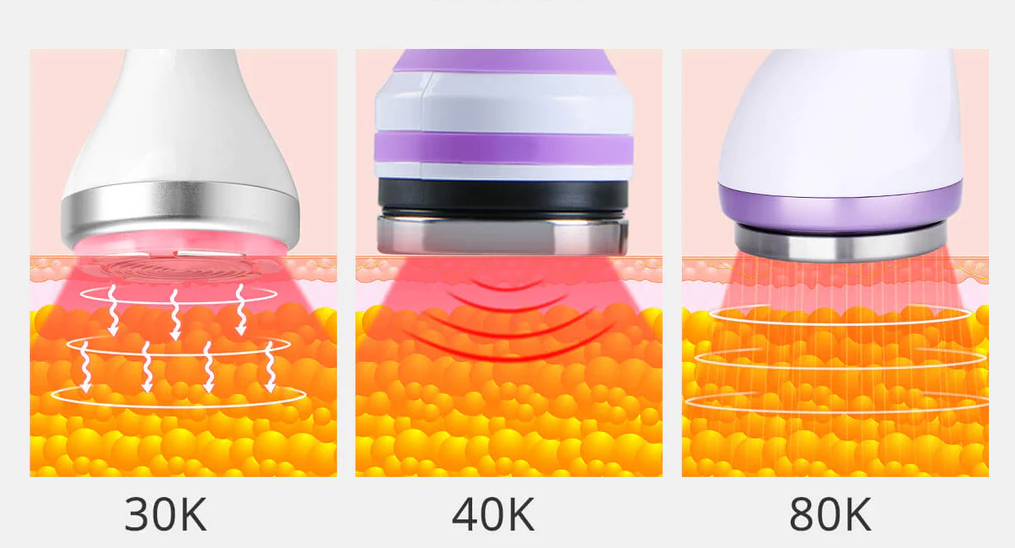
30k versus 40k versus 80k cavitation machines: Which one should you choose?
The numbers 30K, 40K, and 80K hold specific meanings when it comes to ultrasonic cavitation treatments. To determine which type is most suitable for you, let's first decipher what these numbers signify. These figures refer to the frequency of ultrasonic waves emitted by the machine during the treatment process.
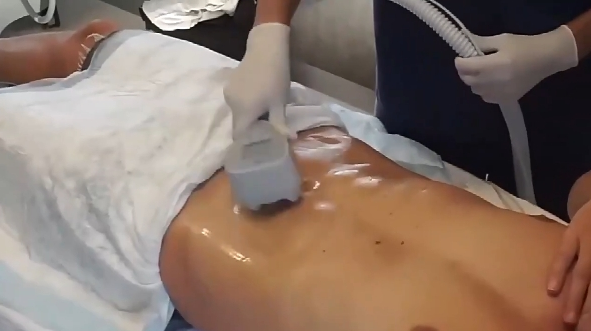
Ultrasonic cavitation machines utilize powerful sonic heads that transmit sound waves at specific frequencies. These waves significantly impact the body's fat cells, generating frictional movements among them. This process aids in breaking down fat cells and consuming their heat and moisture, leading to their contraction. Furthermore, as the sound waves vibrate, they create intense crevices between cells, causing them to rupture and diminish, contributing to a slimmer appearance. Notably, these machines selectively target low-density fat tissue while safeguarding high-density structures like blood vessels and nerves.
The primary distinction between 30K, 40K, and 80K cavitation lies in the frequency of ultrasonic waves they emit. For instance, an 80 kHz cavitation indicates that it emits or pulses 80,000 times per second, whereas a 30 kHz cavitation pulses at 30,000 times per second. However, it's crucial to understand that a higher number does not automatically equate to superior treatment outcomes. Just because you're delivering 80,000 ultrasonic waves into a target area doesn't mean they penetrate deeper than slower frequencies like 30,000 Hz.
This might sound confusing, but put simply, slower frequencies can be more effective in cavitation treatments because they penetrate deeper. To help dissolve thicker fat layers, 30K and 40K cavitation machines often outperform 80K machines.
In summary, choosing the right cavitation frequency depends on individual needs and treatment goals, with slower frequencies potentially offering deeper penetration and, in some cases, more effective fat reduction.
Why do I feel heat during higher-frequency cavitation treatments?
Individuals opting for 80K cavitation therapy may experience a warming sensation in the treatment area during the procedure. Conversely, this sensation tends to dissipate when switching to lower frequencies like 40K or 30K treatments, highlighting a key difference between high- and low-frequency cavitation. As previously mentioned, an 80K cavitation machine emits 80,000 ultrasonic waves per second through the handpiece, causing the handpiece itself to warm up during use.
In contrast, low-frequency cavitation machines operating at 40K and 30K usually keep the handpiece cool since the cavitation process itself does not generate heat. The only scenario where a cavitation handpiece may generate or dissipate heat is if it incorporates a built-in radiofrequency (RF) function. RF technology is designed to heat the deeper layers of the dermis, contributing to the warm sensation experienced during the treatment.
In summary, the heat felt during 80K cavitation treatments is primarily due to the high frequency of ultrasonic waves emitted, which can cause the handpiece to warm up. Conversely, lower frequencies maintain a cooler handpiece, and any heat generated would likely stem from additional technologies like RF, if integrated.
Does low-frequency cavitation indeed cause louder screams in the inner ear?
High-frequency sound waves from fat blasting machines are potent, with frequencies exceeding 20kHz that target fat layers up to 20mm deep beneath the skin. The concentrated energy of these waves causes friction and heat generation within the fat cells in the focused area, leading to their breakdown and emulsification. This process generates sound, which can potentially cause tinnitus. Therefore, theoretically, any frequency, be it 30K, 40K, or 80K, can induce tinnitus.
However, some users report experiencing fewer auditory sensations as the frequency increases, suggesting that 80kHz may not pose significant distress to the inner ear. Nevertheless, it's important to note that individuals can vary in their perception of the same frequency; some may hear a humming sound, while others might perceive it as a shrill scream. If you're sensitive to noise, it's advisable to take this into account during body shaping and contouring treatments.
Furthermore, technological advancements have led to upgraded cavitation machines that minimize the disruptive noise, allowing you to undergo cavitation treatments at any frequency without undue concerns about tinnitus. So, with the latest technology, you can freely choose the frequency that suits your needs.
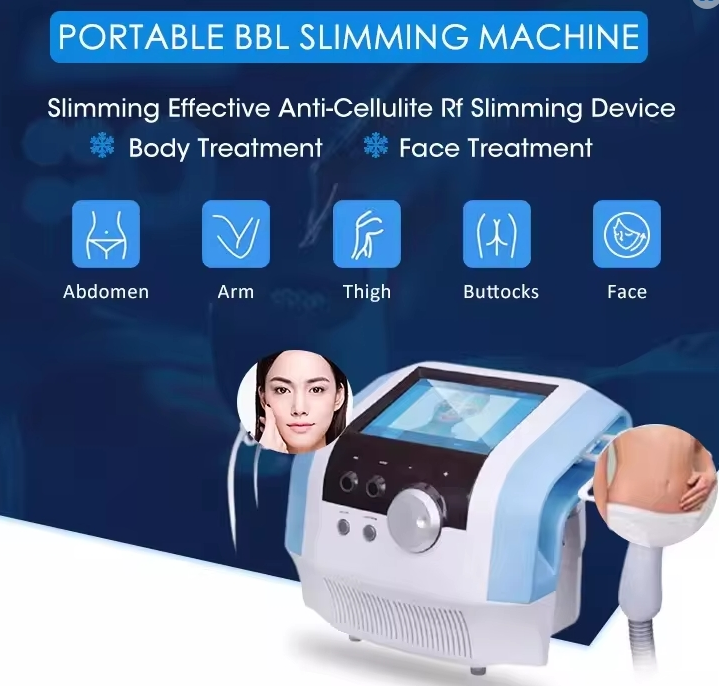
How to Choose the Best Cavitation Machine?
Selecting the optimal cavitation machine for your needs can be daunting with the myriad of options and features available. Deciding which one will deliver the best results for you can be overwhelming. To start, take a good look at your body in the mirror. Do you have large areas of fat to address? Are you dealing with loose skin? If so, a more powerful cavitation machine with integrated high-intensity radiofrequency (RF), such as a 30K model, might be your best bet.
For those with smaller fat areas, the 40K machine can be a versatile choice, capable of tackling these more localized regions. However, if you don't have any significant fat areas to target, you might consider opting for a 60K or 80K machine.
It's crucial to note that cavitation is often not a standalone treatment; there are numerous other therapies that can be combined for enhanced results. For instance, microcurrent and LED therapy can aid in product absorption and muscle toning, particularly for facial muscle tightening. RF skin tightening and vacuum therapy are also popular add-ons that help rejuvenate and firm the skin.
To make an informed decision, start by understanding your body's unique needs. Here's a step-by-step guide to choosing the best cavitation machine:
-
Assess Your Goals: Clarify your primary objectives. Are you aiming for fat reduction, skin tightening, or both?
-
Understand the Technology: Research the different frequencies and their intended effects. Higher frequencies (e.g., 80K) tend to target deeper layers, while lower ones (e.g., 30K) may offer a more intense experience.
-
Explore Additional Features: Consider if you would benefit from integrated technologies like RF, microcurrent, LED, or vacuum therapy. These can enhance your treatment outcomes.
-
Budget Considerations: Determine your financial limits and find a machine that aligns with your budget without compromising on quality and effectiveness.
-
Consult Experts: Seek advice from dermatologists, aestheticians, or health professionals familiar with cavitation machines. They can offer personalized recommendations based on your skin type, body condition, and desired outcomes.
-
Read Reviews: Look into user reviews and testimonials to get insights into real-world experiences with different machines.
-
Trial Sessions: If possible, try out a few machines through consultations or test sessions to get a feel for what works best for you.
By thoroughly evaluating your needs and exploring the various options, you'll be able to make an informed decision and choose the best cavitation machine that suits your unique body and goals.