Introduction
As professional beauty treatments continue to evolve, clients are increasingly looking for non-invasive procedures that combine comfort, wellness, and visible body-care benefits. This has created growing interest in air compression therapy, also known as pneumatic compression therapy or pressotherapy.
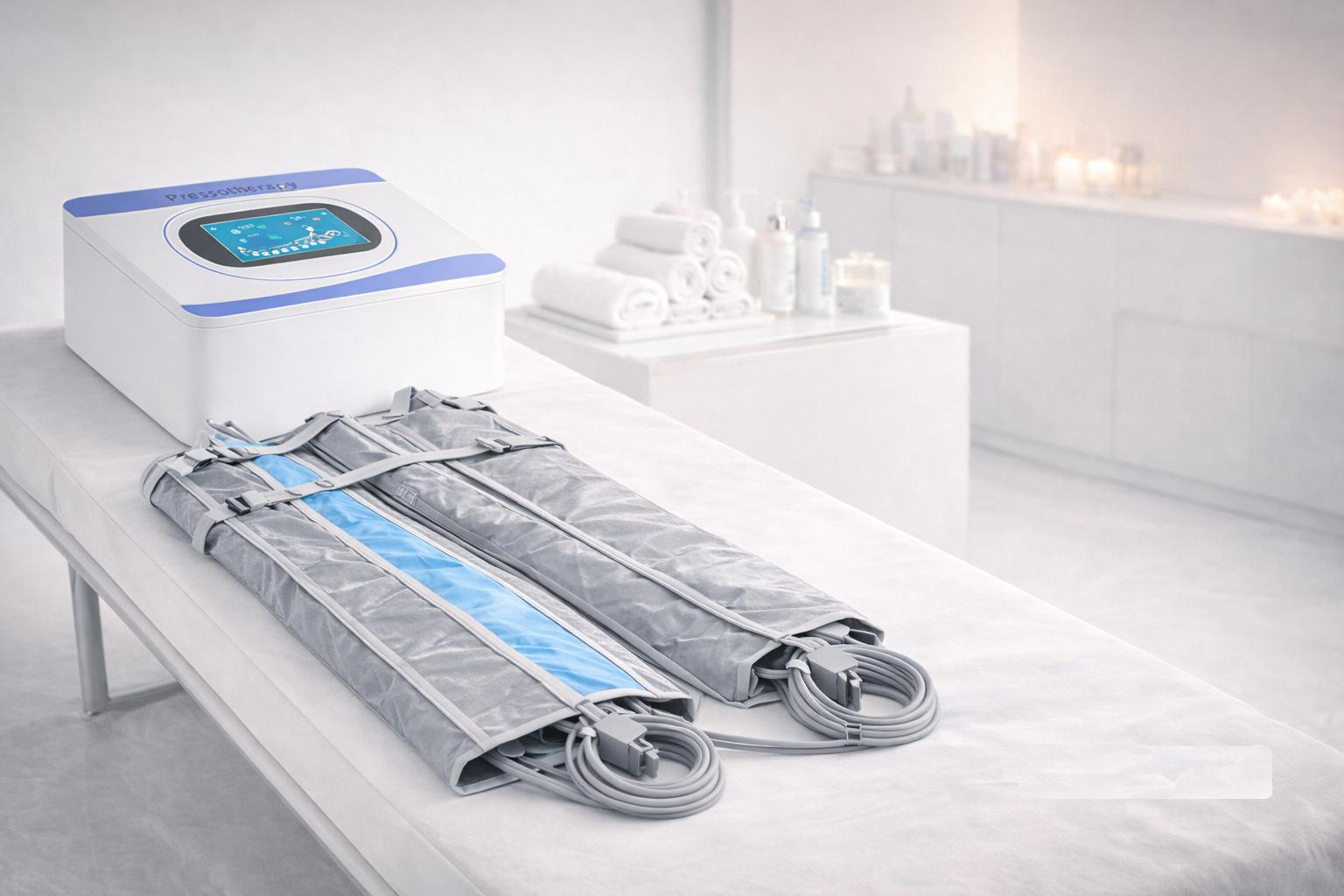
Unlike technologies that rely on heat, ultrasound, radio frequency, or electrical stimulation, air compression therapy uses controlled pressure generated by inflatable chambers. A specialized garment or set of cuffs surrounds the treatment area, while the device sequentially inflates and deflates different chambers.
For beauty salons, spas, wellness centers, and aesthetic clinics, this technology provides a practical way to incorporate circulation-focused body treatments into broader treatment programs. It can also serve as a complementary procedure alongside body contouring, massage, recovery, and skin-care services.
The key is understanding what air compression therapy can realistically do, how professional equipment controls the treatment, and where it fits into a modern beauty business.
Background: Why Compression Matters in Body Treatments
The human body constantly moves fluid through the circulatory and lymphatic systems. When a client remains seated or standing for long periods, exercises intensely, or experiences temporary fluid accumulation, the legs and other areas of the body may feel heavy, swollen, or uncomfortable.
This is one reason compression has become relevant to professional body-care treatments.
Traditional manual massage and lymphatic techniques rely heavily on the skill and consistency of the practitioner. Air compression systems introduce a mechanical alternative: instead of a therapist continuously applying pressure by hand, a programmable device delivers rhythmic compression through multiple air chambers.
Clinical research on intermittent pneumatic compression (IPC) has examined its role in managing edema and supporting fluid movement. A 2026 systematic review of randomized controlled trials found moderate-certainty evidence that IPC can reduce lower-limb edema volume or circumference in appropriate clinical populations.
For aesthetic businesses, however, it is important to distinguish professional beauty and wellness applications from medical treatment. A beauty device should not be presented as a replacement for medical diagnosis or treatment.
Instead, air compression can be positioned as a controlled, comfortable technology for supporting body-care routines and improving the overall treatment experience.
Technology and Mechanism: How Does Air Compression Therapy Work?
The basic principle is relatively simple, but the quality of the treatment depends heavily on how the equipment controls pressure.
A professional air compression system typically consists of:
- A control unit with an air pump
- A multi-chamber compression garment
- Air hoses connecting the garment to the main unit
- Adjustable pressure settings
- Sequential inflation programs
- Treatment-time controls
- Different garments for the legs, arms, waist, or abdomen
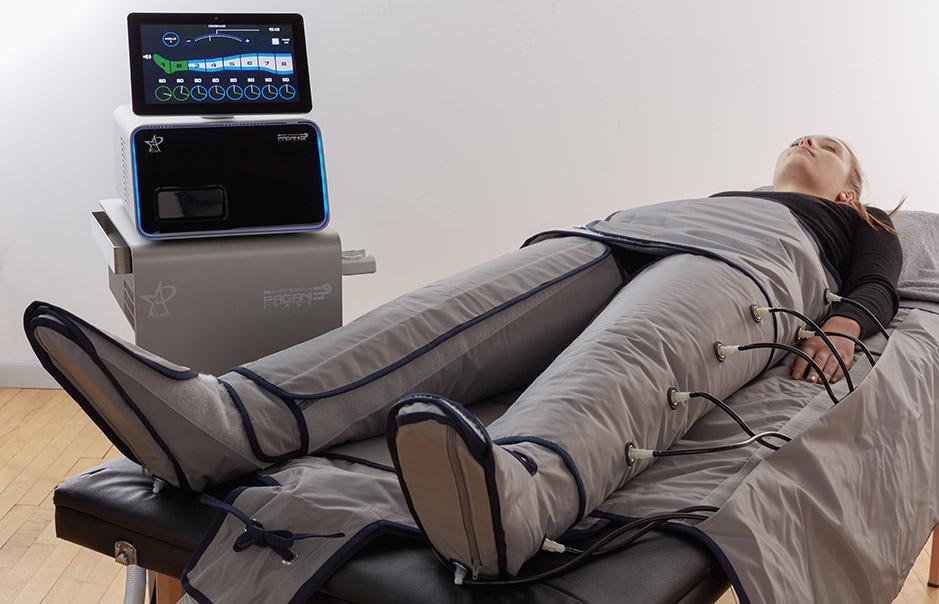
The client wears the appropriate garment, and the operator selects a treatment program based on the treatment area and intended application.
1. Sequential Air Inflation
Rather than applying identical pressure to the entire body at once, multi-chamber systems can inflate individual sections in sequence.
For example, a leg garment may begin compressing the lower portion of the leg before progressively moving toward the upper section.
This creates a rhythmic compression pattern rather than continuous static pressure.
2. Controlled Compression and Release
Each chamber inflates and then releases air according to the selected program.
This repeated cycle creates a compression-and-relaxation pattern. In clinical IPC systems, sequential gradient pressure is used to mechanically influence fluid movement and reduce edema.
For aesthetic applications, this mechanism can be incorporated into relaxation-oriented body programs, especially when clients want a treatment that does not involve needles, heat, or aggressive mechanical manipulation.
3. Adjustable Treatment Parameters
Professional equipment is valuable because operators can control variables such as:
- Pressure intensity
- Compression sequence
- Chamber timing
- Treatment duration
- Treatment area
- Program selection
This makes the technology more adaptable than a simple compression garment used without electronic control.
A professional device can therefore become part of a structured treatment protocol rather than simply functioning as a passive compression sleeve
What Are the Potential Benefits of Air Compression Therapy?
Air compression therapy should not be marketed as a universal solution. Its value lies in the specific functions that controlled compression can provide within a professional treatment program.
Supporting Fluid Movement
One of the most established applications of intermittent pneumatic compression is edema management in appropriate clinical settings. Research has shown that IPC can contribute to reductions in lower-limb edema volume under suitable treatment protocols.
In the beauty and wellness environment, this mechanism is often translated into treatments focused on temporary fluid retention, heavy-feeling legs, and overall body comfort.
Promoting a Comfortable Treatment Experience
Many clients prefer treatments that allow them to relax while the equipment performs the programmed procedure.
Air compression is generally experienced as rhythmic squeezing and releasing rather than intense mechanical manipulation. This makes it suitable for wellness-oriented treatment menus where relaxation is part of the customer experience.
Supporting Body-Care Programs
Air compression can also be incorporated into broader body-care packages.
For example, a clinic may combine:
Body assessment → body contouring treatment → air compression → aftercare
The compression session does not necessarily have to be the primary procedure. It can function as a complementary step within a larger treatment plan.
Supporting Post-Exercise Recovery Programs
Air compression has also attracted attention in sports recovery. A 2024 systematic review and meta-analysis found that lower-limb IPC may provide small benefits for some recovery outcomes, although the evidence remains variable and does not support claiming that compression is superior to all other recovery methods.
This creates an additional opportunity for beauty and wellness businesses that offer recovery-oriented services.
Air Compression Therapy vs. Manual Massage and Basic Compression Garments
One important question for clinic owners is: Why use a professional machine instead of a conventional compression garment or manual massage?
The answer is primarily control, consistency, and treatment versatility.
| Feature | Manual Massage | Basic Compression Garment | Professional Air Compression Device |
|---|---|---|---|
| Pressure control | Depends on therapist | Limited | Programmable |
| Sequential compression | Manual | Usually limited | Yes |
| Multiple treatment zones | Depends on operator | Limited | Yes |
| Treatment consistency | Operator-dependent | Relatively consistent | Highly programmable |
| Hands-free operation | No | Yes | Yes |
| Adjustable programs | No | Limited | Yes |
| Professional treatment integration | Moderate | Limited | High |
Manual techniques remain valuable because an experienced practitioner can respond directly to the client's condition and tissue response.
However, professional air compression equipment provides something different: repeatable mechanical treatment.
For a busy clinic, repeatability can be commercially important. Different operators can follow the same general treatment protocol, helping create a more standardized customer experience.
Why Professional Equipment Matters
The difference between a simple compression product and a professional air compression system is not simply the size of the machine.
It is the level of control.
A professional aesthetic device may incorporate multiple air chambers, programmable sequences, adjustable pressure, touchscreen controls, dedicated body garments, treatment timers, and preset programs.
These features allow operators to develop treatment protocols around different client needs.
For example, a clinic may create separate programs for:
- Leg comfort
- Body wellness
- Post-treatment relaxation
- Recovery-focused sessions
- Abdomen and waist programs
- Combined body contouring packages
The exact pressure and treatment settings should always follow the manufacturer's instructions and the operator's training. Higher pressure is not automatically better.
This is particularly important because compression affects circulation and fluid dynamics. A 2025 review of leg compression research found that responses can vary depending on compression modality and pressure, with excessive static or high pressure potentially reducing blood flow in some circumstances.
Professional equipment therefore has an advantage when it allows the operator to control rather than simply maximize pressure.
Applications in Beauty Salons and Aesthetic Clinics
Air compression therapy can be positioned as a standalone wellness treatment or integrated into multi-technology programs.
1. Body Contouring Programs
Clinics offering body contouring frequently use multiple technologies within a single customer journey.
Air compression can be incorporated as a complementary treatment following selected body-care procedures, particularly when the overall program focuses on comfort and fluid management.
The important marketing distinction is that compression itself should not automatically be described as a fat-removal treatment.
Instead, it can support a broader body-care strategy.
2. Leg and Body Wellness
Clients who spend long hours sitting, standing, traveling, or working may be interested in treatments designed around leg comfort and relaxation.
A compression session can provide a structured, hands-free experience while the client rests.
3. Cellulite-Focused Programs
Cellulite is a complex structural concern involving skin, connective tissue, fat distribution, and other factors.
Air compression should therefore not be presented as a standalone "cellulite cure."
However, it can be incorporated into a multi-step body-care program alongside technologies such as RF, vacuum massage, mechanical massage, or other professional treatments.
4. Recovery and Wellness Centers
Because pneumatic compression is already used in recovery-oriented environments, beauty clinics with wellness or sports-recovery services can consider it as an additional service category.
The evidence for exercise recovery is mixed, so responsible positioning is important. The 2024 meta-analysis found potential benefits for soreness and some functional outcomes but described effects as generally small and variable.
Understanding Client Needs
From the operator's perspective, technology alone does not determine the success of a treatment.
Client expectations matter.
A customer may be looking for:
- A relaxing body treatment
- A non-invasive treatment experience
- Support for temporary fluid retention
- Relief from a heavy-feeling sensation in the legs
- A complementary service following another body treatment
- A structured wellness or recovery session
This means consultation should come before treatment.
Operators should understand the client's objectives, review relevant contraindications, select an appropriate program, and explain what the technology can and cannot realistically achieve.
Professional beauty businesses should also avoid medical claims that go beyond the intended use and regulatory status of the equipment.
Clients with known vascular, cardiac, acute inflammatory, or other medical conditions may require medical assessment before compression is considered. Screening and adherence to manufacturer and local professional guidance are essential.
How Air Compression Fits into a Modern Beauty Business
One of the strongest commercial characteristics of air compression technology is its compatibility with other services.
A clinic does not necessarily need to build its entire business around compression.
Instead, it can become an additional treatment module.
For example:
Consultation → Body Treatment → Air Compression → Relaxation → Aftercare
This structure can make the technology useful for clinics already offering RF body treatments, cavitation, vacuum treatments, EMS, massage, or other aesthetic services.
It can also create opportunities for treatment packages.
Instead of selling a machine as a single-function product, professional suppliers can position air compression equipment around:
technology + treatment protocol + operator control + client experience.
That approach is generally more relevant to professional clinics than simply promoting pressure specifications.
Conclusion
Air compression therapy is a practical example of how mechanical technology can be integrated into modern beauty and wellness treatments.
By using controlled, sequential air pressure, professional pneumatic compression systems can provide a structured approach to compression-based body care. Clinical evidence supports the role of intermittent pneumatic compression in specific medical applications such as edema management, while evidence for areas such as exercise recovery is more variable.
For beauty salons and aesthetic clinics, the greatest value may therefore come from its role as a complementary professional treatment technology.
With programmable pressure, multi-chamber garments, adjustable treatment sequences, and hands-free operation, professional air compression equipment can help clinics build consistent body-care and wellness protocols while providing clients with a comfortable treatment experience.
The most effective positioning is not to promise unrealistic transformation. It is to demonstrate where controlled compression fits within a professional treatment ecosystem—and how the right equipment can turn a relatively simple physical principle into a repeatable, configurable, and commercially useful service
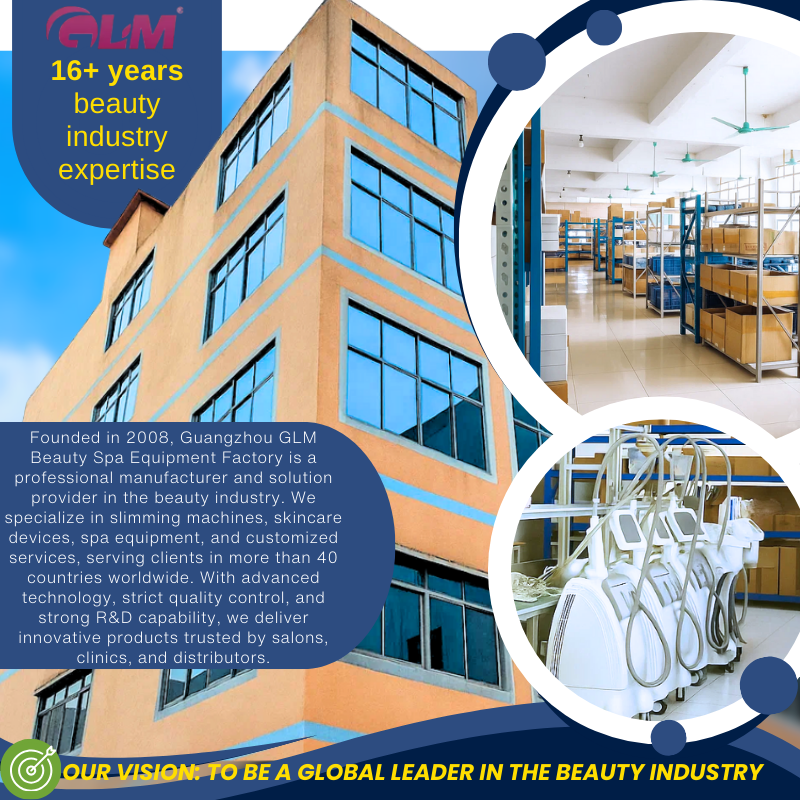
Founded in 2008, Guangzhou GLM Beauty Spa Equipment Factory specializes in research, development, manufacture and selling of beauty and slimming machines. Our production base is located in Guangzhou City, Guangdong Province, China. Since our foundation, we have introduced advanced technologies and equipment, to assure high quality and high performance of our products. With professional marketing guide and excellent after-sales service, our products have been exported to over 20 countries and regions, including Southeast Asia, the Middle East, Europe and the United States, won worldwide praises and gained a good reputation