
1. Introduction
Electric facial cleansing brushes have become popular tools in modern skincare routines. By combining mechanical movement or sonic vibration with a facial cleanser, these devices help remove surface oil, makeup residue, and everyday impurities. For consumers seeking a more thorough cleansing experience, they offer a convenient alternative to traditional hand washing.
However, one important question remains: Are electric facial cleansing brushes safe for daily use?
The answer depends on several factors, including the brush design, cleansing intensity, skin condition, and frequency of use. A device that works well for resilient, oil-prone skin may cause discomfort when used on sensitive, inflamed, or recently treated skin. Excessive friction can also compromise the skin barrier, leading to dryness, redness, and increased sensitivity.
For professional beauty salons and aesthetic clinics, facial cleansing technology should therefore be viewed as part of a carefully planned treatment process rather than a universal solution. Understanding how cleansing brushes work, who may benefit from them, and when manual cleansing is more appropriate helps practitioners deliver safer, more personalized treatments.
This guide explores the benefits and limitations of electric facial cleansing brushes, explains their underlying mechanisms, and outlines practical strategies for maintaining skin barrier health in both professional and home-care environments.
2. Background and Problem: Why Daily Cleansing Can Become a Skin Barrier Concern
What Does the Skin Barrier Actually Do?
The skin barrier is primarily associated with the outermost layer of the epidermis, the stratum corneum. It helps limit excessive water loss while protecting the skin from external irritants, pollutants, and microorganisms.
A healthy barrier supports skin comfort, hydration, and resilience. When its protective function is disrupted, the skin may become tight, flaky, rough, or unusually reactive to products that were previously well tolerated.
Cleansing is essential for removing excess sebum, sweat, sunscreen, makeup, and environmental residue. Nevertheless, more intensive cleansing does not automatically mean healthier skin. Harsh cleansers, excessive washing, hot water, and repeated mechanical friction can collectively increase irritation.
Electric facial cleansing brushes deserve particular attention because their movement introduces additional mechanical action. When combined with strong pressure, an abrasive brush head, or frequent exfoliation, this action may become excessive for certain skin types.
Why Daily Use Is Not Right for Everyone
The phrase “daily cleansing” is often misunderstood as a recommendation to use every available cleansing tool every day. In practice, the skin needs an appropriate balance between removing impurities and preserving its natural protective functions.
Potential concerns associated with excessive brush use include:
-
Redness and irritation: Repeated friction can aggravate already reactive skin.
-
Dryness and tightness: Aggressive cleansing may contribute to discomfort and impaired barrier function.
-
Increased sensitivity: A compromised barrier may make the skin more reactive to fragrances, acids, and other active ingredients.
-
Breakout aggravation: Friction may worsen inflamed acne lesions, while inadequately cleaned equipment can introduce additional hygiene concerns.
-
Over-exfoliation: Combining cleansing brushes with scrubs, exfoliating acids, or retinoids may create excessive cumulative irritation.
These effects are not inevitable, and the risk varies by device and individual. Nevertheless, a cleansing brush should never be used simply because stronger stimulation is assumed to produce better results.
For professional practitioners, the first step is to assess the client's skin condition and recent treatment history before deciding whether mechanical cleansing is appropriate.
3. Technology and Mechanism: How Electric Facial Cleansing Brushes Work
Electric facial cleansing brushes generally rely on controlled mechanical movement to assist surface cleansing. Although individual products differ, most designs fall into several broad categories.
Rotating and Oscillating Brush Technology
Rotating brushes use a motor-driven head that moves in a circular pattern. Oscillating designs move back and forth over a short distance. Both approaches create contact between the brush surface, cleanser, and skin.
This movement can help loosen surface debris and distribute cleanser across the treatment area. However, the amount of friction depends on the brush material, bristle stiffness, motor characteristics, applied pressure, and duration of contact.
A rotating brush with relatively firm bristles may create more noticeable abrasion than a softer, low-intensity design. Therefore, device selection should prioritize controlled movement and appropriate contact rather than maximum speed.
Sonic Vibration and Silicone Contact Surfaces
Sonic cleansing brushes use rapid vibration to create movement at the skin's surface. Some devices combine vibration with soft silicone contact points instead of conventional bristles.
Silicone designs are often easier to rinse and may retain less residue than dense bristle heads. However, the material alone does not guarantee safety. Excessive pressure, prolonged treatment, or frequent use can still irritate the skin.
A small clinical study published in Skin Research and Technology evaluated facial cleansing with a sonic device and reported no significant changes in several measured skin parameters immediately after cleansing. Hydration measurements also remained closer to baseline in the sonic-device area than in the manually cleansed area. These findings are encouraging but limited: they do not establish that every sonic brush is safe for every skin type or that daily use is universally appropriate.
The practical lesson is that the overall cleansing method matters more than a technology label alone.
The Relationship Between Cleansing and Skin Barrier Function
A cleansing brush does not repair the skin barrier, and it should not be marketed as a treatment for inflammatory skin conditions. Its primary role is to assist cleansing.
Barrier health depends on multiple factors, including cleanser formulation, water temperature, friction, cleansing frequency, environmental conditions, and the use of suitable moisturizers.
A well-designed cleansing routine should remove unwanted residue without leaving the skin persistently tight, burning, or visibly irritated. When these symptoms occur, reducing cleansing intensity or returning to gentle hand washing is more appropriate than increasing device power.
4. Advantages and Comparison: Electric Brushes, Manual Cleansing, and Professional Facial Equipment
Potential Benefits of Electric Facial Cleansing Brushes
When appropriately selected and used, electric cleansing brushes may offer several practical advantages.
1. More consistent mechanical movement
A motorized device can provide a more repeatable movement pattern than manual brushing. Adjustable intensity settings, where available, may help users adapt the treatment to their comfort level.
2. Support for removing surface buildup
The combination of cleanser and gentle mechanical movement may help loosen oil, sunscreen residue, and superficial debris. This can be useful for selected clients who wear heavy makeup or have oily skin.
3. A standardized cleansing step
For professional beauty services, a defined cleansing procedure can help practitioners maintain a consistent workflow. Device settings, treatment duration, and contact pressure can be documented and adjusted according to the client's response.
4. Improved treatment experience
Some clients appreciate the tactile sensation of gentle vibration. When the device is comfortable and suitable for the client, it can contribute to a structured facial treatment experience.
These benefits should be understood as potential advantages of cleansing, not proof that the device treats acne, permanently minimizes pores, stimulates collagen production, or delivers medical skin rejuvenation.
Electric Brushes vs. Manual Cleansing
| Feature | Electric cleansing brush | Manual cleansing |
|---|---|---|
| Cleansing action | Adds mechanical movement or vibration | Relies on fingertips and cleanser |
| Intensity control | Depends on device settings and technique | Depends on hand pressure and technique |
| Skin sensitivity | May increase irritation if overused | Often easier to keep gentle |
| Hygiene | Requires device cleaning and proper drying | Requires clean hands and appropriate technique |
| Daily suitability | Depends on skin type and device instructions | Often a practical default for routine cleansing |
| Professional application | Useful when selected for a defined treatment purpose | Adaptable to sensitive or compromised skin |
Neither method is automatically superior in every situation. For many people, gentle hand washing with a suitable cleanser is sufficient. An electric brush is an optional tool rather than an essential step in a healthy skincare routine.
Home Devices vs. Professional Facial Equipment
The distinction between home-use devices and professional equipment is not simply a matter of power. Professional value comes from the combination of device design, operator training, treatment planning, hygiene procedures, and the ability to respond to individual skin conditions.
A professional facial system may integrate cleansing with skin analysis, controlled exfoliation, hydration-focused procedures, or other compatible treatment steps. This allows practitioners to select only the components appropriate for a particular client instead of relying on one device to address every concern.
Professional equipment may also provide more structured controls, treatment protocols, replaceable accessories, and maintenance procedures, depending on the model. These features can support consistency in a salon or clinic environment.
However, professional equipment is not automatically safer or more effective merely because it is more powerful. Incorrect settings or inappropriate treatment selection can also cause irritation. Professional value lies in controlled application and informed decision-making.
Suggested internal image placement:
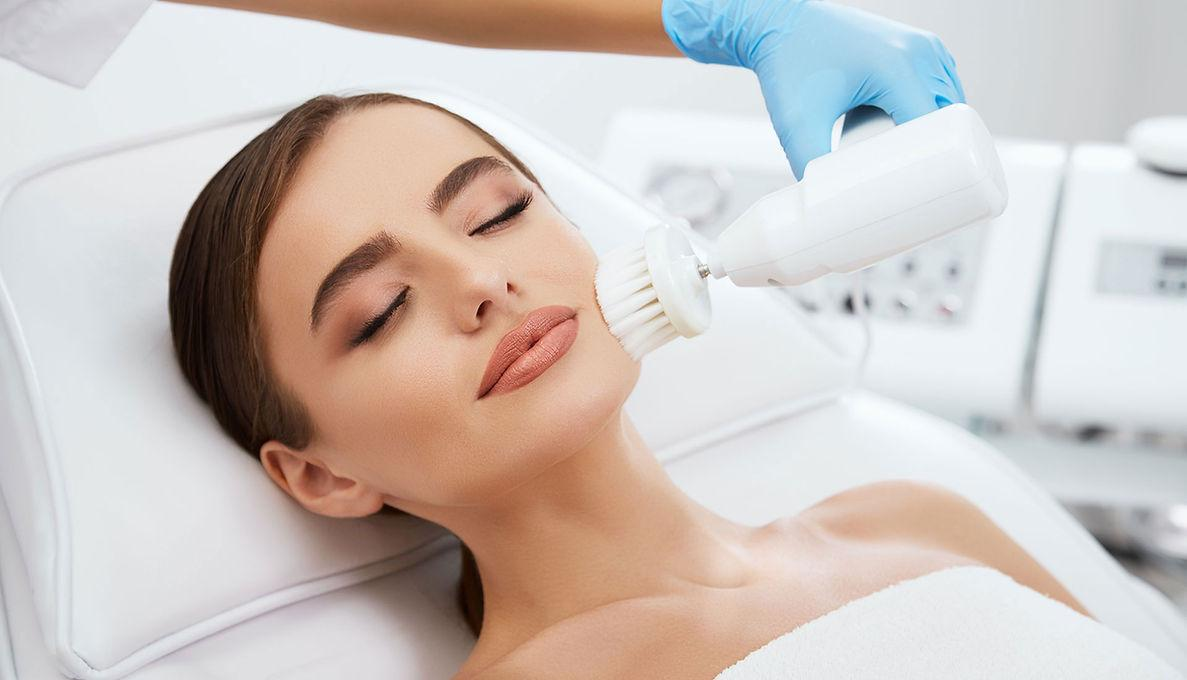
Insert Image 1 here — immediately after this comparison.
Image concept: A professional esthetician using a facial cleansing device during a consultation-based treatment, with clean equipment, soft clinical lighting, and a calm treatment room. Show the practitioner applying light contact rather than pressing aggressively against the client's face.
Suggested image alt text: Professional facial cleansing treatment using an electric cleansing brush with a skin barrier-focused approach.
5. Applications and Client Needs: How Professionals Can Protect the Skin Barrier
Step 1: Assess the Skin Before Selecting a Device
A professional cleansing protocol should begin with a consultation and visual skin assessment. Relevant considerations include oiliness, dryness, visible redness, active inflammatory lesions, sensitivity, and recent aesthetic procedures.
Clients with generally resilient, oil-prone skin may tolerate gentle mechanical cleansing better than clients with dry, reactive, or compromised skin. However, oiliness alone does not establish that a brush is necessary.
If the skin is visibly inflamed, painful, broken, or unusually sensitive, the practitioner should avoid mechanical brushing until the concern has been assessed and resolved. Clients with persistent skin conditions should seek guidance from an appropriately qualified healthcare professional.
Step 2: Choose the Appropriate Contact Surface and Intensity
Brush material and movement should match the intended application.
Soft silicone contact surfaces may be preferable when easy cleaning and gentle contact are priorities. Soft-bristle designs may suit selected applications, provided the bristles are not abrasive and the device is used according to its instructions.
For professional settings, adjustable intensity can be useful, but the lowest effective setting is generally the more prudent starting point. Avoid assuming that higher speed, stronger vibration, or longer treatment will improve the result.
A device should be selected according to its documented specifications, manufacturer guidance, and suitability for the intended skin area.
Step 3: Use a Gentle, Structured Cleansing Protocol
A practical protocol may include the following steps:
-
Remove makeup or heavy sunscreen with a suitable first-cleanse product when necessary.
-
Wet the skin and apply a mild cleanser compatible with the client's skin condition.
-
Use the brush only if appropriate, with light pressure and brief contact.
-
Avoid repeated passes over the same area and avoid scrubbing active blemishes.
-
Rinse thoroughly with lukewarm water.
-
Apply a suitable moisturizer to support skin comfort and reduce moisture loss.
There is no universally correct treatment duration or frequency for every brush. Follow the manufacturer's instructions and adjust according to skin tolerance. For beginners, occasional use—for example, once or twice a week—can be a cautious starting point if the device is suitable. Daily use should not be assumed necessary, and sensitive or compromised skin may be better served by avoiding the brush altogether.
If stinging, persistent redness, burning, or tightness develops, discontinue use and reassess the routine.
Step 4: Manage Hygiene Between Clients
Hygiene is particularly important in professional beauty environments. A cleansing brush that contacts one client's skin should never be transferred to another client without an appropriate cleaning and disinfection process consistent with the device manufacturer's instructions and applicable local requirements.
Practitioners should:
-
Clean reusable contact surfaces after each treatment.
-
Use compatible disinfectants only where permitted by the manufacturer.
-
Replace disposable or replaceable components according to the specified schedule.
-
Inspect the brush head for wear, residue, damage, and trapped debris.
-
Allow components to dry completely as directed.
-
Store the equipment in a clean, protected location.
Silicone may be easier to clean than some dense bristle designs, but no material should be treated as inherently sterile. Equipment maintenance, hand hygiene, and appropriate client-specific accessories remain essential.
Step 5: Integrate Cleansing into a Broader Professional Treatment Plan
Cleansing is often the preparation stage for a facial treatment, not the entire treatment itself. Depending on the client's needs, a practitioner may follow with appropriate hydration, soothing products, or other professionally indicated procedures.
The sequence should be based on the skin's current condition rather than a fixed menu of technologies. For example, a client with temporary sensitivity may benefit more from gentle cleansing and barrier-supportive care than from combining a brush with exfoliating acids or aggressive extraction.
For clients receiving chemical peels, laser procedures, microneedling, or other treatments that temporarily affect the skin barrier, the timing of mechanical cleansing should follow the treating professional's aftercare instructions. There is no single recovery interval that applies to every procedure.
Matching Device Use to Common Client Profiles
| Client profile | Practical approach |
|---|---|
| Oily, resilient skin | Consider gentle brush-assisted cleansing if needed and tolerated |
| Dry or easily irritated skin | Prioritize a mild cleanser and manual cleansing |
| Active, inflamed acne | Avoid brushing over inflamed lesions; consider clinician-guided care |
| Rosacea-prone or eczema-affected skin | Avoid friction during active symptoms and seek appropriate professional advice |
| Recently treated skin | Follow procedure-specific aftercare and delay brushing when advised |
| Heavy makeup or sunscreen use | Consider a suitable first cleanse before deciding whether a brush is necessary |
Personalization is more valuable than offering the same device and protocol to every client.
The Value of Professional Consultation and Device Selection
For beauty salons, spas, and aesthetic clinics, cleansing technology can support a more structured service offering when integrated into a wider treatment strategy.
The most useful equipment is not necessarily the device with the greatest number of modes. It is the device that fits the intended service, allows appropriate control, can be maintained hygienically, and is supported by clear operating instructions.
For manufacturers and distributors, product education should explain the intended application, contact-surface materials, operating settings, cleaning requirements, and contraindications. Transparent technical information helps professional buyers evaluate whether a device fits their treatment workflow and client base.
Rather than promising a universal deep-cleaning effect, professional marketing should emphasize controlled operation, practical usability, hygiene management, and the importance of matching treatment intensity to skin condition.
6. Conclusion: Is an Electric Facial Cleansing Brush Worth Using Every Day?
Electric facial cleansing brushes can be useful additions to selected skincare routines, but daily use is not necessary or appropriate for everyone. Their potential benefits include assisting the removal of surface impurities, providing consistent mechanical movement, and supporting a structured cleansing step in professional facial services.
Their limitations are equally important. Excessive friction, unsuitable brush materials, aggressive settings, poor hygiene, and use on sensitive or recently treated skin can contribute to irritation and undermine barrier comfort.
For home users, a mild cleanser, gentle technique, and appropriate moisturizer remain the foundation of routine cleansing. A brush should be introduced cautiously and discontinued if the skin develops persistent discomfort.
For beauty professionals, the priority is to combine appropriate equipment with skin assessment, individualized protocols, hygiene management, and clear aftercare guidance. Professional facial devices can add value when they improve treatment consistency and workflow without encouraging unnecessary stimulation.
Ultimately, effective cleansing is not about removing as much as possible. It is about removing what the skin does not need while preserving the protective barrier it depends on. A well-selected device, used for the right client and the right purpose, can support that balance.
Founded in 2008, Guangzhou GLM Beauty Spa Equipment Factory specializes in research, development, manufacture and selling of beauty and slimming machines. Our production base is located in Guangzhou City, Guangdong Province, China. Since our foundation, we have introduced advanced technologies and equipment, to assure high quality and high performance of our products. With professional marketing guide and excellent after-sales service, our products have been exported to over 20 countries and regions, including Southeast Asia, the Middle East, Europe and the United States, won worldwide praises and gained a good reputation