Introduction
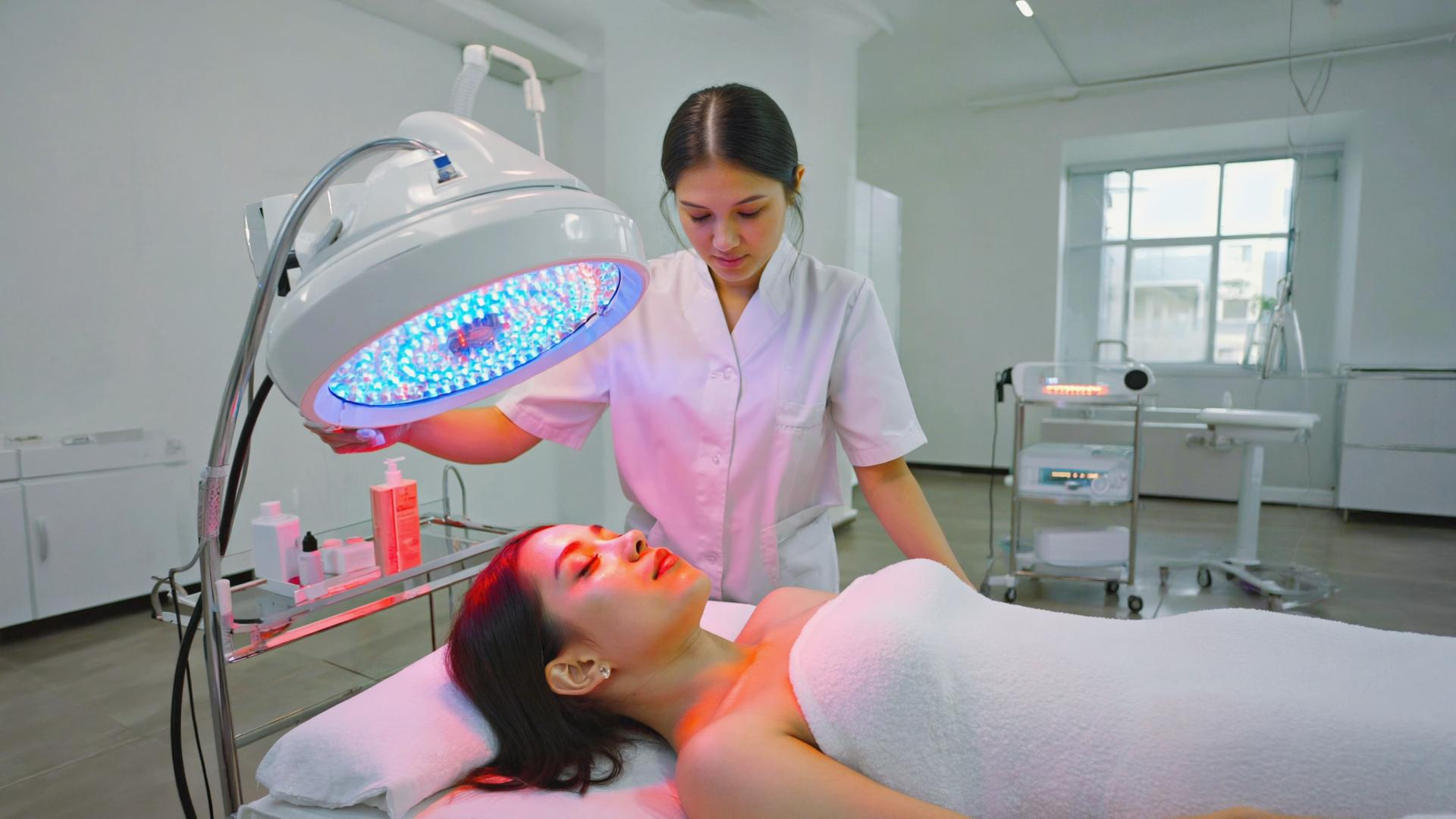
LED light therapy has become an increasingly practical technology in professional beauty clinics, aesthetic centers, and skin-care studios. Unlike treatments that rely on aggressive exfoliation, heat, or mechanical stimulation, LED phototherapy uses specific wavelengths of visible light to interact with biological processes in the skin.
Among the different wavelengths available in professional LED systems, blue and red light are two of the most widely recognized options. They are often used separately according to the client's skin concerns, or combined within one treatment protocol to address multiple objectives.
Blue LED light is commonly associated with acne-prone and blemish-prone skin, while red LED light is generally used for skin conditioning, calming, and rejuvenation-oriented programs. When combined, the two wavelengths can provide a more comprehensive approach for clients who want to manage breakouts while also improving the overall appearance and condition of their skin.
Clinical research has investigated both blue and red LED phototherapy for acne and other dermatological applications. A systematic review and meta-analysis found statistically significant benefits associated with red and blue LED applications for acne, although researchers also emphasize that treatment outcomes depend on study quality and treatment parameters.
For professional operators, therefore, LED therapy is not simply about choosing a color. The real value lies in wavelength selection, treatment consistency, light coverage, energy delivery, treatment timing, and integration into a structured facial protocol.
Background / Problem
Many clients visiting professional skin-care clinics present with more than one concern.
A client may have occasional inflammatory blemishes together with oily-looking skin. Another may experience redness after active treatments while also being concerned about dullness, uneven texture, or visible signs of aging. Mature clients may want a rejuvenating facial while still experiencing occasional breakouts.
This creates a challenge for beauty professionals.
A single skincare product or treatment modality may not address every visible concern. Strong exfoliation, for example, may be unsuitable for some clients who need a gentler approach. Mechanical treatments can provide cleansing or resurfacing benefits, but they do not necessarily address every aspect of a client's skin condition.
This is one reason LED technology has found a place in modern professional facial protocols.
LED therapy is non-invasive, generally comfortable, and does not require the same type of recovery associated with many more aggressive procedures. It can therefore function as a standalone treatment in appropriate settings or as an additional step following cleansing, exfoliation, hydration, or other facial procedures.
The American Academy of Dermatology notes that blue, red, and combined blue-red visible-light devices can be used for pimples, while also emphasizing that visible light does not address every type of acne lesion, such as blackheads, whiteheads, cysts, or nodules.
For professional clinics, this distinction is important. LED should be positioned as a targeted light-based technology within a broader treatment strategy, rather than as a universal solution for every skin problem.
Technology / Mechanism
How Does LED Light Therapy Work?
LED stands for light-emitting diode. Unlike laser systems, LED devices generally deliver non-coherent light over selected wavelength ranges rather than concentrating energy into a highly focused beam.
The wavelength determines how light interacts with the skin.
Professional LED equipment may incorporate several wavelengths, but blue and red light remain particularly relevant for facial applications.
Blue LED Light
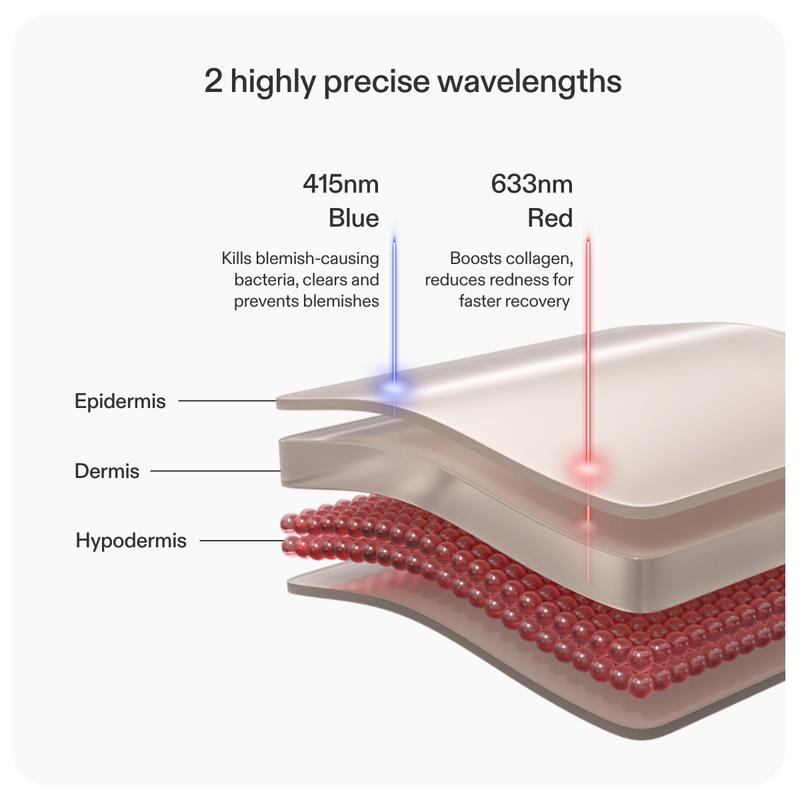
Blue LED light is commonly delivered around the 415 nm range, although exact specifications vary between devices.
Its relatively shorter wavelength means that blue light primarily interacts with more superficial skin structures. One important reason blue light has attracted attention in acne-focused protocols is its interaction with naturally occurring porphyrins associated with Cutibacterium acnes. Porphyrins absorb blue light, which can contribute to photochemical reactions that are relevant to acne management.
For aesthetic professionals, blue LED is therefore particularly interesting for clients with:
- Acne-prone skin
- Occasional inflammatory blemishes
- Oily-looking skin
- Congested or breakout-prone areas
- Clients seeking a gentle addition to an acne-focused facial program
However, professional communication should remain realistic. Blue LED is not equivalent to an antibiotic or prescription acne treatment, and it should not be presented as a guaranteed cure.
Red LED Light
Red LED light generally uses a longer wavelength than blue light. Professional systems frequently use wavelengths in the region of approximately 630–660 nm, although specifications vary by manufacturer.
Because red light penetrates differently from blue light, it is commonly incorporated into skin-rejuvenation and skin-conditioning protocols.
Photobiomodulation research proposes that red and related wavelengths can influence cellular processes, including mitochondrial activity and signaling pathways involved in tissue responses. In aesthetic applications, this has made red LED particularly attractive for programs focused on skin appearance, recovery, texture, and visible signs of aging.
Red light may therefore be incorporated into treatments for clients concerned about:
- Dull-looking skin
- Visible signs of aging
- Fine lines
- Uneven-looking texture
- Skin recovery after selected cosmetic procedures
- Overall skin conditioning
The exact outcome depends on wavelength, irradiance, energy dose, distance from the skin, treatment duration, treatment frequency, and individual skin characteristics.
Why Combine Blue and Red LED?
The strongest commercial appeal of blue and red LED therapy comes from their complementary positioning.
Blue light is commonly selected when the primary concern is blemish-prone skin. Red light is commonly selected when the objective is skin conditioning and rejuvenation.
Combining them allows a professional operator to build a more versatile protocol.
A classic clinical study evaluating blue light around 415 nm together with red light around 660 nm reported greater improvement with the combined treatment than with blue light alone in patients with mild-to-moderate acne.
Another study using blue and red LED treatment protocols reported reductions in acne lesion counts over the follow-up period, although results from individual studies should not be generalized to every device or every patient.
This is why professional LED systems increasingly focus on multi-wavelength treatment capability rather than simply offering one fixed light color.
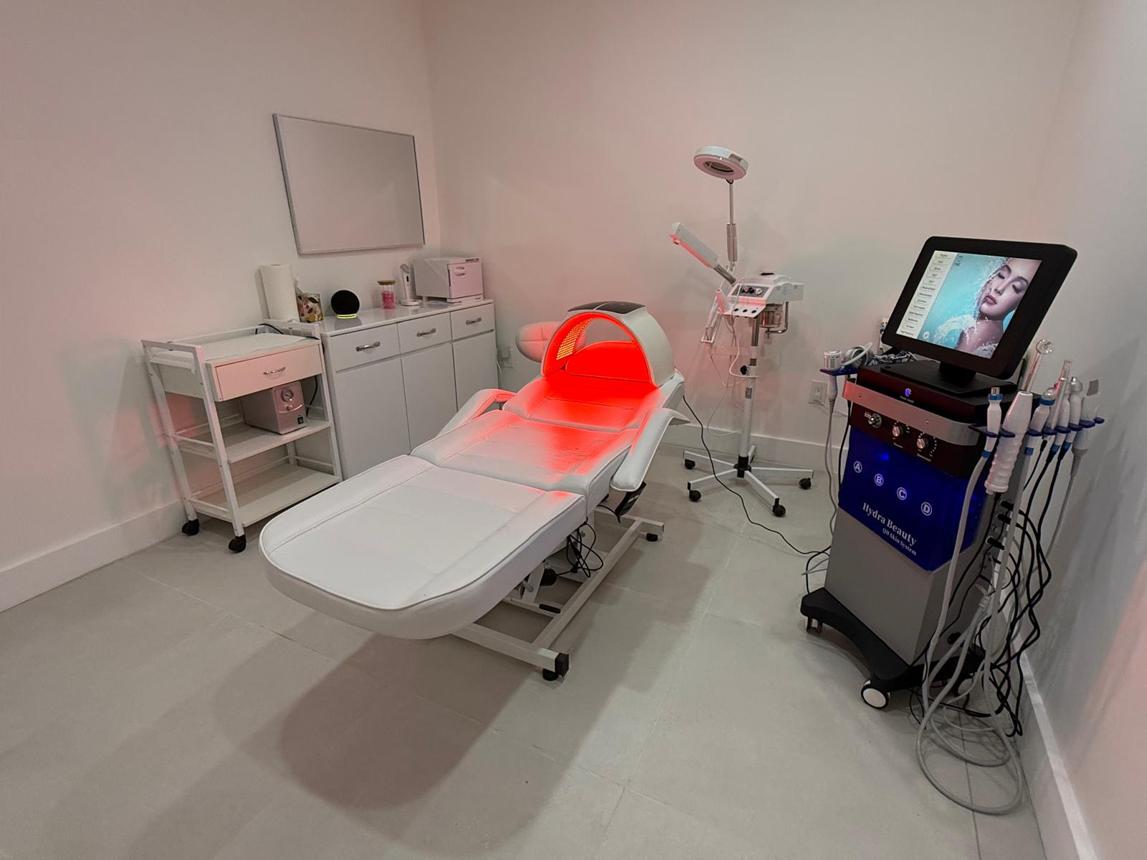
Advantages / Comparison
1. Non-Invasive Treatment Experience
One of the most attractive characteristics of LED therapy is the treatment experience.
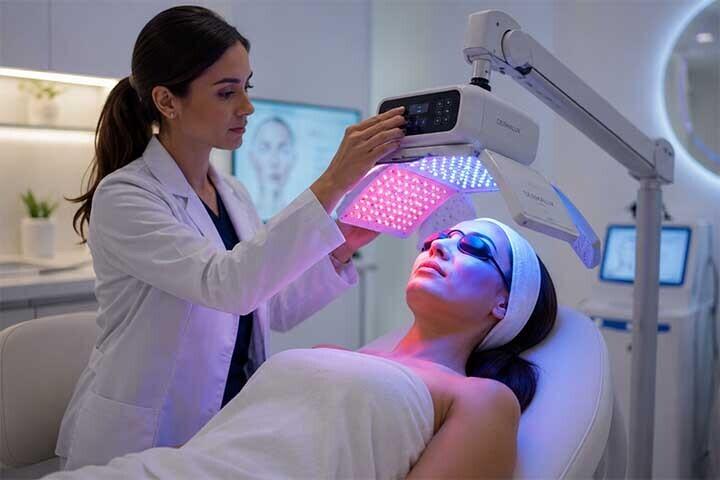
Clients typically lie comfortably beneath or in front of an LED panel while the device delivers light for a predetermined period. There is no needle penetration and no mechanical abrasion from the LED treatment itself.
This makes LED particularly suitable for clinics that want to offer a comfortable technology-based facial option.
2. Easy Integration Into Professional Facial Protocols
LED does not necessarily need to replace other aesthetic technologies.
Instead, it can be integrated into a broader protocol.
For example, an operator may begin with cleansing and skin preparation, perform a suitable facial treatment, and then use LED phototherapy as a final or complementary step.
This creates opportunities for clinics to develop customized service packages rather than offering LED as an isolated technology.
3. More Consistent Treatment Coverage
This is where professional LED equipment can have an important advantage over simple consumer devices.
Professional systems can be designed with larger treatment areas, multiple LED modules, adjustable positioning, programmed treatment times, and controlled operating parameters.
A professional clinic also has an operator who can assess the client's skin and select an appropriate treatment protocol rather than relying entirely on a generic home-use routine.
The AAD notes that at-home visible-light devices are generally less powerful than those used by dermatologists.
This does not mean that every professional machine automatically produces better results. Equipment quality and clinical protocol still matter. However, professional systems can offer greater control over treatment workflow, positioning, coverage, and repeatability.
4. Flexible Service Positioning
Blue and red LED technology can support multiple service categories.
A clinic might position blue LED within an acne-focused facial, while red LED can be incorporated into rejuvenation or skin-conditioning treatments. A combined blue-red program can target clients who have both blemish concerns and broader skin-quality goals.
This versatility can make LED equipment useful not only as a standalone machine but also as a supporting technology within a larger facial-treatment portfolio.
5. Treatment Consistency Matters
LED therapy is not normally a technology where one session should be expected to transform the skin.
Research and clinical practice generally involve repeated treatment protocols. Aesthetic clinics can therefore create treatment courses and maintenance programs based on the equipment's specifications and the client's needs.
The goal is not simply to increase treatment frequency. Instead, professional operators should follow the manufacturer's recommended parameters and adjust treatment plans according to client response.
Applications / Client Needs
Acne-Prone Skin Programs
Blue and blue-red LED treatments can be incorporated into professional facial programs for clients with mild acne or inflammatory blemishes.
The operator can combine LED with appropriate cleansing and other non-aggressive facial procedures, depending on the client's skin condition.
The key is to avoid positioning LED as a replacement for medical acne management when a client has severe, persistent, cystic, or nodular acne.
Rejuvenation-Focused Treatments
Red LED is particularly relevant to clinics that offer anti-aging and skin-rejuvenation services.
It can be incorporated into facial programs designed around the appearance of fine lines, dullness, uneven texture, or loss of radiance.
For clinics, this creates a useful connection between LED technology and premium facial services without requiring aggressive downtime.
Post-Treatment Skin Conditioning
LED can also be considered as a complementary step after selected aesthetic procedures when appropriate and when the device's intended use allows it.
The appeal is straightforward: the client receives an additional technology-based treatment without adding another mechanically intensive procedure.
However, professionals should always consider the client's skin condition and follow the device manufacturer's indications, contraindications, and recommended operating parameters.
Combination Facial Services
One of the most commercially useful applications is the combination facial.
A professional beauty clinic may structure a treatment as:
Skin Analysis → Cleansing → Targeted Facial Treatment → Blue/Red LED → Hydration → Finishing Care
This type of workflow gives the operator more opportunities to customize the treatment.
For example, a younger client with occasional breakouts may receive a blue-focused protocol, while a mature client with dullness and occasional blemishes may be better suited to a combined blue-red approach.
Professional Equipment Selection
When selecting an LED machine for a beauty clinic, color options alone should not determine the purchase decision.
Operators should also evaluate:
- Wavelength accuracy
- Irradiance and energy specifications
- Treatment area
- LED distribution and coverage
- Adjustable positioning
- Treatment timer
- User interface
- Cooling and heat management
- Cleaning and maintenance requirements
- Safety features
- Manufacturer documentation
- Certifications and market-specific compliance
- OEM and customization capability
These details have a direct impact on how easily the equipment can be incorporated into professional workflows.
Modern professional LED systems are increasingly designed around practical clinic requirements, including adjustable structures, larger coverage areas, multiple wavelengths, and digital controls.
Conclusion
Blue and red LED light therapy represents a practical intersection between skincare technology and professional aesthetic treatment.
Blue LED is commonly associated with acne-prone and blemish-focused applications, while red LED is more frequently used for skin conditioning, rejuvenation, and overall skin-quality programs. When combined, the two wavelengths can provide a versatile treatment option for clients who want to address both visible blemishes and broader skin concerns.
The real value of professional LED equipment, however, is not simply the ability to produce blue or red light.
It is the ability to deliver controlled wavelengths, consistent coverage, repeatable treatment parameters, and flexible integration into professional facial protocols.
For beauty clinics and aesthetic centers, this makes LED phototherapy more than a skincare trend. Used with appropriate client assessment and realistic treatment expectations, it can become a reliable supporting technology within modern facial-treatment services.
As the professional beauty industry continues to move toward non-invasive, comfortable, and technology-driven treatments, well-designed LED systems can give clinics another practical tool for building customized skin-care programs while improving the overall treatment experience
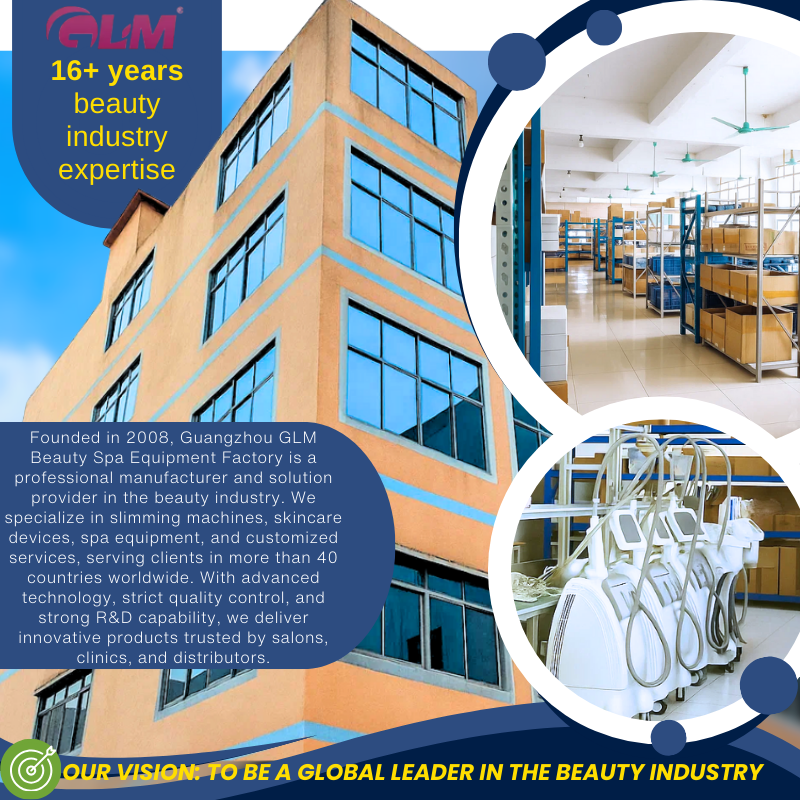
Founded in 2008, Guangzhou GLM Beauty Spa Equipment Factory specializes in research, development, manufacture and selling of beauty and slimming machines. Our production base is located in Guangzhou City, Guangdong Province, China. Since our foundation, we have introduced advanced technologies and equipment, to assure high quality and high performance of our products. With professional marketing guide and excellent after-sales service, our products have been exported to over 20 countries and regions, including Southeast Asia, the Middle East, Europe and the United States, won worldwide praises and gained a good reputation