Introduction
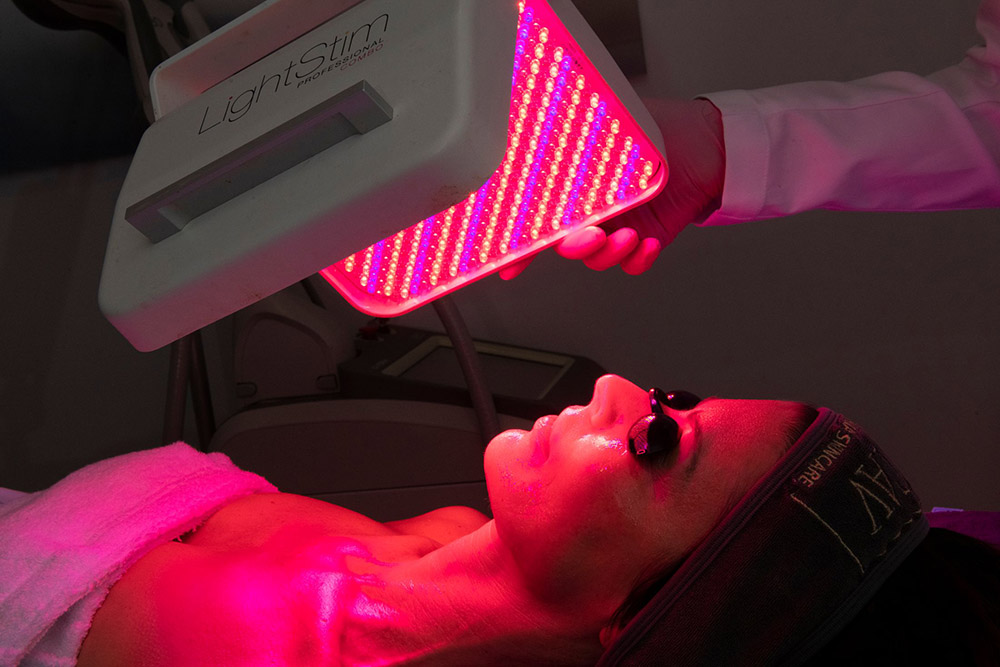
In modern aesthetic treatments, LED light therapy has emerged as a non-invasive and effective tool for managing acne. While both blue light and red light have been widely adopted, many patients and even some practitioners remain uncertain about their distinct roles. Understanding how each wavelength interacts with the skin provides clarity on when and why each option should be used.
Background: The Challenge of Acne Treatment
Acne is one of the most common skin concerns worldwide, affecting nearly 80% of people at some point in their lives. Traditional treatments—like topical creams, oral antibiotics, and chemical peels—can work, but they often come with side effects such as dryness, irritation, or antibiotic resistance. Patients increasingly seek safer, device-based solutions that do not disrupt daily life.
This demand has accelerated interest in light-based treatments, where LED therapy stands out as a convenient, non-invasive option with minimal downtime. But within LED therapy, two main wavelengths—blue (415 nm) and red (630–660 nm)—are commonly discussed for acne. Each works differently, making it important to compare them.
The Science Behind Blue Light Therapy
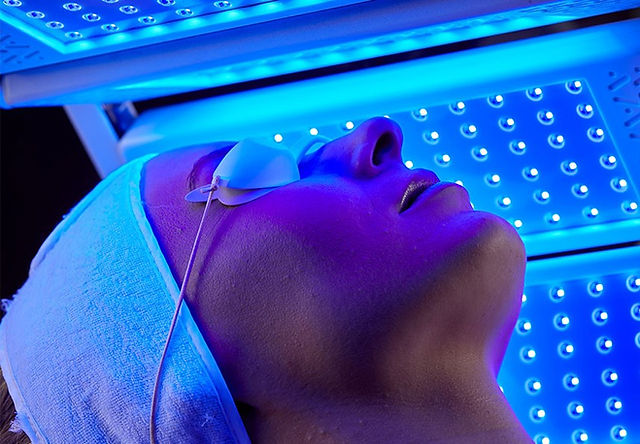
Blue light operates at a shorter wavelength, allowing it to target the surface layers of the skin. Its primary mechanism against acne is its ability to kill Cutibacterium acnes (formerly Propionibacterium acnes), the bacteria responsible for triggering inflammation and breakouts.
When exposed to blue light, these bacteria produce reactive oxygen species, which damage bacterial membranes and effectively reduce bacterial colonies. This antibacterial effect makes blue light particularly useful for:
-
Active breakouts with visible pus or inflammation
-
Oily, acne-prone skin
-
Teenagers and young adults experiencing hormonal acne
However, blue light mainly addresses bacterial presence and does not penetrate deeply enough to resolve inflammation at its root or assist with healing. As a result, while effective for quick reduction in surface acne, results may be temporary if used alone.
The Science Behind Red Light Therapy
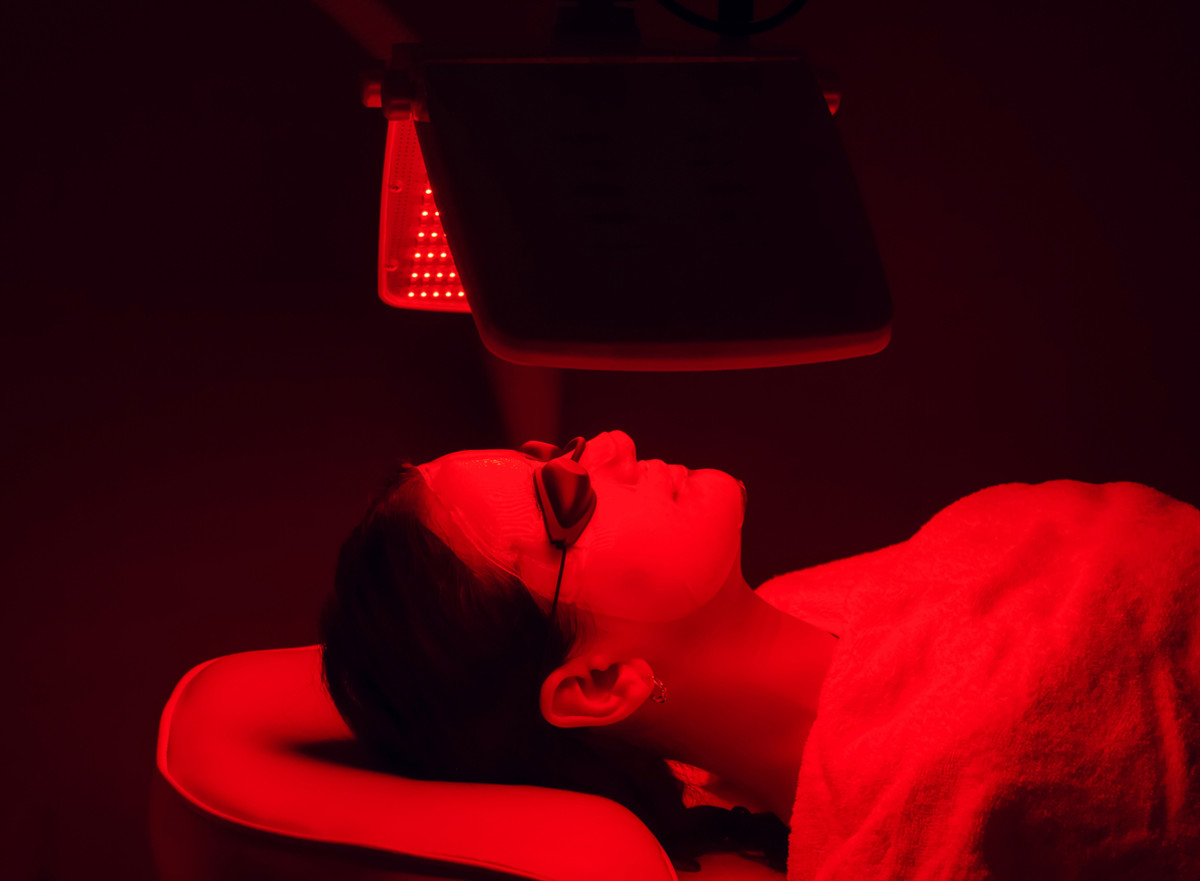
Red light operates at longer wavelengths, allowing it to penetrate deeper into the skin—reaching the dermis. Its benefits lie less in killing bacteria and more in reducing inflammation and promoting healing.
Red light helps calm redness, decrease swelling, and accelerate tissue repair by stimulating fibroblasts and enhancing collagen production. In acne treatment, it is particularly effective for:
-
Red, inflamed papules and nodules
-
Skin healing after a breakout
-
Reducing acne scars and pigmentation over time
Unlike blue light, red light does not directly kill bacteria. Instead, it creates a more balanced skin environment, where inflammation is minimized and skin recovery is enhanced.
Blue vs. Red Light: Key Differences
| Aspect | Blue Light | Red Light |
|---|---|---|
| Wavelength | ~415 nm | ~630–660 nm |
| Primary Action | Antibacterial, reduces C. acnes | Anti-inflammatory, promotes healing |
| Best For | Active pimples, oily skin, teenage acne | Inflammation, scarring, redness, adult acne |
| Penetration Depth | Surface (epidermis) | Deeper (dermis) |
| Limitations | Short-term results if used alone | Does not kill bacteria |
Why Combination Therapy Works Best
In clinical practice, the most effective acne treatments often combine blue and red light therapy. Blue light tackles the root bacterial cause of breakouts, while red light soothes inflammation and accelerates skin repair. This dual approach reduces both the frequency and severity of breakouts, while also minimizing long-term damage like scarring.
Patients who undergo combination LED therapy often report:
-
Fewer breakouts over time
-
Reduced redness and swelling
-
Faster healing after pimples
-
Improved overall skin tone and texture
For clinics, offering both wavelengths provides flexibility to tailor treatments according to patient needs. For example, a teenager with oily skin may start with more blue light sessions, while an adult with inflamed cystic acne may benefit more from red light emphasis.
Application in Aesthetic Clinics
Today, LED acne treatments are offered in many dermatology offices, medspas, and even at-home devices. In professional clinics:
-
Treatments usually last 15–30 minutes per session
-
Sessions are scheduled 1–2 times weekly
-
Noticeable improvements are often seen after 4–6 weeks
The non-invasive nature of LED therapy makes it attractive to patients who want results without downtime. Clinics can also combine LED sessions with other treatments like chemical peels, microneedling, or hydrating facials for comprehensive results.
Market Trends and Patient Demand
The global acne treatment market continues to grow, and device-based therapies are increasingly in demand. Patients prefer non-drug, low-risk options that fit into their lifestyle. LED therapy has gained popularity due to its accessibility, comfort, and effectiveness.
Social media exposure has also fueled interest, with “before-and-after” results showing visible improvements. As consumer awareness grows, clinics offering tailored blue and red light therapy gain a competitive advantage in attracting acne patients.
Conclusion
Both blue light and red light play valuable roles in acne management. Blue light excels at reducing bacteria on the skin’s surface, while red light targets deeper inflammation and supports healing. For long-lasting results, a combination of the two offers the most comprehensive solution.
By understanding how each wavelength works, both patients and practitioners can make informed decisions—leading to clearer, healthier skin with minimal risk.
Founded in 2008, Guangzhou GLM Beauty Spa Equipment Factory specializes in research, development, manufacture and selling of beauty and slimming machines. Our production base is located in Guangzhou City, Guangdong Province, China. Since our foundation, we have introduced advanced technologies and equipment, to assure high quality and high performance of our products. With professional marketing guide and excellent after-sales service, our products have been exported to over 20 countries and regions, including Southeast Asia, the Middle East, Europe and the United States, won worldwide praises and gained a good reputation.