
Introduction
Body contouring has become one of the fastest-growing segments in the aesthetic industry. As more people seek solutions for stubborn fat deposits, loose skin, and body shaping concerns, both surgical and non-surgical body contouring treatments have gained significant popularity.
However, one question remains at the center of most consultations:
How much does body contouring cost, and is surgical or non-surgical treatment the better investment?
The answer is not always straightforward. While surgical procedures often provide dramatic results, they typically involve higher costs, longer recovery periods, and greater risks. Non-surgical technologies, on the other hand, offer gradual improvements with less downtime and broader accessibility.
For aesthetic clinics, medical spas, and beauty centers, understanding the cost differences between these approaches is essential for providing clients with realistic expectations and selecting the right treatment technologies.
In this guide, we'll explore the true costs of body contouring, compare surgical and non-surgical methods, and examine why advanced body contouring devices continue to reshape the aesthetics industry.
Background: Why Body Contouring Has Become So Popular
Despite regular exercise and healthy eating habits, many individuals struggle with localized fat accumulation and skin laxity. Common treatment areas include:
- Abdomen
- Thighs
- Arms
- Flanks (love handles)
- Back
- Buttocks
- Double chin
Traditional weight loss methods reduce overall body fat but cannot selectively target specific problem areas.
As a result, body contouring procedures have emerged as effective solutions for reshaping body proportions and enhancing confidence.
Today's clients are increasingly looking for treatments that offer:
- Visible results
- Minimal discomfort
- Short recovery times
- Affordable pricing
- Long-lasting improvements
These expectations have fueled the growth of both surgical and device-based body contouring treatments.
Understanding Surgical Body Contouring
Surgical body contouring refers to invasive procedures performed by licensed surgeons. The most common examples include:
Liposuction
Liposuction removes fat cells through suction-assisted surgical techniques. A cannula is inserted beneath the skin to physically extract fat deposits.
Tummy Tuck (Abdominoplasty)
This procedure removes excess skin and tightens abdominal muscles, creating a flatter abdominal profile.
Body Lift Procedures
Body lifts target multiple areas simultaneously, often following significant weight loss.
Average Surgical Costs
Costs vary depending on location, surgeon experience, anesthesia fees, and treatment areas.
Typical price ranges include:
| Procedure | Average Cost |
|---|---|
| Liposuction | $3,000–$10,000+ |
| Tummy Tuck | $6,000–$15,000+ |
| Body Lift | $8,000–$25,000+ |
Additional expenses may include:
- Operating room fees
- Anesthesia
- Compression garments
- Prescription medications
- Follow-up appointments
- Recovery-related expenses
The total investment can be significantly higher than the initial quoted procedure fee.
Understanding Non-Surgical Body Contouring
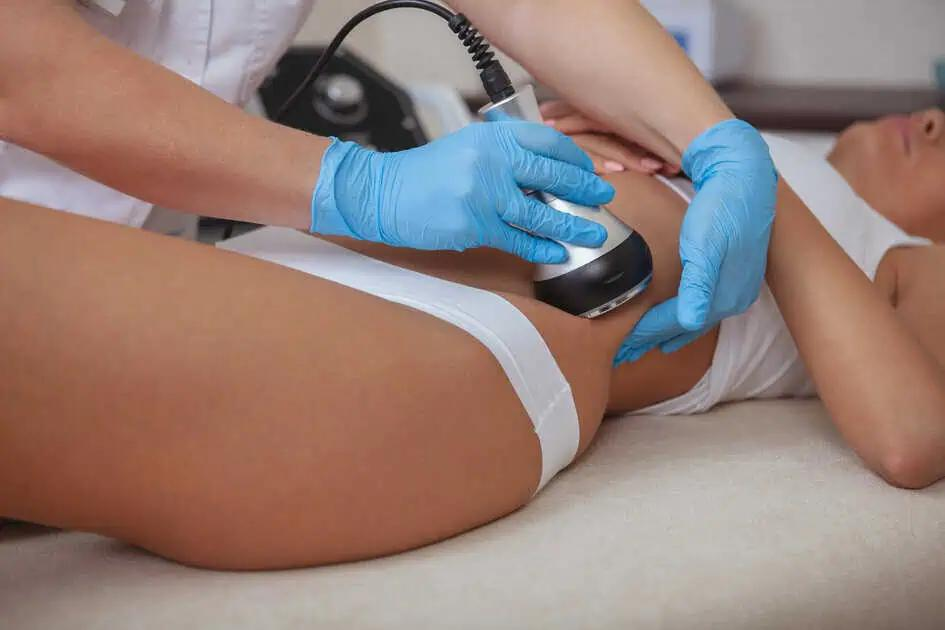
Non-surgical body contouring uses advanced aesthetic technologies to reduce fat, improve skin tone, and reshape body contours without incisions.
These treatments are commonly offered by aesthetic clinics, medical spas, and professional beauty centers.
Popular technologies include:
Cryolipolysis (Fat Freezing)
Cryolipolysis uses controlled cooling to target and destroy fat cells. Over time, the body naturally eliminates these damaged cells through metabolic processes.
Ultrasound Cavitation
Ultrasonic cavitation utilizes low-frequency ultrasound waves to disrupt fat cell membranes, making fat easier for the body to process and remove.
Radio Frequency (RF) Body Contouring
RF energy heats deeper tissue layers to stimulate collagen production while promoting skin tightening and contour improvement.
Vacuum RF Systems
These systems combine radio frequency energy with vacuum technology to enhance circulation, improve lymphatic drainage, and support cellulite reduction.
EMS Body Sculpting Technologies
Electromagnetic stimulation induces powerful muscle contractions that help improve muscle definition while complementing fat reduction programs.
Average Non-Surgical Costs
Depending on technology and treatment area:
| Treatment Type | Average Cost Per Session |
| Cryolipolysis | $600–$1,500 |
| RF Body Contouring | $150–$800 |
| Ultrasound Cavitation | $100–$500 |
| EMS Body Sculpting | $200–$1,000 |
Most clients require multiple sessions.
A complete treatment program typically ranges from:
$500 to $5,000
which is often considerably lower than surgical alternatives.
Technology and Mechanism: How Non-Surgical Devices Work
One of the biggest misconceptions about non-surgical body contouring is that it simply provides temporary cosmetic improvements.
Modern professional systems are designed to address multiple body concerns simultaneously.
Fat Reduction
Technologies such as cavitation and cryolipolysis target fat cells directly. Once removed by the body's natural processes, these fat cells do not regenerate.
Skin Tightening
Radio frequency systems stimulate collagen remodeling, helping improve skin firmness after fat reduction.
Cellulite Improvement
Vacuum-assisted RF treatments improve circulation and connective tissue appearance, reducing the visibility of cellulite.
Muscle Enhancement
EMS technologies create supramaximal muscle contractions that exceed what is achievable through conventional exercise alone.
Because multiple technologies can be combined within one platform, clinics can offer comprehensive body contouring programs tailored to individual client goals.
Surgical Vs. Non-Surgical: Cost Comparison
Initial Investment
Surgical procedures generally require a large upfront payment.
Non-surgical treatments spread costs across multiple sessions, making them more accessible to a broader range of clients.
Recovery Costs
Surgery often includes:
- Days or weeks off work
- Post-operative garments
- Medication costs
- Potential revision procedures
Non-surgical treatments usually allow clients to return to normal activities immediately.
Risk-Related Costs
Surgical risks may include:
- Infection
- Scarring
- Seroma formation
- Anesthesia complications
While non-surgical treatments may cause temporary redness, swelling, or sensitivity, the risk profile is generally lower.
Long-Term Value
Surgical treatments often produce dramatic results in a single procedure.
However, non-surgical technologies allow clinics to offer maintenance programs and progressive improvements while minimizing downtime.
For many clients, the flexibility and safety profile of non-invasive treatments provide greater overall value.
Advantages of Non-Surgical Body Contouring for Modern Clinics
The growing demand for non-invasive aesthetics is transforming the beauty industry.
Professional clinics increasingly invest in multifunctional body contouring platforms because they offer several advantages.
Expanded Client Base
Many clients are interested in body shaping but are unwilling to undergo surgery.
Non-invasive treatments provide a comfortable entry point into aesthetic procedures.
Higher Treatment Frequency
Unlike surgery, body contouring devices often require multiple sessions, creating opportunities for long-term client engagement.
Combination Treatment Opportunities
Modern platforms frequently combine:
- Cavitation
- Radio frequency
- Vacuum therapy
- EMS stimulation
- Infrared technologies
This enables practitioners to customize treatment plans for different body types and goals.
Lower Barrier to Entry
Compared with surgical facilities, beauty clinics and medical spas can integrate body contouring technologies with lower operational complexity.
Applications and Client Needs
Different clients have different expectations.
Ideal Candidates for Surgical Procedures
Surgical body contouring may be suitable for individuals who:
- Require large-volume fat removal
- Have significant skin excess
- Desire dramatic one-time transformation
- Accept surgical recovery periods
Ideal Candidates for Non-Surgical Treatments
Non-invasive body contouring is often preferred by clients who:
- Have mild to moderate fat deposits
- Want gradual, natural-looking improvements
- Need minimal downtime
- Seek skin tightening alongside fat reduction
- Prefer lower treatment risks
For many beauty clinics, these clients represent the majority of aesthetic body-contouring demand.
As technology continues to improve, non-surgical treatments are increasingly capable of addressing a wide range of concerns once considered surgical-only territory.
Conclusion
When evaluating body contouring cost, the decision extends far beyond the treatment price alone.
Surgical procedures may provide dramatic transformations, but they involve higher financial commitments, longer recovery periods, and greater risks.
Non-surgical body contouring technologies offer a more accessible alternative with lower downtime, flexible treatment plans, and growing clinical effectiveness.
For aesthetic clinics, medical spas, and professional beauty centers, advanced body contouring devices provide an opportunity to meet rising consumer demand while delivering personalized treatment experiences.
As clients increasingly prioritize convenience, safety, and gradual natural-looking results, non-invasive body contouring is expected to remain one of the most influential segments of the modern aesthetics market
Founded in 2008, Guangzhou GLM Beauty Spa Equipment Factory specializes in research, development, manufacture and selling of beauty and slimming machines. Our production base is located in Guangzhou City, Guangdong Province, China. Since our foundation, we have introduced advanced technologies and equipment, to assure high quality and high performance of our products. With professional marketing guide and excellent after-sales service, our products have been exported to over 20 countries and regions, including Southeast Asia, the Middle East, Europe and the United States, won worldwide praises and gained a good reputation