Ultrasonic Cavitation: An In-depth Analysis of Non-Invasive Body Shaping Techniques
I. Overview of Ultrasonic Cavitation
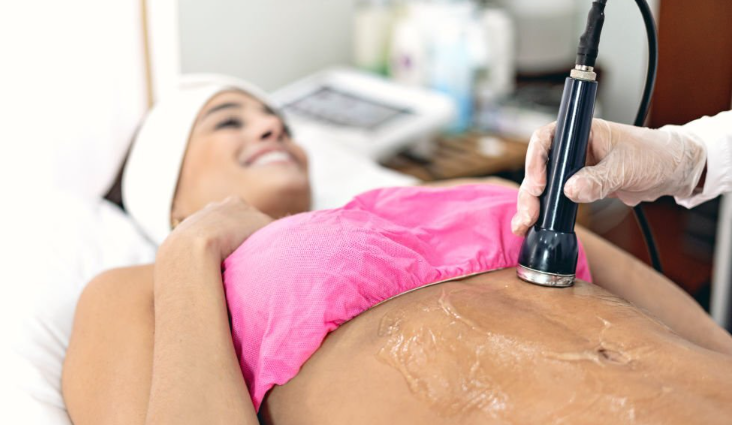
Ultrasonic cavitation, as an emerging non-invasive body shaping technique, has attracted much attention in the field of beauty in recent years. It utilizes the special effects generated by low-frequency sound waves to precisely act on subcutaneous fat cells, achieving the purpose of fat decomposition. It provides an effective and relatively safe alternative for those who wish to avoid traditional surgical fat reduction procedures such as liposuction.
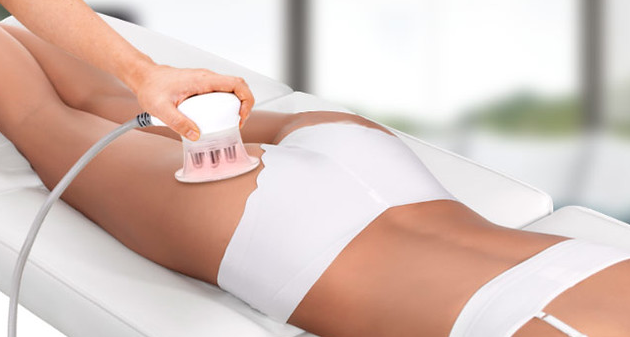
The unique charm of ultrasound air chemotherapy lies in its non-surgical nature, extremely short recovery time and convenience. A typical ultrasonic cavitation treatment course usually lasts 45 to 75 minutes. After the treatment, patients do not need to stay in bed for a long time and can immediately resume their normal daily activities. This advantage is highly attractive to modern people who have a fast-paced life and cannot spare a lot of time for postoperative recovery. Especially for areas such as the abdomen and thighs that have traditionally been regarded as stubborn and difficult to lose fat through conventional methods, ultrasound air therapy has demonstrated remarkable results. Many patients have reported achieving satisfactory fat loss outcomes in these areas.
Ii. Working Principle of Ultrasonic Cavitation
(1) Ultrasonic emission and Microbubble generation
During the treatment process, the dedicated equipment will emit high-frequency sound waves towards the target fat area. When these sound waves propagate in adipose tissue, they will generate pressure fluctuations. When pressure fluctuations reach a certain level, microbubbles will form within adipose tissue. This process is the key initial step for ultrasound air chemotherapy to take effect. The generation of microbubbles lays the foundation for the subsequent destruction of adipocytes.
(2) Rupture of adipocytes and fat breakdown
With the continuous action of sound waves, microbubbles will keep expanding and burst rapidly. The moment microbubbles burst, powerful shock waves are generated. These shock waves can directly act on the fat cell membrane, causing the fat cell membrane to burst. This process is called fat breakdown. The broken fat cells will convert the fat substances inside into liquid form, releasing glycerol and free fatty acids. These liquid fat substances enter the interstitial Spaces of the surrounding tissues, preparing for subsequent metabolic processing in the body.
(3) Natural excretion process
The body processes the liquefied fat through the lymphatic system and the liver. The lymphatic system, as the body's "cleaning system", collects and transports these liquid fats to the liver. The liver further metabolizes and decomposes these fats and eventually excretes them as waste through urine. Throughout the entire excretion process, maintaining adequate water intake is of vital importance, as water helps sustain the normal function of the lymphatic system, promotes the transportation and metabolism of liquid fat, and thereby accelerates the excretion of fat.
Iii. Typical treatment Areas and Expected Outcomes
(1) Treatment area
Ultrasonic cavitation can effectively treat local fat deposits in various parts of the body. Common treatment areas include:
The abdomen: The abdomen is one of the areas where fat is prone to accumulate. Especially as one ages and lifestyle changes, the problem of fat accumulation in the abdomen becomes more common. Ultrasound aerial chemotherapy can precisely act on abdominal fat, helping to reduce abdominal excess fat and shape a flat abdominal line.
The accumulation of fat on the inner and outer sides of the thighs often affects the overall appearance of the legs, making them look less slender. Ultrasound air therapy can target stubborn fat in the thigh area, improve the leg contour and make the leg lines more smooth.
The side abdomen (waist fat) : The accumulation of fat on the side abdomen can form a "swimming ring", affecting the overall proportion of the body. Through ultrasonic cavitation therapy, the fat in the lateral abdomen can be effectively reduced, making the waist slimmer and enhancing the curvaceous beauty of the body.
Upper arm: Fat accumulation at the back of the upper arm can make the arm look thick and stocky, affecting the wearing effect. Ultrasound radiotherapy can precisely treat the fat on the upper arm, reduce the excess fat on the upper arm and make the arm slimmer.
The buttocks: Excessive accumulation of fat in the buttocks can make them appear too large or saggy, affecting the body's appearance and balance. Ultrasound radiotherapy can adjust the fat distribution in the buttocks and shape a firmer and upward-sloping buttock line.
(II) Expected Results
Although ultrasound cavitation is not aimed at significant weight loss, many patients report that their body shape and contours have improved significantly after multiple treatments. This is because ultrasonic cavitation mainly targets the decomposition of local fat. By reducing the accumulation of fat in specific areas, it makes the overall proportion of the body more harmonious, thereby achieving a shaping effect visually. Obvious effects can usually be seen within 6 to 12 weeks after treatment, but the specific time to see results may vary depending on individual factors, such as whether the lifestyle is healthy and whether a reasonable diet is adhered to. Most patients need multiple treatments to achieve the best results, and each treatment usually lasts about 45 to 75 minutes.
Iv. Discussion on the Safety of Ultrasonic Cavitation
(1) Overview of Safety
Ultrasonic cavitation technology is widely recognized as a safe and non-invasive body shaping technique and has been approved by authoritative regulatory agencies such as the US Food and Drug Administration (FDA). This approval indicates that the technology complies with existing beauty safety standards, and its safety and effectiveness have been professionally recognized. Compared with traditional surgical procedures such as liposuction, ultrasonic cavitation technology does not require incisions or anesthesia, significantly reducing the risk of common infections and other complications during surgery, such as bleeding, hematoma, and nerve damage.
(II) Common Side Effects and Management
The overall safety of ultrasound cavitation therapy is good. The common side effects are usually mild and short-lived, mainly including:
Slight redness: The skin in the treatment area may experience temporary redness, which is caused by the stimulation of the skin tissue by sound waves. Under normal circumstances, this kind of redness will subside on its own within a few hours and no special treatment is required.
Swelling or bruising: Some patients may experience mild swelling or bruising, which is usually caused by a certain degree of pressure or minor damage to the local tissue during the treatment process. Swelling and bruising usually subside gradually within a few hours to several days. Patients can relieve discomfort by applying ice packs and other methods.
Discomfort: Some people may experience a mild soreness similar to muscle pain after exercise. This is due to certain irritation to the surrounding tissues during the rupture of fat cells and the excretion of metabolic products. This discomfort usually subsides on its own within a few days. Patients can relieve the symptoms by getting proper rest and applying heat.
If the operation is performed by qualified professionals, serious complications are rare. However, for individuals with specific health issues (such as heart problems, pacemaker wearers, or pregnancy), it is essential to consult a healthcare provider to determine their suitability, as these conditions may increase the risk of treatment.
(3) Comparison with other body shaping methods
Compared with traditional body shaping methods (such as liposuction and cryolipolysis), ultrasonic cavitation has the following significant advantages:
Characteristic ultrasonic cavitation liposuction and cryolipolysis
Invasive and non-invasive, no surgical incision is required, causing minimal trauma to the body. Invasive, a liposuction tube needs to be inserted through a surgical incision, causing significant trauma to the body. Non-invasive, fat cells are frozen at low temperatures, but there may be some discomfort during the treatment process
The recovery period does not require a recovery period. Normal activities can be resumed immediately after the treatment. In case of severe downtime, a relatively long period of bed rest and care is needed after the operation to promote wound healing and recovery. The shortest downtime is required, but there may still be some discomfort after the treatment, and appropriate rest is necessary
The degree of pain is mild discomfort. Patients can usually tolerate moderate to severe pain. After the operation, painkillers may be needed to relieve the mild discomfort of pain, similar to a slight tingling or numbness
The results may show immediate effects at the beginning, but multiple treatments are needed to achieve the best results and gradually obtain results. It takes some time after the operation to see obvious fat reduction effects and gradually achieve results. Usually, it takes several weeks to several months to see the final effect
The risk and side effects are extremely small. The main complications are mild skin reactions and discomfort. The risk of complications is higher, such as infection, bleeding, hematoma, nerve damage, fat embolism, etc. Minor side effects include local pain, redness, swelling, bruising, etc. However, in very rare cases, complications such as frostbite of the skin may occur
Ultrasonic cavitation technology is specifically targeted at fat cells and does not affect the surrounding tissues, making it a safer option for many people. In contrast, liposuction has surgical risks and a recovery period, while cryolipolysis uses low temperatures to freeze fat cells, which may not be suitable for everyone, such as those who are sensitive to low temperatures or have certain skin diseases.
V. Discussion on Ultrasound Cavitation and Cancer Risk
(1) Common Misunderstandings and misconceptions
Misconception 1: Ultrasonic cavitation can cause cancer
Many people believe that ultrasound technology generates heat and damages tissues, thus leading to the development of cancer. This view is mainly based on a misunderstanding of the energy effect of ultrasound and a one-sided understanding of the pathogenesis of cancer. In fact, the ultrasonic energy and mode of action used in ultrasound air chemotherapy are essentially different from the radiation mechanism that causes cancer.
Misconception 2: All ultrasonic effects are thermal effects
People mistakenly believe that ultrasound mainly works by heating tissues, while ignoring its significant non-thermal effect. Ultrasonic air chemotherapy mainly utilizes the non-thermal effect of ultrasonic waves, that is, it generates mechanical force through the formation and rupture of microbubbles to destroy fat cell membranes, rather than achieving fat reduction by heating tissues.
Misconception 3: Ultrasonic cavitation is unsafe for everyone
Some people believe that ultrasound cavitation poses a risk to all patients, regardless of their health conditions. This view is too absolute. In fact, as long as the patient meets the indications for treatment and the operation is carried out by qualified professionals, ultrasound air chemotherapy is a relatively safe method for beauty and body shaping.
(2) Evidence-based response
Studies show that ultrasound cavitation technology is usually safe and does not increase the risk of cancer. The research also shows that there is no direct association between this technology and cancer development. The U.S. Food and Drug Administration (FDA) has approved ultrasonic cavitation technology for cosmetic purposes, which further demonstrates the safety of operation by qualified professionals. In addition, ultrasound technology is often used in medical diagnosis, such as breast examination. It helps to detect tumors at an early stage, and there is no evidence suggesting that it leads to malignant tumors. This highlights the therapeutic potential of the technology rather than its risks.
(3) Clarification of the thermal and non-thermal effects of ultrasonic waves
Thermal effect
Thermal effects occur when continuous ultrasonic irradiation causes a significant increase in tissue temperature (exceeding 40°C). Thermal effects can enhance blood flow and tissue flexibility, but if overheated, they may also cause tissue damage. In ultrasound air chemotherapy, the energy of the ultrasound and the irradiation time are usually strictly controlled to avoid excessive thermal effects, thereby ensuring the safety of the treatment.
Non-thermal effect
Non-thermal effects include cavitation, in which microbubbles form and rupture within the tissue, leading to mechanical destruction of adipocytes without obvious temperature changes. These effects are crucial for therapeutic applications, including promoting healing and cell activity. Studies have shown that non-thermal ultrasound can regulate cellular functions, enhance protein synthesis, and support the tissue repair process without causing adverse reactions related to heat exposure. Therefore, although both effects exist, ultrasonic cavitation mainly utilizes non-thermal mechanisms to safely achieve fat loss goals.
Vi. Patient Safety Measures
(1) The importance of qualified personnel and equipment standards
The key to ensuring the safety of patients during ultrasonic cavitation surgery lies in the professional skills of the practitioners and the quality of the equipment used. Qualified practitioners must have sufficient training and experience in order to operate ultrasonic equipment safely and effectively. They need to understand the principle, operation skills, indications and contraindications of ultrasound chemotherapeutic therapy, as well as possible complications and treatment methods. The design, maintenance and operation of the equipment should follow strict standards to minimize the risks related to the surgery to the greatest extent. The correct equipment certification process, including installation certification (IQ), operation certification (OQ), and performance certification (PQ), is crucial for ensuring the normal operation of the equipment throughout its entire life cycle. Regular maintenance and calibration of the equipment can ensure the stability and accuracy of the ultrasonic energy it outputs, thereby enhancing the safety and effectiveness of the treatment.
(2) Pre-treatment consultation and medical history assessment
Before undergoing ultrasound cavitation therapy, patients should have a comprehensive pre-treatment consultation. These consultations enable doctors to assess the medical history, identify any contraindications and discuss potential risks. The key contents of these evaluations include:
Medical history: Assess any existing health conditions or medications that may affect the safety of treatment. For instance, patients with heart disease, hypertension, diabetes, blood system disorders, immune system diseases, etc., may need to carefully consider whether they are suitable for ultrasound cavitation therapy. At the same time, patients who are taking certain medications (such as anticoagulant drugs, hormone drugs, etc.) may also need to adjust their treatment plans or suspend their medication to ensure the safety of the treatment.
Physical examination: Evaluate the target area to ensure its suitability for the surgery. Doctors will examine the skin condition of the target area, fat thickness, whether there are skin infections or open wounds, etc. If there is skin infection or open wound at the target area, treatment may aggravate the infection or lead to poor wound healing. Therefore, treatment should be carried out first or wait for the wound to heal before performing ultrasound cavitation therapy.
Patient education: Provide information on expected situations during and after treatment, including potential side effects. Doctors will provide patients with a detailed introduction to the principle, treatment process, possible side effects and handling methods of ultrasound chemoradiotherapy, allowing patients to have a full understanding and psychological preparation for the treatment. At the same time, doctors will also formulate personalized treatment plans based on the specific conditions of patients, informing them of the number of treatments, the intervals between treatments, and the expected effects, etc.
Such consultations are crucial for formulating treatment plans based on individual needs and ensuring informed consent. After fully understanding the relevant information about the treatment, the patient can independently decide whether to accept the treatment and sign the informed consent form.
(3) Post-treatment care and monitoring
Postoperative care is crucial for optimizing therapeutic effects and ensuring patient safety. The key links include:
Monitor side effects: Doctors should observe whether patients experience any direct adverse reactions, such as swelling or bruising. In the first few days after the treatment, the doctor will regularly follow up with the patient to check the skin condition of the treated area and whether there are any discomfort symptoms such as swelling, bruising or pain. If any abnormal situation is found, the doctor will take corresponding measures in a timely manner.
Postoperative care instructions: Patients should receive guidance on controlling discomfort, maintaining hydration, and avoiding strenuous activities for a specific period. Doctors will advise patients to avoid activities such as hot baths, saunas and massages that may increase local blood circulation within 24 to 48 hours after treatment, so as to prevent aggravating swelling and bruising. At the same time, patients need to maintain adequate water intake, drinking at least 1,500 to 2,000 milliliters of water every day to promote body metabolism and fat excretion. In terms of diet, it is recommended that patients maintain a healthy and balanced diet and avoid high-calorie and high-fat foods to consolidate the therapeutic effect.
Follow-up appointment: Arranging a follow-up visit enables the doctor to assess the effectiveness of the treatment and address any potential issues that may arise. Doctors will adjust the subsequent treatment plan based on the patient's treatment progress and effect. If the treatment effect is not satisfactory, the doctor may analyze the reasons, such as whether the treatment parameters are appropriate and the individual differences of the patient, and adjust the treatment plan accordingly. At the same time, doctors will also pay attention to whether patients have any long-term complications or adverse reactions, and handle and intervene in a timely manner.
By implementing these safety measures, doctors can enhance the treatment outcomes for patients while minimizing the risks associated with ultrasound cavitation surgery.
Vii. Alternative Viewpoints and Expert Opinions
(1) The viewpoints of dermatologists and medical professionals
Dermatologists and medical professionals generally consider ultrasound cavitation to be a safe and non-invasive method for body shaping. Many experts emphasize that ultrasonic cavitation technology can effectively target local fat deposition without bearing the risks associated with surgical procedures such as liposuction. They appreciate that this technology can selectively destroy fat cells without damaging the surrounding tissues, thereby minimizing potential complications. For instance, practicing doctors emphasize that if performed by well-trained professionals, the incidence of side effects of this surgery is very low, usually limited to mild redness or swelling, and these symptoms are temporary. These professionals have accumulated rich experience in clinical practice. Through the treatment and observation of a large number of patients, they have gained a deep understanding of the safety and effectiveness of ultrasound cavitation technology.
(II) Abstract of the Expert Consensus on the Safety of Ultrasonic Cavitation
Experts unanimously agree that for those seeking to lose fat in specific areas, ultrasound air chemotherapy is a safe option. Studies show that when carried out under appropriate guidance, this therapy does not pose a risk of major cancer or other serious health problems. Medical research shows that ultrasound mainly acts on fat cells without damaging adjacent structures such as blood vessels or nerves. Experts also emphasized the importance of pre-treatment consultation to assess the patient's adaptability and ensure that patients with contraindications (such as certain cardiovascular diseases) avoid receiving treatment. This expert consensus provides a scientific basis and guidance for the clinical application of ultrasound cavitation technology, ensuring the safety of patients and the therapeutic effect.
(3) The patient's reflections and experiences
Patients' evaluations often reflect the positive experience of ultrasound cavitation therapy and indicate that effects can be seen after several courses of treatment. Many people are satisfied with the gradual changes in their body contours, especially in stubborn areas such as the abdomen and thighs. The non-invasive nature of the treatment is often emphasized in the evaluation, enabling them to resume normal activities immediately after the course of treatment without the need for a recovery period. However, some patients warn that although the therapeutic effect is obvious, it is not as significant as that achieved by surgical methods; Therefore, maintaining realistic expectations is crucial for overall satisfaction. Many people expressed satisfaction with the treatment effect. After just a few courses of treatment, their body contours were significantly improved. It is often mentioned in customer reviews that the non-invasive nature and no need for a recovery period of this treatment are its main advantages, and patients can resume their daily activities immediately after the treatment. However, some patients are advised to have realistic expectations for the treatment effect, as it may not be as significant as surgical treatment. In conclusion, although the experiences vary, many patients still appreciate ultrasound cavitation technology because it is convenient, effective, can reduce stubborn fat areas, and has a relatively low risk.
Viii. Conclusion
In this in-depth discussion, we have gained a comprehensive understanding of many aspects of ultrasonic cavitation, a popular non-invasive body shaping technique. From the perspective of its working principle, it uses low-frequency ultrasound to destroy fat cells and naturally excrete them from the body, providing an innovative and effective method for body shaping. This therapy is particularly suitable for stubborn fat areas such as the abdomen, thighs and arms. Many patients have reported significant effects after several courses of treatment, demonstrating unique advantages in improving body shape and contours.
Before receiving treatment, we strongly encourage potential patients to consult a qualified healthcare provider. Comprehensive pre-treatment consultation helps assess an individual's adaptability, address any concerns, and formulate a treatment plan that aligns with specific goals. By seeking the guidance of an experienced doctor, patients can make informed decisions about their body shaping plans and ensure a safe and satisfactory treatment experience.
All in all, ultrasound radiotherapy is a promising solution for those who wish to improve their body shape without undergoing invasive surgery. With appropriate consultation and care, patients can confidently enjoy the benefits brought by this innovative therapy. With the continuous development and improvement of technology, it is believed that ultrasound radiotherapy will play a more important role in the field of beauty and body shaping, bringing beauty and confidence to more people.
Ix. Frequently Asked Questions about Ultrasound Cavitation and Cancer Risk
(1) How many courses of treatment are safe?
Generally, for the best results, it is recommended to undergo 6 to 12 sessions of treatment, depending on the individual's goals and the area being treated. The treatment course is usually spaced 1 to 2 weeks apart to allow the body sufficient time to process and eliminate the damaged fat cells. Please be sure to consult a qualified professional to determine the number of treatment sessions that suit your specific needs. Professionals will develop a personalized treatment plan for you based on factors such as your physical condition, fat distribution, and treatment goals to ensure the safety and effectiveness of the treatment.
Are there any contraindications?
Yes, there are some contraindications for ultrasound air chemotherapy. The following situations should avoid receiving this therapy:
Pregnancy or breastfeeding: The effects on the fetus or breastfeeding infant are not yet fully understood. To avoid potential risks, women who are pregnant or breastfeeding should not receive ultrasound cavitation therapy.
Metal implants or pacemakers: Ultrasound may interfere with these devices, affecting their normal operation and even causing harm to patients. Therefore, patients with metal implants or pacemakers in their bodies should avoid receiving ultrasound cavitation therapy.
Active skin infections or open wounds: Treatment may exacerbate these conditions, leading to the spread of infection or delayed wound healing. Ultrasound cavitation therapy should not be performed before skin infections or open wounds are cured.
Certain medical conditions: Individuals with uncontrollable high blood pressure, diabetes or a history of blood clots should consult their healthcare provider before proceeding. These diseases may increase the risks during the treatment process, such as bleeding and infection, so it is necessary to carefully assess whether ultrasound cavitation therapy is suitable.
Please be sure to discuss your medical history with a qualified doctor to ensure safety.
(3) What will happen during and after the operation?
During the surgical procedure, patients can expect:
Sensation: There is a slight warm sensation at the treated area, usually painless. Some patients may experience mild discomfort, such as a slight tingling or numbness, but these discomforts are usually within the range that the patients can tolerate.
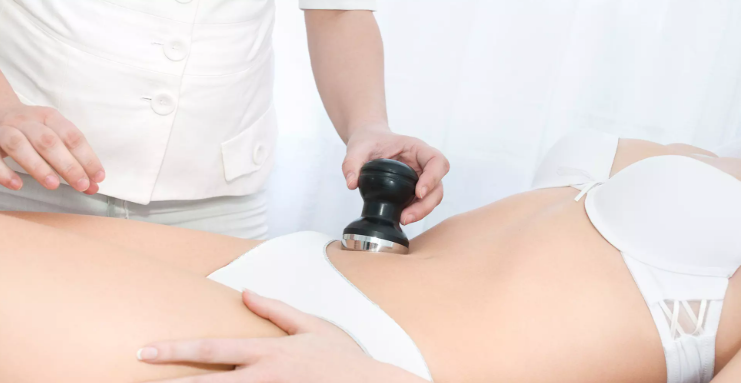
Duration: Each treatment usually lasts for 30 to 75 minutes, depending on the treated area. Doctors will adjust the treatment duration and ultrasound energy based on factors such as the size of the treated area and the thickness of the fat to achieve the best therapeutic effect.
After the operation, the patient may experience:
Minor side effects: These include slight redness, swelling or tenderness in the treated area, which usually subside within a few hours to several days. Patients can relieve these uncomfortable symptoms through methods such as ice application and rest.
Hydration: Drinking a large amount of water after treatment is crucial for eliminating the fat and toxins released from the body. Adequate water intake helps maintain the body's normal metabolic function, promotes the excretion of fat and the recovery of the body.
Result: Obvious changes may be noticed after several treatments, but the best effect usually occurs only after the recommended treatment plan is completed. Patients need to follow the doctor's treatment plan and persist in completing all courses of treatment in order to achieve the desired therapeutic effect.
Overall, ultrasound cavitation by well-trained professionals is considered safe. According to current research, the link between it and cancer risk has not yet been determined. If you are considering using ultrasonic cavitation technology for body shaping and fat loss, be sure to seek professional advice. Consulting a qualified and experienced professional can help you gain a comprehensive understanding of the technology, its potential benefits, and any related risks, enabling you to make informed treatment decisions.
GLM is a specialized beauty instrument factory that produces instruments for a variety of functions, including weight loss devices. We have vacuum negative press, radio frequency fat blasting equipment, frozen fat dissolving machine and EMS body shaping machine. GLM is a 14 year old supplier of beauty instruments with guaranteed quality.https://gdglmbeauty.com/