Cavitation: A Promising Solution for Targeting Localized Fat?
In the ongoing battle against stubborn fat, many are in search of effective, non-invasive solutions. The desire for toned, sculpted bodies without the downtime of surgery has led to the exploration of innovative techniques. One such promising method is cavitation, an intriguing advancement in the field of fat reduction. But how effective is it in truly targeting localized fat deposits? This blog delves into the science, benefits, and real-life success stories of cavitation, offering a comprehensive guide for those considering this technique.
Introduction to Ultrasonic Cavitation
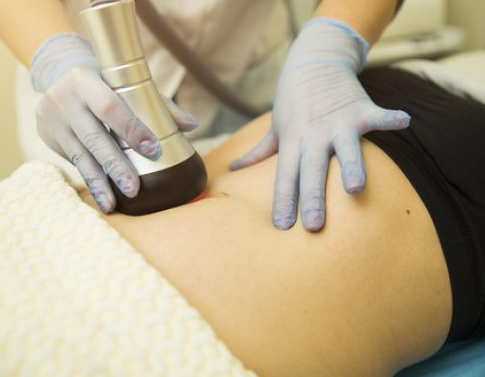
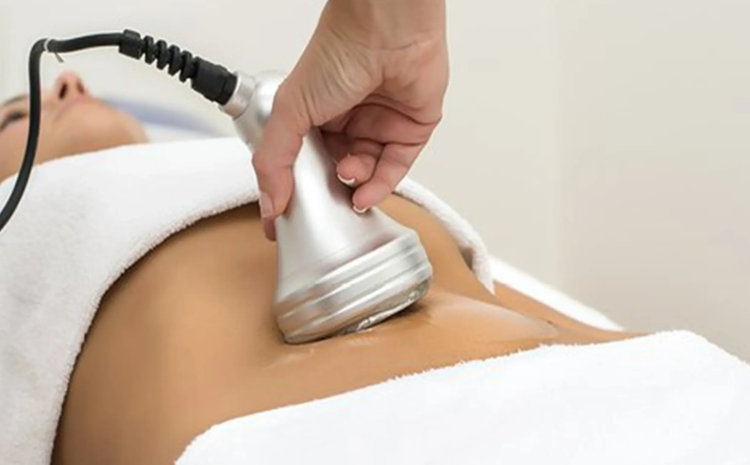
Ultrasonic cavitation, often referred to simply as cavitation, is a cutting-edge, non-invasive aesthetic treatment designed to reduce localized fat deposits and sculpt the body. By leveraging the principles of ultrasound technology, cavitation disrupts fat cells without damaging surrounding tissues, offering an alternative to surgical interventions like liposuction. This method has gained significant traction in recent years due to its minimal discomfort, lack of downtime, and targeted efficacy in stubborn fat areas such as the abdomen, thighs, hips, and arms.
How Does Ultrasonic Cavitation Work?
The science behind cavitation lies in the application of high-frequency ultrasound waves (typically between 20 kHz and 5 MHz) to the treatment area. These waves penetrate the skin and interact with adipose tissue, generating alternating high- and low-pressure cycles. This process, known as acoustic cavitation, creates microscopic bubbles within the fat cells. As these bubbles oscillate and eventually implode, they exert mechanical stress on the cell membranes, causing them to rupture. The resulting cellular debris, primarily triglycerides and fatty acids, is then processed by the body’s lymphatic system and eliminated naturally.
Comparison with Other Non-Invasive Fat-Reduction Modalities
Several non-invasive fat-reduction techniques are available, each with distinct mechanisms and benefits:
- Cryolipolysis (CoolSculpting®):
- Mechanism: Utilizes controlled cooling to induce apoptosis (programmed cell death) in fat cells.
- Advantages: FDA-approved, long-lasting results, and minimal discomfort.
- Drawbacks: Limited to specific body areas, longer treatment sessions (35–75 minutes), and potential for temporary side effects like bruising or numbness.
- Laser Lipolysis (e.g., SculpSure®):
- Mechanism: Employs laser energy to heat and destroy fat cells.
- Advantages: Quick treatment times (25 minutes), precise targeting, and skin-tightening effects.
- Drawbacks: Risk of thermal injury, higher cost, and multiple sessions may be required.
- Radiofrequency (RF) Treatments (e.g., Vanquish ME™):
- Mechanism: Uses RF energy to heat subcutaneous fat, causing cellular damage.
- Advantages: Non-contact application, large treatment areas, and skin tightening.
- Drawbacks: Less effective for deeper fat layers and may require multiple sessions.
- Injections (e.g., Deoxycholic Acid):
- Mechanism: A synthetic bile acid that breaks down dietary fat.
- Advantages: FDA-approved for submental fat reduction.
- Drawbacks: Invasive (injections), multiple treatments, and potential for swelling or bruising.
Why Cavitation Stands Out:
- Non-Invasive and Painless: Unlike cryolipolysis or laser treatments, cavitation is virtually painless, with most patients describing it as a warm, tingling sensation.
- No Downtime: Patients can resume normal activities immediately post-treatment.
- Targeted Results: Ideal for smaller, isolated fat pockets that resist diet and exercise.
- Cost-Effective: Generally more affordable than laser or RF treatments.
The Science and Safety of Ultrasonic Cavitation
Mechanism of Action
The ultrasound waves used in cavitation are classified as low-intensity focused ultrasound (LIFU) or high-intensity focused ultrasound (HIFU), depending on the device. LIFU is more common for aesthetic purposes, as it generates less heat and focuses on mechanical disruption rather than thermal ablation. The key steps in cavitation are:
- Ultrasound Penetration: Waves pass through the epidermis and dermis without causing damage.
- Bubble Formation: In the fatty layer, cavitation bubbles form due to rapid pressure changes.
- Cell Rupture: The implosion of bubbles causes shear stress on fat cell membranes, leading to their breakdown.
- Lymphatic Drainage: The released triglycerides are metabolized by the liver and excreted via urine and feces.
Safety Profile
Cavitation is considered safe when performed by trained professionals using FDA-approved devices. Key safety considerations include:
- Avoiding Critical Structures: The treatment should not be applied over bones, joints, nerves, or major blood vessels.
- Patient Selection: Not suitable for individuals with high body fat percentages, loose skin, or certain medical conditions (e.g., liver disease, pregnancy, or metal implants).
- Adverse Effects: Mild and transient, including redness, warmth, or slight swelling, which typically resolve within hours.
Scientific Evidence
Numerous studies support the efficacy of cavitation:
- A 2019 review in the Journal of Cosmetic Dermatology concluded that ultrasonic cavitation reduces subcutaneous fat thickness by 1–3 cm after multiple sessions.
- A 2020 clinical trial published in Lasers in Surgery and Medicine reported significant improvements in abdominal circumference and skin elasticity post-cavitation.
- Research highlights cavitation’s role in promoting collagen synthesis, which may enhance skin texture and firmness.
Benefits of Ultrasonic Cavitation
- Non-Invasive and Non-Surgical: Eliminates the risks associated with anesthesia, incisions, and prolonged recovery.
- Minimal Discomfort: No need for pain medication or post-treatment compression garments.
- Quick Treatment Sessions: Typically 30–60 minutes per area, making it ideal for busy individuals.
- Cumulative Results: Visible improvements after 4–6 sessions, with optimal results in 8–12 weeks.
- No Scarring or Bruising: Unlike liposuction, cavitation leaves no visible marks.
- Additional Skin Benefits: May improve cellulite appearance and skin tone due to increased collagen production.
Comparison with Liposuction
| Factor | Ultrasonic Cavitation | Liposuction |
|---|---|---|
| Invasiveness | Non-invasive | Surgical (incisions, anesthesia) |
| Downtime | None | 1–2 weeks |
| Risks | Mild, transient | Infection, bleeding, scarring |
| Cost | Lower (varies by region) | Higher (typically 10,000+) |
| Results | Gradual, natural-looking | Immediate but may require revisions |
| Ideal Candidates | Localized fat, healthy lifestyle | Larger fat deposits, willing to undergo surgery |
The Cavitation Procedure: What to Expect
Pre-Treatment Preparation
- Consultation: A thorough assessment of medical history, body composition, and goals.
- Hydration: Patients are advised to drink plenty of water pre- and post-treatment to support lymphatic drainage.
- Avoidance: Refrain from alcohol, caffeine, and blood-thinning medications 24 hours prior.
During the Procedure
- Application: A conductive gel is applied to the treatment area to facilitate ultrasound transmission.
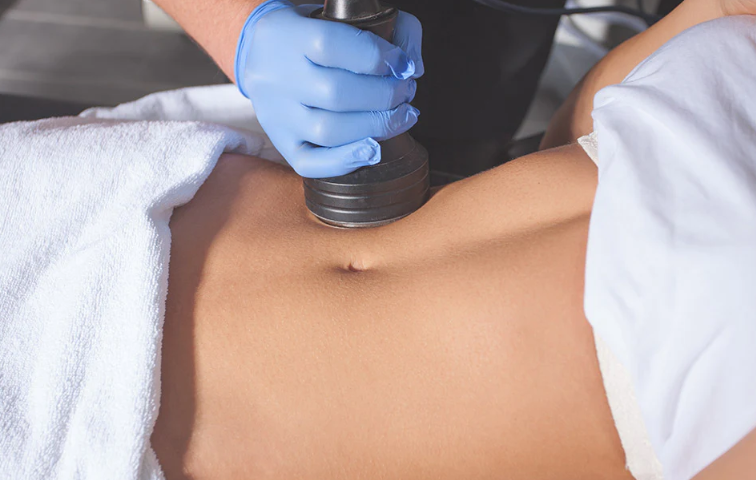
- Ultrasound Delivery: The provider moves the handpiece in circular motions, delivering targeted energy.
- Monitoring: Adjustments are made based on patient comfort and tissue response.
Post-Treatment Care
- Hydration: Continue drinking water to aid in waste elimination.
- Exercise: Light physical activity (e.g., walking) is encouraged to boost lymphatic flow.
- Avoid Heat: Refrain from saunas, hot baths, or strenuous workouts for 24 hours.
- Follow-Up Sessions: Typically spaced 7–10 days apart for 6–12 sessions, depending on individual needs.
Side Effects and Risks
- Mild Redness/Swelling: Resolves within hours.
- Bruising or Sensitivity: Rare but possible; subsides in a few days.
- Ineffective Results: May occur if the patient does not adhere to a healthy lifestyle post-treatment.
Ideal Candidates for Ultrasonic Cavitation
Cavitation is best suited for:
- Healthy Individuals: Those without chronic illnesses, autoimmune disorders, or bleeding disorders.
- Localized Fat Deposits: People with stubborn pockets of fat (e.g., "love handles," "muffin tops") resistant to diet and exercise.
- Realistic Expectations: Understanding that cavitation is not a weight-loss solution but a body-contouring tool.
- Commitment to Maintenance: Adherence to a balanced diet and regular exercise to sustain results.
Contraindications:
- Pregnancy or breastfeeding.
- Active infections or skin conditions in the treatment area.
- Pacemakers, defibrillators, or other electronic implants.
- Severe obesity (BMI > 30).
- Liver or kidney dysfunction.
Success Stories and Clinical Outcomes
Real-world testimonials underscore cavitation’s transformative potential:
- Case Study 1: A 35-year-old female lost 2.5 inches from her waist after 8 sessions, reporting increased confidence in form-fitting clothing.
- Case Study 2: A 42-year-old male reduced thigh circumference by 1.8 inches, improving his ability to engage in physical activities.
- Patient Satisfaction: Surveys indicate that 85–90% of patients are satisfied with their results, citing improved body image and quality of life.
Cost-Effectiveness: Cavitation vs. Alternatives
Cavitation is generally more affordable than other non-invasive methods:
- Average Cost per Session: 400 (varies by region and provider).
- Total Treatment Cost: 4,800 for 6–12 sessions.
- Comparison: Cryolipolysis averages 4,000 per treatment area, while laser lipolysis may exceed $5,000.
Factors Influencing Cost:
- Geographic location (urban vs. rural).
- Provider expertise.
- Number of sessions required.
- Combination with other treatments (e.g., RF skin tightening).
Selecting a Qualified Cavitation Provider
To ensure safety and efficacy:
- Credentials: Look for board-certified dermatologists, plastic surgeons, or licensed aestheticians with specialized training in cavitation.
- Technology: Ensure the provider uses FDA-approved devices (e.g., LipoCav, Ultrasonic Lipolysis).
- Reviews and Testimonials: Check online platforms (e.g., RealSelf, Google Reviews) for patient feedback.
- Consultation: A reputable provider will:
- Conduct a thorough assessment.
- Explain risks and benefits.
- Customize a treatment plan.
- Offer realistic expectations.
Red Flags to Avoid
- Guarantees of specific results (e.g., "Lose 10 inches in one session").
- Pressure to purchase multiple sessions upfront.
- Lack of transparency about qualifications or technology.
Conclusion
Cavitation represents a promising frontier in the quest to target localized fat effectively. With its non-invasive nature, minimal recovery time, and remarkable success stories, it offers a compelling option for those hesitant about surgical procedures. As with any cosmetic treatment, informed decisions and competent providers are key to unlocking the full potential of cavitation, paving the way to a sculpted, confident self.
GLM is a specialized beauty instrument factory that produces instruments for a variety of functions, including weight loss devices. We have vacuum negative press, radio frequency fat blasting equipment, frozen fat dissolving machine and EMS body shaping machine. GLM is a 14 year old supplier of beauty instruments with guaranteed quality.https://gdglmbeauty.com/