

Choosing the Best Non-Invasive Fat Reduction Technique for Your Body: A Comprehensive Guide
As society's focus on health and aesthetics continues to evolve, the desire for effective, non-surgical methods to reduce unwanted fat has surged. In response to this demand, advanced technologies have emerged, offering promising solutions for those seeking to sculpt their bodies without the risks and recovery time associated with surgical procedures. Among the most popular of these non-invasive fat reduction techniques are ultrasonic fat reduction and radiofrequency fat dissolution. This blog delves deeper into these methods, exploring their mechanisms, benefits, potential side effects, and how to choose the best option tailored to your individual needs.
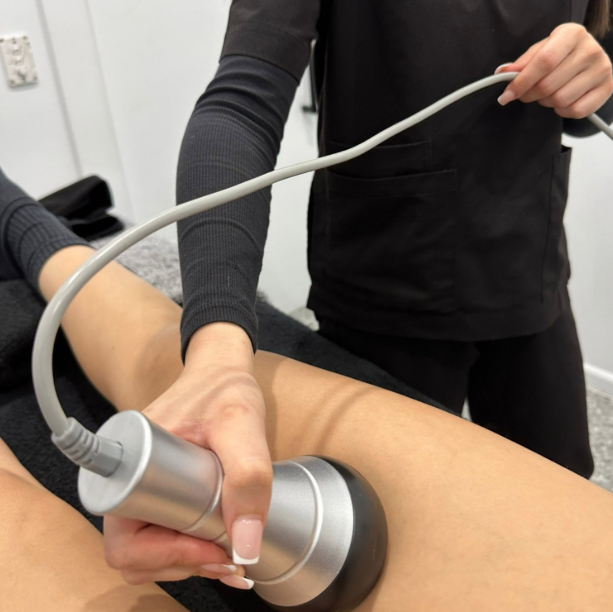
Understanding Ultrasonic Fat Reduction
Ultrasonic fat reduction leverages high-frequency sound waves, known as ultrasound, to target specific fat deposits. These waves penetrate the skin and selectively disrupt the membranes of fat cells, causing them to break down and release their contents. The body's natural metabolic processes then gradually eliminate these fatty acids, resulting in a reduction in fat volume over time.
Key Benefits:
- Targeted Fat Reduction: The precision of ultrasonic waves allows for focused treatment on specific areas, such as the abdomen, thighs, or arms.
- Contouring: This method can help refine body shape by sculpting away stubborn pockets of fat.
- Minimal Downtime: Recovery is typically minimal, allowing patients to resume daily activities quickly.
Potential Side Effects:
While generally safe, ultrasonic fat reduction may cause mild to moderate side effects such as temporary redness, bruising, or swelling. These usually resolve within a few days to a week.
Exploring Radiofrequency Fat Dissolution
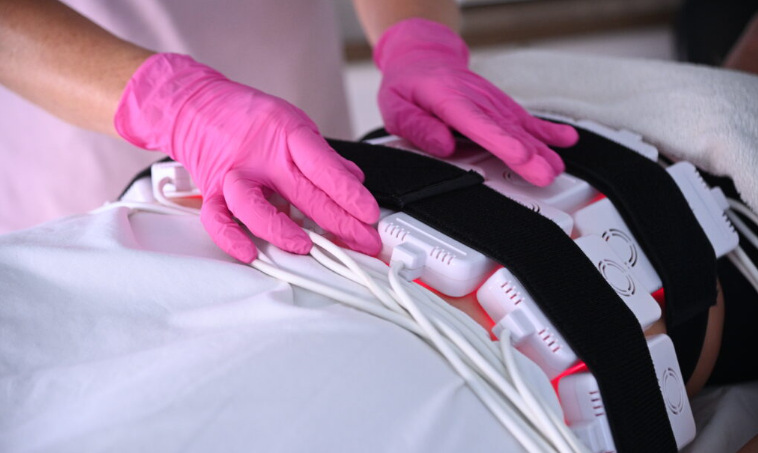
Radiofrequency fat dissolution employs radio waves to generate heat within the targeted fat cells. This heat stimulates the breakdown of fat cell membranes, releasing their contents into the interstitial fluid. Over time, the body's lymphatic system processes and removes these fats, promoting a reduction in fat volume. Additionally, the heat generated by radiofrequency energy can stimulate collagen production, leading to skin tightening and improvement in skin texture.
Key Benefits:
- Dual Action: Not only does it reduce fat but also tightens the skin, addressing sagging or loose skin that may accompany weight loss.
- Versatility: Suitable for a range of body areas, including the face, neck, abdomen, and legs.
- Gradual Results: The treatment offers natural-looking results over a series of sessions.
Potential Side Effects:
Similar to ultrasonic fat reduction, radiofrequency fat dissolution may cause mild discomfort, swelling, or redness. In some cases, patients may experience temporary numbness or sensitivity in the treated area.
The Difference: Mechanism and Outcome
The fundamental distinction between these two techniques lies in their mechanisms of action. Ultrasonic fat reduction physically disrupts fat cells, while radiofrequency fat dissolution stimulates the cells to release their contents through heat. This difference can influence the treatment's effectiveness, especially concerning skin tightening—a secondary benefit often seen with radiofrequency treatments. The choice between them should also consider individual body types, the specific area of concern, and desired aesthetic outcomes.
Factors to Consider
When deciding between ultrasonic fat reduction and radiofrequency fat dissolution, it's crucial to weigh several factors:
- Body Type and Target Areas: Different body types and fat distributions may respond better to one technique over the other.
- Goals: Are you primarily seeking fat reduction, skin tightening, or both?
- Tolerance for Side Effects: Consider your comfort level with potential temporary discomforts or downtime.
- Budget and Time Commitment: Both treatments require multiple sessions, and costs can vary.
- Consultation with a Professional: A consultation with a qualified aesthetician or plastic surgeon can provide personalized insights based on your unique situation.
Expert Advice and Testimonials
To provide a holistic view, this blog incorporates insights from both professionals and individuals who have undergone these treatments. Expert opinions can offer medical perspectives, addressing concerns about safety, efficacy, and patient suitability. Testimonials, on the other hand, offer real-life experiences, highlighting the practical aspects of treatment, such as what to expect during and after sessions, and the emotional impact of achieving desired results.
Conclusion
In conclusion, understanding the key differences between ultrasonic fat reduction and radiofrequency fat dissolution is crucial for making an informed decision. By considering individual factors and consulting with a professional, individuals can choose the best technique for their body and achieve their desired fat reduction goals. Remember, a personalized approach is the key to unlocking the best outcomes.