
I. Introduction
When it comes to maintaining youthful and radiant skin, one ingredient plays a crucial role - collagen. Collagen is a protein found in our body that provides strength and structure to our skin. As we age, the production of collagen decreases, leading to visible signs of aging such as wrinkles, fine lines, and loss of firmness. However, understanding the role collagen plays in keeping our skin youthful can help us take proactive steps to maintain its health and appearance.
Understanding Collagen
II. Understanding Collagen
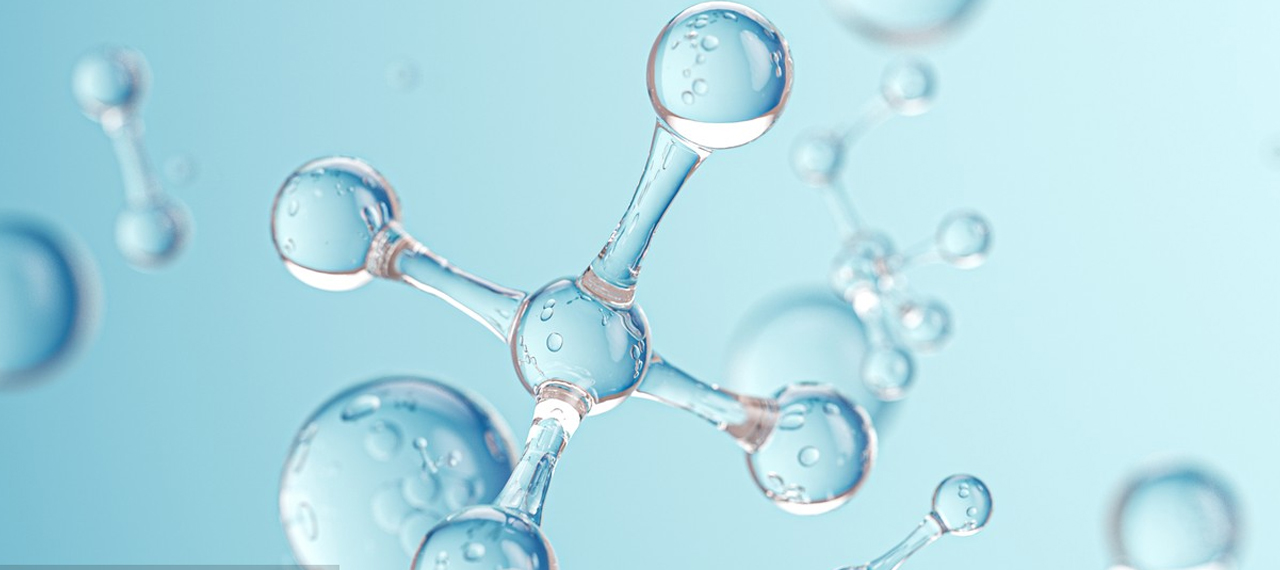
Collagen is the most abundant protein in our bodies, making up approximately 75-80% of our skin. It is primarily produced by fibroblast cells in the dermis, the deeper layer of the skin. Collagen is made up of amino acids, namely glycine, proline, and hydroxyproline, which form triple helices and provide strength and structure to our skin.
III. Types of Collagen and Their Functions
There are different types of collagen in our body, each serving a specific function. The most common types of collagen found in our skin include:
1. Type I: This type of collagen provides tensile strength and is responsible for the firmness and elasticity of the skin.
2. Type II: Found in cartilage, this collagen type provides cushioning and support to joints.
3. Type III: This collagen type is often found alongside Type I collagen and helps provide structural support.
4. Type IV: Present in the basement membrane of the skin, it supports the epidermis and maintains its integrity.
How Collagen Affects Skin Aging
IV. How Collagen Affects Skin Aging
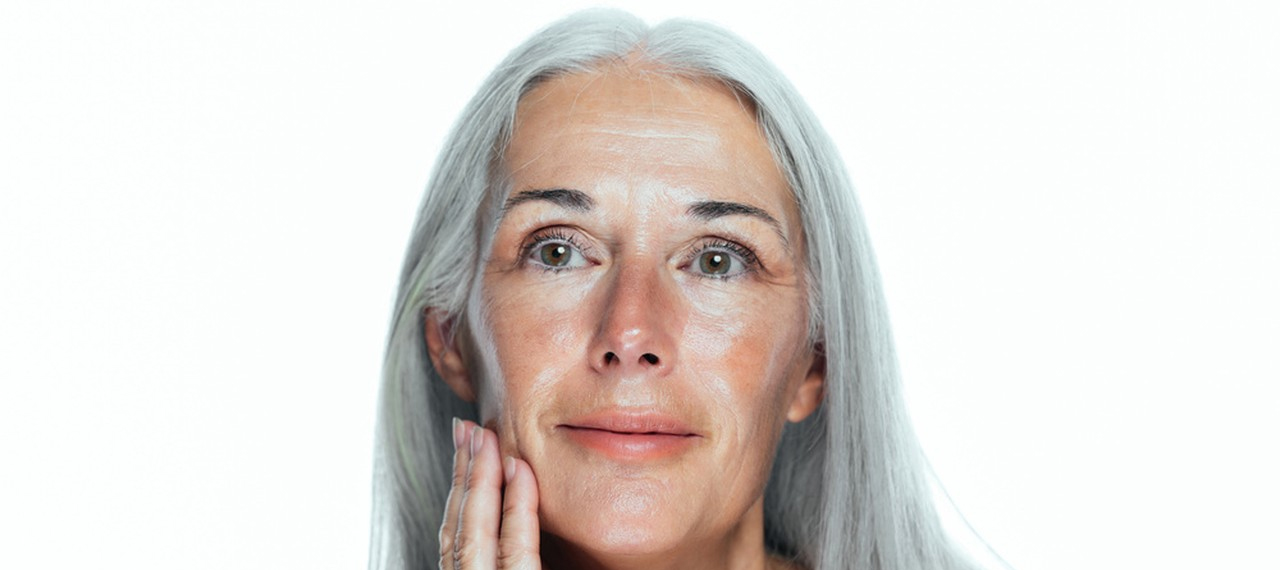
As we age, the production of collagen begins to decline, leading to visible signs of aging. Factors such as sun exposure, pollution, poor diet, and lifestyle choices can further accelerate this process. The decrease in collagen production affects the skin in several ways:
1. Loss of Skin Elasticity and Firmness: Collagen provides structural support to keep our skin taut and firm. With reduced collagen levels, the skin loses its elasticity and firmness, resulting in sagging and wrinkles.
2. Appearance of Wrinkles and Fine Lines: Collagen acts as a cushion between the bones and the skin, keeping it smooth and supple. As collagen decreases, the skin becomes thinner, and wrinkles and fine lines start to appear.
Benefits of Collagen for Skin
V. Benefits of Collagen for Skin
While the decline of collagen with age may seem inevitable, there are ways we can enhance and maintain its levels in our skin. Here are some key benefits of collagen for our skin:
1. Enhanced Skin Hydration and Moisture Retention: Collagen helps in retaining moisture in the skin, keeping it hydrated and plump. This contributes to a more youthful and glowing complexion.
2. Improvement in Skin Texture and Tone: Increased collagen levels can improve skin texture by reducing the appearance of roughness and unevenness. It also leads to a more even skin tone, diminishing the appearance of age spots and hyperpigmentation.
3. Reduction of Age-Related Skin Problems: Collagen supports wound healing and helps reduce scarring. It can also alleviate common skin issues associated with aging, such as dryness, dullness, and loss of vitality.
Ways to Boost Collagen Production
VI. Ways to Boost Collagen Production
Although collagen production naturally declines with age, there are ways to stimulate its production and maintain youthful-looking skin:
1. Consumption of Collagen-Rich Foods: Include foods such as bone broth, fish, lean meats, and collagen supplements in your diet to provide the necessary building blocks for collagen synthesis.
2. Use of Collagen Supplements and Skincare Products: Incorporate collagen supplements and topical creams or serums containing collagen-boosting ingredients like vitamin C, retinol, and peptides into your skincare routine.
3. Incorporating Collagen-Stimulating Ingredients into the Diet: Consume foods rich in vitamin C, amino acids, and antioxidants to support collagen production. Citrus fruits, leafy greens, berries, and nuts are excellent sources.
4. Importance of a Healthy Lifestyle and Collagen-Damaging Habits: Maintaining a healthy lifestyle, including regular exercise, sufficient sleep, and avoiding excessive sun exposure, smoking, and unhealthy dietary habits, can help preserve collagen levels in the skin.
Collagen-Boosting Skincare Routine

VII. Collagen-Boosting Skincare Routine
Apart from dietary changes, incorporating a collagen-boosting skincare routine can further enhance collagen production and maintain youthful skin. Here's a simple guide to follow:
1. Cleansing and Exfoliating: Start with a gentle cleanser to remove dirt and impurities, followed by exfoliation to remove dead skin cells and promote cell turnover.
2. Collagen-Boosting Serums and Creams: Apply serums or creams containing collagen-stimulating ingredients like vitamin C, hyaluronic acid, and peptides. These ingredients can help boost collagen production and improve skin texture.
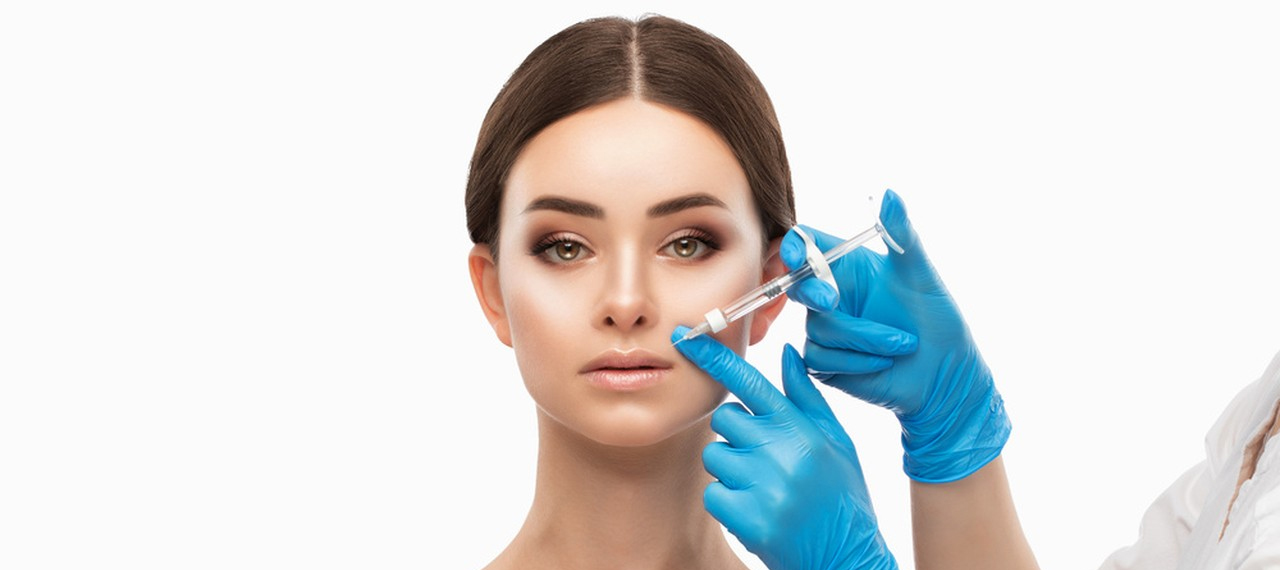
3. Collagen-Activating Facial Massages and Treatments: Consider integrating facial massages and treatments that target collagen production, such as micro-needling or radiofrequency treatments. These techniques can help stimulate collagen synthesis and improve skin firmness.
Collagen and Other Anti-Aging Strategies
VIII. Collagen and Other Anti-Aging Strategies
Collagen works synergistically with other essential skincare components to maintain youthful-looking skin. Here are some strategies to optimize collagen's benefits:
1. Synergy Between Collagen and Antioxidants: Incorporate antioxidants, such as vitamins A, C, and E, into your skincare routine. Antioxidants help protect and preserve collagen from damage caused by free radicals.
2. The Role of Sun Protection: Protecting your skin from harmful UV radiation is crucial for preventing collagen breakdown. Use a broad-spectrum sunscreen with at least SPF 30 daily, wear protective clothing, and seek shade when the sun is strongest.
IX. Conclusion
Collagen is the backbone of youthful skin, providing strength, elasticity, and firmness. By understanding how collagen affects the aging process and implementing strategies to boost its production, we can maintain a more youthful and radiant complexion. Incorporate collagen-rich foods, collagen supplements, and skincare products into your routine, along with supportive lifestyle choices, to enhance collagen levels and enjoy youthful-looking skin for longer. Embrace the power of collagen and take charge of your skin's ageless journey.
Sources:
- American Academy of Dermatology Association. (2019). Can collagen supplements really improve your skin? https://www.aad.org/public/everyday-care/skin-care-basics/cosmeceuticals/collagen-supplements
- Choi, F. D., Sung, C. T., Juhasz, M. L., & Mesinkovsk, N. A. (2019). Oral collagen supplementation: A systematic review of dermatological applications. Journal of Drugs in Dermatology : JDD, 18(1), 9–16.
- Varani, J., Dame, M. K., Rittie, L., Fligiel, S. E., Kang, S., Fisher, G. J., & Voorhees, J. J. (2006). Decreased collagen production in chronologically aged skin: Roles of age-dependent alteration in fibroblast function and defective mechanical stimulation. The American Journal of Pathology, 168(6), 1861–1868. https://doi.org/10.2353/ajpath.2006.051302
Collagen's Role in Keeping Your Skin Looking Young
Introduction
When it comes to maintaining youthful and radiant skin, one ingredient plays a crucial role - collagen. Collagen is a protein found in our body that provides strength and structure to our skin. As we age, the production of collagen decreases, leading to visible signs of aging such as wrinkles, fine lines, and loss of firmness. However, understanding the role collagen plays in keeping our skin youthful can help us take proactive steps to maintain its health and appearance.

Understanding Collagen
Collagen is the most abundant protein in our bodies, making up approximately 75-80% of our skin. It is primarily produced by fibroblast cells in the dermis, the deeper layer of the skin. Collagen is made up of amino acids, namely glycine, proline, and hydroxyproline, which form triple helices and provide strength and structure to our skin.
Types of Collagen and Their Functions
There are different types of collagen in our body, each serving a specific function. The most common types of collagen found in our skin include:
1. Type I: This type of collagen provides tensile strength and is responsible for the firmness and elasticity of the skin.
2. Type II: Found in cartilage, this collagen type provides cushioning and support to joints.
3. Type III: This collagen type is often found alongside Type I collagen and helps provide structural support.
4. Type IV: Present in the basement membrane of the skin, it supports the epidermis and maintains its integrity.
How Collagen Affects Skin Aging
As we age, the production of collagen begins to decline, leading to visible signs of aging. Factors such as sun exposure, pollution, poor diet, and lifestyle choices can further accelerate this process. The decrease in collagen production affects the skin in several ways:
1. Loss of Skin Elasticity and Firmness: Collagen provides structural support to keep our skin taut and firm. With reduced collagen levels, the skin loses its elasticity and firmness, resulting in sagging and wrinkles.
2. Appearance of Wrinkles and Fine Lines: Collagen acts as a cushion between the bones and the skin, keeping it smooth and supple. As collagen decreases, the skin becomes thinner, and wrinkles and fine lines start to appear.
Benefits of Collagen for Skin
While the decline of collagen with age may seem inevitable, there are ways we can enhance and maintain its levels in our skin. Here are some key benefits of collagen for our skin:
1. Enhanced Skin Hydration and Moisture Retention: Collagen helps in retaining moisture in the skin, keeping it hydrated and plump. This contributes to a more youthful and glowing complexion.
2. Improvement in Skin Texture and Tone: Increased collagen levels can improve skin texture by reducing the appearance of roughness and unevenness. It also leads to a more even skin tone, diminishing the appearance of age spots and hyperpigmentation.
3. Reduction of Age-Related Skin Problems: Collagen supports wound healing and helps reduce scarring. It can also alleviate common skin issues associated with aging, such as dryness, dullness, and loss of vitality.

Ways to Boost Collagen Production
Although collagen production naturally declines with age, there are ways to stimulate its production and maintain youthful-looking skin:
1. Consumption of Collagen-Rich Foods: Include foods such as bone broth, fish, lean meats, and collagen supplements in your diet to provide the necessary building blocks for collagen synthesis.
2. Use of Collagen Supplements and Skincare Products: Incorporate collagen supplements and topical creams or serums containing collagen-boosting ingredients like vitamin C, retinol, and peptides into your skincare routine.
3. Incorporating Collagen-Stimulating Ingredients into the Diet: Consume foods rich in vitamin C, amino acids, and antioxidants to support collagen production. Citrus fruits, leafy greens, berries, and nuts are excellent sources.
4. Importance of a Healthy Lifestyle and Collagen-Damaging Habits: Maintaining a healthy lifestyle, including regular exercise, sufficient sleep, and avoiding excessive sun exposure, smoking, and eating an unhealthy diet, can help preserve collagen levels in the skin.
Collagen-Boosting Skincare Routine
Apart from dietary changes, incorporating a collagen-boosting skincare routine can further enhance collagen production and maintain youthful skin. Here's a simple guide to follow:
1. Cleansing and Exfoliating: Start with a gentle cleanser to remove dirt and impurities, followed by exfoliation to remove dead skin cells and promote cell turnover.
2. Collagen-Boosting Serums and Creams: Apply serums or creams containing collagen-stimulating ingredients like vitamin C, hyaluronic acid, and peptides. These ingredients can help boost collagen production and improve skin texture.
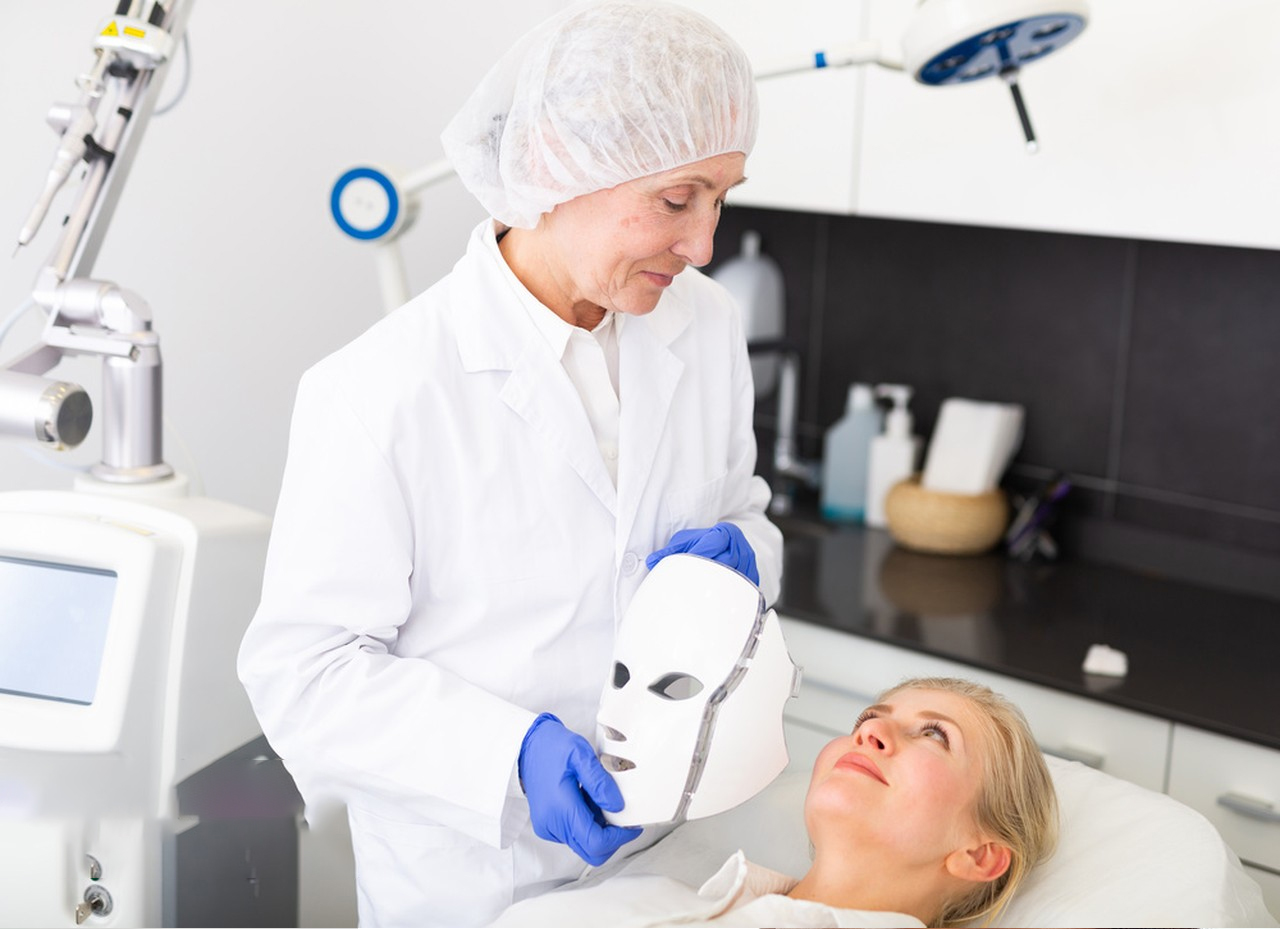
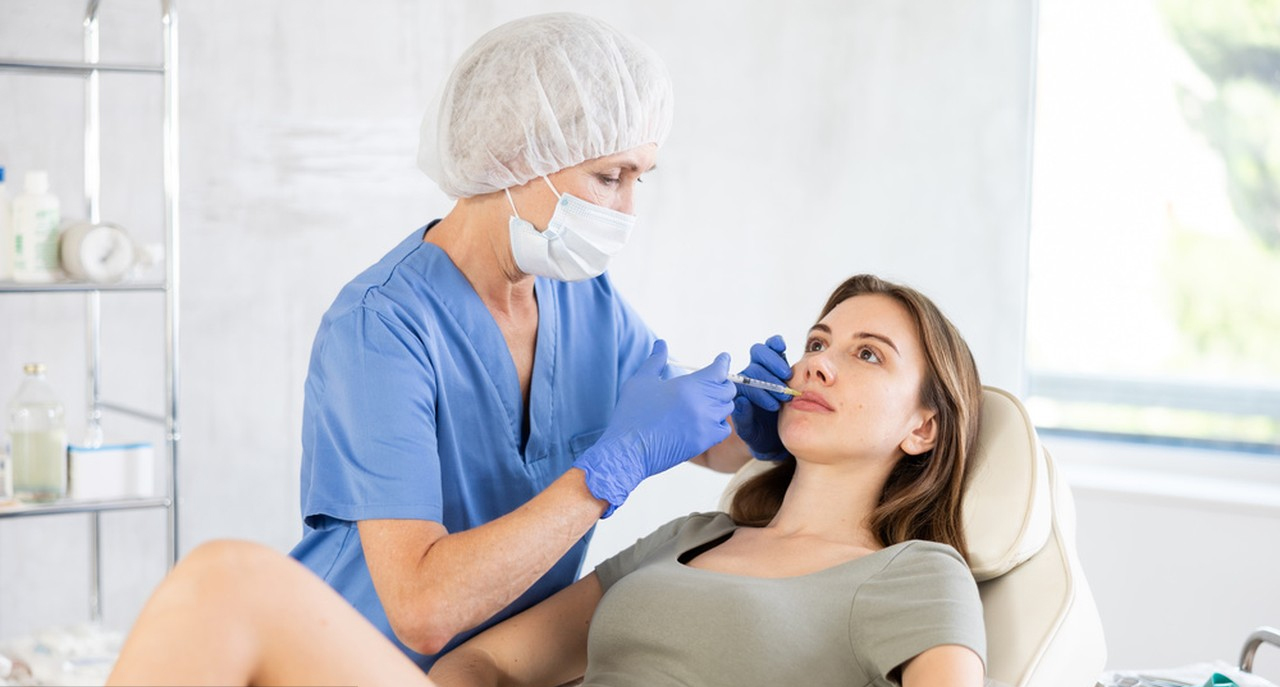
3. Collagen-Activating Facial Massages and Treatments: Consider integrating facial massages and treatments that target collagen production, such as micro-needling or radiofrequency treatments. These techniques can help stimulate collagen synthesis and improve skin firmness.
Collagen and Other Anti-Aging Strategies
Collagen works synergistically with other essential skincare components to maintain youthful-looking skin. Here are some strategies to optimize collagen's benefits:
1. Synergy Between Collagen and Antioxidants: Incorporate antioxidants, such as vitamins A, C, and E, into your skincare routine. Antioxidants help protect and preserve collagen from damage caused by free radicals.
2. The Role of Sun Protection: Protecting your skin from harmful UV radiation is crucial for preventing collagen breakdown. Use a broad-spectrum sunscreen with at least SPF 30 daily, wear protective clothing, and seek shade when the sun is strongest.
Conclusion
Collagen is the backbone of youthful skin, providing strength, elasticity, and firmness. By understanding how collagen affects the aging process and implementing strategies to boost its production, we can maintain a more youthful and radiant complexion. Incorporate collagen-rich foods, collagen supplements, and skincare products into your routine, along with supportive lifestyle choices, to enhance collagen levels and enjoy youthful-looking skin for longer. Embrace the power of collagen and take charge of your skin's ageless journey.