
Surgical vs. Non-Surgical Body Contouring: Understanding the Differences
Body contouring has gained significant popularity in recent years, driven by individuals' desires to attain their ideal body shape and boost self-confidence. The rapid advancements in medical technology have led to the development of both surgical and non-surgical procedures that offer effective solutions for body contouring. In this article, we will delve deeper into the key differences between surgical and non-surgical body contouring, enabling you to make an informed choice based on your specific needs and goals.
Surgical Body Contouring
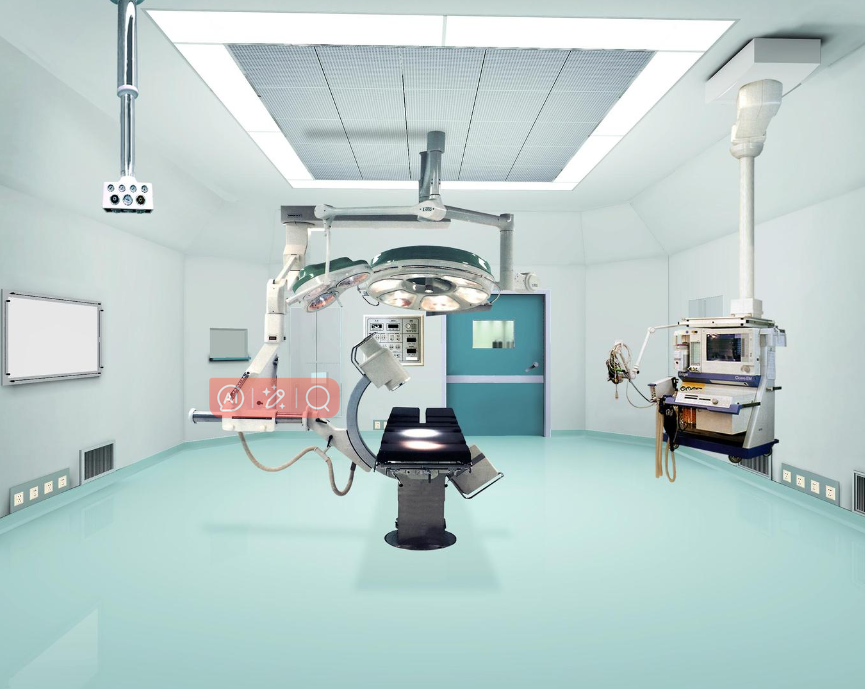
Surgical body contouring procedures involve invasive treatments designed to reshape the body through surgical means. These procedures are typically best suited for individuals who have undergone significant weight loss, pregnancy, or breastfeeding and are looking to tighten or remove excess skin and fat. Surgical body contouring often targets specific areas of the body, such as the abdomen, breasts, arms, thighs, and buttocks, to provide a more contoured and sculpted appearance.
Key Procedures:
-
Tummy Tuck (Abdominoplasty): This is the most effective surgical solution for treating loose skin and muscle around the abdomen. It involves removing excess skin and fat and tightening the abdominal muscles to achieve a flatter and firmer stomach.
-
Body Lifts: Various lift procedures, including overall body lift, breast lift, arm lift, thigh lift, and buttocks lift, are designed to remove excess skin and fat from specific areas, improving their shape and tone.
-
Liposuction: This procedure involves suctioning out excess fat from targeted areas of the body using a cannula (a thin, hollow tube). Liposuction can be performed alone or in conjunction with other body contouring surgeries to enhance overall results.
Pros:
- Can provide dramatic and lasting results
- Targets specific areas for maximum impact
- Removes excess skin in addition to fat
Cons:
- Requires anesthesia and hospitalization
- Involves a longer recovery period
- Carries a higher risk of complications
Non-Surgical Body Contouring
Non-surgical body contouring procedures use advanced technologies and treatments that do not require incisions or anesthesia, making them less invasive and more accessible. These procedures are often chosen by individuals looking for more subtle improvements or who are hesitant to undergo surgery.
Key Procedures:
-
CoolSculpting: This non-invasive fat reduction treatment uses cryolipolysis, a process that selectively destroys fat cells by exposing them to extreme cold. The treated fat cells are then naturally eliminated from the body over time.
-
Injectable Fillers: Injectable fillers, such as hyaluronic acid, can be used to add volume to areas of the face and body, improving contours and enhancing appearance.
-
Laser and Light-Based Treatments: Laser treatments like laser lipolysis and radiofrequency skin tightening can help reduce fat and tighten skin without surgery. These treatments work by stimulating collagen production and breaking down fat cells.
Pros:
- Non-invasive and requires no anesthesia
- Shorter recovery time
- Lower risk of complications
Cons:
- Results may be less dramatic and take longer to appear
- May require multiple sessions for optimal results
- Not suitable for all areas of the body
Choosing the Right Procedure
The decision between surgical and non-surgical body contouring ultimately depends on your individual needs, goals, and preferences. Surgical procedures offer more dramatic and lasting results but come with a higher risk of complications and a longer recovery period. Non-surgical procedures, on the other hand, are less invasive and require minimal downtime but may require multiple sessions to achieve desired results.
It's important to consult with a qualified and experienced medical professional who can assess your unique situation and provide personalized recommendations. During your consultation, discuss your goals, concerns, and expectations to ensure you choose the best body contouring option for you.
In conclusion, both surgical and non-surgical body contouring procedures offer effective solutions for improving body shape and enhancing self-confidence. By understanding the key differences between these two approaches, you can make an informed decision that aligns with your specific needs and goals.
Surgical body contouring, also known as surgical body shaping, is a medical discipline that involves invasive surgical procedures aimed at removing excess fat and reshaping specific areas of the body to improve overall aesthetic appearance. These procedures often follow significant weight loss, such as after bariatric surgery, pregnancy, or extensive diet and exercise programs, when traditional methods fail to achieve desired results. Here, we delve into some of the most popular surgical body contouring procedures.
1. Liposuction
Liposuction, or suction-assisted lipectomy, is one of the most commonly performed surgical body contouring procedures. It involves inserting a thin, hollow tube (cannula) through small incisions in the skin and using suction to remove unwanted fat deposits from various parts of the body. Liposuction can be performed on the abdomen, hips, thighs, buttocks, arms, back, and even the face and neck.
While liposuction can help reshape the body, it is not a weight loss solution. It is best suited for individuals who are already at or near their ideal weight but have stubborn fat pockets that resist diet and exercise.
2. Tummy Tuck (Abdominoplasty)
A tummy tuck is a surgical procedure that targets the abdominal area, addressing both excess fat and loose skin. During this procedure, the surgeon makes an incision along the lower abdomen, often extending from hip to hip. The skin is separated from the abdominal muscles, which are then tightened and repaired. Excess skin and fat are removed, and the remaining skin is re-draped and sutured in place.
Tummy tucks are particularly effective for individuals who have experienced significant weight loss or multiple pregnancies, leaving them with stretched or sagging abdominal skin. The procedure can also help correct abdominal muscle separation (diastasis recti).
3. Breast Lift (Mastopexy)
Breast lift surgery addresses sagging, deflated breasts caused by weight loss, pregnancy, breastfeeding, or the natural aging process. During the procedure, the surgeon makes incisions around the areola, vertically down from the areola to the breast crease, or both. The breast tissue is lifted, reshaped, and repositioned, and excess skin is removed. The nipples and areolas may also be repositioned to create a more youthful appearance.
Breast lifts can be performed alone or in conjunction with breast augmentation to increase breast size and projection.
4. Thigh Lift
Thigh lifts address excess fat and skin in the inner and outer thigh areas. The procedure involves making incisions in the groin area and/or along the back of the thigh, depending on the amount of tissue to be removed. Excess skin and fat are then trimmed away, and the remaining skin is sutured in place.
Thigh lifts can significantly improve the contour and appearance of the thighs, particularly in individuals who have lost a significant amount of weight and are left with sagging skin.
5. Facelift (Rhytidectomy)
Facelifts aim to rejuvenate the facial appearance by addressing sagging skin, deep wrinkles, and loss of facial volume. The procedure involves making incisions around the ears and hairline, allowing the surgeon to access and reposition underlying tissues, remove excess skin, and tighten the facial muscles.
Facelifts can vary in scope, from minimal-invasive procedures that target specific areas to more extensive surgeries that address the entire face.
Pre- and Post-Surgical Considerations
Before undergoing any surgical body contouring procedure, patients should consult with a board-certified plastic surgeon to discuss their goals, health history, and potential risks. The surgeon will perform a physical examination and take detailed measurements to develop a customized treatment plan.
Recovery from surgical body contouring procedures can vary depending on the extent of the surgery and the individual patient’s health. Patients should expect some discomfort, swelling, and bruising in the days and weeks following surgery. It is essential to follow the surgeon’s post-operative instructions carefully to minimize risks and optimize healing.
In conclusion, surgical body contouring offers a range of effective procedures to reshape and improve the appearance of specific areas of the body. While these procedures require incisions and carry inherent risks, they can provide dramatic and long-lasting results for individuals seeking to address stubborn fat and skin issues that resist traditional methods.
Liposuction, also known as suction-assisted lipectomy, is a widely popular and versatile surgical technique that helps individuals achieve a more contoured and sculpted body shape by removing excess fat deposits. This procedure is often sought by those who have struggled to eliminate specific areas of stubborn fat through traditional methods such as diet and exercise.
How Liposuction Works
During a liposuction procedure, the surgeon first administers anesthesia to ensure patient comfort. The type of anesthesia used may vary depending on the extent of the surgery and the patient's preference, ranging from local anesthesia with sedation to general anesthesia.
Once the patient is comfortably anesthetized, the surgeon makes small, inconspicuous incisions in the targeted areas of the body. A thin, hollow tube called a cannula is then inserted through these incisions and maneuvered beneath the skin. The cannula is attached to a vacuum device that gently sucks out the excess fat cells.
The surgeon carefully maneuvers the cannula to target and remove the desired amount of fat, contouring the area to achieve the patient's aesthetic goals. The fat removal process is typically guided by the surgeon's experience, training, and, in some cases, by imaging techniques such as ultrasound-assisted liposuction (UAL) or laser-assisted liposuction (LAL), which can help visualize the fat layers more precisely.

Targeted Areas
Liposuction can be performed on almost any area of the body where excess fat accumulates. The most commonly treated areas include:
- Abdomen: The stomach area is a popular target for liposuction, as it often retains stubborn fat even with diet and exercise.
- Hips and Thighs: Outer and inner thighs, as well as the hips, can be contoured to create a slimmer and more proportionate silhouette.
- Buttocks: Liposuction can be used to sculpt the buttocks, either in isolation or as part of a Brazilian butt lift procedure.
- Arms: Upper arms, particularly in the tricep area, can develop fat deposits that are difficult to reduce through exercise.
- Back: The back, including the lower back (flanks) and bra line area, can be targeted to improve overall body contour.
- Face and Neck: Liposuction can also be performed on the face and neck to address double chins or other areas of localized fat.
Benefits and Considerations
Benefits:
- Immediate Results: Liposuction provides visible results almost immediately after surgery.
- Precise Contouring: The procedure allows for precise targeting and removal of fat cells, enabling the surgeon to sculpt the body to the patient's desired shape.
- Improved Self-Confidence: For many patients, achieving a more contoured body shape through liposuction can significantly boost self-confidence and self-esteem.
Considerations:
- Recovery: Like any surgical procedure, liposuction requires a period of recovery. Patients may experience swelling, bruising, and discomfort, which can take several weeks to resolve.
- Weight Gain: While liposuction removes fat cells permanently, it does not prevent the remaining fat cells from expanding if the patient gains weight. Maintaining a healthy lifestyle is crucial to preserve the results.
- Risks and Complications: As with any surgery, liposuction carries risks such as infection, bleeding, and uneven skin contours. Choosing a board-certified plastic surgeon with extensive experience in liposuction can help minimize these risks.
Liposuction is a popular and effective surgical technique for removing stubborn fat deposits from various areas of the body. By targeting and removing excess fat cells, liposuction can help patients achieve a more contoured and sculpted body shape, enhancing their overall appearance and self-confidence. However, it is important to approach liposuction with realistic expectations and to understand the associated risks and recovery process.
Tummy Tuck (Abdominoplasty): A Comprehensive Guide
Abdominoplasty, colloquially referred to as a "tummy tuck," is a surgical procedure designed to address the common concerns of excess skin, stubborn fat deposits, and weakened abdominal muscles that often arise after significant weight loss, pregnancy, or aging. This comprehensive guide delves into the intricacies of the tummy tuck procedure, its benefits, the recovery process, and important considerations for individuals contemplating this surgery.
Purpose of Abdominoplasty
The primary goal of abdominoplasty is to reshape and flatten the abdominal area by addressing three primary issues:
- Excess Skin: Pregnancy, weight fluctuations, and the natural aging process can stretch the skin of the abdomen, resulting in loose, hanging skin that does not respond to diet and exercise.
- Stubborn Fat Deposits: Despite diligent efforts at weight loss, some individuals may find that fat deposits persist in the abdominal region.
- Weakened Abdominal Muscles: Pregnancy and significant weight gain can cause the abdominal muscles to stretch and separate, leading to a protruding abdomen.
By combining the removal of excess skin and fat with the tightening of abdominal muscles, abdominoplasty can create a firmer, flatter, and more youthful-looking abdomen.
The Surgical Procedure
During an abdominoplasty, the surgeon first administers anesthesia to ensure patient comfort. Depending on the extent of the surgery, the patient may receive local anesthesia with sedation or general anesthesia.
The surgeon then makes a horizontal incision along the lower abdomen, typically from hipbone to hipbone. This incision is carefully placed to minimize scarring and can often be concealed by underwear or a bathing suit.
Through this incision, the surgeon separates the skin from the abdominal wall, allowing access to the underlying muscles and fat. Excess fat is removed using liposuction or direct excision, and the abdominal muscles are tightened by stitching them together in a process known as plication.
After the muscles are tightened and the desired amount of fat is removed, the skin is redraped over the newly contoured abdomen and excess skin is trimmed away. The incision is then closed with sutures, and drains may be placed to help reduce fluid accumulation.

Recovery and Aftercare
Recovery from an abdominoplasty can vary depending on the individual and the extent of the surgery. Patients can expect to experience some degree of discomfort, swelling, and bruising in the days and weeks following the procedure. Pain medication and compression garments are often prescribed to help manage discomfort and support the healing process.
It is important for patients to follow their surgeon's post-operative instructions closely, including restrictions on physical activity and lifting to prevent strain on the abdominal area. Most patients are able to return to light activities within a few weeks but should avoid strenuous exercise for several months.
Benefits of Abdominoplasty
- Improved Body Contour: Abdominoplasty can significantly improve the appearance of the abdominal area, creating a firmer, flatter, and more youthful-looking stomach.
- Enhanced Self-Confidence: For many patients, the aesthetic improvements achieved through abdominoplasty can lead to a boost in self-confidence and self-esteem.
- Improved Clothing Fit: With excess skin and fat removed, patients often find that their clothing fits better and more comfortably.
- Long-Lasting Results: While weight gain can affect the results of any surgical procedure, the tightened abdominal muscles and removed excess skin achieved through abdominoplasty are generally long-lasting.
Considerations
- Cost: Abdominoplasty is a surgical procedure that requires anesthesia, an operating room, and a skilled surgeon, making it a significant investment.
- Risks and Complications: As with any surgery, abdominoplasty carries risks such as infection, bleeding, and adverse reactions to anesthesia. Choosing a board-certified plastic surgeon with extensive experience in abdominoplasty can help minimize these risks.
- Recovery Time: Recovery from an abdominoplasty can be lengthy, and patients should be prepared for a period of downtime and restricted activity.
In conclusion, abdominoplasty is a surgical procedure that can address the concerns of excess skin, stubborn fat, and weakened abdominal muscles, resulting in a firmer, flatter, and more contoured abdomen. While it requires careful consideration of the costs, risks, and recovery time, for many patients, the benefits of abdominoplasty are well worth the investment.
A Body Lift, also known as a circumferential body lift or belt lipectomy, is a complex and transformative surgical procedure designed to address the aftermath of significant weight loss. This comprehensive approach involves the meticulous removal of excess skin and fat from various regions of the body, primarily focusing on the abdomen, thighs, hips, and buttocks. The ultimate goal of this surgery is to enhance the overall body shape and contour, restoring a more toned and youthful appearance.
Understanding the Need for a Body Lift
After undergoing dramatic weight loss, either through bariatric surgery, rigorous dieting, or intense exercise programs, individuals often find themselves with sagging skin and stubborn pockets of fat that resist further improvement through non-surgical means. This excess skin and fat can not only hinder physical function but also negatively impact self-esteem and quality of life. A Body Lift addresses these concerns by removing the redundant tissue and reshaping the body to a more proportionate and aesthetically pleasing form.
Surgical Process
The Body Lift procedure typically begins with a thorough consultation, where the surgeon assesses the patient's goals, expectations, and overall health status. Based on this evaluation, a customized surgical plan is devised, taking into account the extent of the excess skin and fat, as well as the patient's anatomy and desired outcome.
During the surgery, the patient is placed under general anesthesia to ensure comfort and safety. The surgeon then makes incisions around the lower abdomen, hips, and thighs, often extending in a circumferential pattern that wraps around the body. These incisions allow for the removal of the excess skin and fat, as well as the tightening of underlying tissues. In some cases, liposuction may be performed in conjunction with the skin excision to further refine the contours.
After the removal of the excess tissue, the remaining skin is repositioned and secured with sutures, often in multiple layers, to ensure optimal healing and long-lasting results. Drainage tubes may be placed to help remove excess fluid and prevent fluid build-p, and compression garments are applied to support the new contours and minimize swelling.
Postoperative Care and Recovery
Recovery from a Body Lift can be extensive, with patients typically requiring several weeks to months of downtime depending on the extent of the surgery and their individual healing capacity. During this period, it's crucial to follow the surgeon's instructions closely, including proper wound care, pain management, and activity restrictions.
Compression garments play a vital role in supporting the new contours, reducing swelling, and promoting healing. Patients are advised to wear them consistently as directed by their surgeon. Additionally, regular follow-up appointments are necessary to monitor progress, address any concerns, and ensure proper healing.
Results and Expectations
While the results of a Body Lift can be dramatic and life-changing, it's important to approach the surgery with realistic expectations. The final outcome will depend on a variety of factors, including the patient's starting condition, the extent of the surgery, and their adherence to postoperative care instructions.
In most cases, patients can expect to see a significant improvement in the shape and contour of their abdomen, thighs, and buttocks. The skin will appear tighter and more toned, and the overall silhouette will be more proportional and aesthetically pleasing. However, it's essential to remember that the results are not permanent, and patients must maintain a healthy lifestyle to preserve their new look over time.
Overall, a Body Lift is a powerful tool for individuals who have achieved significant weight loss but are left with unwanted excess skin and fat. With proper surgical planning, skilled execution, and diligent postoperative care, this comprehensive surgical procedure can deliver transformative results that enhance both physical function and emotional well-being.
Certainly, here's an expanded version of the article on Breast Augmentation and Reduction, including a detailed discussion of their benefits, risks, and considerations:
Breast Augmentation and Reduction surgeries are two popular procedures within the realm of surgical body contouring that aim to enhance or alter breast size to achieve a more balanced and proportionate body shape. These procedures offer a range of benefits, but it's essential to weigh them against the potential risks and considerations before making a decision.
Breast Augmentation
Breast Augmentation, also known as augmentation mammaplasty, involves the use of implants or fat transfer to increase the size, fullness, and shape of the breasts. The procedure can help women who feel self-conscious about their breast size due to underdevelopment, asymmetry, or changes after pregnancy and breastfeeding.
Benefits of Breast Augmentation:
Immediate and Significant Results: Breast Augmentation provides a noticeable change in breast size and shape almost immediately after surgery.
Enhanced Self-Esteem: For many women, the procedure can lead to a significant boost in self-confidence and overall sense of well-being.
Versatility: Surgeons can customize the size, shape, and placement of implants to suit individual preferences and body types.
Risks and Considerations:
General Anesthesia: As with any surgery requiring general anesthesia, there are inherent risks such as allergic reactions, breathing problems, and infection.
Recovery Time: Patients can expect some discomfort, swelling, and bruising for several weeks following surgery, with a full recovery taking several months.
Potential Complications: Complications such as implant displacement, capsular contracture (hardening of scar tissue around the implant), and infection can occur, though they are generally rare.
Long-Term Maintenance: Regular follow-up appointments and potential future surgeries (e.g., implant replacement) may be necessary.
Breast Reduction
Breast Reduction, or reduction mammaplasty, is a surgical procedure that removes excess breast tissue, fat, and skin to achieve a smaller, lighter, and more proportionate breast size. It is often performed on women who experience physical discomfort due to large breasts, such as back and neck pain, skin irritation, and difficulty finding clothing that fits comfortably.
Benefits of Breast Reduction:
Alleviation of Physical Discomfort: By reducing breast size, the procedure can significantly improve symptoms like back and neck pain.
Improved Posture and Mobility: Lighter breasts can lead to improved posture and increased physical activity.
Enhanced Self-Image: Many patients report a boost in self-confidence and overall satisfaction with their appearance after Breast Reduction.
Risks and Considerations:
Scarring: Breast Reduction involves making incisions around the breasts, which can result in visible scars. However, these scars typically fade over time and can be strategically placed to minimize their visibility.
Recovery Time: The recovery period can be more extensive than Breast Augmentation, with patients often requiring several weeks to several months of downtime.
Potential Complications: As with any surgery, there are risks of infection, bleeding, and poor healing. Additionally, some patients may experience temporary or permanent changes in breast sensation or the ability to breastfeed.
Choosing a Qualified Surgeon: It's crucial to select a surgeon with extensive experience in Breast Reduction, as the procedure requires precision and attention to detail to ensure optimal results and minimize complications.
Overall, both Breast Augmentation and Reduction offer significant benefits in terms of enhancing body shape and alleviating physical discomfort. However, it's essential to weigh these benefits against the potential risks and considerations, including general anesthesia, recovery time, scarring, and the importance of selecting a highly qualified and experienced surgeon.

Non-Surgical Body Contouring: A Non-Invasive Alternative
Non-surgical body contouring procedures have gained significant popularity in recent years as a safe and effective alternative to traditional surgical methods. These procedures offer patients the opportunity to achieve a more toned and sculpted appearance without the risks, downtime, and recovery time associated with surgery. Here are some of the most common non-surgical body contouring procedures available today:
1. CoolSculpting®
CoolSculpting® is a non-invasive fat reduction treatment that uses a process called cryolipolysis to freeze and eliminate unwanted fat cells. During the procedure, a specialized applicator is applied to the target area, delivering controlled cooling that damages fat cells without harming surrounding skin or tissue. Over time, the damaged fat cells are naturally eliminated from the body, resulting in a noticeable reduction in fat.
Benefits:
Non-invasive and no downtime
Permanent fat reduction in treated areas
Suitable for multiple body areas, including the abdomen, flanks, thighs, and upper arms
Considerations:
Multiple treatments may be necessary for optimal results
Results may take several weeks to months to become fully visible
2. Ultrasound Fat Reduction (e.g., Ultrashape®)
Ultrasound fat reduction treatments use high-intensity focused ultrasound (HIFU) energy to target and destroy fat cells. The energy is delivered to the treatment area through a handheld device, causing the fat cells to rupture and release their contents. The body then naturally eliminates these fat cells and their contents over time.
Benefits:
Non-invasive and minimal discomfort
Can be used on various body areas
Results can be seen relatively quickly
Considerations:
Multiple treatment sessions may be required
Results may vary depending on individual factors
3. Radiofrequency Skin Tightening (e.g., Thermage®)
Radiofrequency skin tightening treatments use radiofrequency energy to heat the deep layers of the skin, stimulating collagen production and promoting skin tightening. This can help improve the appearance of loose or sagging skin, particularly in areas such as the abdomen, thighs, and face.
Benefits:
Non-invasive and minimal downtime
Can improve skin texture and tone
Long-lasting results
Considerations:
Multiple treatments may be necessary for optimal results
Results may vary depending on individual skin type and condition
4. Injectable Fillers
Injectable fillers, such as hyaluronic acid-based fillers, can be used to contour and enhance specific areas of the body, such as the buttocks (Brazilian Butt Lift) or hands. These fillers are injected into the treatment area, adding volume and improving the overall shape and appearance.
Benefits:
Non-invasive and immediate results
Can be customized to individual preferences
Long-lasting results (though not permanent)
Considerations:
Results are not permanent and may require touch-up treatments
Potential risks include bruising, swelling, and allergic reactions
5. Laser Lipolysis
Laser lipolysis is a minimally invasive procedure that uses laser energy to liquefy fat cells in the treatment area. The liquefied fat is then naturally absorbed and eliminated by the body. This procedure is often combined with suction-assisted liposuction to remove the liquefied fat more efficiently.
Benefits:
Less invasive than traditional liposuction
Faster recovery time
Can be used on various body areas
Considerations:
Still requires anesthesia and downtime
Results may not be as dramatic as surgical liposuction
In conclusion, non-surgical body contouring procedures offer a wide range of options for patients seeking to improve their body shape and appearance without the risks and downtime associated with surgery. However, it's essential to choose a reputable provider and carefully consider the benefits, risks, and potential limitations of each procedure before making a decision.
CoolSculpting: A Revolutionary Non-Invasive Fat Reduction Treatment
CoolSculpting, also known as cryolipolysis, is a groundbreaking non-invasive fat reduction treatment that has revolutionized the world of body contouring. This innovative procedure harnesses the power of controlled cooling to target and eliminate unwanted fat cells in specific areas of the body, all without the need for surgery or downtime.
How It Works
The CoolSculpting procedure works by selectively cooling fat cells in the treatment area. During the treatment, a specialized applicator is applied to the targeted area, such as the abdomen, flanks, thighs, or upper arms. The applicator delivers precise cooling to the underlying fat tissue, while protecting the skin and surrounding tissues from damage.
As the fat cells are exposed to the controlled cooling, they undergo a process called apoptosis, or programmed cell death. The fat cells gradually shrink and die, while the surrounding tissues remain unharmed. Over the next few weeks to months, the body's natural processes eliminate the dead fat cells, resulting in a noticeable reduction in fat and a more contoured appearance.
Key Benefits
Non-Invasive and Safe: CoolSculpting is a non-invasive procedure that requires no surgery, anesthesia, or downtime. This means patients can undergo the treatment without any significant discomfort or disruption to their daily routine.
Natural Fat Reduction: The elimination of fat cells through CoolSculpting is a natural process that takes place gradually over time. This allows for more gradual and natural-looking results that continue to improve over several months.
Long-Lasting Results: Once the fat cells are eliminated through CoolSculpting, they are permanently removed from the body. This means that the results are long-lasting, provided that the patient maintains a healthy lifestyle.
Customizable Treatment: CoolSculpting can be tailored to each patient's unique needs and goals. The treatment can be used on multiple areas of the body, and the applicator can be adjusted to target specific fat deposits for optimal results.
Minimal Discomfort: Many patients report minimal discomfort during and after the CoolSculpting procedure. Some may experience a sensation of pulling or tugging during the treatment, but this is typically well-tolerated.
Considerations
While CoolSculpting is a safe and effective procedure, it's important to consider a few factors before undergoing treatment:
Multiple Treatments May Be Necessary: Depending on the patient's goals and the amount of fat to be reduced, multiple treatment sessions may be necessary to achieve optimal results.
Results May Take Time to Appear: While some patients may see initial results as early as a few weeks after treatment, the full results can take several months to become fully visible.
Not a Weight Loss Solution: CoolSculpting is not a weight loss treatment. It is best suited for patients who are near their ideal weight but have stubborn pockets of fat that are resistant to diet and exercise.
Patient Selection: It's important to work with a qualified and experienced provider who can assess whether CoolSculpting is the right treatment for you based on your specific goals and anatomy.
CoolSculpting is a safe, non-invasive, and effective fat reduction treatment that offers patients a natural and long-lasting solution for achieving a more contoured appearance. With minimal downtime and discomfort, CoolSculpting is an excellent option for those looking to improve their body shape without the risks and recovery time associated with surgery.
Laser Lipolysis: A Comprehensive Guide to This Advanced Fat Reduction
Laser lipolysis is an advanced cosmetic procedure that utilizes laser energy to liquefy and eliminate unwanted fatty tissue from various areas of the body. This innovative technology not only addresses excess fat but also promotes collagen production, leading to skin tightening and a more youthful appearance. Here's a detailed expansion on laser lipolysis, exploring its mechanism, benefits, and considerations for potential patients.
How Laser Lipolysis Works
During laser lipolysis, a thin fiber containing laser energy is inserted into the target area through small incisions in the skin. The laser energy then emits a controlled heat that liquefies the fat cells, making them easier to remove. The liquefied fat is then suctioned out using a cannula or a small tube, much like in traditional liposuction procedures.
However, laser lipolysis goes beyond simply removing fat. The laser energy also stimulates the production of collagen, a protein that provides structure and elasticity to the skin. This collagen production helps tighten the skin, reducing the risk of sagging or loose skin that can sometimes occur after traditional liposuction.
Key Benefits of Laser Lipolysis
Skin Tightening: One of the primary advantages of laser lipolysis is its ability to promote collagen production, leading to skin tightening. This results in a smoother, more toned appearance in the treated area.
Minimally Invasive: Compared to traditional liposuction, laser lipolysis is considered a minimally invasive procedure. The small incisions required for the laser fiber insertion and fat removal often heal quickly with minimal scarring.
Precision and Control: The laser energy used in laser lipolysis allows for a high degree of precision and control. This enables the surgeon to target specific fat deposits while minimizing damage to surrounding tissues.
Faster Recovery: Due to its minimally invasive nature, laser lipolysis typically results in a faster recovery time compared to traditional liposuction. Patients can often return to their daily activities sooner.
Versatile Treatment: Laser lipolysis can be performed on various areas of the body, including the abdomen, thighs, hips, buttocks, arms, and even the face and neck.
Considerations and Risks
While laser lipolysis offers numerous benefits, it's essential to consider the following factors before undergoing the procedure:
Patient Selection: Laser lipolysis is best suited for patients who are near their ideal weight but have stubborn pockets of fat that are resistant to diet and exercise. It's not a weight loss solution.
Multiple Sessions: Depending on the patient's goals and the amount of fat to be removed, multiple laser lipolysis sessions may be necessary to achieve optimal results.
Post-Treatment Care: Patients must follow post-treatment instructions closely to ensure proper healing and minimize the risk of complications. This may include wearing compression garments and avoiding strenuous activities for a period.
Risks and Side Effects: As with any surgical procedure, laser lipolysis carries risks and potential side effects, such as swelling, bruising, numbness, and skin irregularities. It's crucial to discuss these risks with a qualified and experienced provider before proceeding.
Cost: Laser lipolysis can be more expensive than some non-invasive fat reduction treatments, such as CoolSculpting. Patients should consider their budget and weigh the costs against the potential benefits.
Laser lipolysis is an advanced fat reduction treatment that combines the benefits of fat removal with skin tightening. Its minimally invasive nature, precision, and ability to promote collagen production make it an attractive option for patients seeking to improve their body contours. However, it's essential to carefully consider the risks, costs, and patient selection criteria before undergoing laser lipolysis to ensure a safe and successful outcome.
Radiofrequency (RF) Treatments: A Comprehensive Exploration of Their Benefits and Applications
Radiofrequency (RF) treatments have emerged as a popular non-invasive cosmetic procedure that harnesses the power of radiofrequency energy to rejuvenate the skin and improve body contour. By gently heating the underlying layers of the skin, RF treatments stimulate collagen production, leading to skin tightening, reduction of fine lines and wrinkles, and even the improvement of cellulite appearance. Let's delve deeper into the science behind RF treatments, their various applications, and the benefits they offer.
How RF Treatments Work
RF treatments work by emitting radiofrequency waves that penetrate the skin's surface and target the dermis, the middle layer of the skin. These waves convert into heat energy, which stimulates the production of collagen and elastin fibers. Collagen is responsible for skin elasticity and firmness, while elastin helps skin bounce back into shape after stretching. By enhancing the production of these two proteins, RF treatments promote skin tightening, reducing the appearance of sagging, wrinkles, and fine lines.

Key Benefits of RF Treatments
Skin Tightening and Rejuvenation: The increased collagen production triggered by RF energy results in firmer, more youthful-looking skin. This is particularly beneficial for addressing concerns such as loose skin on the face, neck, and body.
Wrinkle Reduction: By stimulating collagen production, RF treatments can help smooth out fine lines and wrinkles, especially those caused by aging and sun damage.
Cellulite Reduction: RF treatments can also be used to target cellulite, the dimpled skin appearance often found on the thighs, buttocks, and abdomen. The heat energy helps break down fibrous bands that pull down on the skin, improving the overall texture and contour of the affected area.
Body Contouring: While not a substitute for weight loss, RF treatments can help refine and sculpt the body by tightening skin and improving the appearance of underlying tissues.
Non-Invasive and Pain-Free: RF treatments are non-invasive, meaning they don't require surgery or anesthesia. They are generally well-tolerated, with minimal discomfort during and after the procedure.
Applications of RF Treatments
RF treatments can be tailored to address a wide range of aesthetic concerns, including:
Facial Rejuvenation: For smoothing out fine lines, wrinkles, and improving skin laxity on the face, neck, and décolletage.
Body Contouring: To enhance the appearance of the abdomen, thighs, buttocks, and other areas prone to skin laxity or cellulite.
Post-Pregnancy Skin Issues: Addressing stretch marks and loose skin after pregnancy.
Acne Scars: Reducing the appearance of acne scars by promoting collagen production.
Considerations and Post-Treatment Care
While RF treatments are generally safe and effective, it's important to consider the following before undergoing the procedure:
Consultation: Always consult a qualified and experienced healthcare provider to determine if RF treatments are right for you.
Skin Type: RF treatments may not be suitable for all skin types, particularly those with a higher risk of hyperpigmentation or scarring.
Post-Treatment Care: Following post-treatment instructions is crucial to ensure optimal results and minimize the risk of side effects. This may include avoiding sun exposure, using sunscreen, and applying topical skincare products as recommended.
Multiple Sessions: Depending on your individual needs and goals, multiple RF treatment sessions may be necessary to achieve desired results.
Radiofrequency (RF) treatments are a versatile and effective non-invasive option for skin rejuvenation, wrinkle reduction, cellulite improvement, and body contouring. By harnessing the power of radiofrequency energy, these treatments stimulate collagen production, leading to firmer, smoother, and more youthful-looking skin. However, it's essential to work with a qualified provider and follow post-treatment instructions to ensure safe and satisfactory outcomes.
High-Intensity Focused Ultrasound (HIFU): Revolutionizing Non-Surgical Body Contouring
High-Intensity Focused Ultrasound (HIFU) technology has emerged as a cutting-edge non-invasive or minimally invasive method for body contouring. This innovative treatment harnesses the power of focused ultrasound energy to precisely target and destroy fat cells, reshaping the body without the need for surgery or extensive downtime. Let's delve deeper into the workings of HIFU, its benefits for body contouring, and the important considerations to keep in mind.
How HIFU Works
HIFU technology utilizes high-frequency sound waves that are focused and directed at specific depths within the skin and underlying tissues. These focused ultrasound beams generate intense heat energy at their focal point, raising the temperature to a level that is sufficient to disrupt fat cells while sparing surrounding tissues and structures. The destroyed fat cells are then gradually eliminated from the body through natural metabolic processes.
Benefits of Non-Surgical Body Contouring with HIFU
Non-Invasive or Minimally Invasive: HIFU treatments are non-invasive or minimally invasive, meaning they do not require surgical incisions or anesthesia. This significantly reduces the risk of infection, scarring, and other complications associated with traditional surgical procedures.
Little to No Downtime: Another major advantage of HIFU is the minimal downtime required after treatment. Patients can usually resume their daily activities immediately, with only mild side effects such as redness, swelling, or bruising that typically resolve within a few days.
Lower Risk of Complications and Side Effects: Compared to surgical procedures, HIFU carries a significantly lower risk of complications and side effects. This makes it a safer option for patients who may not be suitable for surgery due to health concerns or other factors.
Limitations and Considerations
While HIFU offers numerous benefits for non-surgical body contouring, it's essential to keep in mind its limitations and considerations:
Gradual Results and Multiple Sessions: HIFU treatments produce gradual results that may take several weeks or months to fully manifest. Multiple sessions are often required to achieve optimal outcomes, depending on the individual's goals and starting point.
Limited Effectiveness for Significant Fat Removal: HIFU is best suited for spot reduction and contouring of small to moderate areas of stubborn fat that are resistant to diet and exercise. It is not intended for significant weight loss or fat removal from large areas of the body.
Not Suitable for All Patients: HIFU may not be suitable for patients with certain medical conditions, such as active skin infections, bleeding disorders, or those who are pregnant or breastfeeding. It's crucial to consult with a qualified healthcare provider to determine if HIFU is right for you.
High-Intensity Focused Ultrasound (HIFU) is a revolutionary non-surgical approach to body contouring that utilizes focused ultrasound energy to target and destroy fat cells. Its non-invasive nature, minimal downtime, and lower risk of complications make it an attractive option for patients seeking to improve their body shape without surgery. However, it's important to keep in mind the limitations of HIFU and to work with a qualified provider to ensure safe and effective treatment outcomes.
Factors to Consider when Choosing between Surgical and Non-Surgical Body Contouring Options
When faced with the decision between surgical and non-surgical body contouring options, it's imperative to weigh various factors carefully to ensure that the chosen approach aligns with your individual needs, goals, and circumstances. Here's a detailed expansion on the key factors to consider:
1. Desired Results and Expectations
One of the primary considerations is the desired outcome and your expectations from the treatment. Surgical procedures, such as liposuction or tummy tucks, are known for their ability to produce more dramatic and immediate changes in body shape. They can effectively remove significant amounts of fat and reshape the contours of the body, addressing stubborn areas that may not respond to diet and exercise.
On the other hand, non-surgical options like High-Intensity Focused Ultrasound (HIFU), CoolSculpting, or laser lipolysis, offer more subtle enhancements over time. These treatments are better suited for individuals seeking modest improvements or who prefer a less invasive approach. They may require multiple sessions to achieve desired results, and the changes may be more gradual.
2. Available Budget and Cost Considerations
Cost is another crucial factor that influences the choice between surgical and non-surgical body contouring. Surgical procedures tend to be more expensive due to the complexity of the procedures, the need for anesthesia, and the associated medical costs. However, the long-lasting results and potential for significant transformation may justify the higher initial investment for some patients.
Non-surgical options, on the other hand, are generally more affordable and accessible. They offer a cost-effective alternative for those who may not be able to afford surgery or prefer a less expensive route. While multiple sessions may be required, the overall cost can still be lower than that of a surgical procedure.
3. Recovery Time and Downtime
Recovery time and downtime are also important factors to consider. Surgical procedures typically require a longer recovery period, with patients experiencing pain, swelling, bruising, and potential limitations on their daily activities. The downtime can range from a few days to several weeks, depending on the extent of the surgery.
Non-surgical options, on the other hand, are designed to minimize downtime and allow patients to resume their normal activities quickly. Most non-surgical treatments have minimal to no downtime, with patients able to return to work or engage in light activities immediately after the procedure.
4. Risks and Complications
The risks and potential complications associated with each option should also be carefully evaluated. Surgical procedures involve a higher risk of complications, including infection, bleeding, scarring, and anesthesia-related risks. While these risks are typically low when performed by experienced surgeons, they are still present.
Non-surgical options, on the other hand, carry a lower risk of complications. However, it's important to note that even non-invasive treatments can cause mild side effects such as redness, swelling, or bruising. It's crucial to work with a qualified and experienced provider to minimize any potential risks.
5. Personal Preferences and Lifestyle
Finally, personal preferences and lifestyle factors should also be taken into account. Some individuals may prefer the immediate and dramatic results offered by surgical procedures, while others may prioritize a less invasive approach that fits better with their busy schedules and lifestyles.
In conclusion, choosing between surgical and non-surgical body contouring options requires careful consideration of multiple factors, including desired results, budget, recovery time, risks, and personal preferences. It's essential to consult with a qualified healthcare provider to discuss your options and determine the best approach for your individual needs and goals.
Absolutely, a thorough consultation with a qualified professional is paramount in making an informed decision between surgical and non-surgical body contouring options. This consultation serves as a crucial step in understanding your individual needs, goals, and the various factors that influence your choice.
Detailed Expansion
1. Assessment of Individual Needs
During the consultation, the professional will conduct a comprehensive assessment of your body, taking into account factors such as your overall health, weight, and the specific areas you wish to contour. They will evaluate the amount of fat present, skin elasticity, and any underlying conditions that may impact the outcome of the treatment. This assessment helps to determine whether surgical or non-surgical options are more suitable for your unique situation.
2. Understanding Your Goals
The consultation is also an opportunity for you to clearly communicate your desired results and expectations. The professional will listen carefully to your concerns and goals, ensuring that they fully understand your vision for your body contour. This understanding enables them to recommend the most appropriate treatment plan that aligns with your expectations.
3. Discussion of Treatment Options
Based on the assessment and your goals, the professional will present both surgical and non-surgical options, outlining the pros and cons of each. They will explain the procedures in detail, including the techniques used, the estimated duration of the treatment, and the potential outcomes. This discussion will help you to make an informed decision by providing you with all the necessary information.
4. Consideration of Personal Factors
During the consultation, the professional will also take into account your personal factors, such as your lifestyle, schedule, and budget. They will discuss the implications of each option on your daily life, including the required downtime, post-treatment care, and potential costs. This consideration ensures that the recommended treatment plan is feasible and aligns with your personal circumstances.
5. Addressing Concerns and Answering Questions
The consultation provides a platform for you to ask any questions or address any concerns you may have. The professional will patiently answer all your queries, ensuring that you have a clear understanding of the treatment process, potential risks, and expected outcomes. This open communication helps to build trust and confidence in the chosen approach.
6. Customized Treatment Plan
Ultimately, the consultation leads to the development of a customized treatment plan tailored to your specific needs and goals. The professional will work closely with you to design a plan that addresses your concerns, fits within your budget, and minimizes any potential risks or downtime.
In summary, a thorough consultation with a qualified professional is essential in making the right choice between surgical and non-surgical body contouring options. It ensures that you have all the necessary information to make an informed decision, and that the recommended treatment plan is tailored to your unique needs and goals.