
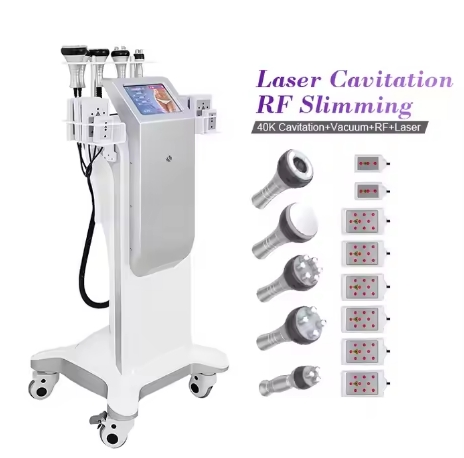
What are the differences between 30k, 40k, and 80k cavitation machines and how do I choose the right one?
Welcome to our comprehensive guide on understanding the differences between 30k, 40k, and 80k cavitation machines. If you're looking to invest in this revolutionary beauty treatment, it's essential to choose the right machine to achieve optimal results. Let's explore the key differences between these frequencies and how to make an informed decision.
Cavitation, also referred to as ultrasound cavitation or ultrasonic lipolysis, is a cutting-edge, non-invasive cosmetic treatment designed to address stubborn fat deposits and enhance body contouring. This innovative technology harnesses the power of ultrasonic waves to target and break down adipose tissue (fat cells) in targeted areas of the body, leading to a more toned and sculpted appearance.
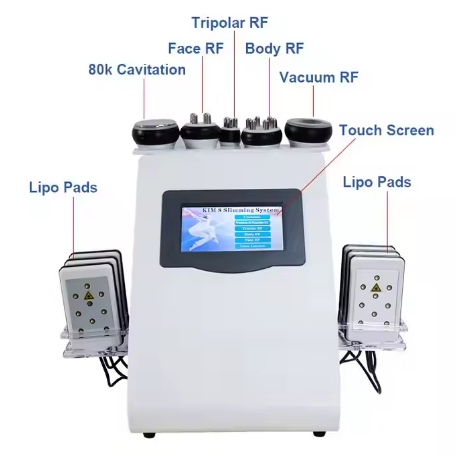
How Does Cavitation Work?
During a cavitation treatment, a specialized device is used to emit high-frequency ultrasonic waves that penetrate the skin's surface and reach the underlying fat layers. These waves create microbubbles within the fat cells, a process known as cavitation. As the microbubbles expand and collapse, they generate heat and mechanical stress, which disrupts the fat cell membranes.
The disrupted fat cells release their contents, including triglycerides and fatty acids, into the interstitial fluid surrounding the cells. These substances are then gradually absorbed by the body's lymphatic system and metabolized, ultimately resulting in a reduction in fat volume in the treated area.
Benefits of Cavitation
- Non-Invasive: Cavitation is a non-surgical, non-invasive procedure that requires no anesthesia or downtime. This makes it an ideal choice for individuals seeking a safer, more convenient alternative to traditional liposuction.
- Pain-Free: Since cavitation is non-invasive, it is generally considered a painless treatment. Patients may experience a gentle warming sensation during the procedure, but this is typically well-tolerated.
- Effective for Cellulite: In addition to reducing fat deposits, cavitation can also help improve the appearance of cellulite by stimulating collagen production and promoting skin tightening.
- Lymphatic Drainage: The process of breaking down fat cells and releasing their contents into the interstitial fluid also stimulates lymphatic drainage, which can aid in detoxification and improve overall skin health.
- Customizable: Cavitation treatments can be tailored to target specific areas of the body, such as the abdomen, thighs, arms, or buttocks, allowing for highly personalized body contouring results.
- Quick Results: While the full effects of cavitation may take several sessions to become fully apparent, patients often notice a noticeable difference in the treated areas after just one or two treatments.
Post-Treatment Considerations
Following a cavitation treatment, patients are advised to maintain a healthy lifestyle, including a balanced diet and regular exercise, to help maintain their results. While cavitation is a non-invasive procedure, it's important to note that results are not permanent and may vary depending on individual factors such as age, genetics, and lifestyle habits.
In conclusion, cavitation is a safe, painless, and effective non-invasive cosmetic treatment that utilizes ultrasonic waves to target and reduce fat deposits in specific areas of the body. Its ability to improve body contouring, reduce cellulite, and stimulate lymphatic drainage makes it a popular choice among individuals seeking to enhance their appearance without the risks and downtime associated with surgical procedures.
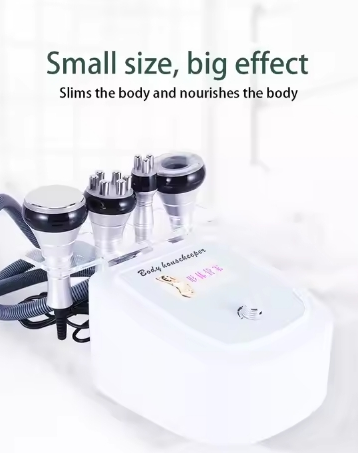
Understanding the differences between 30k, 40k, and 80k cavitation machines
The frequencies in cavitation machines are represented by the k value, which corresponds to the number of vibrations per second. As the frequency increases, the intensity of the treatment also increases. Let's delve into the variations among 30k, 40k, and 80k cavitation machines.
30k Cavitation Machines
30k cavitation machines operate at a lower frequency, delivering fewer vibrations per second compared to higher k values. These machines are suitable for individuals with a higher body fat percentage or thicker adipose tissue layers. 30k cavitation machines are generally more gentle and are preferred for larger areas of the body, such as the abdomen or thighs.
40k Cavitation Machines
40k cavitation machines offer a moderate frequency and are well-suited for individuals with average body fat levels. They provide a balance between effectiveness and comfort during treatment. 40k cavitation machines are commonly used for targeting specific areas such as love handles, arms, or chin.
80k Cavitation Machines
80k cavitation machines operate at a higher frequency, making them ideal for individuals with lower body fat levels or for those who have already undergone prior cavitation treatments. These machines provide a more intense treatment and are effective for precise targeting of small areas with stubborn fat deposits, like the armpits or knees.
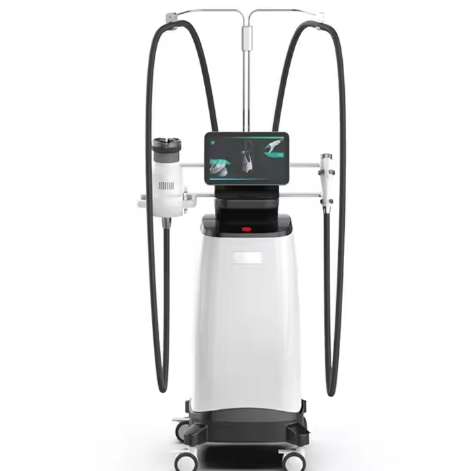
Factors to consider when choosing the right cavitation machine
Before making a decision, take the following factors into account:
Budget considerations
Set a budget that aligns with your investment goals and shop around for machines that fit within your price range. Remember, the price may vary depending on the k value and additional features offered by the machine.
When setting treatment goals and desired results for any kind of intervention, especially those involving machines with varying k values, it's essential to consider your individual needs and the specific areas you wish to target. Understanding these factors will help you tailor your treatment plan to achieve the most effective and satisfying outcomes. Here's a detailed expansion on this topic:
1. Identify Your Individual Needs:
Before setting treatment goals, take the time to reflect on your individual needs and motivations. What are you hoping to achieve through this treatment? Are you looking to reduce fat in specific areas of your body, improve skin texture, or address another concern? Knowing your personal goals will guide you in selecting the right treatment method and machine with the appropriate k value.
2. Assess Target Areas:
Once you've identified your individual needs, assess the specific areas you want to target. Different body parts may respond differently to treatment, and some may require more intense or specialized approaches. For example, stubborn fat deposits in the abdomen or thighs may require a higher k value for effective reduction, while finer areas like the face or neck may need a more gentle approach.
3. Understand the Role of k Values:
The k value, often associated with the intensity or effectiveness of a treatment, is a crucial factor to consider when selecting a machine. Different machines and treatments utilize varying k values, which can impact the results you achieve. Higher k values typically indicate a more intense treatment that may be better suited for stubborn fat reduction or deep tissue rejuvenation. Lower k values, on the other hand, may be gentler and more appropriate for sensitive areas or those requiring a more subtle approach.
4. Determine Your Desired Level of Fat Reduction:
When it comes to fat reduction, assess the level of change you hope to achieve. Are you looking for a subtle improvement or a more dramatic transformation? Your desired level of fat reduction will influence the choice of treatment and the k value required to achieve it. A higher k value may be necessary for significant fat reduction, while a lower one may suffice for more modest goals.
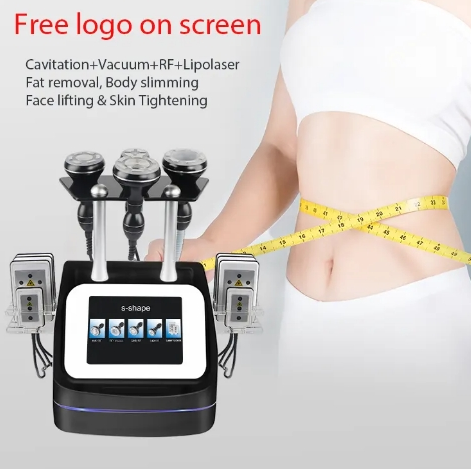
When considering the purchase or use of a machine for any purpose, evaluating its available space requirements and portability is crucial. These factors can significantly impact your decision-making process, especially if you have limited storage space or need to transport the machine from one location to another. Here's a detailed expansion on the importance of assessing the size and portability of a machine:
1. Size and Storage Requirements:
- Measuring Dimensions: First, take note of the machine's dimensions, including its height, width, and depth. Compare these measurements to the space you have available for storage. Will the machine fit comfortably in your designated area, or will it require rearranging or additional storage solutions?
- Storage Considerations: Consider not just the physical size of the machine but also any additional storage needs it may have, such as for accessories, cables, or power supplies. Ensure you have enough space to store these items as well.
- Future Needs: Think about your future needs and whether the machine's size will still be manageable if your storage space changes or you acquire additional equipment.
2. Portability:
- Mobility Requirements: If you require mobility or plan to provide treatments on-the-go, portability becomes a key consideration. Look for machines that are lightweight, easy to carry, and have handles or wheels for easy transportation.
- Compact Design: A compact design is essential for portability. A smaller, more streamlined machine is easier to transport and takes up less space when in use or in storage.
- Detachable Components: Some machines may have detachable components, such as batteries or controllers, which can further enhance their portability. These features can make it easier to pack and transport the machine without sacrificing functionality.
3. Impact on Treatment Experience:
- Ease of Use: The size and portability of a machine can also impact the overall treatment experience. A portable, compact machine may be easier to set up and operate, making treatments more efficient and convenient.
- Accessibility: If you're providing treatments to clients or patients, a portable machine can increase accessibility by allowing you to bring the treatment to them rather than requiring them to come to you.
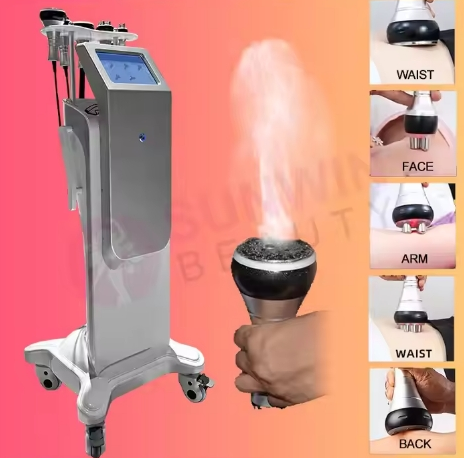
Research on different brands and models
Read reviews and gather information about different brands and models. Pay attention to customer feedback, expert opinions, and overall reliability to ensure you choose a reputable and trustworthy machine.
Reviews and recommendations
Seek recommendations from professionals or individuals who have experience with the machine. Their insights can provide valuable guidance in making an informed decision.
Choosing the right cavitation machine for you
Now that you have considered the key factors, it's time to choose the right cavitation machine for your needs:
1. Assess your specific needs and treatment preferences. Determine which k value aligns best with your desired treatment intensity.
2. Narrow down your options based on your budget and the desired treatment goals. Find machines that offer the features you require within your price range.
3. Read customer reviews and testimonials to gain insights into the effectiveness and reliability of the machine.
4. Consider seeking advice from beauty professionals or consultants who can provide expertise on selecting the right machine for your specific body contouring goals.
Conclusion
Choosing the right cavitation machine is crucial to achieving the desired body contouring results. Understanding the differences between 30k, 40k, and 80k cavitation machines allows you to make an informed decision based on your specific needs. Consider factors like your budget, treatment goals, available space, and customer reviews to choose the ideal machine for your body sculpting journey. Start your transformation today!