
Facelift or Not? Exploring Alternatives to Facial Rejuvenation
As we age, the signs of time start to appear on our faces, leading many to consider facelift surgery for effective facial rejuvenation. However, in recent years, the growing interest in non-surgical alternatives has sparked a debate - should you go for a facelift or explore other options? In this blog post, we will delve into the world of facial rejuvenation and consider the benefits and alternatives to facelifts.
What is a facelift?
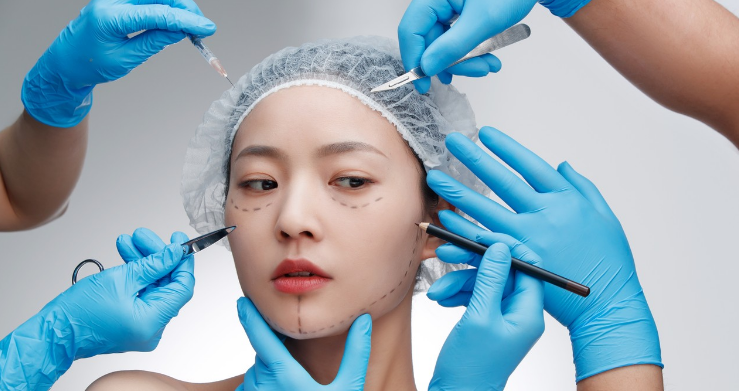
A facelift, technically known as rhytidectomy, is a surgical procedure that aims to reduce visible signs of aging in the face and neck. It involves tightening the skin, removing excess fat, and repositioning facial tissues to create a smoother, more youthful appearance. Facelift surgeries can address sagging skin, deep folds, jowls, and loose tissue.
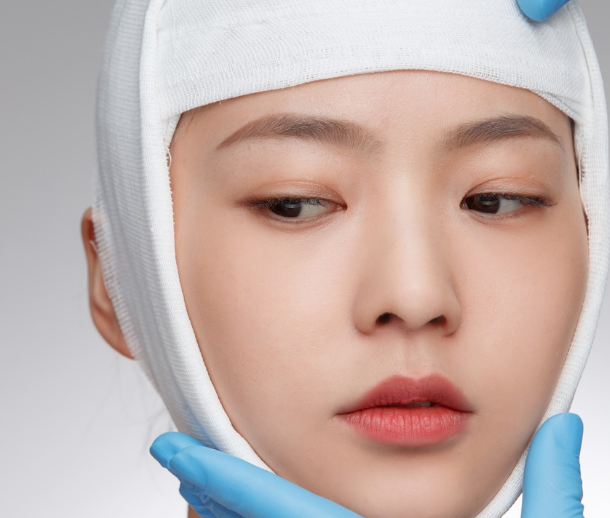
While a facelift can provide significant and long-lasting results, it is essential to understand the procedure's benefits and risks. The recovery time for a facelift varies, but typically it can take several weeks for the initial swelling and bruising to subside.
Common Alternatives to Facelifts
Fortunately, there are several non-surgical alternatives that provide facial rejuvenation without going under the knife. These options offer different levels of effectiveness and may be suitable for individuals at various stages of aging.
Botox and Dermal Fillers
Botox and Dermal Fillers: The Essentials
In the realm of facial rejuvenation treatments, Botox and dermal fillers have emerged as popular non-invasive options. Both procedures aim to reverse the visible signs of aging, but they do so in distinct ways.
Botox: Relaxing the Muscles
Botox, a brand name for the drug botulinum toxin, works by temporarily paralyzing the muscles in the treated area. When injected into facial muscles, it blocks the release of acetylcholine, a chemical that signals the muscles to contract. By relaxing these muscles, Botox helps smoothen out fine lines and wrinkles, particularly those caused by repeated facial expressions such as squinting or smiling.
The treatment itself is relatively quick, with injections taking only a few minutes. The recovery time is minimal, allowing patients to resume their daily activities almost immediately. However, it is important to note that the results of Botox are temporary, lasting for several months, depending on the individual.
Dermal Fillers: Adding Volume
Dermal fillers, on the other hand, work by restoring volume to areas of the face that have lost elasticity and fullness due to aging. Commonly used fillers include hyaluronic acid, collagen, and calcium hydroxylapatite. These substances are injected into the skin, filling in wrinkles, plumping up lips, and enhancing facial contours.
Dermal filler treatments are also minimally invasive, with most sessions lasting around 30 minutes to an hour. Recovery time is short, and patients can expect to see immediate results. However, like Botox, the effects of dermal fillers are temporary and will require periodic maintenance treatments to maintain the desired appearance.
Potential Side Effects
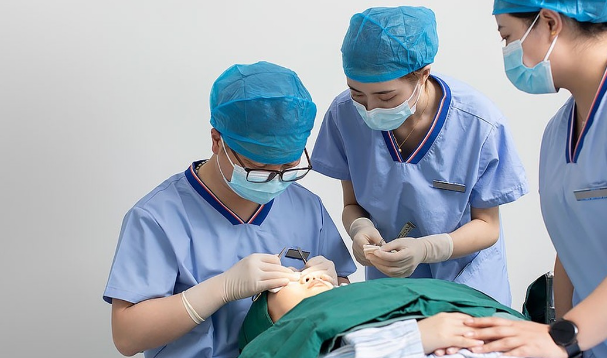
While both Botox and dermal fillers are generally safe and effective, it is important to be aware of potential side effects. Common side effects include bruising, swelling, and temporary muscle weakness in the treated area. These side effects are typically minor and resolve within a few days to a week. However, it is essential to consult with a qualified medical professional to ensure that you are an appropriate candidate for these treatments and to discuss any specific concerns you may have.
Laser Resurfacing
Laser Resurfacing: A Non-Surgical Solution for Youthful Skin
Laser resurfacing is an advanced non-surgical procedure that effectively addresses a range of skin concerns, including wrinkles, fine lines, and uneven skin tone. This innovative treatment utilizes laser technology to transform the appearance of the skin, revealing a smoother, younger-looking complexion.
The Process of Laser Resurfacing
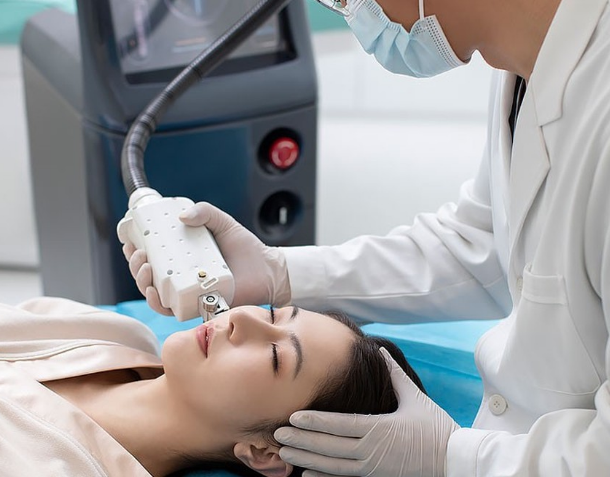
During laser resurfacing, a laser device is used to emit targeted beams of light onto the skin. The laser energy penetrates the skin's outer layers, removing damaged cells and stimulating the production of collagen. Collagen is a protein that plays a crucial role in maintaining the skin's elasticity and firmness. As the laser treatment progresses, it reveals a new layer of skin that is smoother, firmer, and more youthful-looking.
Effectiveness and Limitations
Laser resurfacing is a highly effective treatment for addressing wrinkles, fine lines, and uneven skin tone. It can provide significant improvement in the skin's appearance, often resulting in a more youthful and refreshed look. However, it is important to note that laser resurfacing may not provide the same level of results as a facelift for individuals with severe skin laxity or deep wrinkles. In such cases, surgical options may be more suitable.
Potential Side Effects
As with any medical procedure, it is essential to be aware of the potential side effects of laser resurfacing. Common side effects include redness, swelling, and temporary sensitivity to sunlight. These side effects are typically temporary and resolve within a few days to a week. However, it is important to follow the post-treatment instructions provided by your medical professional to ensure proper healing and minimize any discomfort.
Conclusion
Laser resurfacing is a non-surgical option that can help address wrinkles, fine lines, and uneven skin tone. It utilizes laser technology to remove damaged skin cells and stimulate collagen production, revealing a smoother, younger-looking complexion. While it may not provide the same level of results as a facelift in severe cases, laser resurfacing is an effective treatment for those seeking a non-surgical solution to rejuvenate their skin.
Microneedling and Chemical Peels
Microneedling and Chemical Peels: Non-Surgical Skin Rejuvenation Treatments
Microneedling and chemical peels are two popular non-surgical skin rejuvenation treatments that work wonders on a range of skin concerns. From fine lines to acne scars, these treatments aim to restore the skin's youthful appearance through collagen induction and exfoliation.
Microneedling: A Closer Look
Microneedling, also known as collagen induction therapy, involves the use of tiny needles to create micro-punctures in the skin. These punctures trigger the skin's natural healing response, stimulating the production of collagen and elastin. Collagen is a protein that helps maintain the skin's structure and elasticity, while elastin contributes to the skin's flexibility.
During the microneedling procedure, a device with fine needles is rolled or stamped over the skin. The needles penetrate the skin's surface, creating tiny wounds that are invisible to the naked eye. These wounds trigger the release of growth factors and cytokines, which stimulate the production of new collagen and elastin fibers.
The results of microneedling are gradual and cumulative. While you may notice some improvement after a single session, optimal results are typically achieved after multiple treatments spaced several weeks apart. The number of sessions required depends on the severity of your skin concerns and your individual response to the treatment.

Chemical Peels: Unveiling a New Layer of Skin
Chemical peels, on the other hand, work by utilizing specially formulated solutions to remove the outermost layers of skin. This process, known as exfoliation, reveals a fresher, smoother layer of skin beneath.
During a chemical peel, a chemical solution is applied to the skin and left on for a specific period of time. The solution penetrates the skin, breaking down the bonds between dead skin cells. As the solution is neutralized or rinsed off, the dead skin cells are removed, revealing a new layer of skin that is smoother, brighter, and more evenly toned.
The type of chemical peel used depends on the severity of your skin concerns and your skin type. Lighter peels use milder acids and penetrate only the superficial layers of skin, while deeper peels use stronger acids and penetrate deeper into the skin. The depth of the peel determines the intensity of the results and the length of the recovery period.
Improving Skin Concerns with Microneedling and Chemical Peels
Both microneedling and chemical peels can effectively improve the appearance of various skin concerns, including fine lines, acne scars, sun damage, and uneven skin tone. However, it's important to note that these treatments may not provide the same level of dramatic results as a surgical facelift. While they can significantly improve the appearance of skin, they are not intended to replace surgical procedures for severe skin laxity or deep wrinkles.
Potential Risks and Considerations
As with any medical procedure, there are some potential risks and considerations associated with microneedling and chemical peels. These include redness, irritation, and mild discomfort during the recovery period. The degree of these side effects depends on the individual's skin type and sensitivity. It's essential to discuss these risks with your medical professional before undergoing any treatment.
In conclusion, microneedling and chemical peels are two effective non-surgical skin rejuvenation treatments that can improve the appearance of various skin concerns. While they may not provide the same dramatic results as a facelift, they are safe, minimally invasive procedures that can help restore the skin's youthful appearance.
Natural Approaches to Facial Rejuvenation
When seeking to restore a youthful appearance, many individuals immediately turn to surgical options such as a facelift. However, there are also numerous natural approaches to facial rejuvenation that can be highly effective and worth considering.
Lifestyle Changes for a Youthful Glow
One of the most impactful ways to maintain a youthful appearance is through lifestyle changes. A balanced diet rich in antioxidants can do wonders for your skin. Antioxidants help protect skin cells from damage caused by free radicals, which are unstable molecules that can contribute to aging. Foods like blueberries, spinach, and nuts are excellent sources of antioxidants.
Regular exercise is also crucial for maintaining skin health. Exercise improves blood circulation, which ensures that essential nutrients and oxygen are delivered to the skin cells. This can help keep the skin looking vibrant and youthful.
Moreover, establishing a proper skincare routine is essential. Regularly moisturizing the skin helps keep it hydrated and supple. Additionally, applying sunscreen every day can protect the skin from harmful UV rays that can cause premature aging.
Harnessing the Power of Herbs and Supplements
Many herbs and supplements have gained popularity due to their potential anti-aging benefits. Green tea, for instance, is rich in antioxidants and can help reduce inflammation and protect skin cells. Collagen peptides are protein fragments that can stimulate collagen production in the skin, leading to improved elasticity and a smoother appearance. Omega-3 fatty acids, found in fish and some plant sources, are essential for maintaining skin health and reducing inflammation.
While scientific evidence supporting the effectiveness of these herbs and supplements for facial rejuvenation is still limited, many individuals choose to incorporate them into their routine after consulting with a healthcare professional.
Facial Exercises and Massage for a More Youthful Look
Facial exercises and massage techniques are another natural way to tone and lift facial muscles, giving you a more youthful appearance. Regularly performing targeted exercises, such as cheek raises and lip purses, can help strengthen facial muscles and improve their tone. Additionally, massaging the face using circular motions can stimulate blood flow, promoting collagen production and reducing puffiness.
It is important to note that consistency and patience are key when adopting these natural approaches to facial rejuvenation. Results may not be immediate, but with regular practice, you can expect to see gradual improvements in the appearance and texture of your skin.
Conclusion
In conclusion, facial rejuvenation does not necessarily require surgery. Non-surgical alternatives and natural approaches offer viable options for individuals seeking to achieve a more youthful appearance. Simple lifestyle changes, herbal remedies and supplements, and facial exercises and massage techniques can all contribute to maintaining a youthful glow. Ultimately, the decision on which approach to choose should be based on individual needs, expectations, and consultations with professionals in the field.