Introduction
Healthy, radiant skin has become one of the most requested goals in modern aesthetic treatments. Today's clients are looking for procedures that improve skin quality without significant discomfort, downtime, or interruption to their daily routines. As a result, non-invasive technologies have rapidly become essential tools in professional beauty clinics, medical spas, and aesthetic centers.
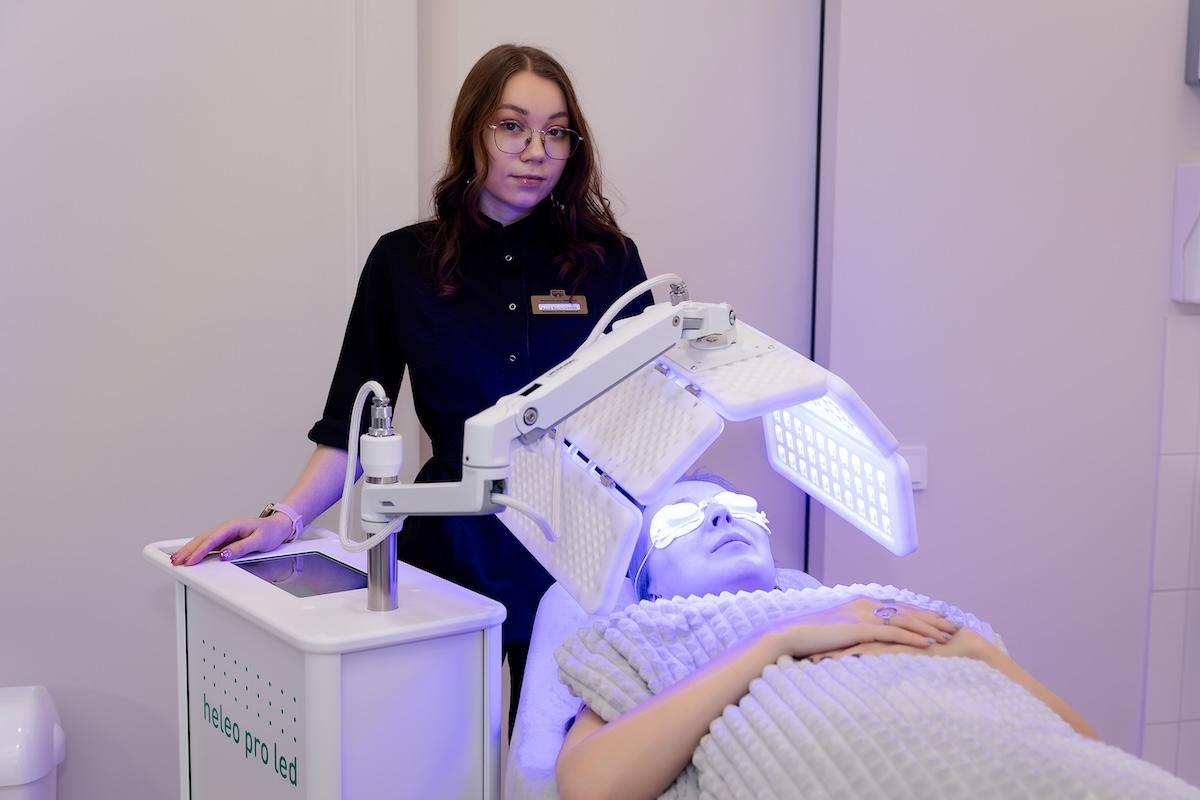
Among these innovations, LED Light Skin Therapy has earned a strong reputation for its safety, versatility, and compatibility with a wide range of facial and body treatments. Rather than relying on heat, injections, or aggressive resurfacing methods, LED therapy uses carefully selected wavelengths of visible and near-infrared light to support the skin's natural biological processes. This gentle approach allows practitioners to address multiple skin concerns while providing clients with a comfortable treatment experience.
What makes LED therapy particularly valuable is its flexibility. It can be performed as an independent treatment for clients seeking gradual skin improvement, or integrated into more comprehensive treatment protocols involving hydrafacial systems, radio frequency devices, microneedling, oxygen facial treatments, or post-laser recovery. This adaptability has made professional LED systems a standard addition to treatment rooms worldwide.
For beauty professionals, LED technology offers more than another treatment option—it provides a reliable way to increase treatment diversity, improve client satisfaction, and create customized skincare programs tailored to different skin conditions. Whether addressing acne-prone skin, signs of aging, inflammation, pigmentation, or post-procedure recovery, LED light therapy delivers consistent support without adding significant risk or downtime.
As consumer awareness of non-invasive skincare continues to grow, clinics are increasingly investing in professional-grade LED equipment that delivers higher energy output, broader wavelength options, and more precise treatment protocols than typical home-use devices. Understanding how this technology works—and why professional systems continue to outperform consumer alternatives—helps practitioners make informed decisions when expanding their treatment offerings.
Background: Why Light-Based Skin Therapy Is Growing in Popularity
The beauty industry has experienced a noticeable shift over the past decade. While invasive cosmetic procedures remain popular for certain indications, many consumers now prioritize treatments that fit easily into busy lifestyles while delivering visible, cumulative improvements. Clients increasingly value procedures that are comfortable, require little to no recovery time, and support long-term skin health instead of offering only temporary cosmetic changes.
Several factors have contributed to the growing demand for LED Light Skin Therapy.
First, modern consumers are becoming better educated about skin health. Rather than focusing solely on concealing imperfections with makeup or relying on harsh treatments, many now seek therapies that work alongside the skin's natural regenerative mechanisms. LED therapy aligns well with this trend because it stimulates cellular activity without causing intentional tissue damage.
Second, environmental stressors have become increasingly common. Daily exposure to ultraviolet radiation, pollution, blue light from digital devices, lack of sleep, and chronic stress can all contribute to premature aging, dullness, uneven pigmentation, and inflammation. Professional skincare providers need treatment options that can address these concerns gently while complementing comprehensive skincare programs.
Another driving factor is the increasing popularity of combination treatments. Instead of relying on a single technology, clinics now often develop multi-step protocols that combine cleansing, exfoliation, hydration, collagen stimulation, and recovery support within one treatment plan. LED therapy integrates seamlessly into these protocols because it can be used before, during, or after many professional procedures.
For example, practitioners may use LED therapy to:
- Calm sensitive skin after intensive facial treatments.
- Support recovery following microneedling procedures.
- Reduce temporary redness after laser treatments.
- Enhance hydration treatments.
- Improve overall treatment comfort.
- Complement anti-aging programs.
- Support acne management protocols.
Because the treatment is non-contact and generally comfortable for most skin types, practitioners can also recommend regular maintenance sessions, encouraging long-term client relationships and recurring appointments.
Understanding the Technology Behind LED Light Skin Therapy
LED stands for Light Emitting Diode, a semiconductor technology capable of producing specific wavelengths of light without generating excessive heat. Unlike ablative laser systems that intentionally remove or damage tissue to stimulate repair, LED devices work through a process known as photobiomodulation (PBM)—the interaction between light energy and living cells.
Photobiomodulation is based on a relatively straightforward principle. Different wavelengths of light penetrate the skin to varying depths, where they are absorbed by naturally occurring light-sensitive molecules inside cells. These molecules, often called chromophores, convert light energy into biological activity that supports normal cellular function.
One of the primary cellular targets is the mitochondria, frequently described as the "powerhouse" of the cell. When specific wavelengths reach mitochondrial enzymes, cellular energy production in the form of adenosine triphosphate (ATP) may increase. Higher ATP availability allows skin cells to perform their natural repair and regeneration processes more efficiently.
Rather than forcing dramatic structural changes, LED therapy encourages the skin to optimize its existing biological functions. This explains why results typically develop gradually over multiple sessions instead of appearing immediately after one treatment.
Different wavelengths produce different therapeutic effects because they penetrate to different tissue depths and interact with various biological targets. Professional LED systems therefore incorporate multiple light colors, allowing practitioners to tailor treatments according to individual skin concerns.
Blue Light: Supporting Clearer Skin
Blue light, typically around 415 nm, primarily affects the upper layers of the skin. It is widely used in professional acne treatment protocols because it targets bacteria associated with acne development.
Certain acne-causing bacteria naturally produce compounds called porphyrins. When exposed to blue light, these compounds generate reactive oxygen species that help reduce bacterial populations without relying solely on topical or oral medications.
Professional practitioners frequently combine blue light therapy with deep cleansing procedures, hydrodermabrasion, or gentle exfoliation to create comprehensive acne-management programs. This integrated approach can help reduce breakouts while minimizing irritation often associated with aggressive chemical treatments.
Beyond bacterial control, blue light may also contribute to reducing excess oil production in some clients, making it suitable for individuals with oily or combination skin.
Red Light: Encouraging Collagen Production
Red light, generally ranging from 630–660 nm, penetrates deeper into the dermis than blue light and is primarily associated with skin rejuvenation.
As skin naturally ages, collagen and elastin production gradually decline, leading to reduced firmness, fine lines, and visible wrinkles. Red light therapy supports fibroblast activity—the cells responsible for producing these essential structural proteins.
Although LED therapy does not replace more intensive collagen-remodeling technologies such as radio frequency or focused ultrasound, it serves as an excellent complementary treatment. Regular sessions may help improve skin texture, elasticity, and overall radiance while supporting long-term skin maintenance.
Many professional clinics include red light therapy after anti-aging facial treatments to maximize client comfort and reinforce comprehensive skin rejuvenation programs
Technology and Mechanism (Continued)
Near-Infrared Light: Supporting Deeper Tissue Recovery
While red light is widely recognized for skin rejuvenation, near-infrared (NIR) light, typically ranging from 810–850 nm, penetrates even deeper into the skin and underlying soft tissue. Because this wavelength is invisible to the human eye, clients may not notice the light itself, but its biological effects can be significant.
Near-infrared light is frequently incorporated into professional LED systems because it supports tissue repair beyond the superficial skin layers. Research suggests that NIR light can enhance cellular metabolism, improve microcirculation, and encourage natural recovery processes. For aesthetic practitioners, this makes it particularly valuable after treatments that intentionally stimulate the skin, such as:
- Microneedling
- Radio frequency skin tightening
- Fractional laser procedures
- Chemical peels
- High-intensity facial treatments
Rather than replacing these technologies, near-infrared light complements them by creating an environment that supports more comfortable recovery. Many clinics schedule LED sessions immediately after advanced treatments to help minimize temporary redness while promoting a healthier healing response.
Clients often appreciate this addition because it adds comfort without increasing treatment time significantly, making it an efficient enhancement to existing protocols.
Green Light: Addressing Uneven Skin Tone
Uneven pigmentation is another common concern among aesthetic clients. Sun exposure, hormonal fluctuations, inflammation, and aging can all contribute to visible discoloration and an uneven complexion.
Green light, commonly around 520–540 nm, is frequently used as part of pigmentation-focused treatment programs. Although LED light alone is not intended to remove deep pigmentation in the way that certain laser systems can, green wavelengths may help support a more balanced skin appearance when incorporated into long-term skincare plans.
Professional practitioners often recommend green light therapy for clients experiencing:
- Mild pigmentation irregularities
- Uneven skin tone
- Dull complexion
- Early sun damage
- Post-inflammatory discoloration
Combined with professional skincare products, sun protection, and other non-invasive technologies, green light therapy contributes to gradual skin brightening while maintaining excellent treatment comfort.
Yellow Light: Calming Sensitive Skin
Yellow or amber light generally falls within the 580–600 nm range and is widely appreciated for its soothing properties.
Sensitive skin has become increasingly common due to environmental pollution, excessive exfoliation, stress, and overuse of active skincare ingredients. Many clients visit professional clinics with redness, irritation, or compromised skin barriers rather than severe cosmetic concerns.
Yellow light is often selected to support these individuals because it may help improve circulation while promoting a calmer skin appearance.
Beauty professionals frequently include yellow light in treatments for:
- Sensitive skin
- Mild redness
- Dry skin
- Rosacea-prone complexions (where appropriate)
- Post-treatment calming
- Maintenance facial programs
Because it produces virtually no discomfort, yellow light is suitable for clients who are hesitant about more intensive aesthetic procedures but still wish to improve overall skin quality.
Multi-Wavelength Therapy: A Personalized Treatment Approach
One of the greatest strengths of modern professional LED devices is their ability to combine multiple wavelengths within a single treatment plan.
Few clients present with only one skin concern. For example, an individual may simultaneously experience acne, post-inflammatory pigmentation, early wrinkles, and dehydration. A professional practitioner can adjust LED protocols to address these concerns in a logical sequence rather than relying on a one-size-fits-all approach.
A customized treatment program might include:
- Blue light to support acne management.
- Red light to encourage collagen production.
- Near-infrared light for recovery support.
- Green light to improve skin tone.
- Yellow light to calm temporary redness.
This level of customization allows clinics to deliver more comprehensive care while creating personalized treatment experiences that increase client confidence and satisfaction.
Advantages of Professional LED Light Therapy
Although LED technology has become widely available through home-use beauty masks and handheld devices, professional systems continue to offer substantial advantages in clinical environments.
Higher Energy Output
Professional LED equipment is engineered to deliver more consistent irradiance and energy density across the treatment area. This allows practitioners to achieve reliable treatment parameters while maintaining patient comfort.
Home-use products, by comparison, are intentionally designed with lower output to maximize consumer safety. While suitable for maintenance, they often require significantly more sessions to produce noticeable improvements.
Better Treatment Coverage
Professional systems typically feature larger treatment panels or flexible multi-panel designs that provide uniform light distribution across the entire face, neck, or body.
Uniform exposure helps ensure that every treatment area receives consistent energy, reducing the risk of uneven results.
Multiple Clinical Protocols
Unlike many consumer devices that offer only a few preset options, professional LED machines often include programmable treatment modes based on:
- Skin condition
- Client age
- Treatment goals
- Combination procedures
- Session duration
- Wavelength selection
This flexibility allows practitioners to tailor treatments more precisely for individual clients.
Integration with Other Aesthetic Technologies
Professional LED therapy is rarely used in isolation.
Instead, it functions as an important component within comprehensive treatment programs that may also include:
- Hydro facial systems
- Radio frequency devices
- Oxygen infusion treatments
- Skin analyzers
- Ultrasound technologies
- Microneedling systems
- Facial massage equipment
Because LED therapy is gentle and non-invasive, it fits naturally before or after many procedures without disrupting treatment schedules.
Greater Client Confidence
Clients often associate professional equipment with higher standards of hygiene, performance, and practitioner expertise.
When LED therapy is delivered as part of a professionally designed treatment plan—including skin analysis, consultation, customized protocols, and follow-up care—it becomes more than simply exposing the skin to colored light. It becomes an integrated clinical service focused on achieving measurable improvements over time.
Applications: Meeting Diverse Client Needs
The versatility of LED Light Skin Therapy makes it suitable for a wide variety of aesthetic practices.
Anti-Aging Programs
Clients concerned about fine lines, reduced elasticity, and dull skin often benefit from regular LED sessions combined with collagen-stimulating treatments.
Professional clinics commonly incorporate red and near-infrared light into ongoing skin maintenance programs to support healthier-looking skin over time.
Acne Management
For teenagers and adults experiencing acne, blue light therapy provides a gentle option that can complement professional cleansing treatments, topical skincare products, and physician-guided acne management strategies.
Regular maintenance sessions may also help reduce recurrence while improving overall skin clarity.
Post-Treatment Recovery
Many advanced aesthetic procedures temporarily leave the skin red or sensitive.
LED therapy is frequently used following treatments such as:
- Microneedling
- Fractional laser resurfacing
- Chemical peels
- Radio frequency
- Ultrasound skin tightening
Its soothing nature makes it an excellent finishing step in many professional treatment protocols.
Sensitive Skin Care
Not every client seeks dramatic transformation. Many simply want healthier, stronger, more comfortable skin.
For these individuals, gentle LED sessions can become part of routine facial treatments designed to support skin barrier function and overall skin wellness.
Preventive Skin Maintenance
Preventive skincare continues to gain popularity among younger consumers who wish to delay visible signs of aging before they become pronounced.
Routine LED treatments, combined with proper skincare and sun protection, allow clinics to offer long-term maintenance programs that encourage repeat visits while helping clients maintain healthy, radiant skin
Conclusion
LED Light Skin Therapy has become far more than a passing trend in aesthetic skincare. As scientific understanding of photobiomodulation continues to evolve, professional LED systems are increasingly recognized as valuable tools for supporting skin health, enhancing treatment outcomes, and improving the overall client experience.
Unlike aggressive procedures that rely on controlled tissue damage, LED therapy works by encouraging the skin's natural biological functions. This gentle mechanism makes it suitable for a broad range of clients and allows practitioners to incorporate it into treatment plans with minimal downtime and excellent versatility. Whether the goal is to address acne, improve skin texture, calm irritation, support post-procedure recovery, or promote long-term skin maintenance, LED technology offers a practical and evidence-informed solution.
For professional beauty clinics and aesthetic practices, the true strength of LED therapy lies in its adaptability. It can serve as a standalone treatment, a complementary therapy following advanced procedures, or an essential component of comprehensive facial protocols. Combined with technologies such as radio frequency, hydrodermabrasion, microneedling, skin analysis, and oxygen infusion, LED therapy helps practitioners create personalized treatment programs that address multiple skin concerns within a single client journey.
As demand for non-invasive aesthetic treatments continues to grow worldwide, investing in professional-grade LED equipment allows clinics to expand their service portfolio while meeting clients' expectations for safe, comfortable, and effective skincare solutions. Compared with home-use devices, professional systems provide higher optical output, more precise wavelength control, larger treatment coverage, and customizable clinical protocols, enabling practitioners to deliver more consistent and predictable results.
Ultimately, healthy, radiant skin is rarely achieved through a single treatment. Instead, it is the result of consistent care, professional expertise, and technologies that work in harmony with the body's natural regenerative processes. LED Light Skin Therapy exemplifies this philosophy, making it a valuable addition to modern aesthetic practices committed to delivering long-term skin wellness rather than short-term cosmetic changes
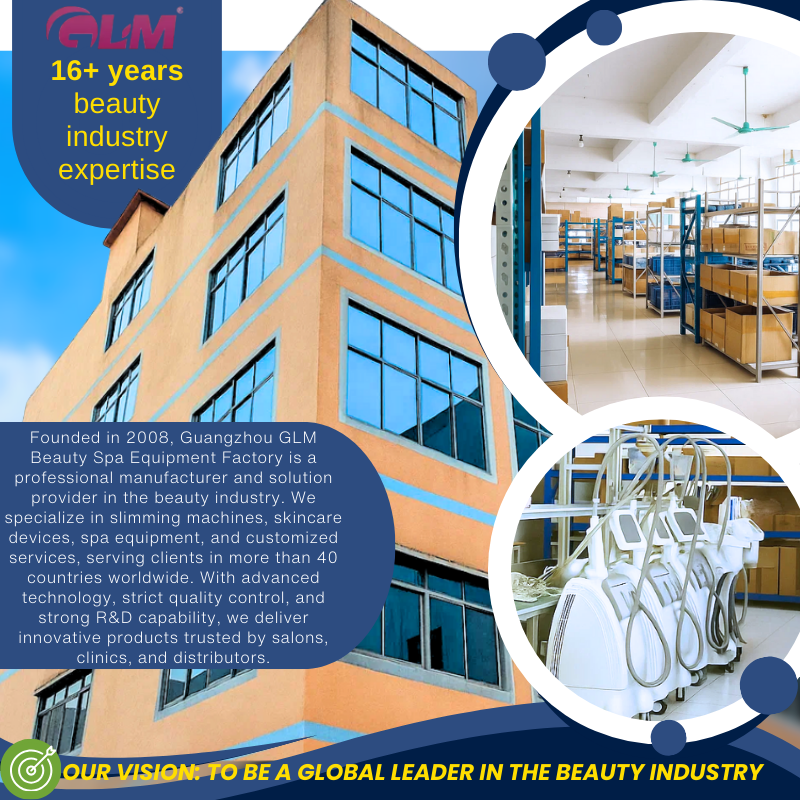
Founded in 2008, Guangzhou GLM Beauty Spa Equipment Factory specializes in research, development, manufacture and selling of beauty and slimming machines. Our production base is located in Guangzhou City, Guangdong Province, China. Since our foundation, we have introduced advanced technologies and equipment, to assure high quality and high performance of our products. With professional marketing guide and excellent after-sales service, our products have been exported to over 20 countries and regions, including Southeast Asia, the Middle East, Europe and the United States, won worldwide praises and gained a good reputation