Introduction
In today’s rapidly evolving aesthetic industry, both clients and practitioners are faced with an expanding range of anti-aging solutions. Among the most discussed options are High-Intensity Focused Ultrasound (HIFU) treatments and traditional surgical facelifts. While both aim to address skin laxity, wrinkles, and facial contouring, they differ significantly in mechanism, application, and clinical outcomes.
For professional aesthetic clinics and medical spas, understanding the distinction between these two approaches is essential—not only to guide treatment planning but also to position advanced aesthetic devices as a core offering in a competitive market. This article explores the key differences between HIFU and facelifts from a professional, device-oriented perspective, helping clinics align treatments with client expectations.
Background / Problem: The Growing Demand for Lifting Solutions
Skin aging is driven by multiple factors, including collagen degradation, reduced elastin production, and the gradual descent of facial fat pads. Clinically, this results in:
- Sagging jawlines and cheeks
- Deep nasolabial folds
- Drooping eyebrows and eyelids
- Loss of skin firmness and elasticity
Traditionally, surgical facelifts have been the gold standard for correcting these concerns. However, modern consumers are increasingly seeking:
- Non-invasive treatments
- Minimal downtime
- Natural-looking results
- Lower risk procedures
This shift has driven the rapid adoption of energy-based aesthetic devices, particularly HIFU systems, in professional clinics.
Technology / Mechanism
How HIFU Works in Clinical Practice
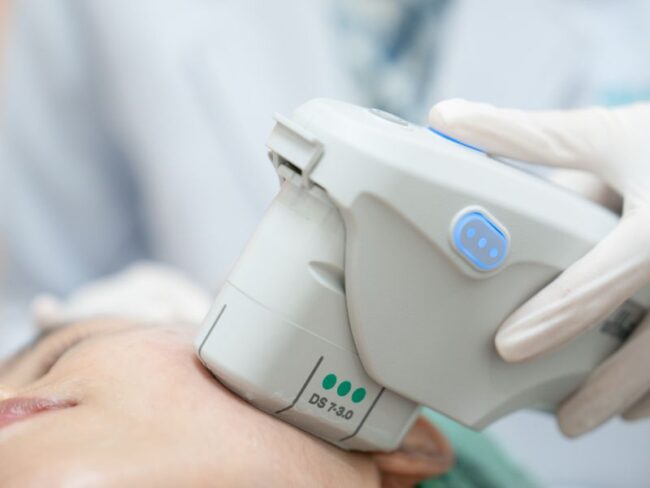
High-Intensity Focused Ultrasound (HIFU) is a non-invasive technology that delivers focused ultrasound energy into the deeper layers of the skin, including the SMAS (Superficial Musculoaponeurotic System)—the same layer targeted during surgical facelifts.
Key technical features include:
- Precise depth control (1.5mm, 3.0mm, 4.5mm cartridges)
- Thermal coagulation points (~60–70°C)
- Stimulation of collagen regeneration
In a clinical setting, professional HIFU devices allow practitioners to customize treatment parameters based on:
- Skin thickness
- Treatment area
- Desired lifting intensity
This level of control is significantly more advanced than home-use devices, which typically lack sufficient energy output and depth precision.
How a Surgical Facelift Works
A surgical facelift involves:
- Incisions around the hairline and ears
- Lifting and repositioning underlying tissues
- Removal of excess skin
- Tightening of facial structures
This procedure directly repositions tissues rather than stimulating biological regeneration. While highly effective, it requires:
- Operating room conditions
- Anesthesia
- Extended recovery time
Advantages / Comparison
1. Invasiveness and Safety
- HIFU: Non-invasive, no incisions, minimal risk
- Facelift: Invasive surgery with associated surgical risks
From a clinic perspective, HIFU devices provide a safer entry point for clients who are hesitant about surgery.
2. Downtime and Recovery
- HIFU: No downtime; clients can resume daily activities immediately
- Facelift: 2–4 weeks of recovery, including swelling and bruising
This makes HIFU particularly attractive for working professionals and younger clients.
3. Results and Longevity
- HIFU: Gradual results over 2–3 months due to collagen remodeling
- Facelift: Immediate and dramatic results
However, professional HIFU systems can deliver noticeable lifting effects, especially when used in treatment courses or combined protocols.
4. Treatment Experience in Clinics
HIFU treatments:
- Require skilled operation and anatomical understanding
- Allow customizable protocols
- Can be integrated with other technologies (RF, laser, etc.)
Facelifts:
- Require surgical expertise
- Are typically performed in hospitals or specialized clinics
This positions HIFU devices as versatile tools within aesthetic clinics, rather than single-procedure solutions.
5. Cost and Accessibility
- HIFU: Lower cost per session, accessible to a wider client base
- Facelift: High upfront surgical cost
For clinics, this means HIFU treatments can generate recurring revenue through treatment packages.
Applications / Client Needs
Ideal Candidates for HIFU in Clinics
HIFU is particularly suitable for:
- Clients aged 30–55 with mild to moderate skin laxity
- Preventative anti-aging treatments
- Clients seeking non-surgical lifting
- Maintenance after surgical procedures
In professional settings, HIFU devices are often used for:
- Full-face lifting
- Jawline contouring
- Neck tightening
- Brow lifting
When Facelift Is More Suitable
Surgical facelifts are better suited for:
- Severe skin sagging
- Significant structural aging
- Clients seeking dramatic, long-term changes
However, even in these cases, HIFU can play a complementary role:
- Pre-treatment to improve skin quality
- Post-surgery maintenance
The Role of Professional Devices in Clinics
Compared to home-use devices, clinical HIFU systems offer:
- Higher energy output
- Greater penetration depth
- More precise targeting
- Consistent and reliable results
This reinforces the importance of professional equipment in delivering safe and effective outcomes.
Conclusion
HIFU and surgical facelifts are not competing technologies—they are complementary solutions within modern aesthetic medicine. While facelifts remain the gold standard for severe aging, HIFU has established itself as a cornerstone technology for non-invasive lifting treatments.
For aesthetic clinics and device providers, the value of HIFU lies in its ability to:
- Meet growing demand for non-surgical procedures
- Deliver clinically proven lifting effects
- Expand treatment portfolios with minimal risk
As client preferences continue to shift toward safer, more convenient options, advanced HIFU devices will play an increasingly central role in professional aesthetic practices.
GLM beauty
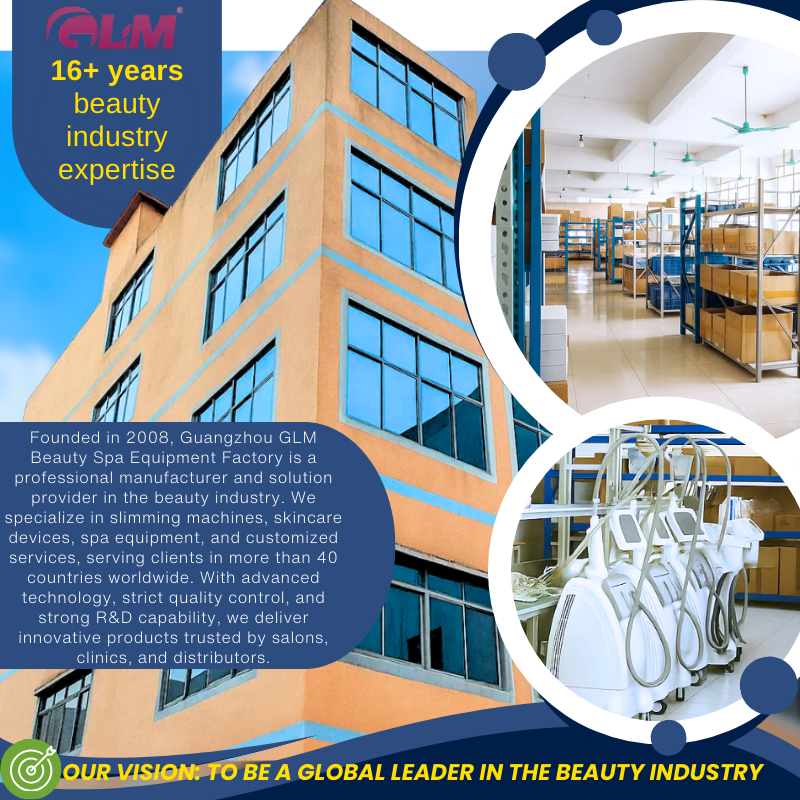
Founded in 2008, Guangzhou GLM Beauty Spa Equipment Factory specializes in research, development, manufacture and selling of beauty and slimming machines. Our production base is located in Guangzhou City, Guangdong Province, China. Since our foundation, we have introduced advanced technologies and equipment, to assure high quality and high performance of our products. With professional marketing guide and excellent after-sales service, our products have been exported to over 20 countries and regions, including Southeast Asia, the Middle East, Europe and the United States, won worldwide praises and gained a good reputation.