
Introduction
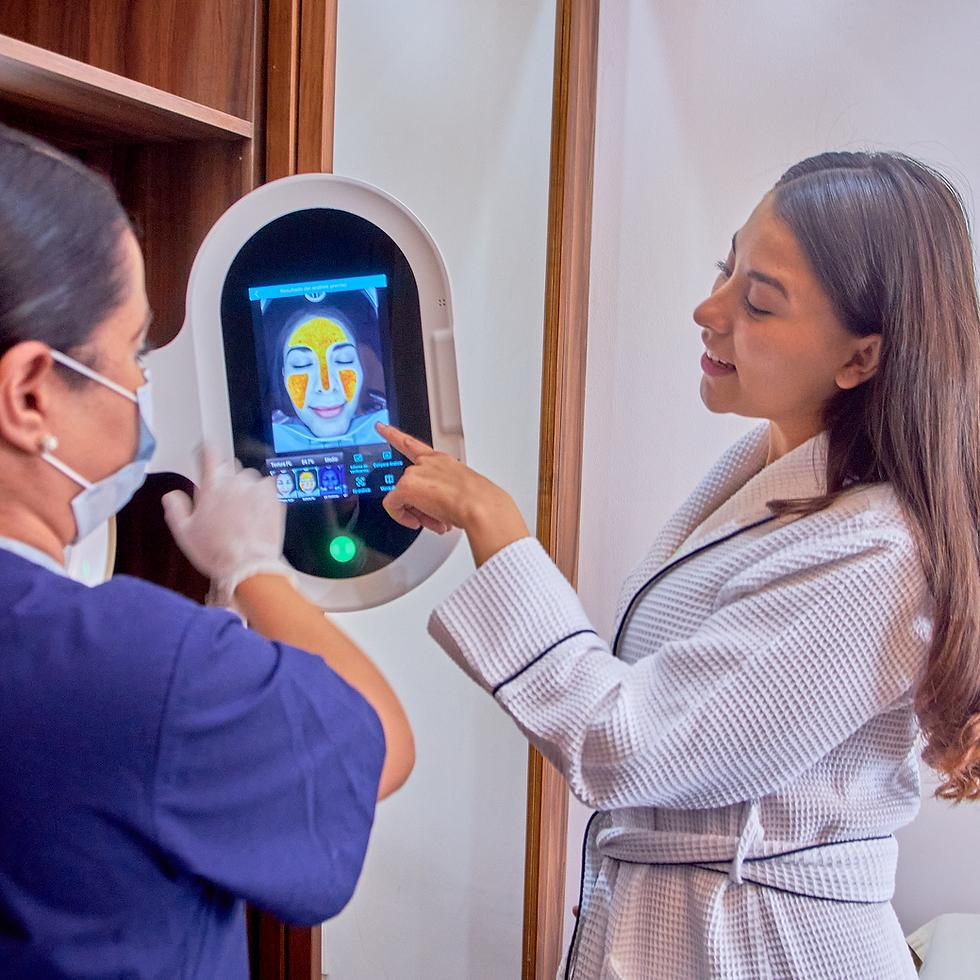
Artificial intelligence (AI) is rapidly reshaping industries worldwide, and the aesthetics sector is no exception. Once considered a futuristic concept, AI has become a practical tool that enhances consultation, treatment planning, device operation, and post-treatment care. From intelligent skin analysis to predictive treatment recommendations, AI is helping aesthetic clinics deliver more personalized, efficient, and consistent services than ever before.
As client expectations continue to rise, modern aesthetic businesses are under increasing pressure to provide measurable results while maintaining safety and operational efficiency. Clients today expect customized treatment plans rather than one-size-fits-all procedures. They also seek visible improvements with minimal downtime, making technology-driven solutions more valuable than ever.
Professional aesthetic equipment manufacturers are responding to these demands by integrating AI-assisted features into advanced beauty devices. While energy-based technologies such as Radio Frequency (RF), HIFU, IPL, diode laser, cryotherapy, and hydradermabrasion remain the foundation of professional treatments, AI is becoming the intelligent layer that maximizes their performance.
Rather than replacing experienced practitioners, AI serves as a powerful assistant. It analyzes data, supports clinical decisions, standardizes treatment parameters, and helps practitioners deliver treatments with greater confidence and precision.
For clinics, this means higher operational efficiency and improved client satisfaction. For clients, it means treatments that are increasingly tailored to their unique skin conditions and aesthetic goals.
Background: Why Traditional Treatment Planning Is No Longer Enough
The aesthetic industry has evolved dramatically over the past decade. Today's clients are better informed, more selective, and often arrive at clinics after researching treatments online or comparing results on social media. As a result, they expect highly personalized care supported by objective data rather than subjective recommendations alone.
However, traditional consultation methods still rely heavily on visual observation and practitioner experience.
Although experienced professionals can accurately assess many skin concerns, certain conditions remain difficult to evaluate consistently, including:
- Early pigmentation beneath the skin surface
- Mild vascular conditions
- Hidden UV damage
- Skin hydration imbalance
- Elasticity loss before visible sagging
- Enlarged pores that vary under different lighting
- Early collagen degradation
These subtle indicators may be overlooked during conventional consultations, leading to generalized treatment plans that may not fully address individual client needs.
Another challenge is treatment consistency.
Even when using advanced aesthetic equipment, treatment parameters often vary between practitioners depending on their experience level. Factors such as energy settings, treatment duration, pulse frequency, and protocol selection may differ from one operator to another.
This variation can influence:
- Treatment efficiency
- Client comfort
- Recovery time
- Long-term treatment outcomes
- Client satisfaction
As aesthetic clinics expand and operate with multiple practitioners, maintaining standardized treatment quality becomes increasingly important.
This is precisely where AI begins to create significant value—not by replacing professional expertise, but by supporting it with objective analysis and intelligent decision-making.
How AI Enhances Professional Skin Analysis
One of the earliest and most successful applications of AI in aesthetics is intelligent skin assessment.
Modern AI-powered skin analysis systems combine multiple technologies, including:
- High-resolution imaging
- UV photography
- Polarized light analysis
- 3D facial mapping
- Machine learning algorithms
Together, these technologies generate a comprehensive evaluation of skin health in just a few seconds.
Instead of relying solely on what can be seen with the naked eye, AI can identify dozens of skin parameters simultaneously, such as:
- Wrinkle depth
- Skin texture
- Pigmentation distribution
- Pore size
- Sebum levels
- Redness
- Hydration
- Acne severity
- Skin sensitivity
- UV damage
- Estimated biological skin age
This data provides practitioners with a more objective understanding of the client's condition before any treatment begins
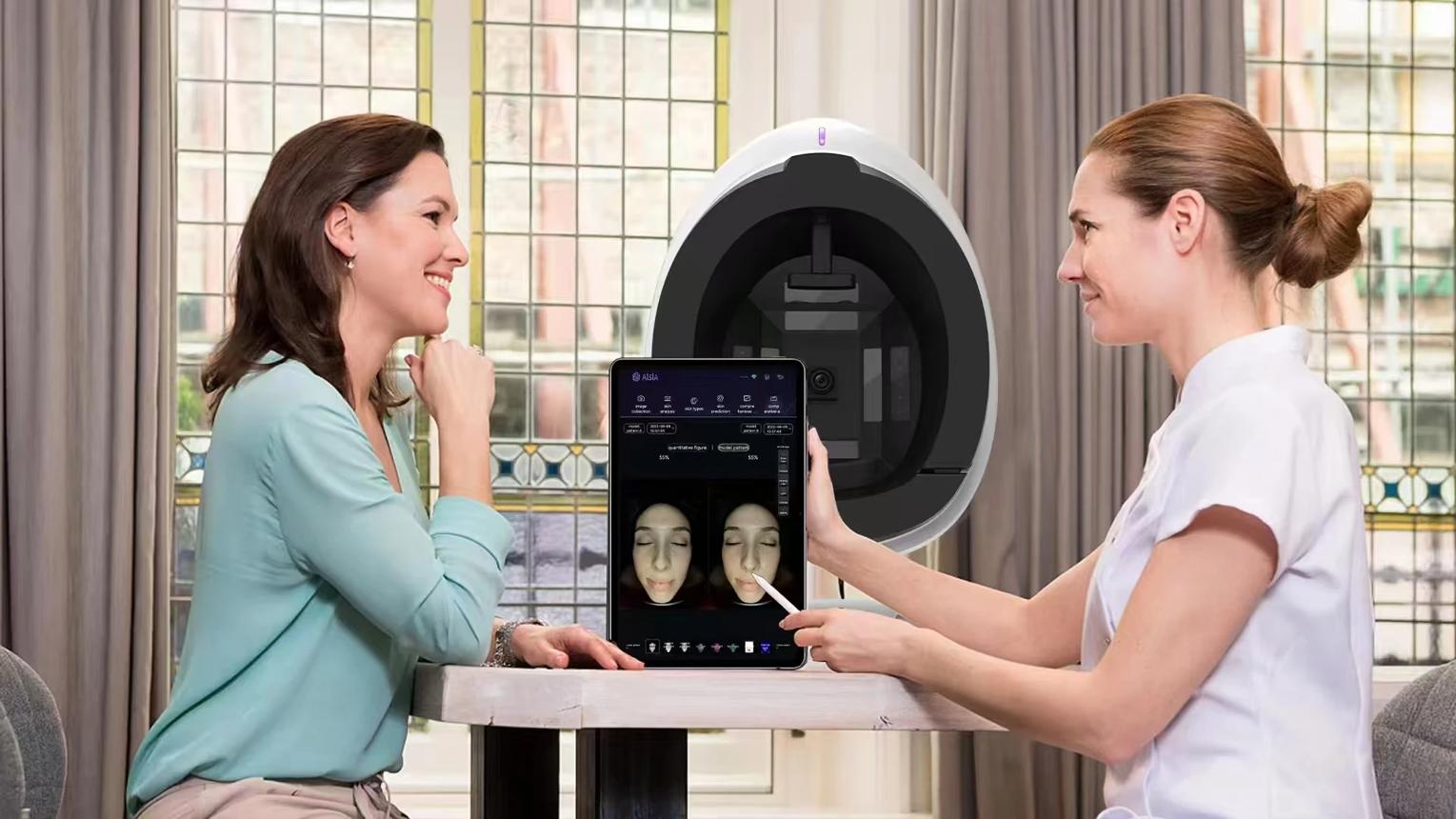
AI-powered skin analysis systems provide detailed, data-driven assessments that support personalized treatment planning in professional aesthetic clinics
Rather than simply generating a skin report, advanced AI platforms can also compare the client's condition against extensive databases containing thousands—or even millions—of facial images and treatment records.
Using pattern recognition, AI identifies trends that may not be immediately apparent to the human eye. For example, it can estimate the likelihood of future wrinkle development, detect early pigmentation changes before they become visible, or identify areas where collagen loss is beginning to affect skin firmness.
These insights enable practitioners to intervene earlier, helping clients maintain healthier skin over the long term rather than addressing concerns only after they become more pronounced.
AI-generated reports also improve communication during consultations. Visual charts, facial maps, and measurable indicators make it easier for clients to understand their skin condition and the rationale behind a recommended treatment plan. This data-driven approach can increase confidence in professional recommendations and support more informed decision-making.
AI-Assisted Treatment Planning
Accurate diagnosis is only the first step. The next challenge is selecting the most appropriate treatment protocol.
This is where AI extends its value beyond analysis.
Instead of relying solely on standardized protocols, AI-assisted systems can evaluate multiple variables simultaneously, including:
- Skin type
- Age
- Fitzpatrick skin classification
- Primary aesthetic concerns
- Treatment history
- Recovery expectations
- Seasonal environmental factors
- Lifestyle habits that may influence skin condition
By integrating these data points, AI can recommend personalized treatment strategies that align more closely with each client's needs.
For example, a client presenting with early facial laxity, mild pigmentation, and dehydrated skin may benefit from a staged treatment plan rather than a single modality. An AI-assisted workflow could suggest combining Radio Frequency (RF) for collagen stimulation, hydradermabrasion for deep cleansing and hydration, followed by LED light therapy to support skin recovery. Instead of replacing the practitioner's judgment, these recommendations provide an evidence-informed starting point that can be refined according to clinical expertise and client preferences.
Another advantage is protocol consistency. In clinics with multiple operators, AI-supported recommendations help standardize treatment planning, reducing unnecessary variation while still allowing experienced practitioners to make adjustments based on real-time observations
Artificial intelligence delivers its greatest value when it extends beyond consultation and actively supports treatment execution. Rather than functioning as a standalone technology, AI works alongside professional aesthetic devices to improve precision, consistency, and workflow efficiency throughout the treatment process.
Today's advanced beauty equipment already incorporates sophisticated energy delivery systems. AI adds another layer of intelligence by collecting treatment data, monitoring device performance, analyzing client responses, and assisting practitioners in making informed adjustments during procedures.
The result is not automated treatment, but intelligent treatment support.
Smarter Energy Delivery for More Consistent Results
Energy-based technologies form the foundation of modern aesthetic medicine. Radio Frequency (RF), High-Intensity Focused Ultrasound (HIFU), diode laser, IPL, cryotherapy, EMS, and ultrasound cavitation each target different tissue layers and treatment objectives.
Traditionally, practitioners determine treatment parameters based on experience, manufacturer guidelines, and client feedback. While this approach remains effective, AI-supported systems help refine these decisions through continuous data analysis.
For example, AI can assist practitioners by considering factors such as:
- Skin thickness
- Treatment area
- Estimated collagen density
- Previous treatment history
- Skin sensitivity
- Device operating status
- Environmental conditions
- Treatment progress
Instead of applying identical settings to every client, AI-assisted systems help practitioners select more individualized parameters within safe operating ranges.
This approach is especially valuable in professional clinics where different practitioners may have varying levels of experience. Intelligent recommendations help maintain consistent treatment quality while allowing experienced operators to make clinical adjustments whenever necessary.
AI and Radio Frequency (RF) Treatments
Radio Frequency remains one of the most widely used technologies for skin tightening and collagen remodeling. Its effectiveness depends on delivering sufficient thermal energy to stimulate collagen production while maintaining client comfort and protecting the epidermis.
AI can support RF treatments by helping practitioners monitor variables such as:
- Surface temperature trends
- Treatment duration
- Energy distribution patterns
- Coverage uniformity
- Recommended movement speed
- Contact consistency
Rather than relying solely on visual judgment, practitioners receive additional data that supports more consistent energy delivery.
This can contribute to:
- More uniform treatment coverage
- Improved client comfort
- Reduced risk of excessive heating
- Better protocol standardization
- More predictable treatment outcomes
As clinics perform increasing numbers of RF procedures each day, intelligent workflow assistance becomes an important factor in maintaining efficiency without compromising quality.
AI in Laser and IPL Treatments
Laser and Intense Pulsed Light (IPL) treatments require careful parameter selection because skin type, pigmentation, hair characteristics, and treatment objectives vary considerably among clients.
AI-assisted software can help organize relevant information before treatment begins.
Depending on the system design, AI may assist with:
- Fitzpatrick skin type recognition
- Hair density estimation
- Pigmentation assessment
- Treatment area mapping
- Suggested energy ranges
- Pulse interval recommendations
This allows practitioners to review data more efficiently before making final treatment decisions.
For clinics serving diverse client populations, AI-supported assessment tools can simplify consultation workflows while promoting more standardized treatment planning.
AI for HIFU and Ultrasound Technologies
High-Intensity Focused Ultrasound (HIFU) treatments rely heavily on accurate treatment depth and consistent coverage.
If treatment lines overlap excessively or leave untreated gaps, overall lifting results may become less consistent.
AI-assisted planning tools can help practitioners by:
- Mapping treatment regions
- Monitoring line spacing
- Recording completed treatment zones
- Estimating treatment coverage
- Organizing treatment records for future sessions
These functions support both treatment consistency and long-term client management, particularly for clinics offering multi-session anti-aging programs
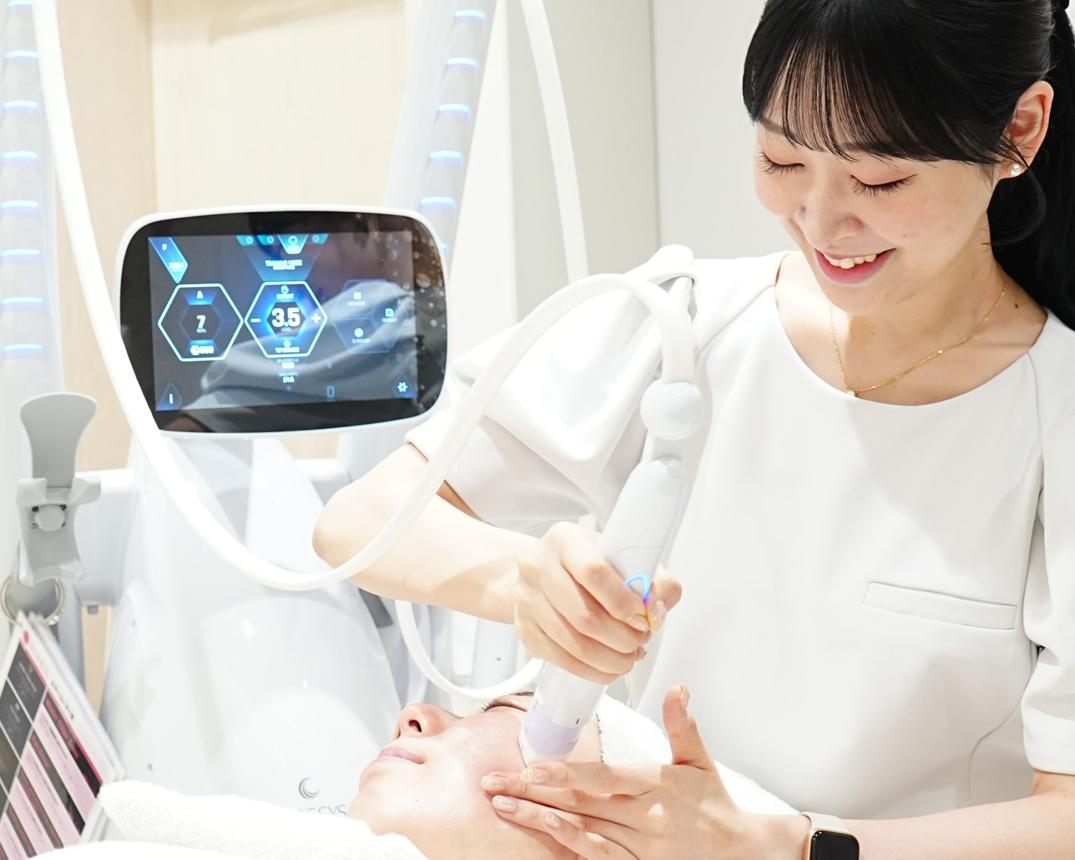
AI-assisted energy-based treatments help practitioners optimize treatment planning, improve consistency, and support personalized aesthetic care
AI Improves Workflow Beyond the Treatment Room
The influence of AI extends far beyond the device itself. Modern aesthetic clinics increasingly use intelligent software throughout the entire client journey.
Before treatment, AI-powered consultation platforms analyze skin conditions and generate visual reports.
During treatment, connected devices can record treatment parameters and organize client records automatically.
After treatment, AI systems may assist with:
- Progress comparison using standardized photography
- Appointment reminders
- Personalized skincare recommendations
- Maintenance treatment scheduling
- Long-term treatment tracking
- Client education materials
These capabilities help clinics build a more structured and data-driven service model.
Instead of relying on handwritten notes or subjective memory, practitioners have access to organized historical records that improve continuity of care.
For clinic owners, this also creates valuable operational benefits, including improved staff collaboration, simplified record management, and more consistent client experiences across multiple practitioners.
Advantages of AI-Assisted Aesthetic Treatments
As AI becomes more deeply integrated into professional beauty equipment, its benefits extend to practitioners, clinic owners, and clients alike.
More Personalized Treatment Plans
Every client's skin is different. AI enables practitioners to work with measurable skin data rather than assumptions alone, making treatment plans more individualized and evidence-informed.
Greater Treatment Consistency
Standardized recommendations help reduce variations between operators while still preserving the practitioner's clinical judgment.
For clinics with multiple treatment rooms or expanding teams, maintaining consistent service quality becomes significantly easier.
Improved Consultation Experience
Visual reports, skin mapping, and measurable indicators help clients better understand their skin concerns.
When clients clearly see the reasons behind a recommended treatment plan, they are often more confident in moving forward with professional services.
Enhanced Operational Efficiency
AI reduces the amount of manual documentation required during consultations and follow-up appointments.
Practitioners spend less time organizing records and more time focusing on client care.
Better Long-Term Client Management
Because AI platforms can store treatment history, compare progress over time, and organize maintenance schedules, clinics are better positioned to develop long-term treatment programs rather than isolated procedures.
This strengthens client retention while supporting more sustainable business growth.
AI Does Not Replace Professional Expertise
One common misconception is that artificial intelligence will eventually replace aesthetic practitioners.
In reality, AI is designed to support professional expertise—not replace it.
Successful aesthetic treatments depend on far more than data analysis. Practitioners must evaluate medical history, understand client expectations, recognize contraindications, adjust techniques in real time, and communicate effectively throughout the treatment process.
These responsibilities require clinical experience, practical skills, and human judgment.
AI excels at processing large amounts of information quickly and identifying patterns that may otherwise be overlooked. However, deciding whether a client is an appropriate candidate for treatment, selecting the most suitable protocol, and responding to unexpected situations remain the responsibility of trained professionals.
The future of aesthetic medicine is therefore best described as a collaboration between intelligent technology and experienced practitioners. AI provides data-driven insights, while practitioners transform those insights into safe, personalized, and effective treatments
Applications / Client Needs
As AI technology becomes increasingly integrated into professional aesthetic equipment, its practical applications continue to expand. Rather than serving as a single feature, AI is gradually connecting every stage of the client journey—from consultation and diagnosis to treatment execution and long-term skin management.
For aesthetic clinics, this means improved efficiency and more standardized services. For clients, it means a more personalized experience supported by objective data and measurable progress.
Below are some of the most valuable applications of AI in today's professional aesthetic environment.
Personalized Anti-Aging Programs
Anti-aging treatments rarely rely on a single technology. Most clients present with multiple concerns, including fine lines, skin laxity, uneven skin tone, dehydration, and volume loss.
AI helps practitioners analyze these concerns collectively rather than individually, making it easier to design comprehensive treatment plans.
A personalized program may combine technologies such as:
- Radio Frequency (RF) for collagen remodeling
- HIFU for deep tissue lifting
- Hydradermabrasion for cleansing and hydration
- LED Light Therapy for skin recovery
- Electroporation for enhanced serum absorption
Instead of recommending isolated treatments, clinics can develop phased protocols that evolve with the client's skin condition over time.
Intelligent Skin Monitoring
Healthy skin changes continuously due to aging, environmental exposure, hormonal fluctuations, seasonal conditions, and lifestyle habits.
Traditional consultations often rely on comparing photographs manually, which can make subtle improvements difficult to evaluate.
AI-powered skin analysis platforms simplify this process by generating standardized reports during every visit.
These reports can compare:
- Wrinkle progression
- Pigmentation changes
- Skin hydration
- Pore appearance
- Redness
- Texture improvements
- Overall skin age estimation
By tracking these indicators over time, practitioners can make evidence-based adjustments to treatment plans while helping clients visualize their progress.
This data-driven approach also increases treatment transparency, strengthening trust between practitioners and clients
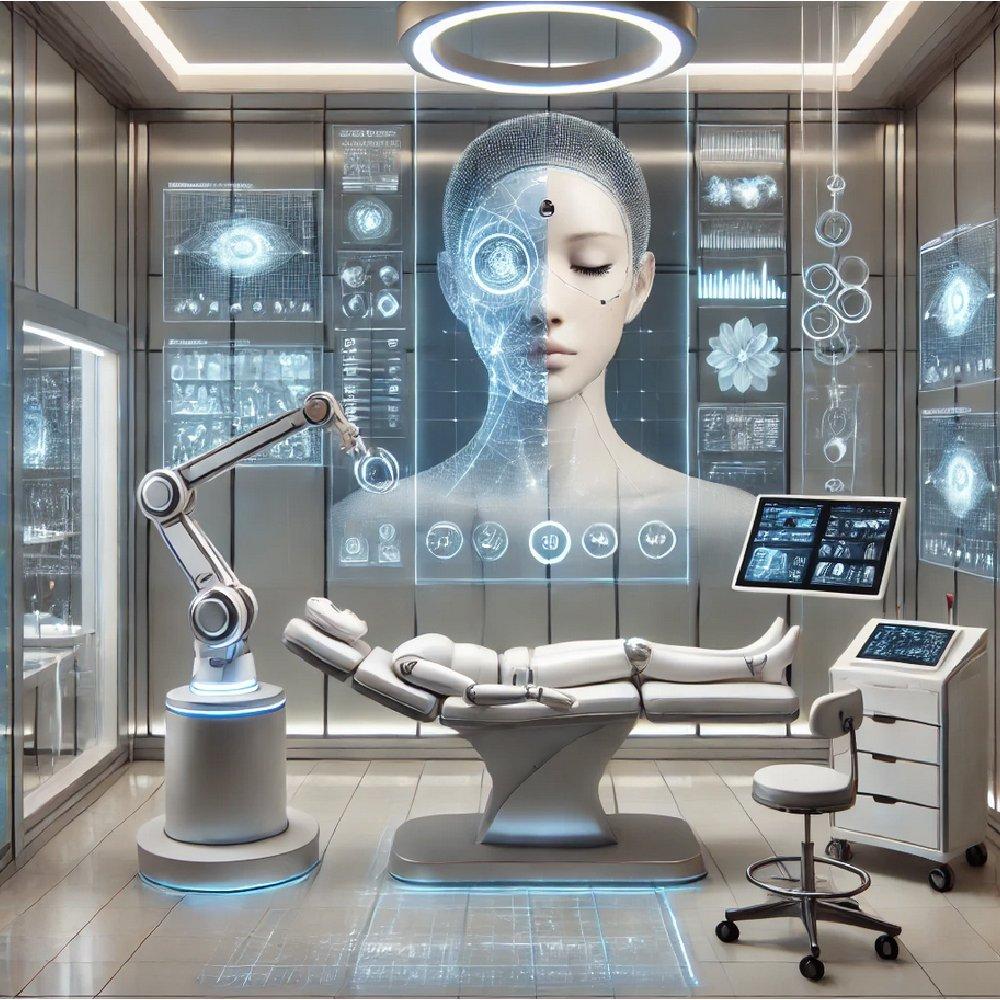
The future aesthetic clinic combines AI-driven diagnostics, connected treatment systems, and professional energy-based devices to deliver personalized, data-informed care
Supporting Multi-Technology Treatment Platforms
One of the strongest trends in the professional beauty industry is the growing popularity of multifunctional aesthetic platforms.
Instead of investing in separate machines for every indication, many clinics now choose integrated systems that combine several technologies within a single platform.
Examples include combinations such as:
- RF + Vacuum Therapy
- RF + EMS
- Hydradermabrasion + Electroporation
- Cryotherapy + LED Therapy
- HIFU + RF
- IPL + Skin Rejuvenation Modes
As these platforms become more sophisticated, AI can play an increasingly important role in helping practitioners select treatment sequences, organize protocols, and manage client records.
This creates a more efficient workflow while maximizing the versatility of professional equipment.
For manufacturers, integrating intelligent software with multifunctional platforms represents an important direction for future product development. Rather than focusing solely on hardware performance, next-generation devices are expected to deliver a more connected and intelligent user experience.
Improving Client Communication
Many aesthetic treatments involve gradual improvement rather than immediate transformation.
Clients often ask questions such as:
- "How much improvement should I expect?"
- "How many sessions will I need?"
- "Is my skin actually improving?"
AI-generated visual reports help practitioners answer these questions more objectively.
Instead of relying only on verbal explanations, clinics can present measurable data, facial maps, and progress comparisons to support treatment recommendations.
This improves consultation quality while helping clients set realistic expectations.
Better communication often leads to stronger trust, higher treatment acceptance, and greater long-term satisfaction.
Meeting the Growing Demand for Precision Aesthetics
The modern aesthetic industry is moving toward precision aesthetics—an approach that emphasizes individualized treatments based on objective assessment rather than standardized protocols.
Several market trends are accelerating this transition:
- Increased client awareness of advanced technologies
- Higher expectations for visible, measurable results
- Growing demand for minimally invasive procedures
- Expansion of preventive anti-aging treatments
- Wider adoption of digital healthcare technologies
- Greater emphasis on treatment documentation and consistency
AI aligns naturally with these trends by providing actionable insights that support personalized care without replacing professional expertise.
For clinics seeking to differentiate themselves in a competitive market, combining experienced practitioners with intelligent technology offers a compelling value proposition.
The Future of AI in Aesthetic Medicine
Artificial intelligence is still in the early stages of its adoption within the aesthetics industry. Over the coming years, AI is expected to become more deeply integrated into professional devices, clinic management systems, and digital consultation platforms.
Future developments may include:
- Real-time treatment guidance based on live sensor feedback
- More advanced facial and body mapping
- Predictive maintenance for aesthetic equipment
- AI-assisted treatment documentation
- Cloud-based treatment databases shared across multiple clinic locations
- Integration with wearable health devices for holistic wellness insights
- Continuous software updates that improve treatment recommendations through machine learning
As hardware, software, and connected technologies continue to evolve, professional aesthetic devices are likely to become smarter, more adaptive, and increasingly capable of supporting evidence-based treatment planning.
The future of aesthetic technology is therefore not defined by AI alone. Instead, it lies in the seamless integration of intelligent software, advanced energy-based technologies, and the expertise of skilled practitioners working together to achieve safer, more personalized, and more consistent outcomes.
Conclusion
Artificial intelligence is transforming the aesthetics industry by making professional treatments more intelligent, personalized, and data-driven. From advanced skin analysis and AI-assisted treatment planning to workflow optimization and long-term client management, AI enhances nearly every stage of the treatment journey.
However, technology alone does not create exceptional results. The most successful clinics combine intelligent systems with experienced practitioners and high-performance professional equipment.
As client expectations continue to evolve, aesthetic businesses that embrace innovation while maintaining high standards of safety, education, and clinical expertise will be best positioned for long-term success.
For manufacturers of professional beauty devices, AI represents more than an emerging feature—it reflects a broader shift toward connected, intelligent aesthetic platforms. By integrating advanced software with proven technologies such as RF, HIFU, diode laser, IPL, hydradermabrasion, and other energy-based systems, the next generation of equipment can help clinics deliver more precise treatments, streamline operations, and provide a higher level of personalized care.
Ultimately, the future of aesthetic medicine will not be driven by artificial intelligence or human expertise alone. It will be shaped by the collaboration between both, enabling clinics to deliver safer procedures, better outcomes, and a more confident treatment experience for every client
Founded in 2008, Guangzhou GLM Beauty Spa Equipment Factory specializes in research, development, manufacture and selling of beauty and slimming machines. Our production base is located in Guangzhou City, Guangdong Province, China. Since our foundation, we have introduced advanced technologies and equipment, to assure high quality and high performance of our products. With professional marketing guide and excellent after-sales service, our products have been exported to over 20 countries and regions, including Southeast Asia, the Middle East, Europe and the United States, won worldwide praises and gained a good reputation