Introduction
Modern beauty treatments are increasingly moving beyond traditional skincare routines. Clients are not only looking for smoother, brighter skin; they also want treatments that help them feel relaxed, refreshed, and cared for. This has created growing interest in massage-based beauty technologies that combine mechanical stimulation with professional skincare protocols.
Massage tools are no longer limited to simple rollers or manual techniques. Today, professional beauty equipment can use controlled vibration, mechanical movement, rolling, compression, or other forms of stimulation to deliver a more consistent treatment experience. When properly selected and professionally operated, these technologies can become valuable additions to facial rejuvenation, body care, relaxation, and skin-conditioning programs.
The concept is straightforward: controlled massage can work on the skin and underlying soft tissues while helping clients release everyday tension. At the same time, rhythmic mechanical stimulation can support local circulation and lymphatic movement, creating a refreshed appearance. Professional facial massage treatments commonly focus on areas such as the jawline, cheeks, forehead, neck, and décolleté, while body massage technologies can be adapted to larger treatment areas.
For beauty salons and aesthetic clinics, this makes massage technology more than an optional accessory. It can become part of a complete treatment protocol designed around relaxation, skin appearance, client comfort, and repeat visits.
Background: Why Muscles and Skin Need More Attention
Daily life can place continuous stress on the body. Long hours at a computer, repetitive movements, poor posture, intense exercise, and emotional stress can all contribute to muscle tension. Facial muscles are not an exception.
The forehead, temples, jawline, cheeks, and neck may experience repeated muscular activity throughout the day. For some clients, jaw tension and facial tightness become particularly noticeable after long periods of concentration or stress.
At the same time, skin appearance is influenced by more than skincare products alone. Microcirculation, hydration, fluid movement, tissue condition, lifestyle, and environmental factors can all affect how fresh or tired the skin appears.
This is one reason massage remains relevant in modern aesthetics. A well-designed massage treatment addresses the overall condition of the treatment area rather than focusing exclusively on the skin surface.
Manual massage can provide a highly personalized experience, but professional beauty equipment introduces another advantage: consistency.
A trained practitioner can control the movement, pressure, rhythm, treatment time, and coverage more precisely with a professional device. This can make it easier to standardize treatment protocols across different clients and treatment sessions.
Modern facial massage technologies are increasingly positioned around controlled mechanical stimulation, circulation support, lymphatic movement, muscle relaxation, and improved treatment comfort. Professional aesthetic providers are already incorporating technology-assisted facial massage into non-invasive lifting and rejuvenation programs.
Technology and Mechanism: How Massage Tools Work
Different massage devices use different technologies, but the underlying principle is similar: controlled mechanical stimulation is delivered to a specific area of the body.
1. Mechanical Massage
Mechanical massage uses moving components such as rollers, spheres, heads, or other contact surfaces to create a rhythmic massage effect.
Unlike inconsistent manual movements, a mechanical system can maintain a relatively stable rhythm and pressure. This is particularly useful for professional treatment environments where practitioners need repeatable protocols.
Some professional systems combine rotation, vibration, and controlled mechanical pressure. These technologies are designed to provide structured stimulation to the skin and underlying tissues while allowing operators to adjust treatment parameters according to the area and client comfort.
For facial treatments, smaller applicators can be used around the cheeks, jawline, forehead, and neck. Larger applicators may be more suitable for body treatments.
2. Vibration and Micro-Vibration
Vibration creates rapid, controlled mechanical movement against the treatment area. Depending on the device design, vibration can be used as a gentle stimulation technique rather than a strong massage.
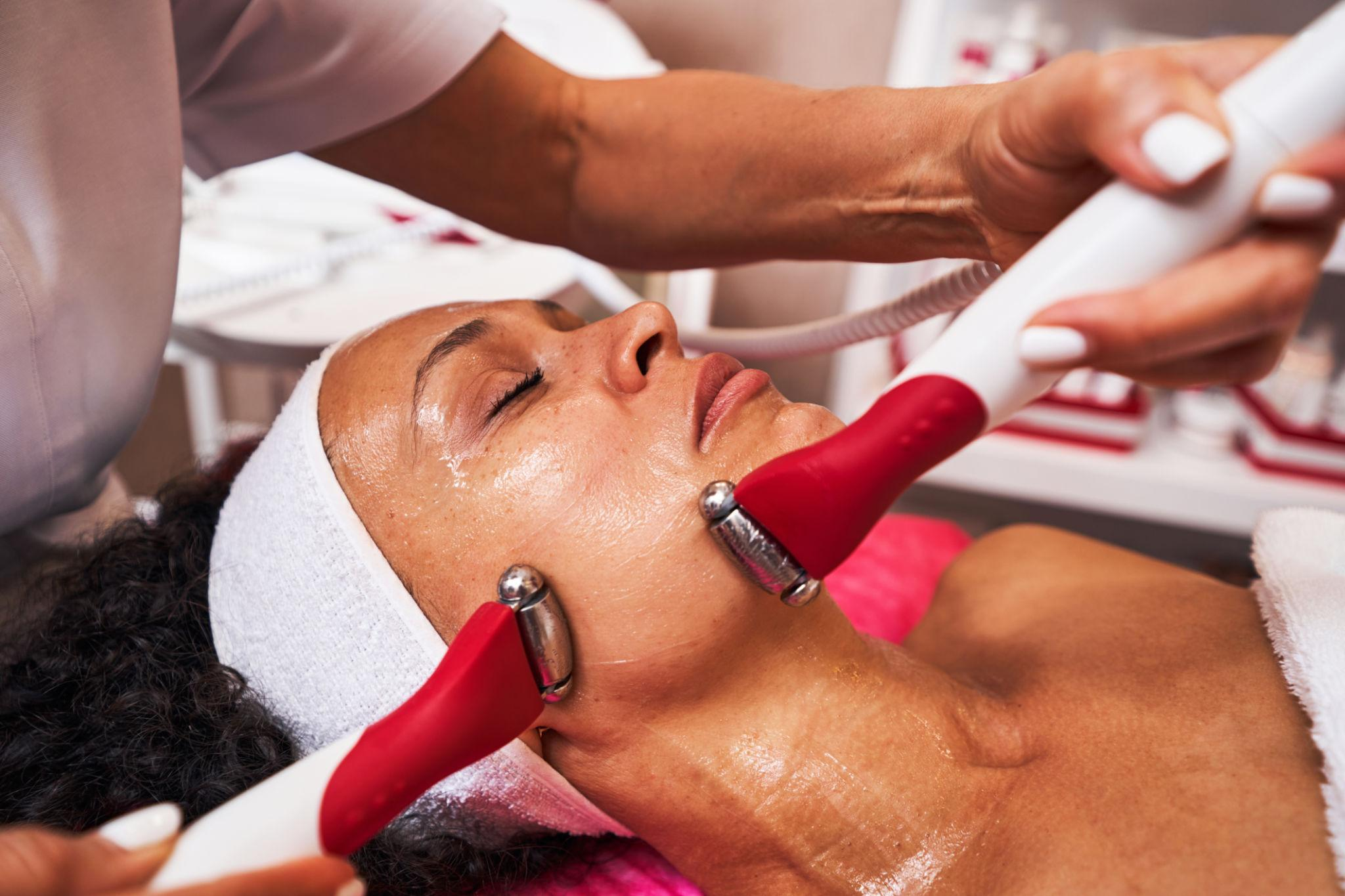
For facial applications, the objective is usually to provide comfortable stimulation while supporting circulation and relaxation. Some professional biomechanical facial treatments use controlled micro-vibrations to activate facial muscles and support facial contour refinement.
The advantage of technology is control. Practitioners can select appropriate intensity and treatment duration instead of relying entirely on hand pressure.
3. Rolling and Compression
Rolling systems use rotating contact points to move across the skin in a controlled pattern. When combined with compression, they can create a deeper massage sensation.
This type of technology is especially useful for professional body treatments because different applicators can be designed for different body zones.
For example, a large roller can cover areas such as the thighs, abdomen, back, or arms, while a smaller head can be used for more precise facial or neck treatments.
The combination of rolling and compression can also make the treatment experience feel more dynamic than a simple stationary massage.
4. Supporting Circulation and Lymphatic Movement
Massage does not replace medical treatment, but mechanical stimulation can support normal circulation and fluid movement in the treated area.
Facial massage protocols commonly emphasize circulation and lymphatic flow because temporary puffiness can influence facial appearance. Professional facial massage services frequently incorporate these principles when designing treatments for a fresher, more defined appearance.
This helps explain why clients may perceive their skin as looking brighter or less tired after a massage-based treatment. However, these effects should be described realistically. Massage is not a permanent facial restructuring procedure, and visible results can vary depending on the individual and treatment protocol.
How Massage Can Support Skin Rejuvenation
Relaxation is only one part of the value of massage technology.
When the skin is gently stimulated, the treatment can become a useful preparation or finishing step within a broader professional facial protocol.
A massage step may be incorporated after cleansing and exfoliation, before or after a serum application, or as part of a finishing treatment designed to leave the client looking refreshed.
Some beauty technologies specifically combine massage with other modalities. For example, professional equipment may integrate roller massage with LED, RF, vacuum, infusion, or other technologies. This multifunctional approach allows clinics and salons to create more comprehensive treatment menus rather than relying on a single treatment mechanism.
Massage can also complement the client experience. A treatment that feels comfortable and relaxing may encourage clients to spend more time in the salon and become more receptive to regular treatment programs.
A Practical Professional Treatment Flow
A typical technology-assisted facial massage protocol may include:
Step 1: Consultation
The practitioner evaluates the client's skin condition, treatment goals, and areas of tension.
Step 2: Skin Preparation
The skin is cleansed and prepared according to the selected treatment protocol.
Step 3: Product Application
A suitable massage medium, serum, gel, or professional skincare product may be applied when required by the device and protocol.
Step 4: Device-Assisted Massage
The practitioner uses the appropriate handpiece and intensity, working systematically across the selected areas.
Step 5: Finishing Care
The treatment is completed with appropriate skincare, hydration, and post-treatment recommendations.
This structured approach is one of the major differences between professional equipment and casual home massage tools.
Advantages and Comparison: Professional Equipment vs. Simple Massage Tools
Simple massage tools can be useful for personal relaxation, but professional beauty equipment is designed around a different objective: controlled, repeatable treatment.
More Consistent Stimulation
A manual technique depends heavily on the practitioner's hand movements. A professional device can provide a more consistent rhythm or mechanical action.
This consistency is particularly important for salons and clinics that need standardized treatment protocols.
Adjustable Treatment Parameters
Professional devices may provide adjustable intensity, speed, operating modes, or interchangeable handpieces. This gives practitioners greater flexibility when treating different skin areas and client preferences.
A delicate facial area may require a different approach from a larger body area. Modular equipment makes this customization easier.
Better Treatment Efficiency
A professional massage device can help practitioners work efficiently across larger treatment areas.
For body treatments, this can reduce the physical effort required from the operator while maintaining a structured treatment process. For facial treatments, precision handpieces can help target specific areas such as the jawline or neck.
Expanded Service Menus
A massage-focused device can also become part of multiple treatment packages.
A salon may offer:
- Relaxing facial massage
- Facial contouring massage
- Neck and décolleté massage
- Post-cleansing skin-conditioning treatments
- Body relaxation programs
- Circulation-support massage
- Massage combined with LED or other aesthetic technologies
This flexibility can help businesses create treatment packages for different client needs without changing their entire service model.
A Better Client Experience
The treatment experience matters in professional aesthetics.
Clients often evaluate a treatment not only by the final appearance of their skin but also by how comfortable and relaxing the appointment feels. Technology-assisted massage can add a sensory component to a facial or body treatment, helping position the service as both results-oriented and experience-driven.
Applications and Client Needs
Massage technology can be adapted to a wide range of professional beauty applications.
Facial Rejuvenation
For clients concerned about tired-looking skin, facial massage can be incorporated into rejuvenation protocols.
Practitioners may focus on the cheeks, forehead, jawline, and neck while using controlled mechanical stimulation to create a relaxing treatment experience.
The goal is not to promise permanent lifting, but to support a fresher, more revitalized appearance as part of a broader skincare program.
Facial Contouring
Facial puffiness and muscle tension can affect how facial contours appear.
Massage techniques that support fluid movement and relaxation can be incorporated into contour-focused treatments. This is especially relevant for clients seeking a refreshed jawline and less tired-looking facial appearance.
Professional BMS facial treatments, for example, use controlled mechanical stimulation with the goal of supporting facial muscle activation, circulation, and contour refinement.
Neck and Décolleté Care
The neck and décolleté are often included in professional anti-aging and skin-conditioning programs.
Smaller or specialized massage applicators can help practitioners extend facial treatments beyond the face and create a more complete treatment experience.
Body Relaxation and Skin Conditioning
Massage technology is not limited to facial treatments.
Larger mechanical rollers or vibration systems can be used as part of body-focused protocols. Depending on the device, applications may include relaxation massage, skin conditioning, circulation-support treatments, and programs focused on the appearance of uneven skin texture.
Professional body systems may use different applicators for large and small treatment areas, allowing operators to adapt the massage technique to the client's body zone and comfort level.
Combining Massage with Other Beauty Technologies
One of the strongest opportunities for professional beauty businesses is technology combination.
Massage can serve as one step within a multifunctional treatment rather than being offered as an isolated service.
For example, a treatment protocol may combine:
Cleansing → Exfoliation → Infusion → Massage → LED or RF → Finishing Care
The exact sequence should always follow the equipment manufacturer's instructions and the practitioner's professional protocol.
This type of integration can make massage technology particularly attractive to beauty businesses looking to build premium, multi-step treatment experiences.
What Makes Professional Massage Technology Valuable for Clinics?
For professional operators, the value of a beauty device is not simply the technology inside the machine. It is the combination of technology, usability, treatment flexibility, and business application.
A well-designed professional massage device should ideally provide:
- Ergonomic handpieces
- Adjustable treatment parameters
- Multiple applicator options
- Easy-to-use controls
- Consistent mechanical movement
- Suitable treatment protocols
- Easy cleaning and maintenance
- Training and operational support
These features allow practitioners to focus on treatment quality rather than constantly adjusting their technique.
Professional multifunctional aesthetic systems are increasingly designed around versatility, personalization, controlled operation, and the ability to create multiple facial and body services from one platform.
For equipment manufacturers, this also means that product development should consider the complete workflow of a salon or clinic—not just the headline technology.
Safety and Professional Considerations
Massage tools should be used according to the manufacturer's instructions and the professional's training.
Intensity should be appropriate for the treatment area and client comfort. Practitioners should also conduct a suitability assessment before treatment and avoid working over areas where massage or mechanical stimulation is inappropriate.
Clients with acute skin inflammation, open wounds, recent procedures, certain implanted electronic devices, or other medical concerns may require treatment modification or professional medical clearance. Device-specific contraindications should always take priority.
The most effective professional approach is therefore not simply "more intensity." Controlled, appropriate stimulation is more important than aggressive treatment.
Conclusion
Daily massage tools represent a practical bridge between relaxation and modern aesthetic technology.
By combining controlled mechanical stimulation with professional treatment protocols, massage devices can help practitioners address several client priorities at once: relaxation, comfort, circulation support, fluid movement, and a refreshed-looking complexion.
For facial treatments, technology-assisted massage can become part of rejuvenation, contouring, neck care, and finishing protocols. For body treatments, larger applicators and mechanical systems can support structured massage and skin-conditioning services.
The key is to understand what massage technology can realistically provide. It should not be presented as a replacement for medical procedures or as a permanent solution to every skin concern. Instead, its value lies in consistent, controlled stimulation and its ability to complement other professional beauty technologies.
For modern salons, spas, and aesthetic clinics, that combination is increasingly important. A professional massage device can transform a simple massage step into a structured treatment experience—one that feels relaxing to the client while fitting naturally into a modern, technology-driven beauty business
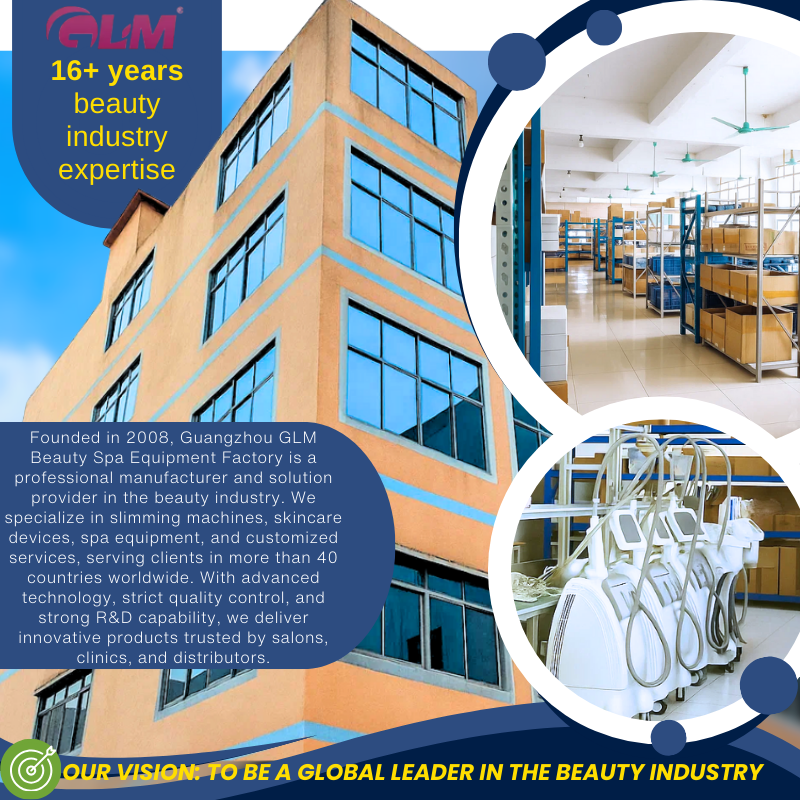
Founded in 2008, Guangzhou GLM Beauty Spa Equipment Factory specializes in research, development, manufacture and selling of beauty and slimming machines. Our production base is located in Guangzhou City, Guangdong Province, China. Since our foundation, we have introduced advanced technologies and equipment, to assure high quality and high performance of our products. With professional marketing guide and excellent after-sales service, our products have been exported to over 20 countries and regions, including Southeast Asia, the Middle East, Europe and the United States, won worldwide praises and gained a good reputation