Introduction
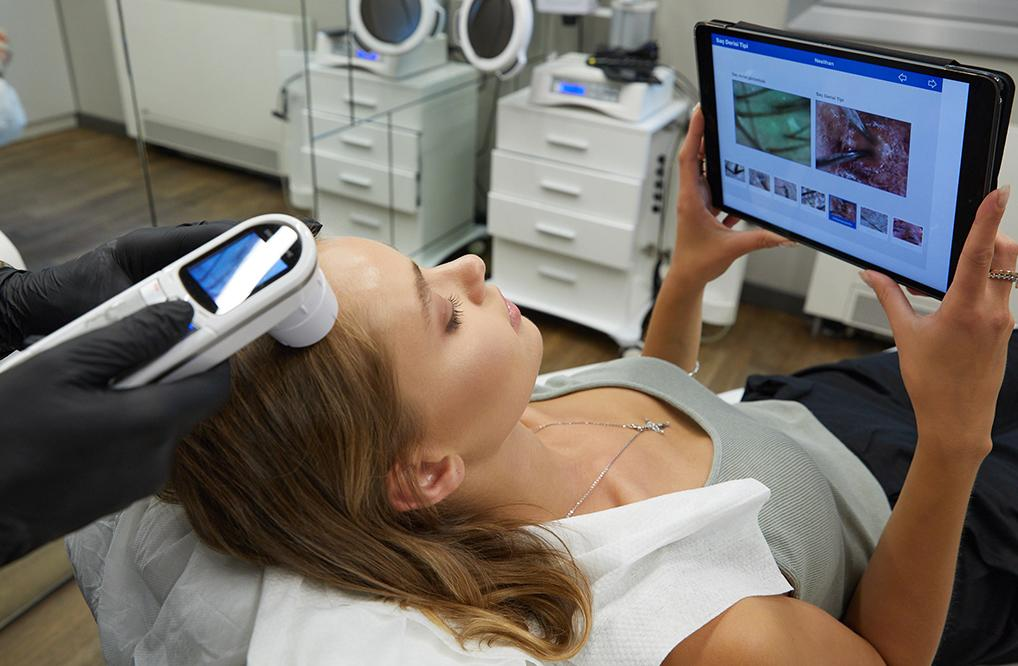
The professional hair care industry is undergoing a significant transformation. Instead of relying solely on visual observation or client descriptions, salons and aesthetic clinics are increasingly adopting data-driven scalp diagnosis to evaluate scalp conditions with greater precision. Advanced imaging systems, AI-assisted analysis, and high-definition scalp scanners now enable practitioners to understand what is happening beneath the hair before recommending any treatment.
This shift reflects a broader trend toward personalized aesthetic services. Just as facial skin analysis has become an essential step before advanced skincare treatments, scalp analysis is becoming the foundation of professional hair care programs. By collecting objective data rather than depending on assumptions, practitioners can create treatment plans that are both more effective and easier for clients to understand.
For equipment manufacturers and professional beauty clinics, this evolution also highlights the growing importance of intelligent diagnostic devices. These systems are no longer viewed as optional accessories—they are becoming an integral part of comprehensive hair restoration and scalp care services.
Why Traditional Hair Care Assessments Are No Longer Enough
Hair concerns vary widely between individuals. Two clients experiencing excessive hair shedding may have entirely different underlying causes. One may suffer from excessive sebum production, while another experiences dehydration, poor scalp circulation, inflammation, or follicular blockage.
Without professional diagnostic tools, treatment recommendations often rely on:
- Visual inspection
- Client questionnaires
- Manual scalp examination
- Personal experience
Although experienced practitioners can identify obvious problems, many scalp conditions develop beneath the surface long before visible symptoms appear.
As consumers become more informed, they increasingly expect objective evidence rather than generalized recommendations. Clients want to know:
- Why is my hair thinning?
- Is my scalp healthy?
- Are my follicles damaged?
- Is my treatment actually working?
These questions cannot always be answered accurately through observation alone.
Data-driven diagnosis fills this gap by transforming invisible scalp conditions into measurable information
The Rise of Data-Driven Scalp Diagnosis
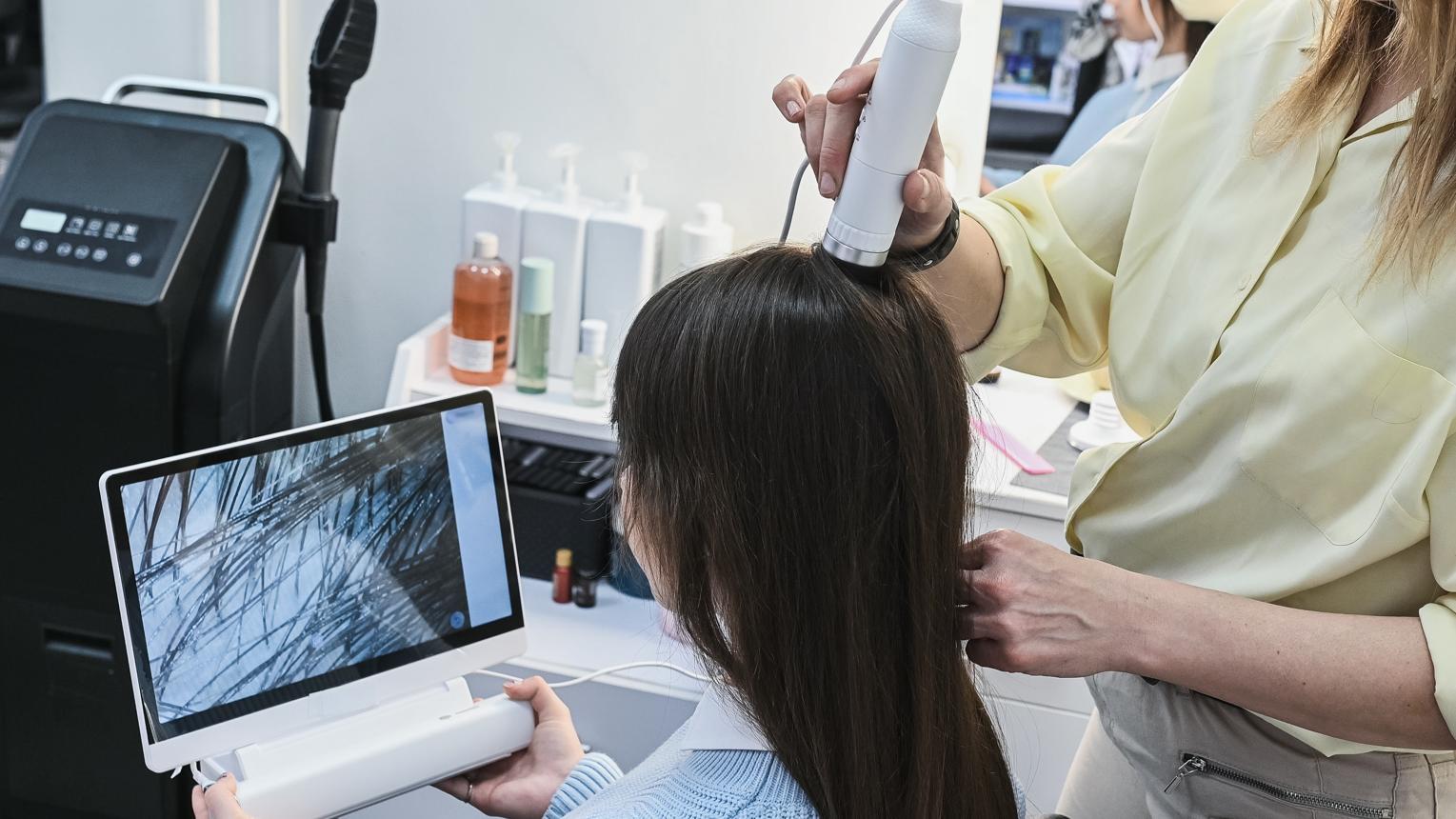
Modern scalp diagnostic systems combine multiple technologies to evaluate scalp health from different perspectives. Instead of generating a single image, today's devices collect various forms of information that help practitioners build a comprehensive understanding of each client's condition.
Common evaluation indicators include:
- Hair density
- Hair shaft thickness
- Follicle condition
- Sebum distribution
- Moisture levels
- Scalp sensitivity
- Keratin buildup
- Scalp cleanliness
- Blood circulation indicators
- Inflammatory signs
Some premium systems integrate artificial intelligence to compare captured images with extensive clinical databases, automatically identifying patterns that may indicate early-stage scalp disorders or hair loss progression.
Rather than replacing professional expertise, these technologies provide practitioners with objective support for clinical decision-making.
The result is greater consistency between consultations, improved communication with clients, and more personalized treatment planning.
How Advanced Scalp Imaging Technology Works
Professional scalp diagnostic equipment typically combines several imaging and analysis technologies into a single platform.
High-Magnification Optical Imaging
One of the most important technologies is high-definition optical magnification.
Depending on the equipment configuration, cameras may provide magnification ranging from 50× to over 200×, allowing practitioners to observe structures invisible to the naked eye.
These detailed images reveal:
- Follicle openings
- Hair shaft quality
- Sebum accumulation
- Dead skin cells
- Residue from cosmetic products
- Signs of irritation
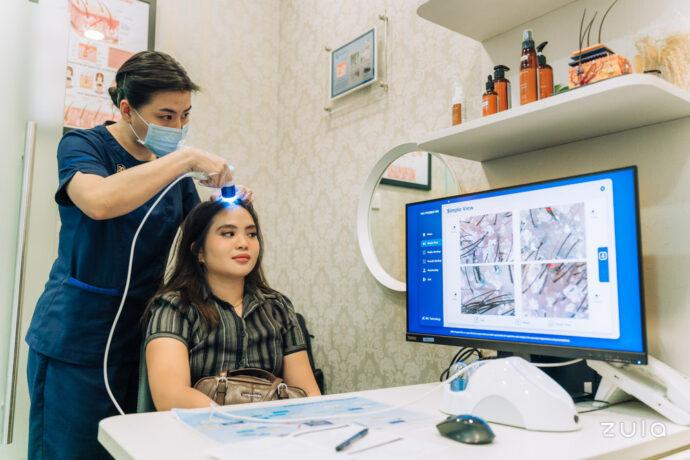
Instead of describing scalp conditions verbally, practitioners can display enlarged live images directly on a monitor, allowing clients to visualize their own scalp condition immediately.
This visual approach significantly improves consultation efficiency because clients can clearly understand the reasons behind treatment recommendations.
Multi-Spectral Lighting Systems
Many professional scalp analyzers also employ multiple lighting modes.
Different wavelengths reveal different characteristics of the scalp.
For example:
- White light provides natural color observation.
- Polarized light reduces surface reflection.
- UV illumination may highlight excess oil or microbial activity.
- Cross-polarized imaging helps visualize inflammation hidden beneath surface reflections.
Combining these lighting modes enables practitioners to evaluate scalp conditions from multiple dimensions instead of relying on a single image.
The collected information becomes more comprehensive and significantly improves diagnostic confidence
Artificial Intelligence Transforms Images into Actionable Insights
Capturing high-resolution scalp images is only the first step. The true value of modern diagnostic systems lies in their ability to convert visual information into meaningful, measurable data.
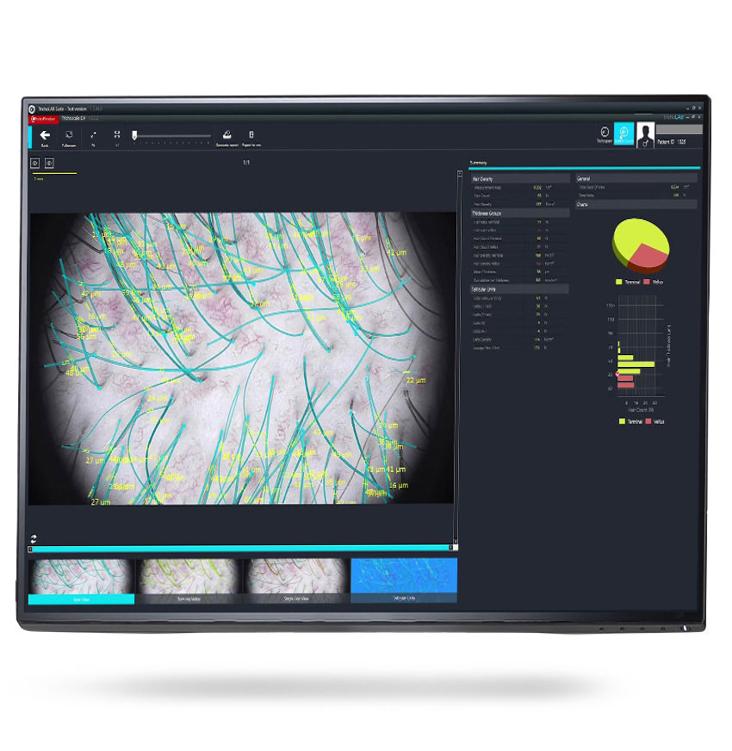
Many professional scalp analyzers now incorporate artificial intelligence (AI) and machine learning algorithms. After images are captured, the software automatically evaluates multiple parameters simultaneously, reducing subjectivity and improving consistency between practitioners.
Depending on the software platform, AI can analyze:
- Hair density per square centimeter
- Percentage of miniaturized hairs
- Average hair shaft diameter
- Sebum distribution patterns
- Scalp hydration indicators
- Follicular blockage severity
- Keratin accumulation
- Hair growth cycle distribution
- Comparative changes over time
Rather than producing a simple "healthy" or "unhealthy" result, the system generates detailed reports that help practitioners understand the complexity of each client's scalp condition.
This standardized evaluation is especially valuable for clinics with multiple operators, where maintaining consistent consultation quality is essential.
Digital Records Enable Long-Term Treatment Tracking
Hair restoration and scalp therapy rarely produce overnight results. Improvements often occur gradually over weeks or months, making objective progress tracking critical.
Traditional consultations rely heavily on memory and subjective impressions. Clients may feel uncertain about whether treatments are working, particularly during the early stages when visible changes are subtle.
Digital scalp diagnosis changes this process completely.
Each consultation can be documented with:
- High-resolution images
- Quantitative analysis reports
- Historical comparisons
- Treatment recommendations
- Follow-up records
- Progress charts
By comparing images captured under identical conditions, practitioners can demonstrate measurable improvements such as:
- Increased hair density
- Reduced scalp inflammation
- Lower sebum production
- Cleaner follicular openings
- Improved scalp hydration
- Stronger, thicker hair shafts
Objective evidence strengthens client confidence and reinforces the value of professional treatment programs.
Integrating Diagnosis with Professional Hair Care Equipment
Modern scalp analyzers are no longer isolated devices. Many clinics integrate diagnostic systems with a range of professional treatment technologies to create a complete workflow.
A typical consultation may follow this sequence:
- Initial scalp imaging and data collection
- AI-assisted diagnostic report generation
- Personalized treatment planning
- Selection of appropriate aesthetic equipment
- Professional scalp therapy
- Follow-up imaging and progress comparison
Depending on the diagnosis, practitioners may recommend different technologies, including:
- High-frequency scalp treatments
- LED light therapy
- Electroporation systems
- Oxygen infusion therapy
- Ultrasonic scalp cleansing
- Microcurrent stimulation
- Scalp hydration systems
- Hair growth support devices
Instead of applying identical procedures to every client, treatment protocols become data-driven and highly personalized.
This approach reflects a broader movement toward precision aesthetics, where objective assessment guides every stage of care
Advantages of Data-Driven Diagnosis Over Traditional Consultation
As consumer expectations continue to evolve, professional clinics are under increasing pressure to deliver transparent, personalized, and measurable services.
Data-driven scalp diagnosis offers several important advantages over conventional consultation methods.
1. Greater Diagnostic Accuracy
Visual observation alone may overlook early-stage scalp issues.
Magnified imaging and quantitative analysis allow practitioners to detect subtle changes before symptoms become severe, enabling earlier intervention and more targeted care.
2. Personalized Treatment Plans
Every scalp has a unique combination of characteristics.
Rather than recommending standardized treatments, practitioners can adjust:
- Treatment frequency
- Device selection
- Energy parameters
- Product combinations
- Home-care recommendations
This individualized approach often leads to better client satisfaction and improved treatment efficiency.
3. Improved Client Communication
Many clients struggle to understand technical explanations about scalp health.
Showing enlarged scalp images alongside clear analytical reports makes consultations far more intuitive.
When clients can actually see blocked follicles, excessive oil, or thinning hair density, they are more likely to understand the rationale behind professional recommendations.
Visual evidence also helps establish trust between practitioner and client.
4. Measurable Treatment Outcomes
Professional clinics increasingly emphasize evidence-based results.
Instead of relying on subjective statements such as "your scalp looks better," practitioners can compare before-and-after data collected under standardized conditions.
Quantitative reports make treatment outcomes easier to explain, evaluate, and document.
For clinics offering long-term scalp care or hair restoration programs, this objective tracking becomes a valuable component of client retention and ongoing treatment planning.
5. Enhanced Professional Image
Modern diagnostic technology also influences how clients perceive a clinic.
When consultations begin with advanced imaging and digital analysis, clients often associate the service with higher levels of professionalism, precision, and technological sophistication.
While practitioner expertise remains the most important factor, intelligent diagnostic equipment reinforces confidence in the overall treatment experience.
Why Professional Diagnostic Systems Stand Apart from Home Devices
Consumer scalp cameras have become increasingly available in recent years, allowing individuals to examine their scalp at home. While these devices can provide a basic visual overview, they differ significantly from professional diagnostic systems used in salons and clinics.
Professional equipment typically offers:
| Home Devices | Professional Diagnostic Systems |
|---|---|
| Basic magnification | High-definition multi-level magnification |
| Limited image quality | Clinical-grade imaging sensors |
| Manual observation | AI-assisted quantitative analysis |
| No standardized reports | Comprehensive digital reports |
| Single-light imaging | Multi-spectral lighting technology |
| Limited tracking | Long-term comparative database |
| Self-assessment | Interpretation by trained professionals |
Home devices can increase awareness of scalp health, but they generally lack the imaging precision, analytical software, and clinical interpretation needed to support comprehensive treatment planning.
Professional diagnostic systems provide a broader and more reliable foundation for personalized scalp care, particularly when integrated with advanced aesthetic treatment technologies
Applications & Client Needs
As scalp health becomes a greater priority for consumers, professional diagnostic technology is finding applications across a wide range of aesthetic and wellness businesses. Rather than serving as a standalone device, a scalp analyzer often becomes the starting point of a comprehensive consultation and treatment journey.
Professional Hair Salons
Premium salons increasingly offer scalp assessments before recommending cleansing, hydration, or scalp therapy services.
Instead of selecting treatments based solely on hair type, stylists can evaluate scalp conditions objectively and recommend personalized care programs. This approach enhances service quality while helping clients understand the reasons behind each recommendation.
Aesthetic Clinics
Medical aesthetic clinics frequently combine scalp diagnosis with non-invasive technologies designed to support scalp health and improve the environment for healthy hair growth.
Before performing treatments such as LED light therapy, electroporation, oxygen infusion, or microcurrent stimulation, practitioners can establish a baseline using diagnostic imaging. Follow-up scans allow both the practitioner and the client to monitor changes throughout the treatment course.
This data-driven workflow aligns with the broader trend toward evidence-based aesthetic practice.
Hair Restoration Centers
Hair restoration clinics benefit particularly from digital scalp analysis.
Patients considering hair restoration procedures often want objective answers to questions such as:
- How severe is my hair loss?
- Which areas are most affected?
- Am I responding to treatment?
- Is surgery necessary, or are non-invasive options appropriate?
Quantitative reports help practitioners communicate realistic expectations while documenting treatment progress over time.
For long-term hair restoration programs, consistent imaging creates a valuable visual history that supports both clinical decision-making and patient confidence.
Wellness & Scalp Therapy Centers
Scalp wellness centers increasingly position scalp health as an essential component of overall beauty and self-care.
Rather than focusing exclusively on hair appearance, practitioners evaluate factors such as oil balance, hydration, follicle cleanliness, and scalp sensitivity before selecting professional equipment and treatment protocols.
This personalized approach improves the client experience while reducing unnecessary or unsuitable procedures.
Training Institutions
Beauty schools and professional training centers also benefit from standardized diagnostic systems.
Instead of relying solely on textbook examples, students can analyze real scalp images, compare different conditions, and develop a more systematic understanding of scalp assessment.
Digital reports provide a common reference that improves consistency during practical training
Meeting Modern Client Expectations
Today's clients are more informed than ever before. They frequently research hair concerns online, compare treatment options, and expect professional recommendations supported by evidence rather than assumptions.
Several trends are driving the adoption of data-driven scalp diagnosis:
Demand for Personalization
Clients increasingly expect treatments tailored to their individual scalp condition rather than standardized service packages.
Objective diagnostic data enables practitioners to design customized treatment plans based on measurable findings.
Desire for Transparency
Clients want to understand why a treatment is recommended.
Visual reports make consultations more transparent by allowing practitioners to explain findings using real images rather than abstract descriptions.
This transparency helps build trust and improves client engagement throughout the treatment process.
Interest in Preventive Care
Many clients now seek professional scalp evaluations before experiencing noticeable hair loss.
Early identification of issues such as excessive oil production, follicular congestion, or scalp sensitivity allows practitioners to recommend preventive care strategies before more significant problems develop.
Preventive scalp management represents one of the fastest-growing segments of the professional hair care market.
Expectation of Measurable Results
Modern consumers are accustomed to data in many aspects of daily life, from fitness trackers to health monitoring devices.
They increasingly expect professional beauty services to provide similar measurable outcomes.
Digital scalp analysis satisfies this expectation by documenting treatment progress with objective images and quantitative reports rather than relying solely on subjective observations.
The Future of Intelligent Hair Care
Artificial intelligence, cloud computing, and advanced imaging technologies continue to reshape professional scalp diagnosis.
Future systems are expected to become even more intelligent through features such as:
- AI-assisted treatment recommendations
- Predictive analysis for hair loss progression
- Automated trend reporting
- Cloud-based client management
- Multi-location data synchronization
- Integration with digital consultation platforms
- Personalized treatment protocols generated from large clinical databases
These innovations will not replace experienced practitioners. Instead, they will provide more comprehensive information to support professional expertise.
The future of hair care lies in combining advanced technology with clinical knowledge to deliver safer, more personalized, and more effective treatments.
Conclusion
Data-driven scalp diagnosis is transforming professional hair care by replacing assumptions with measurable evidence. High-definition imaging, AI-assisted analysis, and digital record management enable practitioners to understand scalp conditions more comprehensively and develop personalized treatment strategies based on objective information.
For salons, aesthetic clinics, hair restoration centers, and professional wellness facilities, intelligent diagnostic systems represent more than an imaging device—they serve as the foundation of modern consultation, treatment planning, and long-term client management.
As consumer expectations continue to evolve toward transparency, personalization, and measurable outcomes, integrating advanced scalp diagnostic technology into professional practice is becoming an increasingly valuable investment.
Ultimately, effective hair care begins not with treatment, but with accurate diagnosis. By turning data into actionable insights, professional scalp analysis helps practitioners deliver better decisions, stronger client confidence, and more sustainable treatment results
Founded in 2008, Guangzhou GLM Beauty Spa Equipment Factory specializes in research, development, manufacture and selling of beauty and slimming machines. Our production base is located in Guangzhou City, Guangdong Province, China. Since our foundation, we have introduced advanced technologies and equipment, to assure high quality and high performance of our products. With professional marketing guide and excellent after-sales service, our products have been exported to over 20 countries and regions, including Southeast Asia, the Middle East, Europe and the United States, won worldwide praises and gained a good reputation