-2.jpg?w=236&h=121)
Introduction
In professional skincare and aesthetic medicine, one of the most persistent challenges has always been how to deliver active ingredients deep into the skin effectively—without causing pain, trauma, or downtime. While topical products play an essential role in daily skincare, their penetration is naturally limited by the skin’s protective barrier. This limitation has driven the development of advanced delivery technologies designed for professional clinics.
Electroporation has emerged as one of the most promising solutions to this challenge. Often referred to as “needle-free mesotherapy,” electroporation allows serums to penetrate far deeper than traditional topical application, without injections or skin damage. As clients increasingly seek non-invasive treatments with visible results, electroporation-based devices are gaining strong traction in beauty salons, dermatology clinics, and medical spas.
For clinics, electroporation represents more than a technical upgrade—it is a strategic tool that enhances treatment efficacy, broadens service offerings, and improves client comfort. This article explains how electroporation works, why it enables deep serum delivery without needles, and why it has become an essential technology in modern professional skincare.
Background / Problem
The Skin Barrier: Protection and Limitation
The human skin is designed to protect the body from external threats. The outermost layer, the stratum corneum, acts as a highly effective barrier that prevents water loss and blocks foreign substances. While this barrier is essential for health, it poses a significant limitation for skincare treatments.
Most active ingredients in serums—such as peptides, hyaluronic acid, vitamins, and growth-supporting compounds—have molecular sizes or structures that make it difficult for them to pass through the skin naturally. As a result:
-
Traditional topical application mainly affects the surface layers
-
Absorption is slow and inconsistent
-
A large portion of active ingredients remains unused
From a client’s perspective, this often leads to frustration: high-quality serums are applied, but results appear limited or temporary.
Limitations of Needle-Based Delivery
Injectable treatments, such as traditional mesotherapy, solve the penetration problem by physically bypassing the skin barrier. However, they introduce new concerns:
-
Pain and discomfort
-
Risk of bruising, swelling, or infection
-
Downtime and post-treatment care
-
Psychological resistance to needles
Many clients—especially those seeking maintenance treatments or preventive skincare—prefer non-invasive options. Clinics therefore face a clear demand: how to achieve deep serum delivery without needles.
Electroporation was developed precisely to bridge this gap.
Technology / Mechanism
What Is Electroporation?
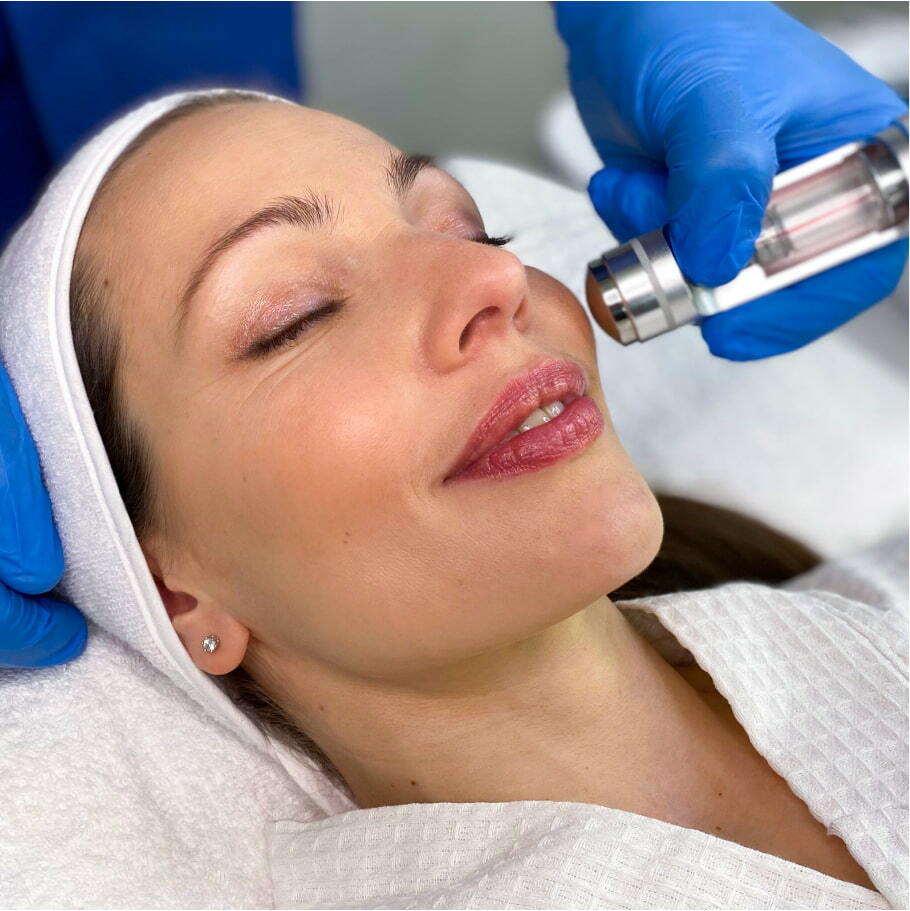
Electroporation is a technology that uses controlled electrical pulses to temporarily increase the permeability of cell membranes and skin structures. When applied to the skin, these pulses create microscopic, reversible channels in the lipid layers of the stratum corneum.
These channels allow active ingredients to pass through the skin barrier more efficiently, reaching deeper layers without causing structural damage.
Importantly, the skin’s natural barrier function restores itself shortly after treatment, making electroporation both effective and safe when properly applied.
How Electroporation Drives Serums Deep
The mechanism can be explained in three key steps:
-
Electrical Pulse Application
The device emits short, precisely controlled electrical pulses. These pulses are strong enough to reorganize lipid structures but gentle enough to avoid tissue damage. -
Temporary Channel Formation
The electrical field creates micro-pathways within the skin barrier. These pathways significantly reduce resistance to penetration. -
Active Ingredient Transport
While the channels are open, serums applied to the skin can move deeper into the epidermis and upper dermis, driven by both diffusion and electrical forces.
Unlike injections, electroporation distributes active ingredients evenly across the treated area, rather than concentrating them at specific points.
Compatibility with Professional Serums
Electroporation is particularly effective for water-based serums containing:
-
Hyaluronic acid
-
Peptides and amino acids
-
Vitamins (such as vitamin C derivatives)
-
Brightening and conditioning agents
-
Post-procedure recovery solutions
Because there is no needle trauma, these ingredients can be delivered repeatedly over a course of treatments, supporting long-term skin improvement.
Advantages / Comparison
Electroporation vs. Traditional Topical Application
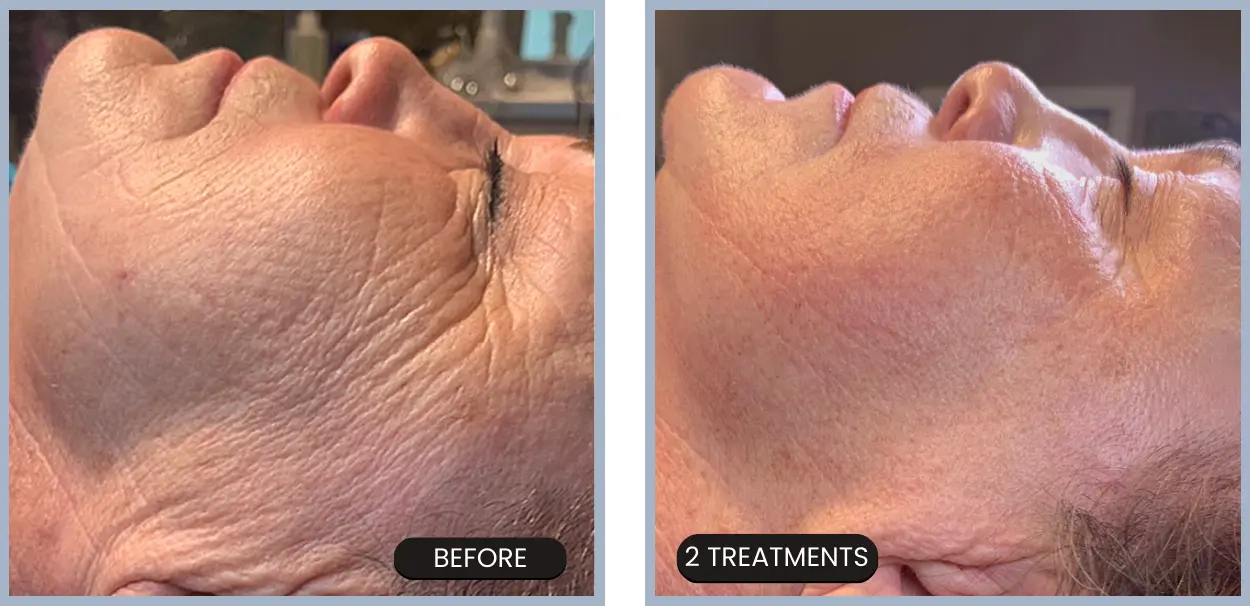
Compared to manual serum application, electroporation offers:
-
Significantly deeper penetration
-
Faster visible results
-
More efficient use of active ingredients
-
Improved treatment consistency
This allows clinics to justify professional treatment pricing based on measurable performance rather than product claims alone.
Electroporation vs. Microneedling
Microneedling is another popular method for enhancing absorption, but it relies on controlled skin injury. While effective, it may cause redness, sensitivity, or downtime.
Electroporation, by contrast:
-
Does not break the skin
-
Causes minimal discomfort
-
Requires no recovery time
-
Is suitable for sensitive or reactive skin
This makes electroporation ideal for clients who want results without visible post-treatment effects.
Electroporation vs. Injectable Mesotherapy
While injections deliver actives directly, electroporation offers a more comfortable alternative for clients who:
-
Are needle-averse
-
Want maintenance or preventive care
-
Prefer frequent treatments
From a business standpoint, electroporation expands the clinic’s client base by appealing to a broader audience.
Applications / Client Needs
Common Treatment Indications
Electroporation is widely used in professional settings for:
-
Skin hydration and barrier repair
-
Dull or uneven skin tone
-
Early signs of aging
-
Fine lines and texture refinement
-
Post-laser or post-RF recovery support
Because the technology is gentle, it can be used year-round and integrated into regular skin management programs.
Role in Professional Treatment Protocols
In clinics and beauty salons, electroporation is often combined with other technologies, such as:
-
RF or ultrasound treatments, followed by serum infusion
-
LED therapy for calming and recovery
-
Oxygen-based facials for enhanced circulation
This positioning allows electroporation to act as a multiplier—enhancing the results of other treatments rather than replacing them.
Client Experience and Retention
Clients typically report:
-
Comfortable, relaxing treatments
-
Immediate skin plumpness and glow
-
No disruption to daily activities
These factors strongly support repeat sessions and long-term treatment plans, which are essential for clinic sustainability.
Conclusion
Electroporation has transformed how professional skincare delivers active ingredients. By temporarily opening microscopic pathways in the skin using controlled electrical pulses, it enables deep serum penetration without needles, pain, or downtime.
For clients, this means safer, more comfortable treatments with visible results. For clinics, electroporation offers a versatile, high-value technology that enhances treatment outcomes, supports combination protocols, and meets growing demand for non-invasive solutions.
As the aesthetics industry continues to prioritize efficacy, comfort, and technological innovation, electroporation stands out as a smart, future-ready investment for professional beauty and medical aesthetic practices.
Founded in 2008, Guangzhou GLM Beauty Spa Equipment Factory specializes in research, development, manufacture and selling of beauty and slimming machines. Our production base is located in Guangzhou City, Guangdong Province, China. Since our foundation, we have introduced advanced technologies and equipment, to assure high quality and high performance of our products. With professional marketing guide and excellent after-sales service, our products have been exported to over 20 countries and regions, including Southeast Asia, the Middle East, Europe and the United States, won worldwide praises and gained a good reputation.