Introduction
In recent years, non-surgical skin lifting treatments have become one of the fastest-growing segments in the aesthetic industry. Many clients want to improve facial sagging, wrinkles, and skin laxity but are hesitant to undergo invasive surgical procedures. As a result, aesthetic clinics and professional beauty centers are increasingly turning to advanced technologies that can deliver visible lifting results without incisions or long recovery periods.
High-Intensity Focused Ultrasound (HIFU) has emerged as one of the most respected and widely adopted technologies for non-invasive facial lifting. Unlike many surface-level treatments that focus primarily on the epidermis or dermis, HIFU can penetrate deeper layers of the skin and target the SMAS layer—an anatomical structure traditionally addressed only during surgical facelifts.
This ability to stimulate deep tissue remodeling has made HIFU a powerful tool in modern aesthetic clinics. By precisely delivering focused ultrasound energy to specific depths, HIFU triggers natural collagen regeneration and tissue tightening from within. As a result, clients can experience gradual lifting and firming effects that improve facial contours over time.
Understanding how HIFU interacts with the SMAS layer helps explain why this technology has gained such popularity in professional skincare treatments and why it continues to play an important role in non-invasive facial rejuvenation.
Background / Problem
Facial aging is a complex process that affects multiple layers of the skin and underlying tissue. While wrinkles and fine lines appear on the surface, the deeper cause of facial sagging lies beneath the skin.
One of the most important structural layers involved in facial aging is the SMAS (Superficial Musculoaponeurotic System). The SMAS is a fibrous network that connects facial muscles with the dermis and helps maintain the structural support of the face. Over time, this layer gradually weakens due to collagen loss, reduced elasticity, gravity, and repeated facial movement.
When the SMAS layer becomes loose or weakened, the result is visible sagging in areas such as the cheeks, jawline, and neck. Traditional topical skincare products cannot reach this deep layer, which limits their ability to significantly improve skin laxity.
For decades, surgical facelifts were the only effective way to tighten the SMAS layer. During surgery, plastic surgeons physically lift and reposition this structure to restore facial contours. However, surgery involves anesthesia, incisions, recovery time, and higher risk, making it unsuitable for many clients.
As demand grew for safer and less invasive alternatives, aesthetic technology developers began exploring energy-based devices capable of stimulating deep tissue tightening without surgery. HIFU became one of the most successful solutions because it can precisely target the SMAS layer while leaving the surface skin unharmed.
Technology / Mechanism
HIFU works by delivering highly focused ultrasound energy into specific depths of the skin. Unlike traditional ultrasound used for imaging, HIFU concentrates energy into tiny focal points beneath the skin surface, generating controlled thermal coagulation zones.
These micro thermal points typically reach temperatures of approximately 60–70°C, which is sufficient to trigger collagen contraction and stimulate the body's natural wound-healing response.
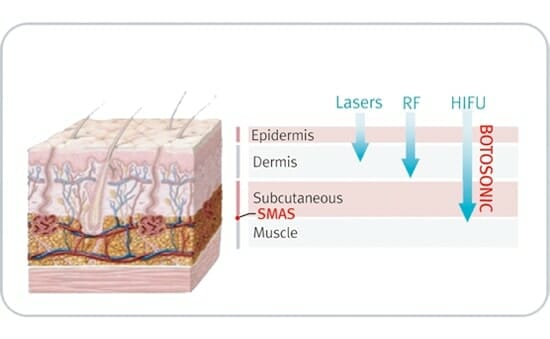
What makes HIFU particularly unique is its ability to reach the SMAS layer, which lies approximately 4.5 mm beneath the skin surface. This depth is critical because it is the same structural layer targeted during surgical facelift procedures.
When HIFU energy is delivered to this layer, several biological responses occur:
1. Immediate Tissue Contraction
Heat causes existing collagen fibers to contract instantly, producing a subtle tightening effect.
2. Collagen Remodeling
The thermal stimulation activates fibroblasts, encouraging the production of new collagen and elastin over the following weeks and months.
3. Structural Lifting
As collagen density increases and tissue becomes firmer, the skin gradually lifts and tightens.
Because HIFU energy is precisely focused, the epidermis and surrounding tissues remain largely unaffected. This allows the treatment to work deep below the surface without damaging the outer skin layer.
Modern professional HIFU devices typically offer multiple cartridges or treatment heads designed for different penetration depths, such as 1.5 mm, 3.0 mm, and 4.5 mm. This enables practitioners to treat multiple layers of the skin for a more comprehensive rejuvenation effect.
Advantages / Comparison
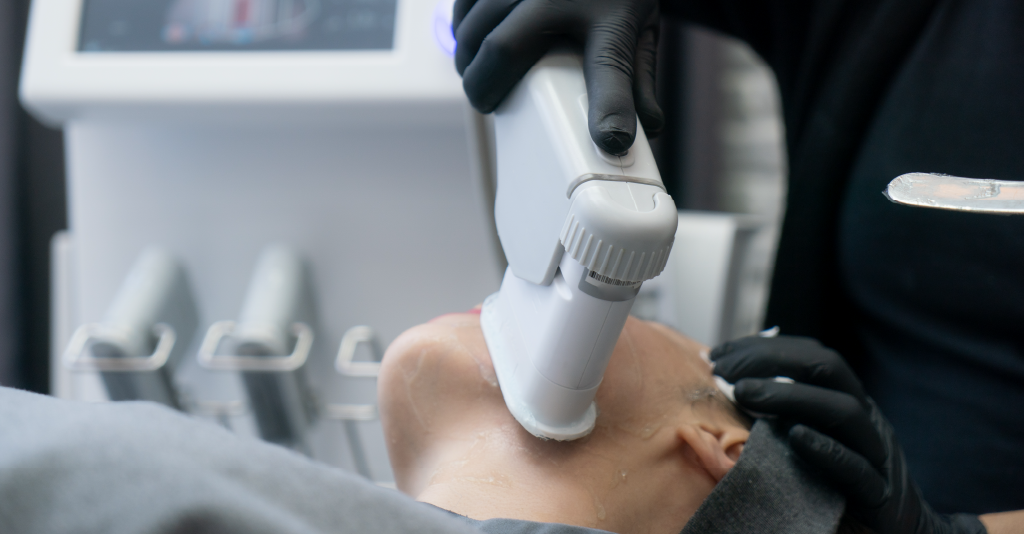
HIFU stands out among non-invasive lifting technologies due to its ability to reach deeper tissue structures.
Compared to radiofrequency (RF) treatments, which primarily heat the dermis, HIFU penetrates deeper and can directly affect the SMAS layer. This makes HIFU particularly effective for lifting and contouring the face.
When compared with laser-based treatments, HIFU works beneath the skin rather than focusing on the surface. Lasers are excellent for improving skin tone and texture, but they do not typically reach the same structural depth.
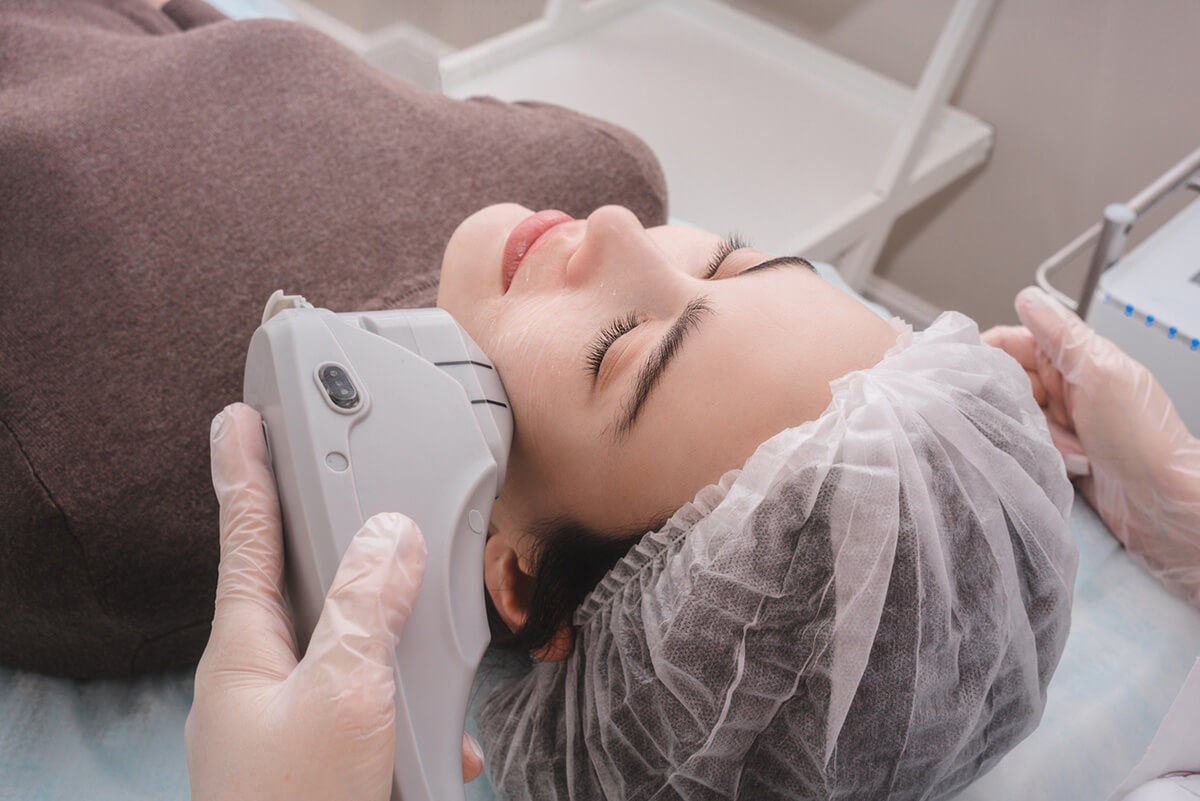
In comparison to surgical facelifts, HIFU offers a non-invasive alternative with significantly fewer risks. There are no incisions, minimal discomfort, and little to no downtime. Clients can usually return to normal activities immediately after treatment.
Another advantage is the natural progression of results. Instead of dramatic overnight changes, HIFU stimulates the body’s own regenerative processes. Over several weeks to three months, the skin gradually becomes firmer and more lifted, producing a subtle and natural appearance.
For aesthetic clinics, HIFU treatments also represent an attractive service option. The technology can address common client concerns such as jawline sagging, double chin formation, and loose skin on the neck—all without surgery.
Applications / Client Needs
HIFU treatments are widely used in aesthetic clinics to address a variety of skin laxity concerns.
Common treatment areas include:
-
Jawline lifting
-
Cheek tightening
-
Brow lifting
-
Neck tightening
-
Double chin improvement
Many clients seeking HIFU treatments are individuals in their 30s to 60s who notice early to moderate skin laxity but are not ready for surgical procedures.
The treatment is typically performed as a single session, although some clients may benefit from additional sessions depending on their skin condition and treatment goals.
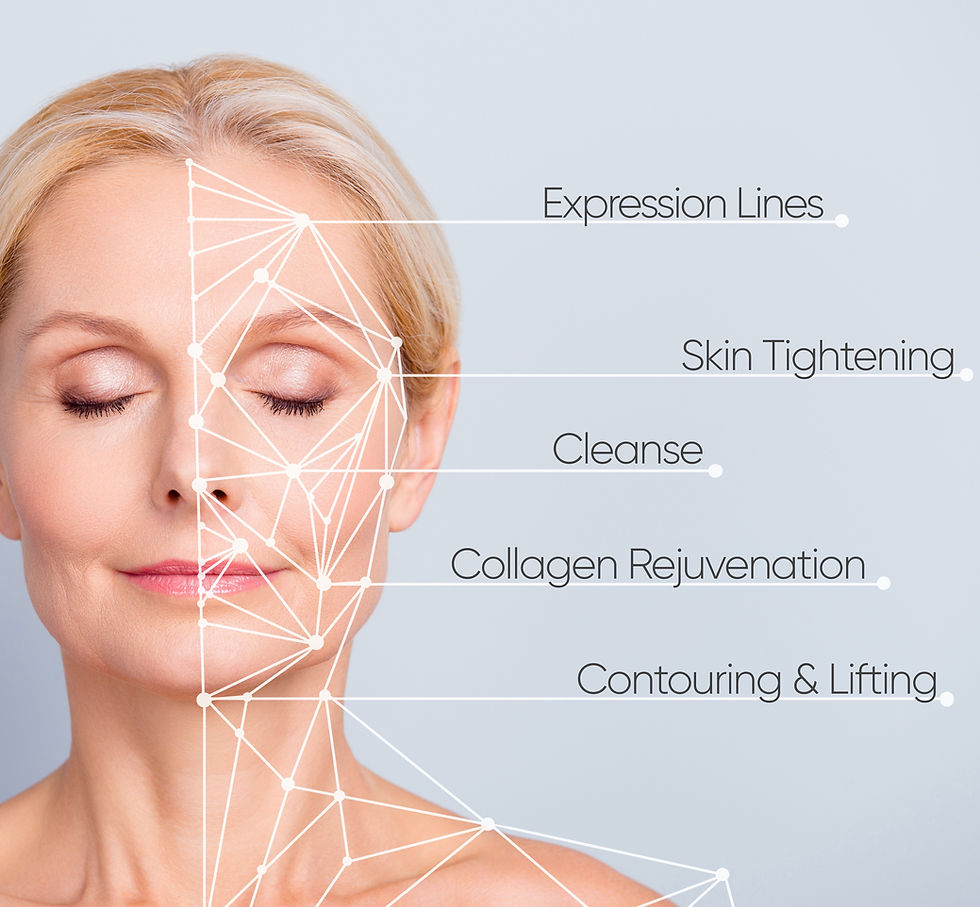
Results gradually develop over 2–3 months as collagen remodeling continues. In many cases, improvements can last 12 months or longer, especially when combined with proper skincare and maintenance treatments.
In professional beauty clinics, HIFU is often integrated into comprehensive anti-aging programs alongside treatments such as RF skin tightening, microneedling, or LED therapy.
For practitioners, selecting high-quality professional HIFU equipment and properly customizing treatment parameters is essential for achieving safe and effective results.
Conclusion
HIFU has transformed the landscape of non-invasive facial lifting by making it possible to target the SMAS layer without surgery. Through precisely focused ultrasound energy, this technology stimulates collagen regeneration, tightens deep tissue structures, and gradually lifts the skin.
For clients seeking natural-looking rejuvenation without the risks of surgery, HIFU offers a powerful and convenient solution. For aesthetic clinics and beauty professionals, it provides a versatile treatment option capable of addressing some of the most common signs of facial aging.
As non-invasive technologies continue to advance, HIFU remains one of the most important innovations in modern aesthetic medicine—bridging the gap between traditional skincare treatments and surgical lifting procedures.
Founded in 2008, Guangzhou GLM Beauty Spa Equipment Factory specializes in research, development, manufacture and selling of beauty and slimming machines. Our production base is located in Guangzhou City, Guangdong Province, China. Since our foundation, we have introduced advanced technologies and equipment, to assure high quality and high performance of our products. With professional marketing guide and excellent after-sales service, our products have been exported to over 20 countries and regions, including Southeast Asia, the Middle East, Europe and the United States, won worldwide praises and gained a good reputation.