Introduction
Hair loss has become an increasingly common concern among both men and women, affecting not only appearance but also confidence and overall well-being. In professional clinics and scalp care centers, clients are no longer satisfied with slow-acting topical products or temporary solutions. Instead, they are actively seeking advanced, technology-driven treatments that can deliver visible and consistent results.
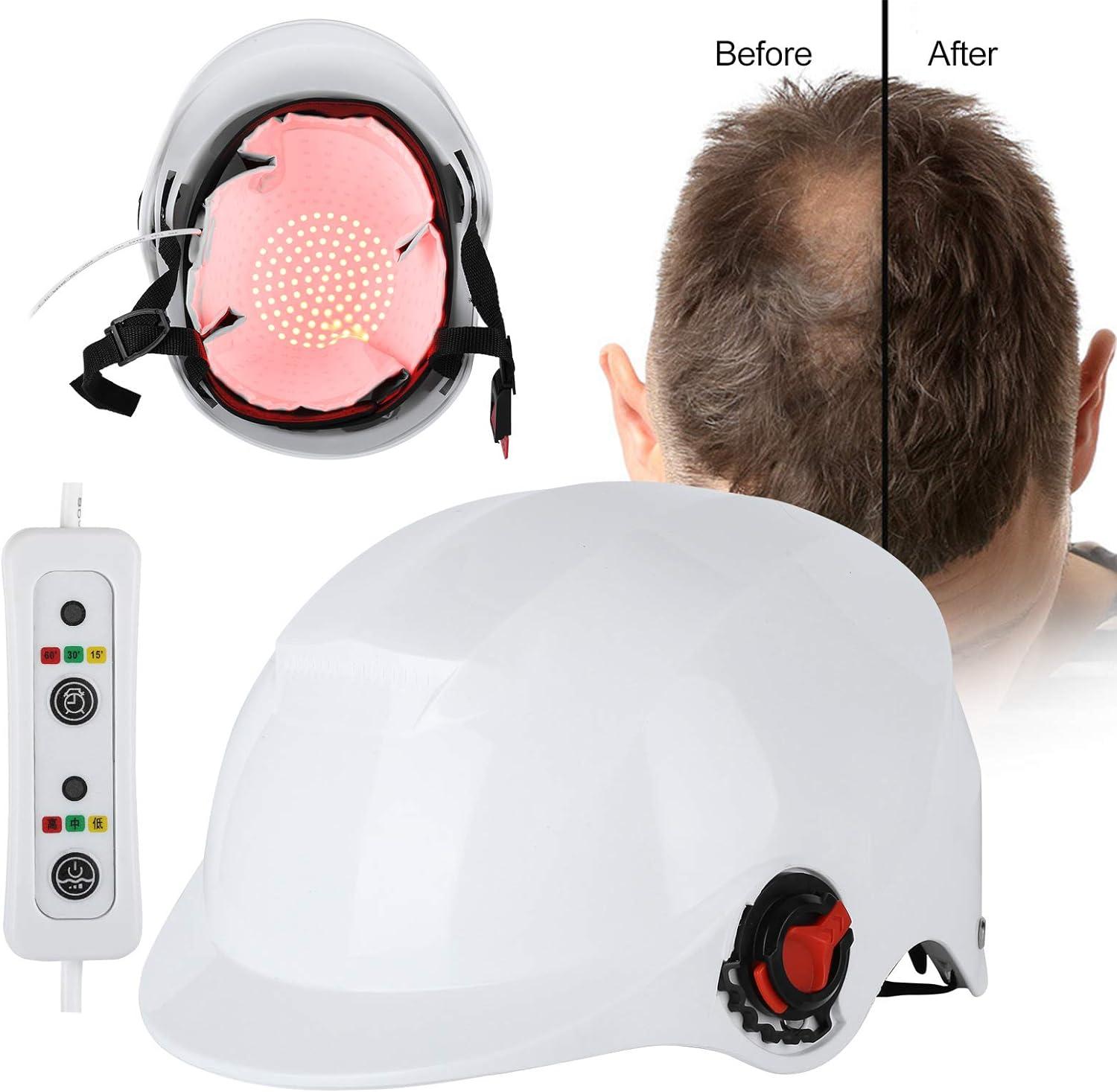
Among these innovations, laser hair growth helmets have emerged as a highly effective and scalable solution. Designed for both clinical use and guided home-care programs, these devices utilize light-based technology to stimulate hair follicles and improve scalp conditions.
For professional practitioners, laser hair growth helmets are not just a trend—they represent a new standard in non-invasive hair restoration. By combining convenience, safety, and scientifically supported mechanisms, these devices are becoming a key component in modern hair treatment programs.
Background/Problem
Hair loss can be caused by a variety of factors, including genetics, hormonal changes, stress, poor scalp circulation, and environmental influences. Common conditions such as androgenetic alopecia result in progressive thinning of hair due to weakened hair follicles and reduced growth cycles.
The main challenges in treating hair loss include:
- Reduced blood circulation to hair follicles
- Shortened hair growth (anagen) phase
- Inactive or weakened follicles
- Poor scalp environment affecting hair quality
Traditional solutions such as shampoos, serums, and oral supplements often provide limited results because they primarily act on the surface or rely on long-term biochemical changes.
Additionally, invasive procedures like hair transplants may not be suitable for all clients due to cost, recovery time, and associated risks.
For clinics, this creates a demand for non-invasive, device-based treatments that can directly stimulate hair follicles, improve scalp conditions, and support natural hair regrowth. Laser hair growth helmets are specifically designed to address these needs.
Technology/Mechanism

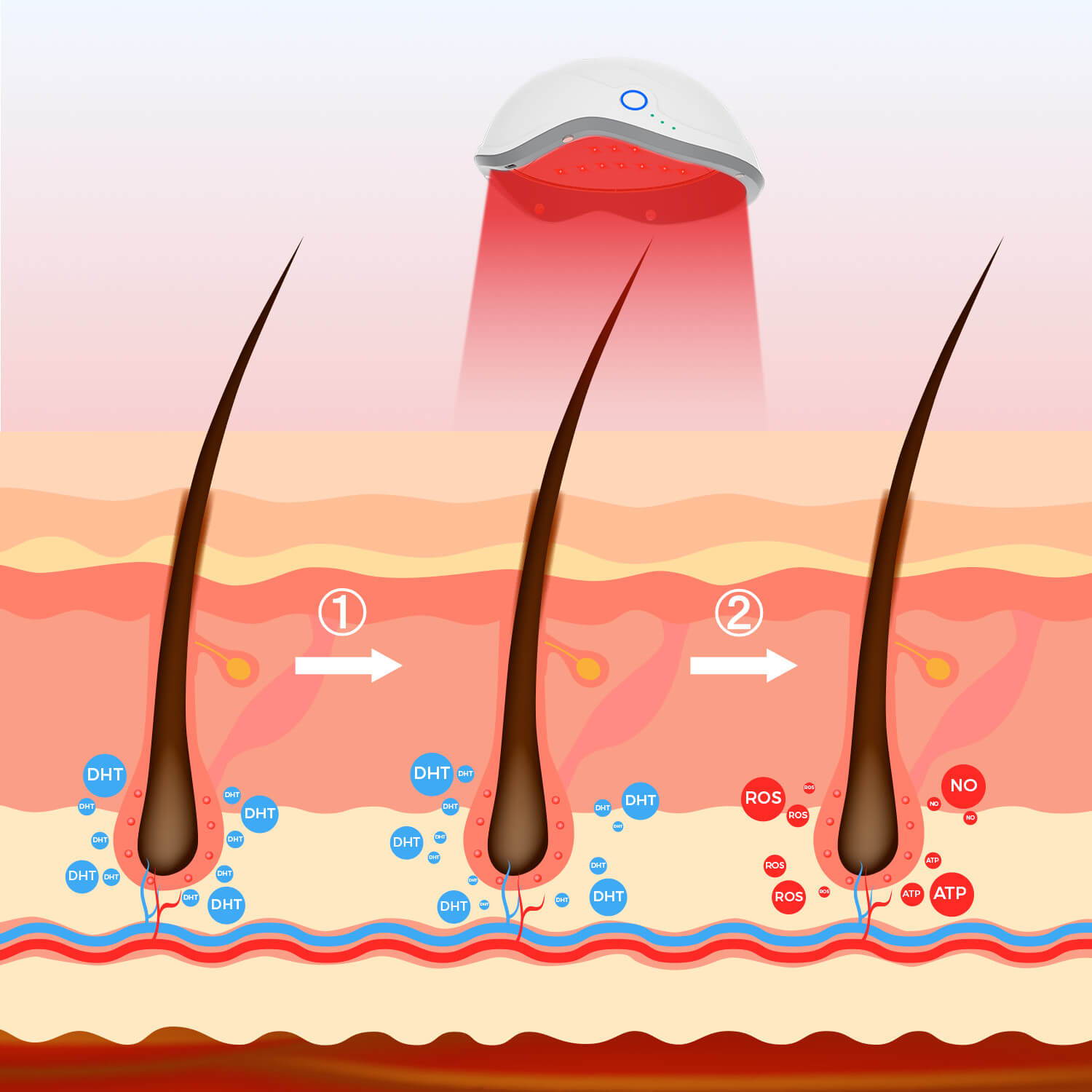
Laser hair growth helmets are based on low-level laser therapy (LLLT), a technology that uses specific wavelengths of light—typically in the red or near-infrared spectrum—to stimulate biological activity within the scalp.
The mechanism works through several key processes:
1. Follicle Stimulation
Laser light penetrates the scalp and reaches hair follicles, stimulating cellular activity and encouraging dormant follicles to re-enter the growth phase.
2. Improved Blood Circulation
LLLT enhances microcirculation in the scalp, increasing the delivery of oxygen and nutrients to hair follicles. This creates a healthier environment for hair growth.
3. Increased Cellular Energy (ATP Production)
The light energy promotes mitochondrial activity within cells, boosting ATP production. This provides the energy needed for stronger and more active hair growth.
4. Reduction of Inflammation
Laser therapy helps reduce scalp inflammation, which can be a contributing factor in hair thinning and follicle damage.
Professional-grade laser helmets are designed with:
- Multiple laser diodes for full scalp coverage
- Stable and consistent energy output
- Ergonomic design for comfortable use
- Programmable treatment durations
This ensures that each session delivers uniform and effective stimulation across the entire scalp.
Advantages/Comparison
From a device-centered perspective, laser hair growth helmets offer several clear advantages over traditional hair loss treatments.
1. Non-Invasive and Safe
Unlike surgical procedures, laser helmets provide a painless and non-invasive solution, making them suitable for a wide range of clients.
2. Consistent and Even Coverage
The helmet design ensures that light energy is distributed evenly across the scalp, eliminating the inconsistencies often seen with manual treatments.
3. Scalable Treatment Model
Clinics can integrate laser helmets into both in-clinic sessions and home-care programs, allowing for continuous treatment without increasing staff workload.
4. Enhanced Treatment Compliance
Because the device is easy to use and comfortable, clients are more likely to follow recommended treatment schedules, leading to better results.
5. Synergy with Other Scalp Treatments
Laser helmets can be combined with other technologies such as scalp analysis devices, mesotherapy (needle-free), or high-frequency treatments to enhance overall outcomes.
6. Superior to Topical and Home Solutions
Compared to shampoos or basic home-use tools, professional laser helmets provide:
- Clinically effective light wavelengths
- Higher energy stability
- More comprehensive scalp coverage
This results in more noticeable and reliable improvements in hair density and quality.
From a business perspective, laser hair growth helmets allow clinics to expand into the high-demand hair restoration market. They can be positioned as both a standalone treatment and a core component of long-term hair care programs, increasing client retention and treatment value.
Applications/Client Needs
In professional settings, laser hair growth helmets are used to address a wide range of hair and scalp concerns.
For clients experiencing early-stage hair thinning, regular laser treatments help strengthen follicles and slow down hair loss progression.
For individuals with moderate hair loss, the technology supports follicle reactivation and improves overall hair density when used consistently as part of a treatment program.
For clients with scalp issues such as poor circulation or inflammation, laser therapy improves scalp health, creating a more favorable environment for hair growth.
Laser helmets are also commonly integrated into combination treatment plans. For example, AI scalp analysis can be used to assess the condition, followed by laser therapy sessions and supportive infusion treatments.
In many clinics, treatment plans are structured over several months, with sessions performed multiple times per week or guided home use to ensure continuous stimulation.
For clinics, this flexibility makes laser hair growth helmets a high-utilization device that can serve both treatment and maintenance phases effectively.
Conclusion
Laser hair growth helmets represent a significant advancement in non-invasive hair restoration technology. By utilizing low-level laser therapy, these devices directly stimulate hair follicles, improve scalp circulation, and support natural hair regrowth.
For professional clinics and scalp care centers, investing in laser helmet systems is a strategic move. It enables the delivery of effective, scalable, and client-friendly hair loss solutions while expanding service offerings in a rapidly growing market.
As demand for safe and technology-driven hair restoration continues to rise, laser hair growth helmets will play an increasingly important role in modern treatment protocols—offering a practical and results-oriented approach to managing hair loss.
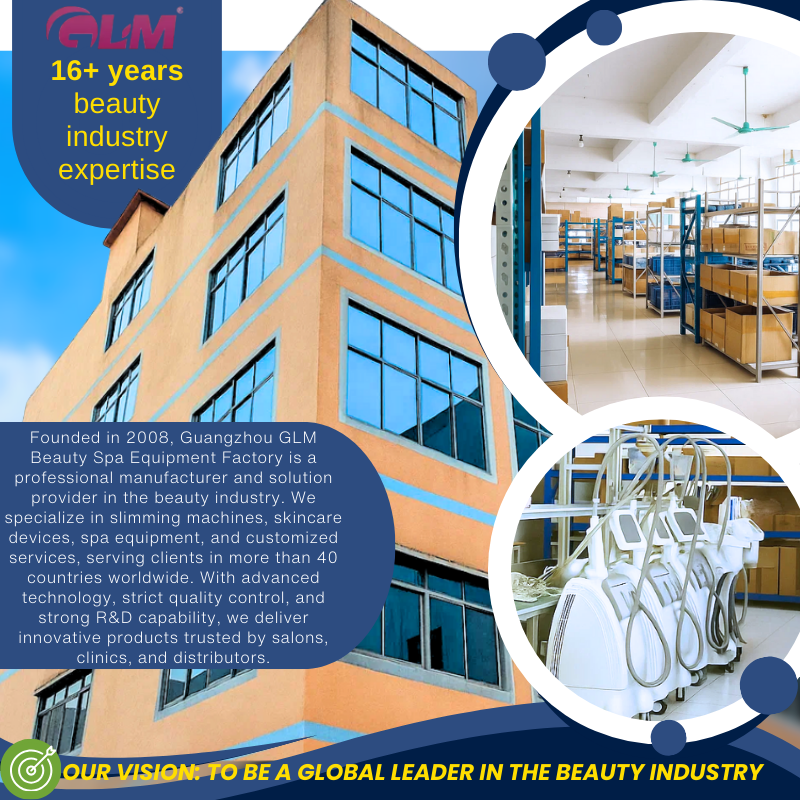
Founded in 2008, Guangzhou GLM Beauty Spa Equipment Factory specializes in research, development, manufacture and selling of beauty and slimming machines. Our production base is located in Guangzhou City, Guangdong Province, China. Since our foundation, we have introduced advanced technologies and equipment, to assure high quality and high performance of our products. With professional marketing guide and excellent after-sales service, our products have been exported to over 20 countries and regions, including Southeast Asia, the Middle East, Europe and the United States, won worldwide praises and gained a good reputation.