How Long Does LED Phototherapy Take? A Comprehensive Guide to Treatment Duration and Expectations
LED phototherapy has rapidly gained popularity as a non-invasive, painless, and highly effective skincare treatment. Whether you're looking to reduce acne, minimize fine lines, or improve overall skin tone, LED phototherapy offers a science-backed solution. However, one of the most common questions potential users have is: How long does LED phototherapy take, and when can I expect to see results? This guide provides a detailed breakdown of everything you need to know about LED phototherapy duration, frequency, and expected outcomes, helping you make an informed decision for your skincare regimen.
What Is LED Phototherapy?
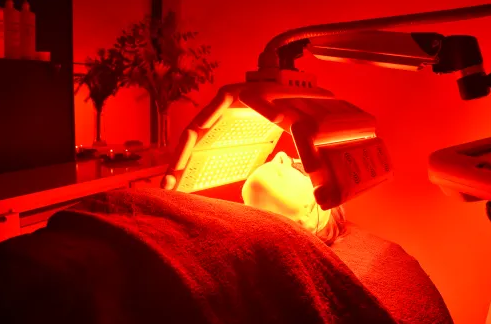
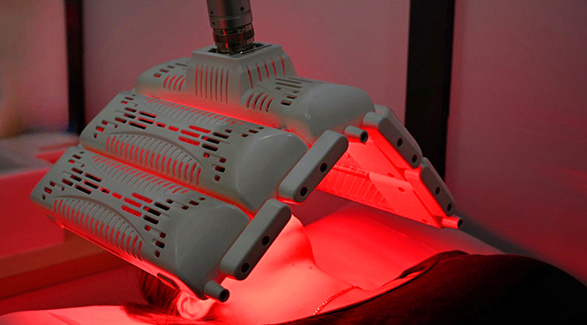
LED phototherapy, also known as light-emitting diode therapy, is a non-invasive treatment that uses specific wavelengths of light to address various skin concerns. Unlike laser therapies, LED phototherapy does not involve ultraviolet (UV) rays, making it safe for most skin types and tones. Its gentle yet effective nature has made it a preferred choice for both clinical and at-home skincare routines.
How Does LED Phototherapy Work?
LED devices emit distinct wavelengths (colors) of light, each targeting different layers of the skin and triggering specific biological responses:
-
Red Light (630-700 nm): Penetrates the skin's surface to stimulate collagen production, enhance cellular repair, and improve blood circulation. This makes it ideal for anti-aging, wound healing, and reducing inflammation.
-
Blue Light (400-470 nm): Targets the bacteria (Propionibacterium acnes) responsible for acne breakouts. It also helps regulate sebum production, making it effective for oily and acne-prone skin.
-
Near-Infrared Light (700-1,200 nm): Penetrates deeper into the skin to reduce inflammation, promote tissue repair, and accelerate healing. It is often used for post-procedure recovery and chronic skin conditions.
Common Applications of LED Phototherapy:
- Reducing acne and inflammation
- Minimizing fine lines and wrinkles
- Enhancing wound healing and reducing scarring
- Improving overall skin tone and texture
- Soothing sensitive or irritated skin
- Treating rosacea and eczema
Typical Session Lengths
One of the key advantages of LED phototherapy is its efficiency. Compared to other skincare treatments, LED sessions are relatively quick and convenient.
In-Clinic Treatments:
- Average Duration: Professional LED phototherapy sessions typically last between 10 and 30 minutes, depending on the treatment area and the specific device used.
- Variations: Some clinics offer shorter, targeted treatments for small areas (e.g., acne spots), while full-face or full-body sessions may take longer. The protocol is often customized based on individual needs and skin concerns.
At-Home Devices:
- Common Durations: Most FDA-cleared at-home LED masks or panels require 10 to 20 minutes per session.
- Comparison with Professional Treatments: While professional devices deliver higher energy for deeper penetration and faster results, at-home devices are designed for convenience and ease of use. However, they may require slightly longer or more frequent sessions to achieve comparable outcomes.
How Many Sessions Are Needed?
The total number of sessions required for visible improvement depends on several factors, including the severity of your skin concern, treatment goals, and device strength.
General Treatment Plans:
- For most skin concerns, a course of 6 to 12 sessions is recommended to achieve optimal results.
- Sessions are typically scheduled 1 to 3 times per week, depending on the condition being treated and the device used.
- Some conditions, such as mild acne or post-procedure recovery, may respond faster, while chronic concerns (e.g., pronounced wrinkles or hyperpigmentation) may require more sessions.
Factors Influencing the Number of Sessions:
- Skin Type and Condition: More severe or stubborn skin issues often demand additional treatments for noticeable results.
- Treatment Goals: Addressing deep wrinkles or significant sun damage may take longer than treating active acne or improving superficial skin tone.
- Device Strength: Medical-grade devices in clinics typically deliver higher energy and more focused wavelengths, leading to faster results compared to at-home models.
Expected Timeline for Visible Results
The timeline for seeing results from LED phototherapy varies from person to person, but here’s what most users can expect:
- Initial Changes: Some users report mild improvements, such as reduced redness or a subtle glow, after just 1 to 2 sessions.
- Noticeable Results: Most clients experience a significant reduction in acne, wrinkles, or redness within 4 to 6 sessions, spaced over 2 to 3 weeks.
- Long-Term Improvement: Full benefits—such as substantial wrinkle reduction, scar fading, and improved skin texture—generally emerge after completing the recommended 6 to 12-session protocol.
Why Consistency Matters:
Like any skincare treatment, consistency is crucial for optimal results. Regular sessions ensure continuous collagen stimulation, cellular renewal, and anti-bacterial effects, leading to lasting improvements.
Factors That Affect Treatment Duration
Every individual’s skin and goals are unique, which means the total time commitment and number of sessions can vary. Here are the main factors influencing your LED phototherapy journey:
- Professional vs. At-Home Treatments: Professional devices deliver energy more efficiently, so results may come sooner with fewer sessions compared to at-home devices.
- Severity and Type of Concern: Treating chronic skin conditions or years of sun damage naturally takes longer than addressing minor acne or general dullness.
- Individual Response: Age, genetics, and lifestyle (e.g., diet, stress levels, and sun exposure) all impact how quickly your skin responds to LED phototherapy.
- Adherence to Treatment Plan: Skipping sessions or inconsistent use can delay results. Sticking to the prescribed schedule is essential for success.
Frequently Asked Questions
Can you speed up results by increasing session frequency?
While it’s tempting to want faster results, overusing LED devices—especially at high settings—can cause temporary irritation or dryness. Always follow professional guidelines or manufacturer instructions for frequency and duration.
Are longer sessions more effective?
Longer exposure does not always equate to better outcomes. LED phototherapy is designed to work in short, focused bursts (typically 10 to 30 minutes) to maximize efficacy without overwhelming the skin.
Is LED phototherapy safe for extended periods?
Yes, when used correctly, LED phototherapy has an excellent safety profile. However, it’s important to avoid excessive use and always follow professional or manufacturer recommendations to prevent potential side effects.
Tips for Maximizing LED Phototherapy Results
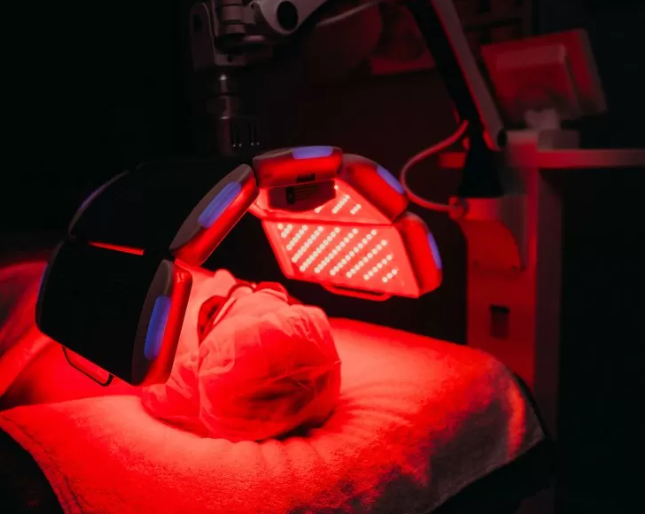
To get the most out of your LED phototherapy treatments, consider the following tips:
- Stick to the Protocol: Whether receiving treatments in a clinic or using an at-home device, adhere to the prescribed schedule for consistent results.
- Pair with a Proper Skincare Routine: Cleanse your face thoroughly before each session to remove impurities and allow better light penetration. Follow up with gentle, nourishing products. Avoid harsh exfoliants or active ingredients (e.g., retinoids or AHAs) immediately before or after your session unless recommended by your provider.
- Protect Your Skin: Wear sunscreen daily and avoid excessive sun exposure, especially while undergoing LED phototherapy, as UV rays can counteract its benefits.
- Consult a Professional: For persistent or severe concerns, especially if combining LED with other treatments (e.g., chemical peels or microneedling), always consult with a dermatologist or qualified skincare provider.
Conclusion
LED phototherapy is a versatile, science-backed solution for a wide range of skin concerns. Most sessions are short, typically lasting between 10 and 30 minutes, with a full course usually spanning 6 to 12 treatments. While some users see improvements after the first few sessions, consistent use is crucial for achieving the best possible results.
The ultimate duration—both per session and for a complete treatment regimen—depends on your skin’s needs, the power of the device used, and your commitment to the process. By understanding what to expect and following expert advice, LED phototherapy can become a valuable and rewarding part of your skincare journey.
GLM is a specialized beauty instrument factory that produces instruments for a variety of functions, including weight loss devices. We have vacuum negative press, radio frequency fat blasting equipment, frozen fat dissolving machine and EMS body shaping machine. GLM is a 14 year old supplier of beauty instruments with guaranteed quality.https://gdglmbeauty.com/