
How Long Should You Wait Between HIFU Treatments? A Comprehensive Guide to Optimizing Results
High-Intensity Focused Ultrasound (HIFU) has emerged as a leading non-invasive treatment for skin tightening, facial rejuvenation, and body contouring. Its ability to deliver visible results without surgery, anesthesia, or extended downtime has made it a preferred choice for individuals seeking to combat the signs of aging. However, a common query among patients is, "How long should I wait between HIFU treatments?" Understanding the optimal interval between sessions is critical to maximizing efficacy, ensuring safety, and achieving long-lasting, natural-looking results.
This in-depth guide explores the science behind HIFU, the factors influencing treatment frequency, and the importance of adhering to recommended intervals.
What is HIFU and How Does It Work?
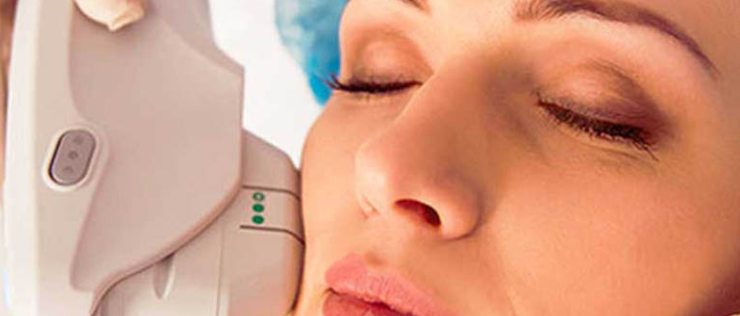
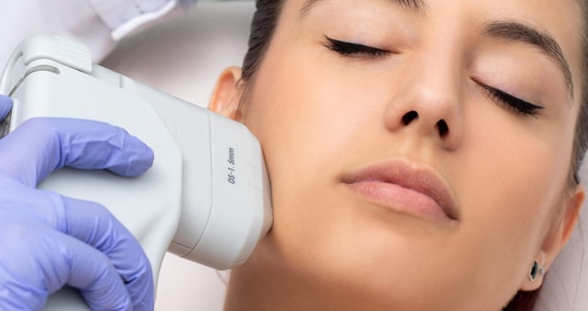
HIFU is a non-surgical cosmetic procedure that uses focused ultrasound energy to target deep layers of the skin, including the superficial muscular aponeurotic system (SMAS)—the same layer addressed in surgical facelifts. The energy generates thermal heat, causing controlled micro-injuries that stimulate the body’s natural healing response. This process triggers collagen synthesis and elastin remodeling, leading to gradual skin tightening, lifting, and rejuvenation.
Key Benefits of HIFU:
- Non-invasive: No incisions, anesthesia, or scarring.
- Minimal Downtime: Patients can resume daily activities immediately.
- Long-lasting Results: Effects improve over 3–6 months and can last 1–2 years.
- Versatile Applications: Effective for face, neck, décolletage, and body contouring.
Common Treatment Areas:
- Brow lifting and forehead tightening
- Jawline definition and reduction of jowls
- Neck and double chin reduction
- Cheek and mid-face volumization
- Body tightening (e.g., abdomen, arms, thighs)
Typical HIFU Treatment Protocol: How Many Sessions Are Needed?
The number of HIFU sessions required varies based on individual factors, including:
- Age and Skin Condition:
- Younger patients (30–40) with mild laxity may achieve satisfactory results with 1 session every 12–18 months.
- Older patients (50+) with advanced sagging may require 2–3 sessions spaced 3–6 months apart, followed by annual maintenance.
- Treatment Area:
- Smaller areas (e.g., brow, décolletage) may need fewer sessions than larger or more pronounced sagging areas (e.g., neck, abdomen).
- Desired Outcomes:
- Patients seeking subtle improvements may opt for 1 session, while those desiring dramatic results may require multiple treatments.
- Lifestyle and Skincare:
- Poor skincare habits (e.g., sun exposure, smoking) can accelerate aging, necessitating more frequent treatments.
General Recommendation:
Most patients achieve optimal results with 1–3 sessions, spaced 3–6 months apart, followed by maintenance as needed.
How Long Should You Wait Between HIFU Treatments?
Experts recommend waiting 3–6 months between HIFU sessions. This interval allows the skin to:
- Complete Collagen Remodeling:
- HIFU-induced collagen production peaks at 3–6 months post-treatment.
- Overlapping treatments too soon may disrupt the healing process, reducing efficacy.
- Assess Results:
- Full results become visible after 3–6 months, enabling patients and practitioners to evaluate whether additional sessions are necessary.
- Minimize Risks:
- Frequent treatments (e.g., <3 months apart) may increase the risk of:
- Overstimulation of collagen (leading to irregularities)
- Skin sensitivity or burns
- Unnecessary expense without added benefit
- Frequent treatments (e.g., <3 months apart) may increase the risk of:
Best Practice:
Wait at least 12–16 weeks before scheduling a follow-up session to allow the skin to fully recover and rejuvenate.
The Science Behind Waiting: Why Timing Matters
HIFU works by:
- Delivering Focused Ultrasound Energy:
- The energy penetrates to precise depths (e.g., 1.5mm, 3.0mm, 4.5mm) to target different skin layers.
- Inducing Controlled Thermal Injury:
- Temperatures reach 60–70°C, causing coagulative necrosis (micro-injuries) that stimulate collagen production.
- Triggering the Wound-Healing Cascade:
- Fibroblasts migrate to the treated area, synthesizing new collagen and elastin.
- This process is gradual, with maximal results visible at 3–6 months.
Risks of Over-Treating:
- Collagen Overload: Too frequent treatments may overwhelm the skin’s regenerative capacity, leading to suboptimal results.
- Increased Downtime: Overlapping treatments may prolong redness, swelling, or tenderness.
- Higher Cost: Unnecessary sessions provide diminishing returns.
Factors Influencing Your Individual Treatment Plan
- Skin Laxity and Elasticity:
- Severe sagging may require more sessions.
- Thinner, sun-damaged skin may respond differently than thicker, resilient skin.
- Age and Genetics:
- Younger patients (with better collagen reserves) may need fewer treatments.
- Genetic predisposition to aging (e.g., early wrinkling) may influence results.
- Lifestyle and Skincare:
- Sun protection, hydration, and a healthy diet enhance results.
- Smoking and excessive alcohol consumption accelerate aging.
- Previous Cosmetic Procedures:
- Recent fillers, Botox, or laser treatments may require adjustments to the HIFU schedule.
Consultation is Key:
A qualified practitioner will assess your skin and develop a customized treatment plan tailored to your needs.
What to Expect After Each HIFU Treatment
- Immediate Effects:
- Mild redness, swelling, or tingling (resolves within hours to days).
- Some patients notice immediate tightening due to thermal contraction.
- Gradual Improvement:
- New collagen production peaks at 3–6 months, leading to progressive lifting and firming.
- Aftercare Recommendations:
- Avoid sun exposure and use SPF 50+.
- Stay hydrated and use gentle skincare.
- Avoid strenuous exercise for 24–48 hours.
Frequently Asked Questions (FAQs) About HIFU Treatment Timing
Q: Can I have HIFU treatments too often?
A: Yes. Treatments spaced less than 3 months apart may stress the skin and reduce efficacy. Follow clinical guidelines for optimal results.
Q: How do I know if I need more sessions?
A: Your provider will evaluate progress at follow-up appointments. If laxity persists or you desire further improvement, additional sessions may be recommended.
Q: Are intervals different for face and body treatments?
A: The general 3–6 month guideline applies, but body areas (e.g., abdomen) may require longer intervals due to thicker tissue.
Q: How long do HIFU results last?
A: Results typically last 1–2 years, depending on age, lifestyle, and maintenance.
Conclusion: The Importance of Patience in HIFU Treatment
HIFU is a powerful, non-invasive solution for skin tightening and rejuvenation. However, rushing treatments by spacing them too closely can compromise results and increase risks. By adhering to recommended intervals (3–6 months between sessions), you allow your skin to fully heal, remodel collagen, and deliver long-lasting, natural-looking improvements.
Key Takeaways:
- Optimal Frequency: 1–3 sessions, spaced 3–6 months apart.
- Wait Time: Allow 12–16 weeks before reassessing results.
- Consult a Professional: A qualified practitioner will tailor a plan to your unique needs.
Ready to Achieve Firmer, Youthful Skin?
Book a consultation with a certified HIFU provider to discuss your goals and develop a personalized treatment strategy. With patience and proper planning, HIFU can help you achieve a refreshed, rejuvenated appearance without surgery or downtime.
GLM is a specialized beauty instrument factory that produces instruments for a variety of functions, including weight loss devices. We have vacuum negative press, radio frequency fat blasting equipment, frozen fat dissolving machine and EMS body shaping machine. GLM is a 14 year old supplier of beauty instruments with guaranteed quality.https://gdglmbeauty.com/