Introduction
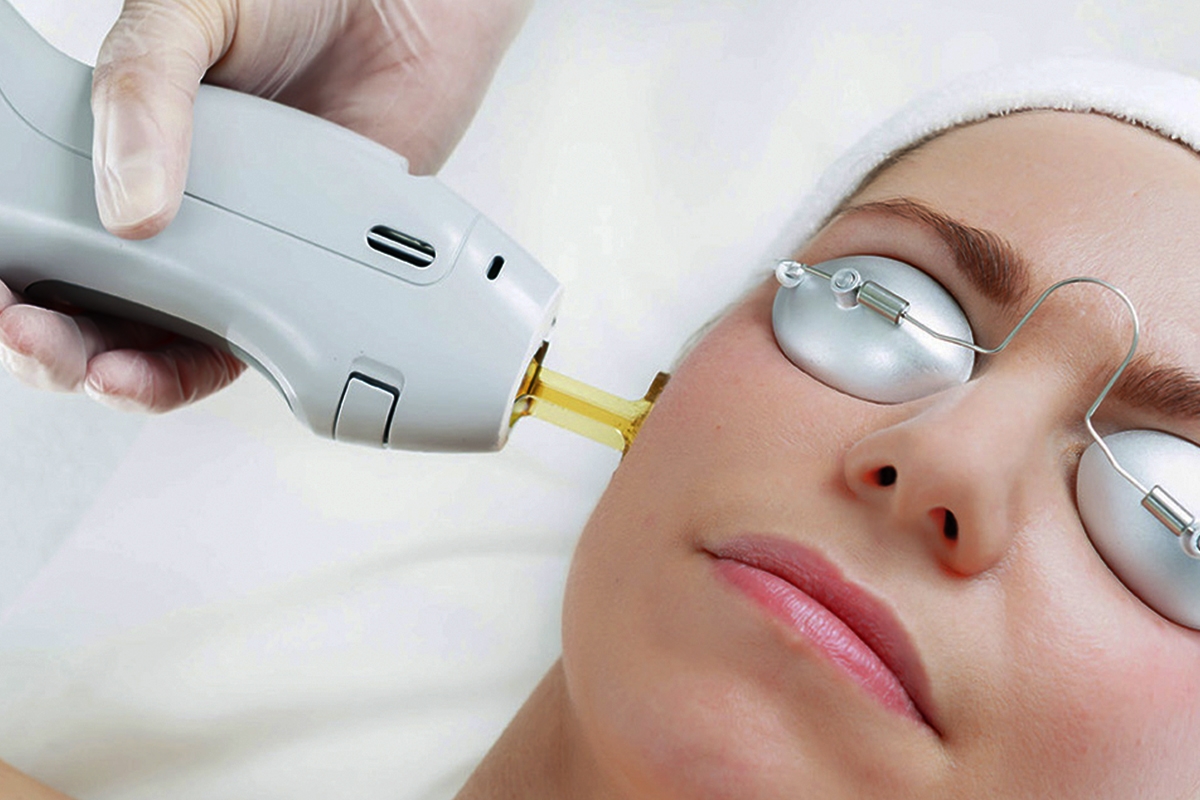
Hyperpigmentation has become one of the most common skin concerns in modern aesthetic practice. Across professional beauty salons, dermatology clinics, and medical aesthetic centers, clients increasingly seek effective solutions for melasma, sun spots, post-inflammatory pigmentation, and uneven skin tone. Unlike acne or wrinkles, pigmentation disorders are often persistent, recurrent, and emotionally distressing, as they are highly visible and resistant to many traditional skincare approaches. This has driven the demand for advanced, technology-based treatments rather than purely topical solutions.
Among the various energy-based devices used in pigmentation treatment, the ND YAG laser has established itself as one of the most reliable and widely adopted tools in professional settings. Unlike surface-level light therapies or chemical peels, ND YAG laser technology can penetrate deeper into the skin while maintaining a high level of precision and safety. This makes it particularly effective for treating stubborn melasma and deep-seated dark spots that do not respond well to conventional methods.
What distinguishes ND YAG laser from other laser types is its specific wavelength, which allows it to selectively target melanin while minimizing damage to surrounding tissue. This selective photothermolysis principle enables practitioners to reduce pigmentation gradually and naturally rather than causing aggressive skin trauma. As a result, clients experience clearer, more even-toned skin with minimal downtime.
This article explores how ND YAG laser works in treating melasma and dark spots, examining the underlying science, its advantages compared to alternative methods, real-world applications in professional settings, and why it has become a preferred choice for both practitioners and clients seeking long-term pigmentation management.
Background / Problem
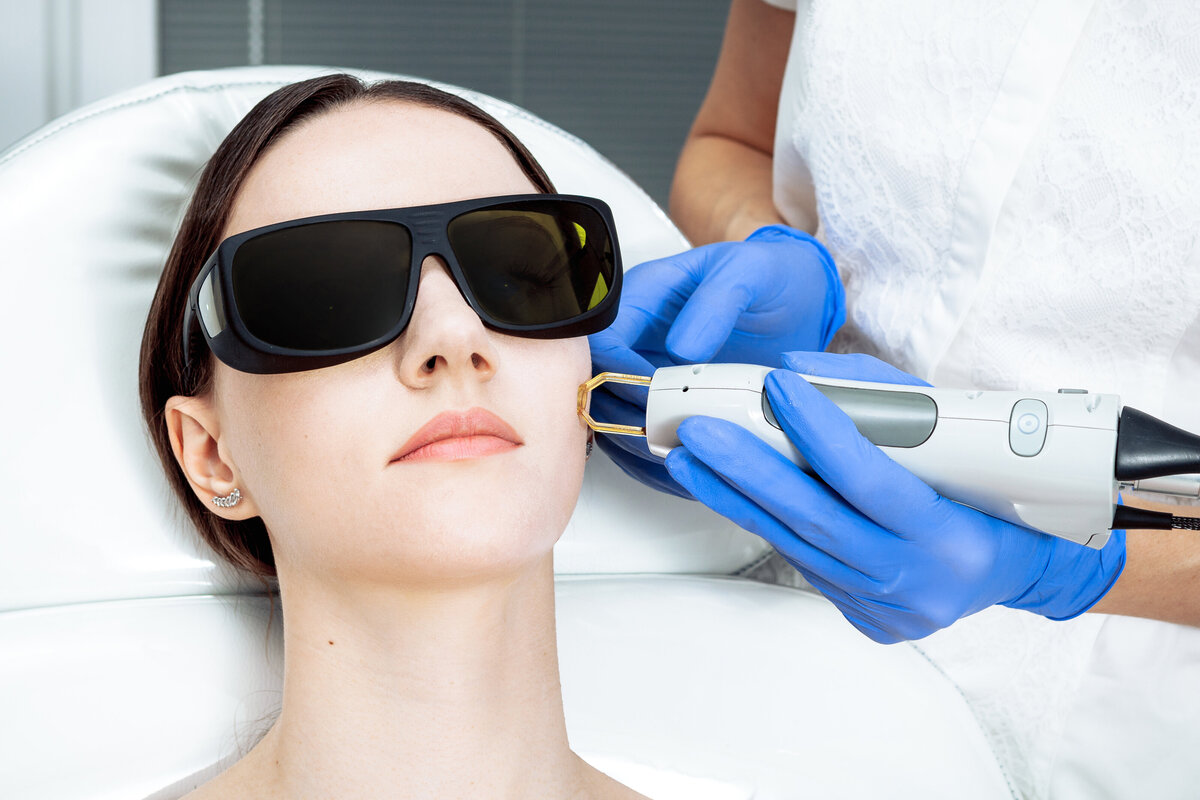
Melasma and dark spots are complex pigmentation disorders influenced by multiple internal and external factors. Melasma, in particular, is commonly associated with hormonal changes, sun exposure, and genetic predisposition. It often appears as symmetrical brown or grayish patches on the cheeks, forehead, and upper lip, making it especially frustrating for clients who desire clear and uniform skin tone. Unlike temporary blemishes, melasma tends to be chronic and recurrent, requiring ongoing management rather than a one-time treatment.
Traditional approaches to pigmentation have included topical lightening agents, chemical peels, and broad-spectrum light therapies. While these methods can provide some improvement, they often have limitations. Topical products such as hydroquinone, vitamin C, or niacinamide may take months to show results and may not be effective for deeper pigmentation. Chemical peels can accelerate skin renewal but carry risks of irritation, post-inflammatory hyperpigmentation, and uneven peeling, especially for darker skin types.
Earlier laser technologies, such as ablative lasers or intense pulsed light (IPL), also showed promise but were not always ideal for melasma. Ablative lasers can be too aggressive, increasing the risk of rebound pigmentation. IPL, while useful for superficial spots, may not penetrate deeply enough to address dermal melanin deposits commonly found in melasma.
This created a need for a more targeted, controlled, and skin-friendly solution. ND YAG laser emerged as a superior option due to its deeper penetration, selective melanin targeting, and safer profile across different skin tones. Its ability to break down pigment gradually without causing significant thermal damage has made it a preferred choice in modern pigmentation treatment protocols.
Technology / Mechanism
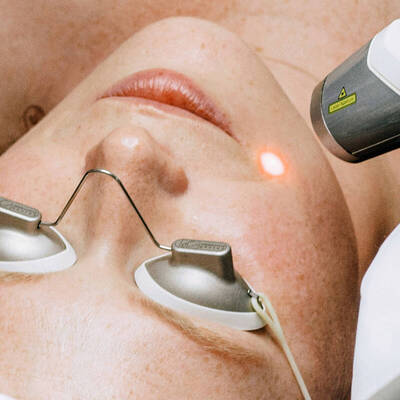
ND YAG laser operates at a wavelength of 1064 nanometers, which allows it to penetrate deeper into the dermis compared to shorter-wavelength lasers. This is particularly important for treating melasma, as melanin deposits can exist not only in the epidermis but also in the deeper dermal layers.
The fundamental principle behind ND YAG laser treatment is selective photothermolysis. The laser emits highly focused energy that is preferentially absorbed by melanin pigments within the skin. When melanin absorbs this energy, it heats up and fragments into smaller particles. These fragmented pigment particles are then gradually cleared by the body’s natural lymphatic and immune systems over time.
Unlike ablative lasers that remove layers of skin, ND YAG laser is non-ablative, meaning it does not vaporize or physically damage the skin surface. Instead, it works beneath the surface, preserving the integrity of the epidermis while targeting pigment at a cellular level. This significantly reduces the risk of scarring, infection, or prolonged recovery time.
Many professional ND YAG laser systems also offer adjustable pulse durations, energy levels, and spot sizes, allowing practitioners to customize treatment parameters based on the depth, density, and type of pigmentation. For example, superficial sun spots may require different settings compared to deeper melasma patches.
Additionally, ND YAG laser can stimulate mild dermal remodeling by promoting microcirculation and collagen activity, which may contribute to overall skin quality improvement beyond pigmentation correction.
Advantages / Comparison
One of the primary advantages of ND YAG laser in treating melasma and dark spots is its precision. Compared to broad-spectrum light treatments like IPL, ND YAG laser delivers more controlled and focused energy, reducing the risk of affecting surrounding healthy skin. This makes it especially suitable for clients with sensitive skin or darker skin tones who are more prone to post-inflammatory hyperpigmentation.
Compared to topical treatments, ND YAG laser offers faster and more noticeable results. While creams may take months to show improvement, laser treatments can produce visible lightening after just a few sessions. This efficiency is particularly appealing to clients seeking professional-grade solutions rather than slow, uncertain topical regimens.
When compared to ablative lasers, ND YAG laser is far less aggressive. Ablative lasers can cause significant downtime, redness, and peeling, and may even worsen melasma in some cases. ND YAG laser, on the other hand, provides a gentler approach that reduces pigmentation gradually without excessive skin trauma.
Compared to chemical peels, ND YAG laser offers more consistent and controlled outcomes. Chemical peels can be unpredictable, especially on darker skin types, and may lead to uneven results or irritation. ND YAG laser allows practitioners to precisely target pigment while maintaining skin safety.
In contrast to at-home devices, professional ND YAG laser systems are significantly more powerful and medically validated. Home devices typically lack the energy output and precision required to treat deep pigmentation effectively. In a clinical setting, trained practitioners can assess skin type, adjust parameters, and monitor responses to ensure optimal results.
For beauty salons and aesthetic clinics, offering ND YAG laser treatments enhances their credibility as providers of advanced, science-based skincare solutions. It positions them as leaders in pigmentation management rather than merely offering superficial cosmetic services.
Applications / Client Needs
ND YAG laser is widely used for treating various forms of hyperpigmentation, including melasma, sun spots, age spots, post-inflammatory hyperpigmentation, and uneven skin tone. It is particularly beneficial for clients who have tried topical treatments without satisfactory results.
In melasma treatment, practitioners often adopt a conservative and gradual approach. Instead of using high energy in a single session, multiple low-energy sessions are typically recommended to minimize the risk of rebound pigmentation. Treatments are usually spaced two to four weeks apart, allowing the skin to recover and pigment to clear naturally.
For sun spots and age spots, ND YAG laser can deliver more targeted treatment, often achieving noticeable improvement within fewer sessions. These lesions tend to be more superficial and localized, making them ideal candidates for laser therapy.
Client education plays a crucial role in successful outcomes. Practitioners should emphasize that ND YAG laser is not a permanent cure for melasma, as hormonal and environmental factors may still trigger recurrence. Strict sun protection, including daily use of broad-spectrum sunscreen, is essential to maintain results.
Many professionals combine ND YAG laser with complementary treatments such as topical brightening agents, gentle chemical exfoliation, or LED therapy to enhance overall skin clarity and texture. This integrated approach often yields the best long-term outcomes.
Maintenance sessions may be recommended every few months, particularly for melasma-prone individuals, helping salons and clinics build ongoing client relationships while ensuring sustained results.
Conclusion
ND YAG laser has become one of the most trusted and effective tools for treating melasma and dark spots in professional aesthetic practice. Its ability to penetrate deeply, target melanin selectively, and preserve surrounding tissue makes it a powerful yet gentle solution for complex pigmentation concerns.
For clients, ND YAG laser offers a safe, efficient, and clinically proven alternative to slow topical treatments or aggressive resurfacing procedures. It provides gradual, natural-looking improvements that enhance confidence without compromising skin health.
For beauty professionals, ND YAG laser represents a valuable addition to their treatment portfolio, enabling them to address one of the most common and challenging client concerns with precision and reliability.
Ultimately, the success of ND YAG laser in pigmentation treatment reflects a broader trend toward smarter, more targeted aesthetic technologies. When applied skillfully and responsibly, it can transform the way melasma and dark spots are managed, helping clients achieve clearer, brighter, and more even-toned skin.
Founded in 2008, Guangzhou GLM Beauty Spa Equipment Factory specializes in research, development, manufacture and selling of beauty and slimming machines. Our production base is located in Guangzhou City, Guangdong Province, China. Since our foundation, we have introduced advanced technologies and equipment, to assure high quality and high performance of our products. With professional marketing guide and excellent after-sales service, our products have been exported to over 20 countries and regions, including Southeast Asia, the Middle East, Europe and the United States, won worldwide praises and gained a good reputation.