
-0.jpg?w=474&h=417)
Introduction
In modern aesthetic practice, achieving consistent and high-quality treatment results depends heavily on accurate skin assessment. As client expectations continue to rise, relying solely on visual observation is no longer sufficient to deliver personalized and effective skincare solutions.
Skin analysis devices have transformed the consultation process by providing objective, data-driven insights into skin conditions. These systems allow practitioners to move beyond surface-level evaluation and develop targeted treatment plans based on measurable parameters.
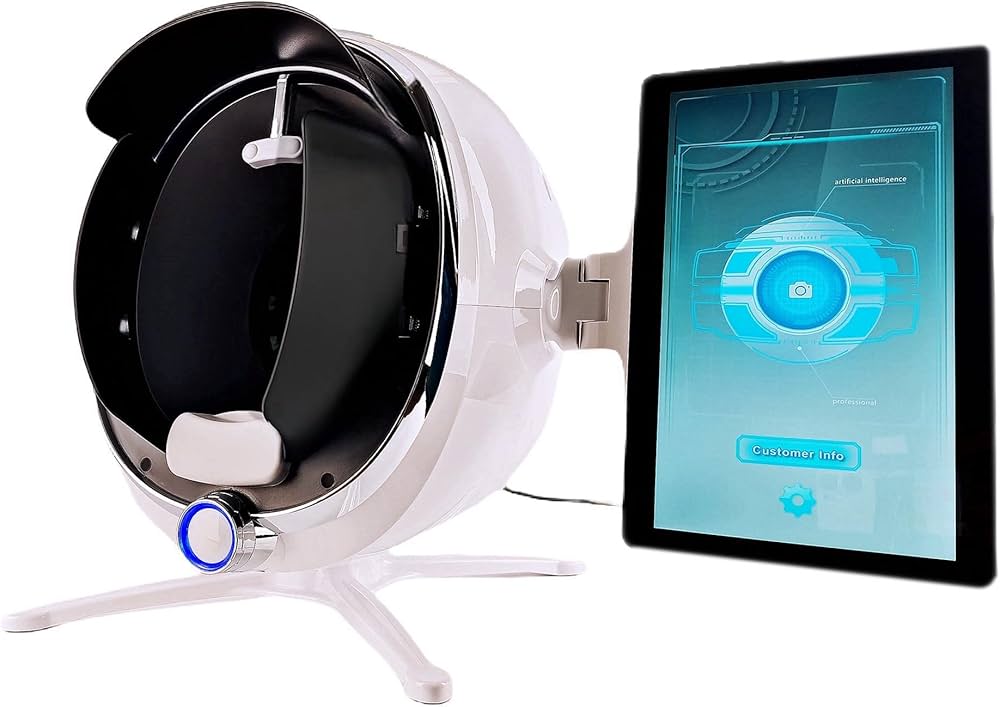
For professional beauty clinics and aesthetic centers, skin analyzers are no longer optional tools—they are essential devices that improve treatment accuracy, enhance client trust, and optimize overall results.
Background/Problem
Traditional skin assessment methods are often based on:
- Visual inspection
- Practitioner experience
- Client-reported concerns
While these approaches can identify obvious issues, they have significant limitations:
- Subjectivity and inconsistency
- Difficulty detecting underlying skin problems
- Limited ability to quantify skin conditions
- Challenges in tracking treatment progress
As a result, treatments may not always be precisely matched to the client’s actual skin condition, leading to:
- Suboptimal results
- Reduced client satisfaction
- Lower treatment conversion rates
For clinics, this highlights the need for more advanced diagnostic tools that can provide accurate, repeatable, and detailed skin analysis.
Technology/Mechanism
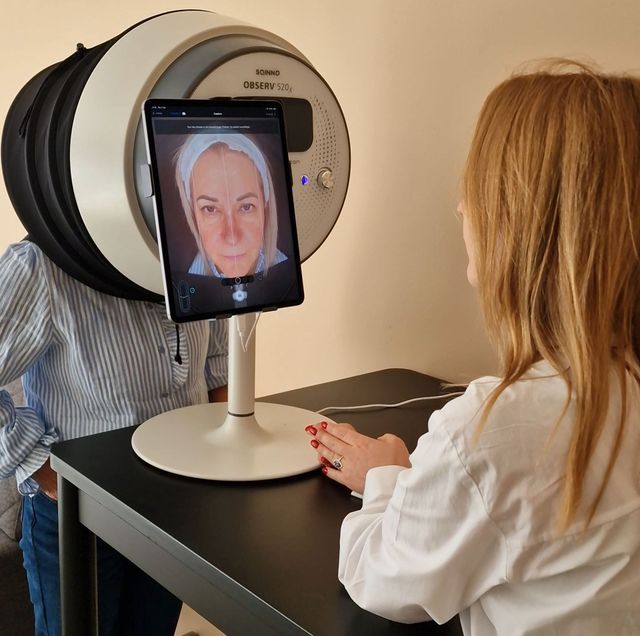
Skin analysis devices use advanced imaging and data-processing technologies to evaluate the skin at multiple levels.
1. Multi-Spectral Imaging
Different light sources—such as UV, polarized, and RGB—are used to capture images of the skin.
- Reveals both surface and subsurface conditions
- Identifies pigmentation, oil levels, and texture irregularities
2. High-Resolution Imaging
High-definition cameras capture detailed images for precise evaluation of pores, wrinkles, and skin texture.
3. AI-Based Data Analysis
Artificial intelligence algorithms analyze the captured data to detect and quantify various skin concerns.
- Provides objective measurements
- Reduces human error
4. Visual Reporting System
The device generates clear, easy-to-understand reports.
- Displays skin condition scores
- Highlights problem areas
- Tracks changes over time
Professional skin analyzers are designed with:
- User-friendly interfaces
- Fast processing capabilities
- Comprehensive diagnostic functions
This ensures efficient and standardized consultations in clinical environments.
Advantages/Comparison
From a device-centered perspective, skin analysis systems offer several advantages over traditional consultation methods.
1. Objective and Data-Driven Results
Eliminates guesswork by providing measurable and consistent data.
2. Improved Treatment Accuracy
Allows practitioners to select the most appropriate treatments based on actual skin conditions.
3. Enhanced Client Communication
Visual reports help clients understand their skin, increasing trust and engagement.
4. Progress Tracking and Validation
Clinics can demonstrate treatment effectiveness through before-and-after comparisons.
5. Increased Treatment Conversion Rates
Clients are more likely to accept recommendations supported by data.
6. Superior to Manual Assessment
Compared to traditional methods, skin analyzers provide:
- Deeper insight
- Quantifiable results
- Repeatable accuracy
From a business perspective, these devices are powerful tools for improving professionalism, differentiating services, and increasing overall clinic performance.
Applications/Client Needs
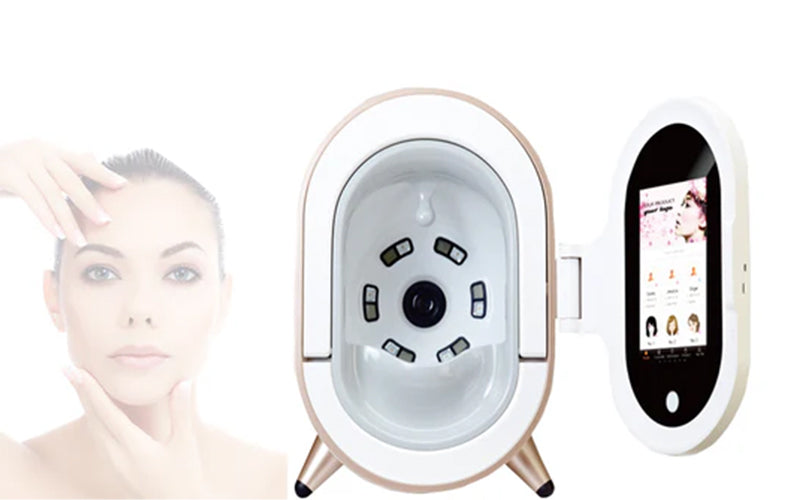
In professional aesthetic clinics, skin analysis devices are typically used as the first step in the treatment process.
During consultation, the device evaluates the client’s skin and generates a detailed report. This allows practitioners to identify both visible and hidden concerns.
Based on the analysis, clinics can design personalized treatment plans, such as:
- Deep cleansing for oily or congested skin
- Hydration treatments for dry skin
- Anti-aging procedures for wrinkles and loss of elasticity
Skin analyzers are also used throughout the treatment journey to:
- Monitor progress
- Adjust treatment protocols
- Provide visual evidence of improvement
For clients, this approach ensures transparency and confidence in the treatment process.
For clinics, it enables standardized and efficient service delivery while improving overall treatment outcomes.
Conclusion
Skin analysis devices play a critical role in improving treatment accuracy by providing objective, data-driven insights into skin conditions.
Through advanced imaging and AI-based analysis, these devices enable precise diagnosis, personalized treatment planning, and measurable result tracking.
For professional beauty clinics, investing in skin analysis technology enhances both service quality and client trust, making it a key component of modern aesthetic practice.
As the industry continues to evolve toward precision and personalization, data-driven skin analysis will remain essential in delivering effective and consistent skincare results.
Founded in 2008, Guangzhou GLM Beauty Spa Equipment Factory specializes in research, development, manufacture and selling of beauty and slimming machines. Our production base is located in Guangzhou City, Guangdong Province, China. Since our foundation, we have introduced advanced technologies and equipment, to assure high quality and high performance of our products. With professional marketing guide and excellent after-sales service, our products have been exported to over 20 countries and regions, including Southeast Asia, the Middle East, Europe and the United States, won worldwide praises and gained a good reputation.