
Introduction
Ultrasonic cavitation has become one of the most widely adopted non-invasive body contouring treatments in aesthetic clinics and medical spas. Its ability to reduce localized fat deposits without surgery, needles, or downtime makes it highly attractive to modern clients who want visible results with minimal disruption to daily life.
However, cavitation is not a “plug-and-play” solution. While the technology itself is powerful, treatment outcomes vary significantly depending on device performance, treatment protocols, and client cooperation. To truly maximize results from cavitation sessions, both practitioners and clients must understand how the technology works and how to support the fat-reduction process before, during, and after treatment.
Background: Why Cavitation Results Are Not Always the Same
Understanding the Fat Reduction Process
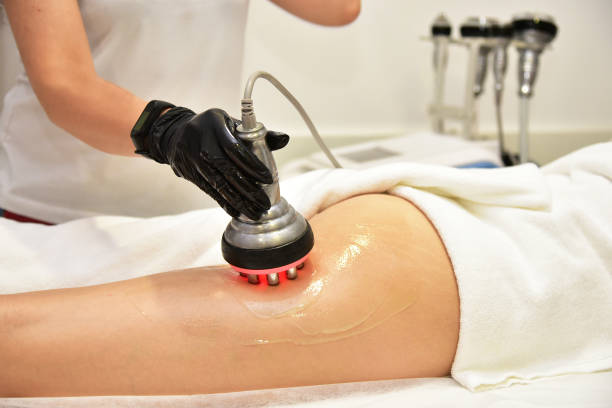
Ultrasonic cavitation works by emitting low-frequency ultrasound waves into subcutaneous fat layers. These sound waves create microscopic bubbles inside fat cells. When these bubbles expand and collapse, they weaken the fat cell membrane, causing the cell to release stored fatty acids and glycerol.
Once released, these byproducts do not disappear instantly. Instead, they are transported through:
-
The lymphatic system
-
The liver
-
The body’s natural metabolic pathways
This biological process explains why cavitation results are gradual rather than immediate.
Common Reasons for Poor Outcomes
Suboptimal cavitation results are often linked to:
-
Irregular treatment schedules
-
Poor hydration
-
Weak lymphatic circulation
-
Inadequate post-treatment activity
-
Low-quality or unstable cavitation machines
Maximizing results requires addressing all of these factors together—not just increasing treatment intensity.
The Importance of Professional Cavitation Devices
Stable Frequency and Energy Output
High-performance cavitation machines are designed to deliver:
-
Consistent ultrasound frequency
-
Stable energy penetration
-
Even treatment coverage
Unstable or underpowered devices fail to create effective cavitation bubbles, leading to slower or inconsistent fat reduction.
Adjustable Parameters for Different Body Areas
Professional cavitation equipment allows practitioners to adjust:
-
Frequency levels
-
Output intensity
-
Treatment duration
This customization is essential, as fat density and tissue thickness vary between the abdomen, thighs, arms, and flanks.
Optimizing Treatment Protocols
Correct Treatment Frequency
Cavitation should not be performed too frequently on the same area. Most professional protocols recommend:
-
One session per area every 5–10 days
This spacing allows the lymphatic system sufficient time to process released fat while preventing metabolic overload.
Adequate Treatment Time
Each treatment area requires enough exposure time for effective fat cell disruption. Rushed sessions often lead to minimal results, while overly long sessions offer diminishing returns. Professional devices help ensure precise, repeatable treatment timing.
Client Preparation Before Cavitation Sessions
Hydration Plays a Critical Role
Clients should increase water intake before each session. Proper hydration:
-
Improves ultrasound wave transmission
-
Enhances lymphatic circulation
-
Supports fat metabolization
Dehydrated tissue absorbs ultrasound energy less effectively, reducing treatment efficiency.
Light Activity Before Treatment
Encouraging light movement before cavitation—such as walking—helps stimulate circulation and prepares the body for fat processing.
Post-Treatment Practices That Enhance Results
Supporting Lymphatic Drainage
Once fat cells release their contents, the body must eliminate them efficiently. Effective post-treatment strategies include:
-
Manual lymphatic drainage
-
Vacuum massage or RF body treatments
-
Light cardio exercise
Many clinics integrate complementary devices immediately after cavitation to accelerate drainage.
Dietary Support After Sessions
While cavitation does not require extreme dieting, reducing high-fat and high-sugar foods after treatment helps prevent fat re-storage. Balanced nutrition supports more visible contour improvements.
Combining Cavitation with Other Body Contouring Technologies
RF Skin Tightening
Fat reduction can sometimes reveal mild skin laxity. Combining cavitation with RF technology:
-
Stimulates collagen production
-
Improves skin firmness
-
Enhances overall body contour
This combination is widely used in professional body shaping programs.
Vacuum and EMS Technologies
Vacuum-assisted devices improve circulation and lymphatic flow, while EMS stimulates muscle contraction. Together, they complement cavitation by improving tone and definition.
Areas That Respond Best to Cavitation
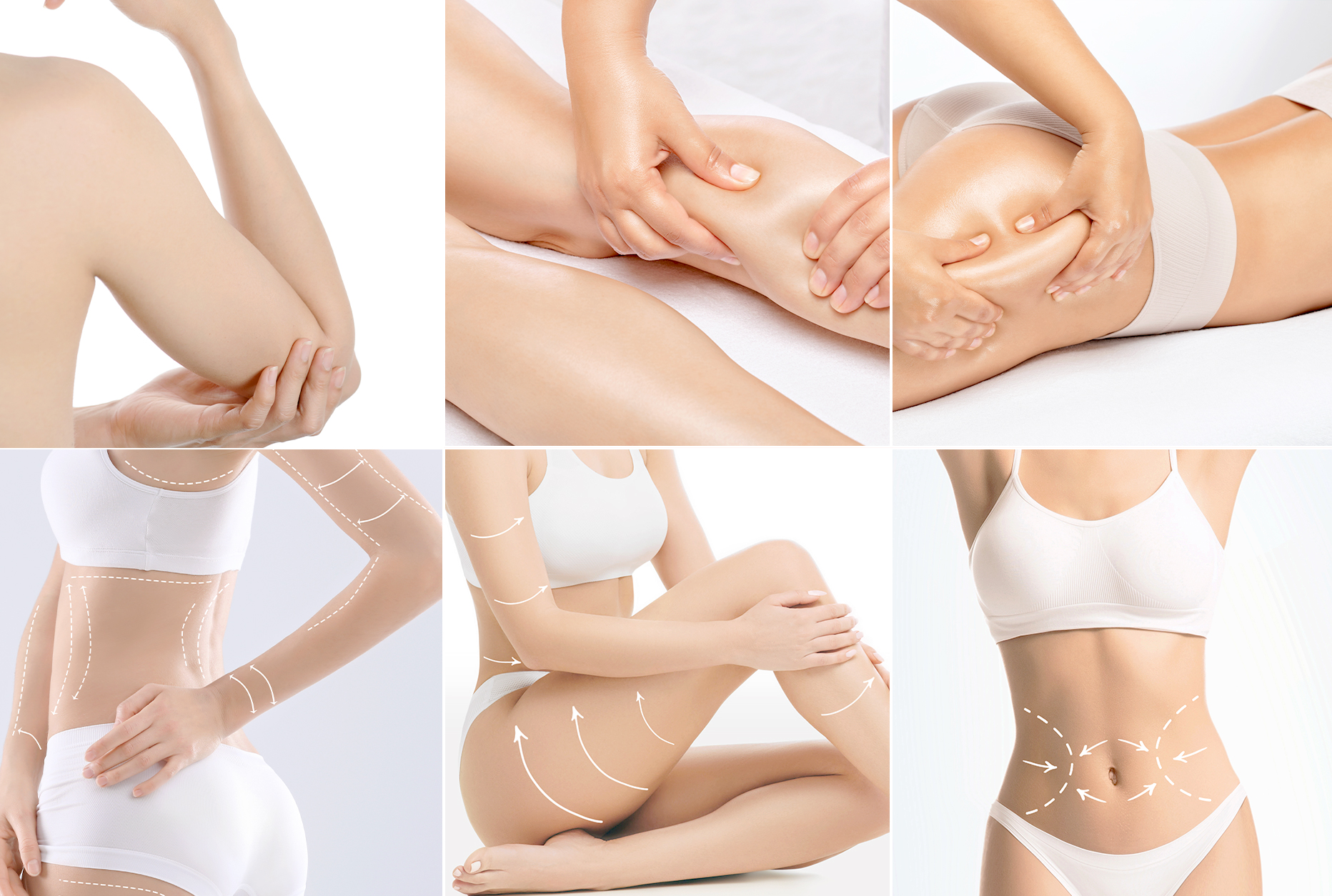
Cavitation is most effective for localized fat deposits, particularly in:
-
Abdomen
-
Waist and flanks
-
Thighs
-
Upper arms
These areas typically respond well to ultrasound-based fat disruption when treated consistently.
Managing Client Expectations
Education is essential to maximize satisfaction. Clients should clearly understand that:
-
Cavitation results are progressive
-
Multiple sessions are required
-
Lifestyle habits influence outcomes
When expectations are realistic, perceived results improve significantly.
Why Optimized Cavitation Programs Benefit Clinics
Clinics that follow structured cavitation protocols experience:
-
More predictable results
-
Higher client retention
-
Increased treatment package sales
Professional cavitation machines support consistency, which is critical for long-term business growth.
Market Trends Supporting Cavitation Demand
The global demand for non-invasive body contouring continues to rise due to:
-
Increased body awareness
-
Preference for non-surgical treatments
-
Continuous improvement in cavitation device technology
Modern cavitation systems are now a core investment for clinics offering body shaping services.
Conclusion
Maximizing results from cavitation sessions requires more than simply performing the treatment. It depends on professional-grade equipment, well-structured protocols, and proper client guidance before and after each session.
When these elements work together, cavitation delivers safe, gradual, and visible fat reduction. For clinics, investing in reliable cavitation technology and optimized treatment strategies ensures better outcomes—for both clients and long-term business success.
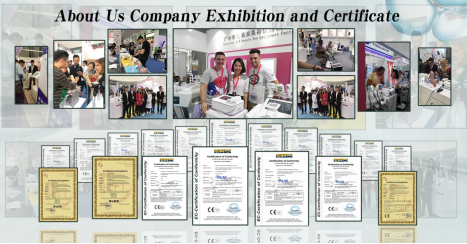
Founded in 2008, Guangzhou GLM Beauty Spa Equipment Factory specializes in research, development, manufacture and selling of beauty and slimming machines. Our production base is located in Guangzhou City, Guangdong Province, China. Since our foundation, we have introduced advanced technologies and equipment, to assure high quality and high performance of our products. With professional marketing guide and excellent after-sales service, our products have been exported to over 20 countries and regions, including Southeast Asia, the Middle East, Europe and the United States, won worldwide praises and gained a good reputation.