
Introduction
Under-eye filler has become a popular aesthetic treatment for people who want to improve the appearance of tear troughs, mild hollowness, and tired-looking eyes without undergoing surgery. However, the under-eye area is delicate and anatomically complex. Good results depend on more than the filler itself. Patient selection, medical assessment, skin condition, injection technique, and appropriate preparation all contribute to the treatment experience.
For aesthetic clinics and professional beauty centers, this makes the pre-treatment stage particularly important. A well-designed preparation process allows practitioners to understand the client’s concerns, evaluate the treatment area, establish realistic expectations, and create a more controlled environment before any injectable procedure takes place.
Professional aesthetic equipment can also have a supporting role during this stage. Skin-analysis systems, professional lighting, photography systems, and carefully selected non-invasive technologies can help practitioners assess skin condition and document treatment progress. These tools do not replace medical evaluation or injectable expertise, but they can strengthen the overall consultation and client-care process.
So, how should you prepare for an under-eye filler procedure? Let’s look at the key steps from a professional clinic perspective.
Background: Why Under-Eye Filler Requires Careful Preparation
The area beneath the eyes can change for several different reasons. Volume loss may create a visible tear trough, while thin skin, pigmentation, visible blood vessels, puffiness, or structural anatomy can also contribute to a tired appearance.
This is why not every under-eye concern is best addressed with filler.
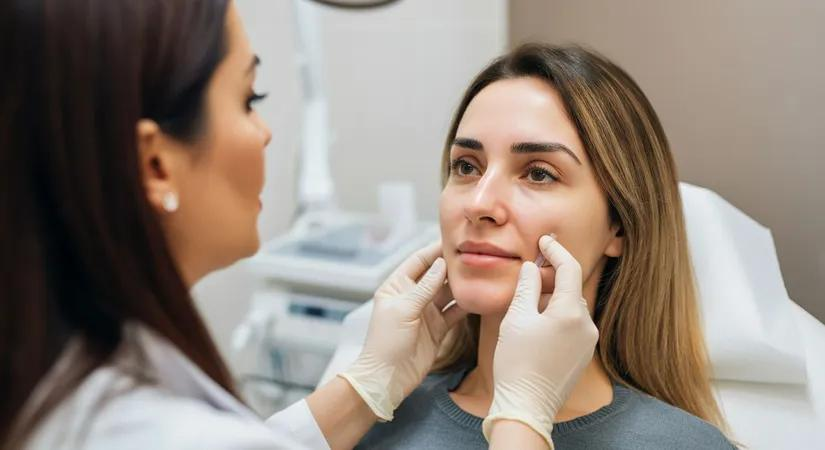
A professional consultation should begin by identifying what the client actually wants to improve. The practitioner may assess facial proportions, the degree of hollowing, skin quality, the presence of bags or swelling, previous aesthetic treatments, and the client’s overall expectations. A detailed medical and treatment history should also be discussed before proceeding. The American Society of Plastic Surgeons specifically recommends discussing medical conditions, allergies, medications, supplements, alcohol and tobacco use, as well as previous filler, Botox, laser, or other facial treatments during a filler consultation.
This consultation stage is also where clinics can provide their greatest value. Instead of treating every dark circle or under-eye shadow as a simple volume problem, a trained professional can determine whether filler is appropriate or whether another approach may be more suitable.
Technology and Mechanism: What Happens Before the Injection?
Preparation for under-eye filler is not simply about avoiding certain foods or products. It is a structured assessment and skin-management process.
1. Start With a Professional Consultation
Before treatment, the practitioner should discuss the client’s desired result and assess whether those expectations are realistic.
Professional consultation may include:
- Evaluation of under-eye hollowness and facial symmetry
- Review of medical history and allergies
- Discussion of current medications and supplements
- Review of previous fillers or aesthetic treatments
- Assessment of skin condition
- Standardized photography
- Explanation of expected results, possible side effects, and follow-up care
Cleveland Clinic notes that consultation is one of the most important steps in preparing for cosmetic filler treatment, including discussing expectations, medical history, allergies, medications, potential complications, and physical preparation.
For clinics, this is where professional documentation technology becomes valuable. High-resolution cameras and standardized lighting can help create consistent before-and-after records, while professional skin-analysis systems may provide additional information about hydration, pigmentation, texture, or other visible skin characteristics.
The goal is not to make a device “diagnose” the client. The goal is to help the professional collect better information and communicate treatment goals more clearly.
2. Review Medications and Supplements
One of the most important preparation steps is informing the practitioner about all medications, vitamins, and supplements currently being used.
Certain medications and supplements can increase the likelihood of bruising or bleeding. Cleveland Clinic notes that NSAIDs and blood thinners may need to be discussed before filler treatment, while supplements such as fish oil, garlic, and ginkgo biloba may also affect bleeding risk.
However, clients should never stop prescribed medication on their own. Any change should be discussed with the prescribing clinician and the professional performing the procedure.
This is particularly important for under-eye treatments because even relatively minor bruising can be highly noticeable in such a visible area.
3. Avoid Unnecessary Irritation Before Treatment
The skin around the eyes is thin and sensitive, so a clinic may advise clients to keep their skincare routine relatively gentle before treatment.
Strong exfoliation, aggressive facial treatments, or irritating products near the treatment area may increase sensitivity. Cleveland Clinic recommends avoiding exfoliation and strong skincare products around the treatment area in the days leading up to filler treatment.
This is also where professional beauty equipment should be used thoughtfully.
A clinic may offer non-invasive skin-care procedures as part of a broader facial-maintenance program, but aggressive energy-based treatments should not simply be added immediately before an injectable procedure. Treatment timing should be determined by the qualified practitioner according to the client’s skin condition and the specific technology being used.
In other words, more treatment is not always better. Proper sequencing is.
4. Maintain Hydration and a Healthy Routine
Adequate hydration is another simple but useful part of preparation. Cleveland Clinic includes hydration among the physical preparation measures that can support recovery and the treatment process.
Clients should also consider avoiding alcohol before treatment. Recommendations vary by practitioner and procedure, but Cleveland Clinic advises avoiding alcohol and smoking for at least 24 to 48 hours before filler treatment, while the American Society of Plastic Surgeons similarly recommends avoiding alcohol around the treatment period to reduce bruising and swelling.
A good clinic can make these instructions easier to follow by providing a clear pre-treatment information sheet rather than leaving clients to search for advice online.
5. Schedule Your Appointment Strategically
Under-eye filler is minimally invasive, but temporary swelling or bruising can still occur. Therefore, patients should avoid scheduling their procedure immediately before a wedding, photo shoot, major business event, or other important occasion.
This is especially relevant for first-time clients because individual healing responses vary.
A professional clinic should explain that the visible result immediately after injection is not necessarily the final result. Follow-up evaluation may be recommended so that the practitioner can assess healing and determine whether any additional treatment is appropriate.
Advantages and Comparison: Professional Preparation vs. DIY Preparation
The difference between professional preparation and a do-it-yourself approach is not simply the availability of equipment. It is the quality and safety of the decision-making process.
At home, a client may judge under-eye concerns mainly by looking in a mirror. In a professional clinic, the practitioner can evaluate the area under consistent lighting, compare standardized photographs, review treatment history, and consider the client’s anatomy and goals together.
Professional skin-analysis and photography technologies can support this process by making visible changes easier to document. Likewise, non-invasive facial technologies can be incorporated into a clinic’s broader skin-maintenance program when clinically appropriate.
However, these devices should remain supportive tools. They should not be presented as substitutes for a qualified medical assessment before injectable filler.
This distinction is especially important because filler injection is a medical procedure. The American Academy of Dermatology advises patients to receive fillers in an appropriate medical setting from an experienced physician and warns against filler injection in non-medical environments.
Clinics should also avoid promoting needle-free filler injection devices as a safer alternative. The American Academy of Dermatology notes that needle-free filler devices can cause serious injuries, including tissue damage, vascular complications, and permanent eye injury.
For professional equipment manufacturers and clinics, this creates an important positioning opportunity: technology should enhance professional care, not encourage clients to bypass professional care.
Applications and Client Needs: Building a Better Under-Eye Treatment Experience
Different clients arrive with different concerns, and preparation can be tailored accordingly.
Clients Concerned About Hollow Tear Troughs
These clients may notice a shadow beneath the eyes caused partly by volume loss. The practitioner can assess whether the appearance is primarily related to hollowness and whether filler may be appropriate.
Clients With Thin or Sensitive-Looking Skin
These clients may require more careful assessment of skin quality. Professional photography and skin-analysis tools can help document visible skin characteristics and support a personalized treatment discussion.
Clients Concerned About Dark Circles
Dark circles have multiple possible causes. Filler may improve the appearance of shadows associated with volume loss, but it does not automatically correct pigmentation or every cause of under-eye discoloration. A consultation helps separate these concerns and avoids unrealistic expectations.
Returning Aesthetic Clients
Clients with previous filler, laser, radiofrequency, ultrasound, or other aesthetic treatments may require a more detailed treatment history.
For this group, accurate treatment records are particularly useful. Professional clinics can maintain standardized images and consultation records to create a clearer long-term view of the client’s aesthetic journey.
Clinics Building a Premium Treatment Experience
For clinics, preparation is also part of the customer experience.
A premium workflow can include a dedicated consultation area, consistent photography, skin-analysis technology, electronic treatment records, clear pre-treatment instructions, and scheduled follow-up. These details help transform an injection appointment from a single procedure into a more comprehensive professional service.
Professional beauty equipment can therefore contribute value before the actual treatment begins. The role is not to “prepare the filler,” but to improve assessment, communication, documentation, and overall skin-care management around the procedure.
Before Your Appointment: A Practical Preparation Guide
In the days before treatment, clients should follow the specific instructions provided by their medical professional. General considerations may include discussing all medications and supplements, avoiding unnecessary skin irritation, staying adequately hydrated, and limiting alcohol according to the clinic’s instructions. Cleveland Clinic also recommends minimizing sun exposure and avoiding strenuous exercise around the treatment period.
Most importantly, clients should disclose relevant medical information honestly and ask questions before treatment begins.
A professional consultation should leave the client understanding:
What is being treated?
Why is filler being considered?
What results are realistic?
What are the potential risks?
What preparation is required?
What aftercare and follow-up will be needed?
When these questions are answered clearly, the treatment process becomes more predictable and transparent.
Conclusion
Preparing for an under-eye filler procedure is about much more than simply arriving at the clinic on appointment day. The quality of the consultation, assessment, treatment planning, skin preparation, and documentation can all influence the overall treatment experience.
For professional aesthetic clinics, technology can strengthen this process. High-quality photography, skin-analysis systems, professional lighting, and carefully selected non-invasive beauty technologies can help practitioners evaluate skin condition, document progress, educate clients, and create a more complete treatment pathway.
At the same time, technology should always have the right role. Devices can support professional assessment and patient care, but they do not replace qualified medical expertise, anatomical knowledge, or safe injectable technique.
Ultimately, the best under-eye filler experience begins before the injection itself. When professional expertise, appropriate preparation, responsible technology, and realistic expectations come together, clinics can provide a safer, more personalized, and more professional aesthetic journey
Founded in 2008, Guangzhou GLM Beauty Spa Equipment Factory specializes in research, development, manufacture and selling of beauty and slimming machines. Our production base is located in Guangzhou City, Guangdong Province, China. Since our foundation, we have introduced advanced technologies and equipment, to assure high quality and high performance of our products. With professional marketing guide and excellent after-sales service, our products have been exported to over 20 countries and regions, including Southeast Asia, the Middle East, Europe and the United States, won worldwide praises and gained a good reputation